
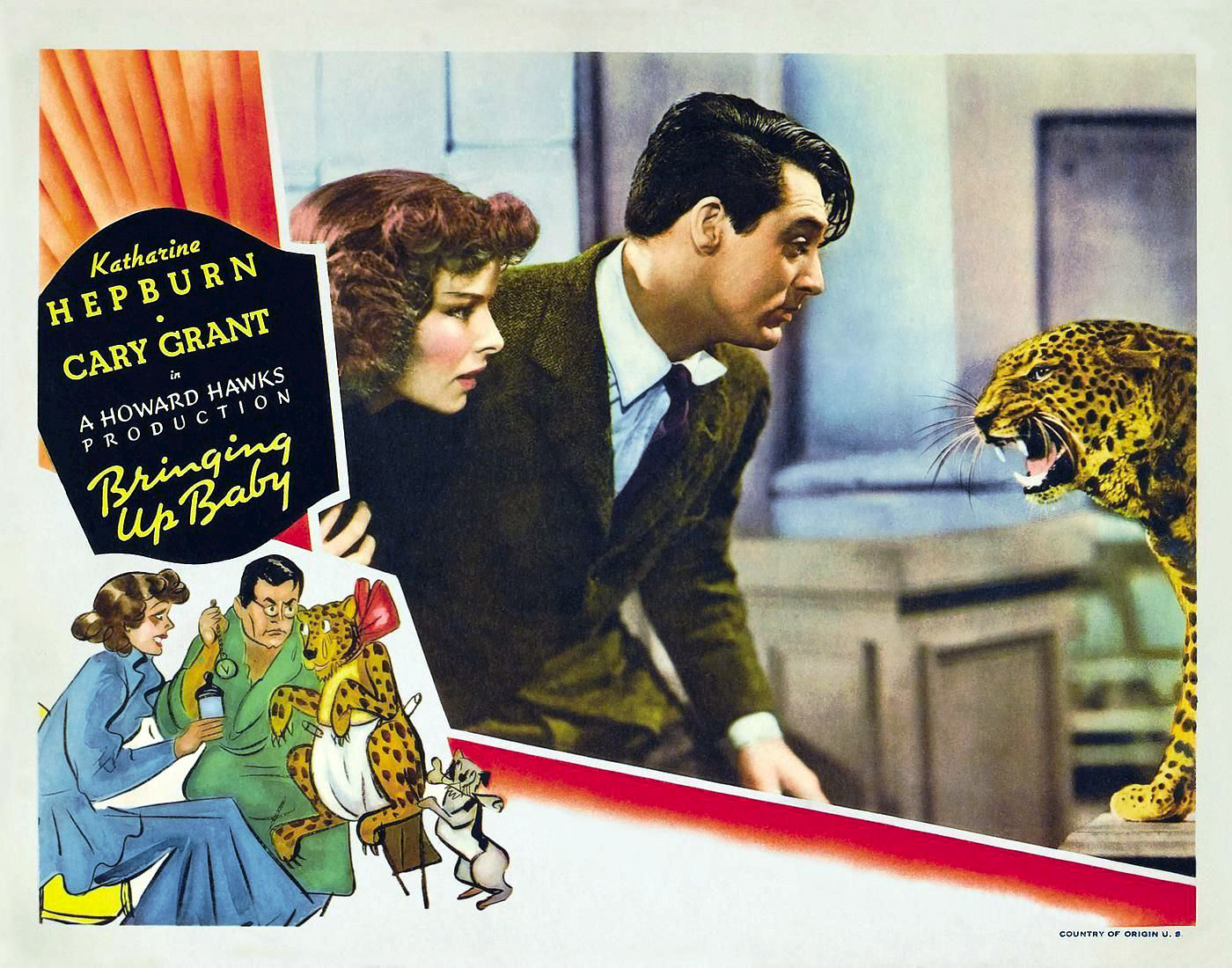
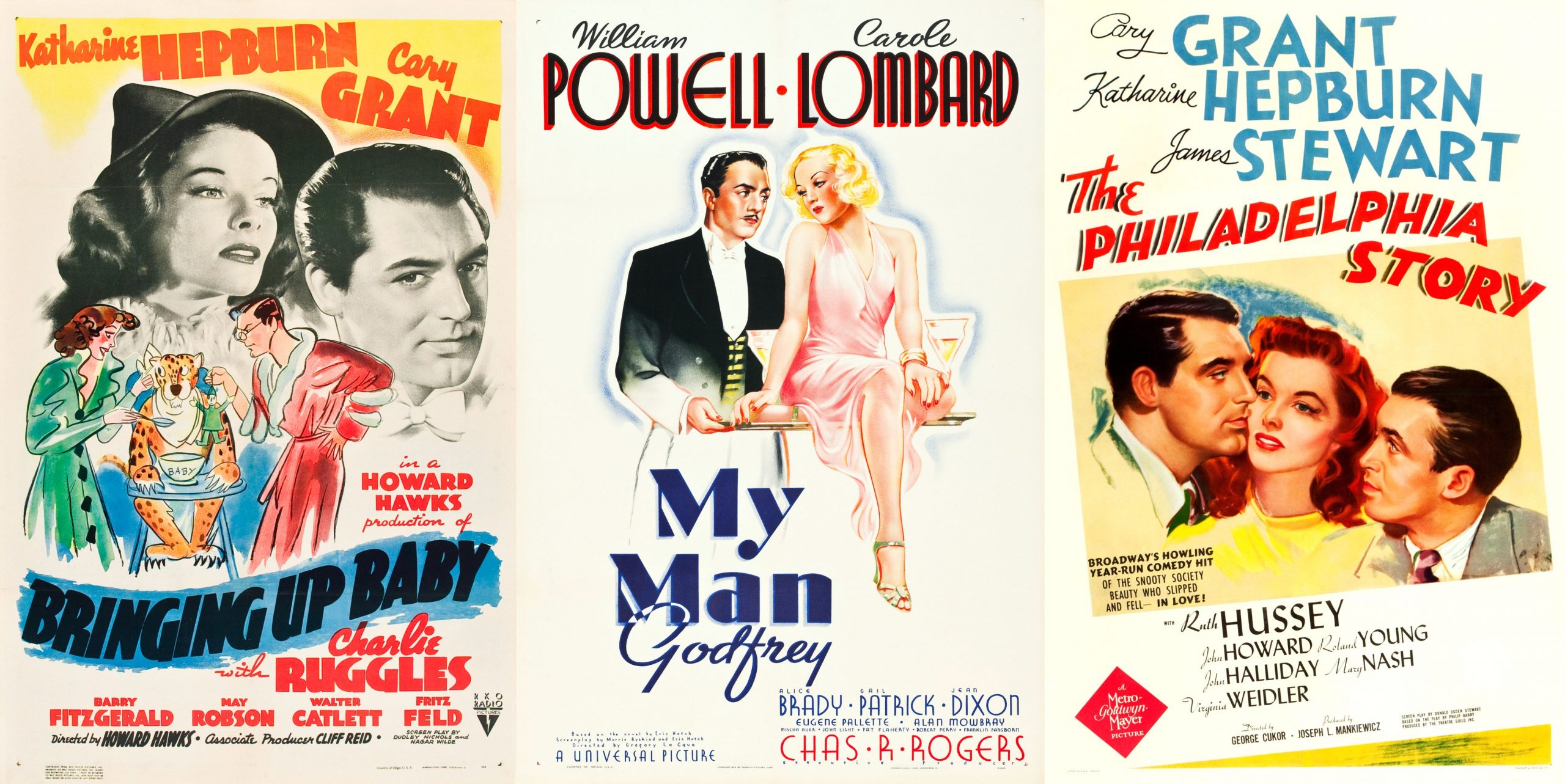
In the golden age of Hollywood, the “screwball comedy” emerged as a defiant, fast-paced, and subversively intellectual genre that captured the imagination of a restless public. Characterized by social role reversals, rapid-fire dialogue, and a touch of calculated chaos, films like It Happened One Night and Bringing Up Baby redefined entertainment. Today, this cinematic philosophy is finding a second life—not on the silver screen, but within the competitive landscape of brand strategy.
As traditional advertising loses its efficacy against an increasingly cynical and ad-blocked audience, forward-thinking brand architects are turning to the principles of screwball comedy to build engagement. This approach—”The Screwball Brand”—prioritizes wit over polish, subversion over conformity, and dynamic tension over passive messaging. By understanding the mechanics of this classic genre, brands can develop a corporate identity that feels human, unpredictable, and ultimately, unforgettable.
1. Defining the Screwball Brand Archetype: Subverting the Corporate Narrative
At its core, a screwball comedy is about the disruption of the status quo. In the 1930s, this usually meant a wealthy socialite being brought down to earth or a rigid professional being swept up in a whirlwind of absurdity. In branding, the “Screwball Archetype” represents a move away from the “Sage” or the “Hero” and toward a more “Trickster-adjacent” persona that thrives on subverting industry norms.
The Power of Brand Friction
In film, screwball comedy relies on the “battle of the sexes” or the clash of social classes to create narrative heat. In branding, this translates to “Brand Friction.” This occurs when a company intentionally challenges the expectations of its category. For instance, a luxury brand that uses self-deprecating humor or a financial institution that speaks with the irreverence of a satirical magazine. This friction captures attention because it creates a cognitive dissonance that the consumer feels compelled to resolve by engaging further with the brand.
Fast-Paced Narrative and Social Agility
The hallmark of screwball cinema was dialogue so fast it required the audience’s total focus. Modern brands replicate this through “Social Agility.” This isn’t just about posting frequently; it is about the speed of response and the sharpness of the wit. Brands that can participate in cultural moments with the timing of a Vaudeville performer build a sense of presence that feels “live.” This agility transforms a corporate entity from a static logo into a conversational partner.
2. Breaking the Fourth Wall: Authenticity Through Strategic Subversion
One of the most effective tools in the screwball toolkit is the meta-narrative. Characters in these films often seemed half-aware of the absurdity of their situations. For a brand, “breaking the fourth wall” means acknowledging the inherent artifice of marketing. In an era where consumers are hyper-aware of being “sold to,” honesty—even when delivered through a lens of chaos—is the ultimate form of authenticity.
The Self-Aware Marketing Campaign
A screwball brand does not pretend that its marketing is anything other than marketing. By leaning into the tropes of advertising and satirizing them, a brand can build a “shared secret” with its audience. When a brand says, “We know you hate ads, so here is a 30-second video of a cat wearing our product because that’s what the algorithm wants,” it is using screwball subversion to build trust. This transparency removes the “salesy” veneer and replaces it with a relatable, humanistic perspective.
Turning Flaws into Brand Features
In The Lady Eve, the protagonist’s deceptive nature becomes her most charming quality. Similarly, screwball branding involves leaning into “perfect imperfections.” Whether it is a software company highlighting a quirky bug that users have turned into a feature, or a food brand celebrating its “ugly” but organic produce, this strategy humanizes the brand. It signals to the consumer that the brand is confident enough to be flawed, which is a powerful differentiator in a world of airbrushed corporate identities.
3. The Aesthetics of Chaos: Implementing Wit in Visual and Verbal Identity
To successfully execute a screwball brand strategy, the visual and verbal identity must reflect a sense of organized chaos. This is not about being messy; it is about being “stylishly unpredictable.” It requires a sophisticated understanding of design and tone to ensure that the wit lands without alienating the target demographic.

The “Straight Man” and the “Comedian” Principle
In every great comedy duo, there is a “straight man” who grounds the scene so the “comedian” can fly off the rails. In branding, your core product or service is the straight man. It must be reliable, high-quality, and functional. The brand voice and marketing are the comedians. If both are chaotic, the consumer feels unsafe. If both are “straight,” the consumer feels bored. The screwball brand finds the sweet spot by offering a rock-solid product wrapped in a delightfully unpredictable package.
Verbal Velocity: The Art of the Brand Voice
The “voice” of a screwball brand should be characterized by “Verbal Velocity”—a style of communication that is punchy, rhythmic, and intelligent. This involves moving away from “corporate speak” (words like synergy, leverage, and holistic) and moving toward a vernacular that is evocative and surprising. This might mean using puns, sharp metaphors, or even controlled “snark.” The goal is to make the reader feel smarter for having engaged with the copy, mirroring the intellectual satisfaction of a well-written screenplay.
4. Case Studies: Modern Pioneers of Screwball Branding
Several contemporary brands have mastered the art of the screwball strategy, using it to disrupt saturated markets and build cult-like followings. These examples serve as a blueprint for how to balance corporate objectives with comedic subversion.
Wendy’s: The Queen of Social Subversion
Wendy’s transformed its brand perception entirely through its Twitter (X) persona. By adopting a “screwball” attitude—roasting competitors, engaging in witty banter with followers, and refusing to adhere to the polite “how may I help you” corporate template—they created a brand that people actually wanted to follow. They didn’t just sell burgers; they sold a personality that was sharper and funnier than the average user.
Duolingo: The Unhinged Mentor
The language-learning app Duolingo took the screwball concept to the extreme with its mascot, Duo the Owl. By leaning into the “threatening” memes created by the community regarding missed lessons, the brand embraced a chaotic, slightly unhinged persona. This “subversive educator” identity has made them a powerhouse on TikTok, where they prioritize entertainment and meta-commentary over direct product features, resulting in massive organic growth and brand loyalty.
Liquid Death: High-Stakes Absurdity
Liquid Death is perhaps the ultimate example of screwball branding in the “Money” and “Brand” intersection. They sell water—the ultimate “straight” product—using the visual language of heavy metal and the comedic sensibilities of an 80s horror-comedy. Their slogan “Murder Your Thirst” and their bizarre, high-production-value commercials are classic screwball: they take a mundane category and inject it with a level of absurdity that makes it impossible to ignore.
5. Risk Management in Screwball Branding: When the Joke Fails
While the screwball strategy offers high rewards in terms of engagement and brand recall, it is not without significant risks. Because the strategy relies on subversion and “edgy” wit, there is a thin line between being “cleverly chaotic” and “offensively out of touch.”
Navigating the “Cringe” Threshold
The biggest danger for a screwball brand is “cringe”—the moment when a brand’s attempt at humor feels forced, dated, or desperate. To avoid this, brands must have a deep, intuitive understanding of their audience’s cultural lexicon. You cannot “buy” screwball wit; it must be part of the brand’s internal culture. If the marketing team doesn’t find the joke funny, the audience won’t either.
Maintaining Brand Authority
A brand must never lose sight of its primary function. If a screwball comedy becomes too slapstick, it loses its emotional heart. If a brand becomes too chaotic, it loses its perceived value. The wit should always serve the brand’s mission, not distract from it. The objective is to use humor as a bridge to connection, ensuring that when the laughter stops, the consumer still trusts the brand enough to make a purchase.
Conclusion: The Lasting Appeal of the Witty Brand
The “screwball comedy” approach to branding is more than just a trend; it is a response to the evolution of the consumer-brand relationship. In a digital ecosystem where everyone is shouting, the brand that can whisper a sharp joke—or start a controlled fire—is the one that gets remembered.
By embracing subversion, prioritizing verbal velocity, and maintaining the delicate balance between the “straight man” product and the “comedian” persona, companies can move beyond the limitations of traditional marketing. The screwball brand doesn’t just ask for a seat at the table; it crashes the party, makes everyone laugh, and leaves them wondering what it will do next. In the world of modern branding, being “sensible” is often the riskiest move of all. The future belongs to the brands that aren’t afraid to be a little bit “screwball.”
aViewFromTheCave is a participant in the Amazon Services LLC Associates Program, an affiliate advertising program designed to provide a means for sites to earn advertising fees by advertising and linking to Amazon.com. Amazon, the Amazon logo, AmazonSupply, and the AmazonSupply logo are trademarks of Amazon.com, Inc. or its affiliates. As an Amazon Associate we earn affiliate commissions from qualifying purchases.