
For any investor, from the novice retail trader to the seasoned institutional portfolio manager, the question “when does the share market open?” is much more than a matter of checking the clock. While the short answer for those in the United States is 9:30 AM Eastern Time, the reality of market timing involves a complex web of global sessions, extended hours, and strategic windows that can dictate the success or failure of a financial position. Understanding the rhythm of the stock market is a fundamental pillar of personal finance and disciplined investing.
This guide explores the structural timing of global equity markets, the psychological dynamics of different trading sessions, and the strategic implications of when you choose to hit the “buy” or “sell” button.
Understanding Global Market Hours and Trading Sessions
The stock market does not operate in a vacuum. It is a global engine that runs across various time zones, creating a nearly 24-hour cycle of price discovery. However, for most individual investors, the focus remains on the primary exchanges.
The Core Trading Hours: NYSE and Nasdaq
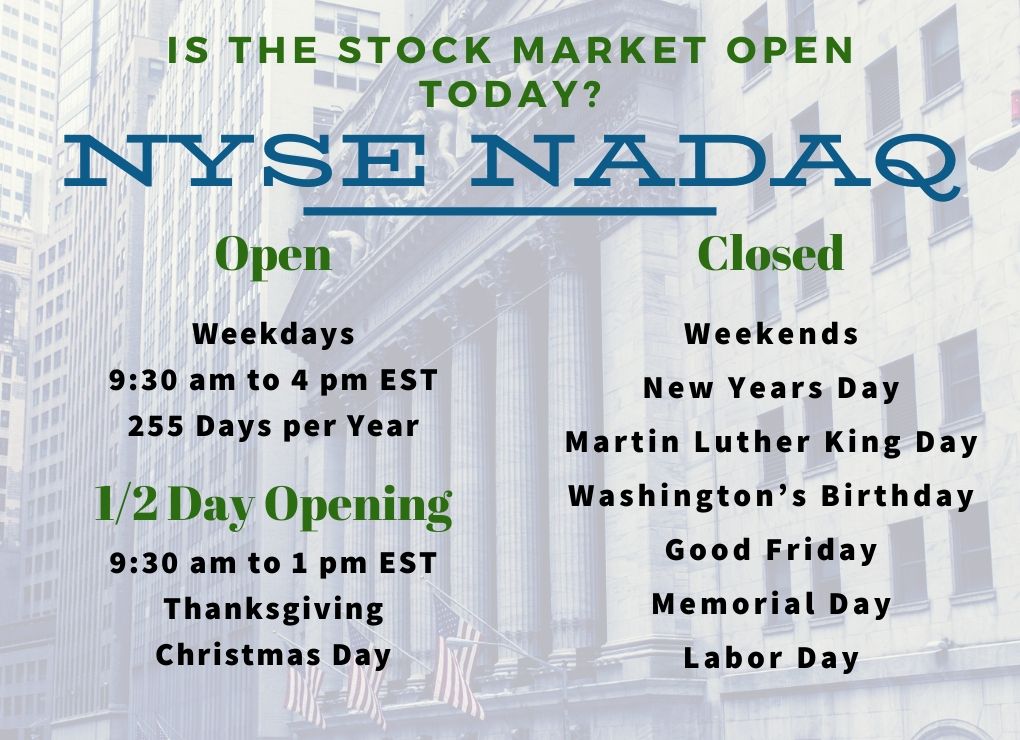
The New York Stock Exchange (NYSE) and the Nasdaq are the two largest exchanges in the world. Their standard operating hours are Monday through Friday, 9:30 AM to 4:00 PM Eastern Time (ET). This 6.5-hour window is known as “core” or “regular” trading hours. During this period, liquidity—the ease with which shares can be bought or sold without affecting the price—is at its peak. This is when the majority of retail trades are executed and when institutional “market makers” are most active.
Pre-market and After-hours Trading: Risks and Rewards
The market doesn’t actually go dark when the closing bell rings. Electronic Communication Networks (ECNs) allow for “Extended Hours” trading. Pre-market trading in the U.S. can begin as early as 4:00 AM ET, though most activity picks up around 8:00 AM. After-hours trading continues from 4:00 PM until 8:00 PM ET.
While these sessions allow investors to react to breaking news—such as earnings reports or geopolitical events—they come with significant risks. Liquidity is much lower, meaning the “bid-ask spread” (the difference between the price a buyer is willing to pay and a seller is willing to accept) is much wider. This can lead to extreme price volatility and “slippage,” where your order is filled at a price much worse than anticipated.
The Significance of the Opening and Closing Bell
The first and last minutes of the trading day are often the most intense. The “Opening Cross” and “Closing Cross” are automated processes used by exchanges to determine the official opening and closing prices of a security. This is a moment of high-volume consolidation where thousands of orders that accumulated overnight or during the day are matched. For the disciplined investor, these moments provide critical data points on market sentiment and institutional direction.
Why Market Timing Matters for Personal Investors
Knowing when the market opens is only half the battle; understanding why those times affect your portfolio is where the real financial insight lies. The behavior of stocks changes throughout the day based on the participation of different types of investors.
Volatility at the Open: The “Morning Rush”
The first 30 to 90 minutes after the 9:30 AM opening bell are typically characterized by high volatility. This is known as the “amateur hour” (though professionals are certainly active), as the market reacts to news that broke since the previous day’s close. During this time, price swings can be violent and unpredictable. Many professional traders advise retail investors to wait at least 30 minutes after the open before placing trades to allow the “dust to settle” and for a clearer trend to emerge.
Liquidity and Spread Considerations
Liquidity is the lifeblood of a healthy market. Between 10:00 AM and 11:30 AM ET, the market usually finds its rhythm. During these hours, liquidity is high, and spreads are narrow. For a personal finance enthusiast looking to rebalance a portfolio or buy into a long-term position, this mid-morning window is often the most cost-effective time to trade. When liquidity is high, you are less likely to be penalized by the “invisible tax” of wide spreads.
The Impact of Overnight News and Global Events
Economic data releases, such as the Consumer Price Index (CPI) or employment reports, are often released at 8:30 AM ET, exactly one hour before the market opens. This timing is deliberate, giving investors time to digest the information before core trading begins. If you are managing your own investments, monitoring these pre-market indicators is essential, as they often dictate whether the market will open “gap up” (higher than the previous close) or “gap down” (lower).
A Global Perspective: Major Exchange Schedules
In our interconnected digital economy, what happens in London or Tokyo frequently influences the opening price in New York. If you hold international stocks or ETFs, you must be aware of the “relay race” of global finance.
European Markets: LSE, Euronext, and DAX
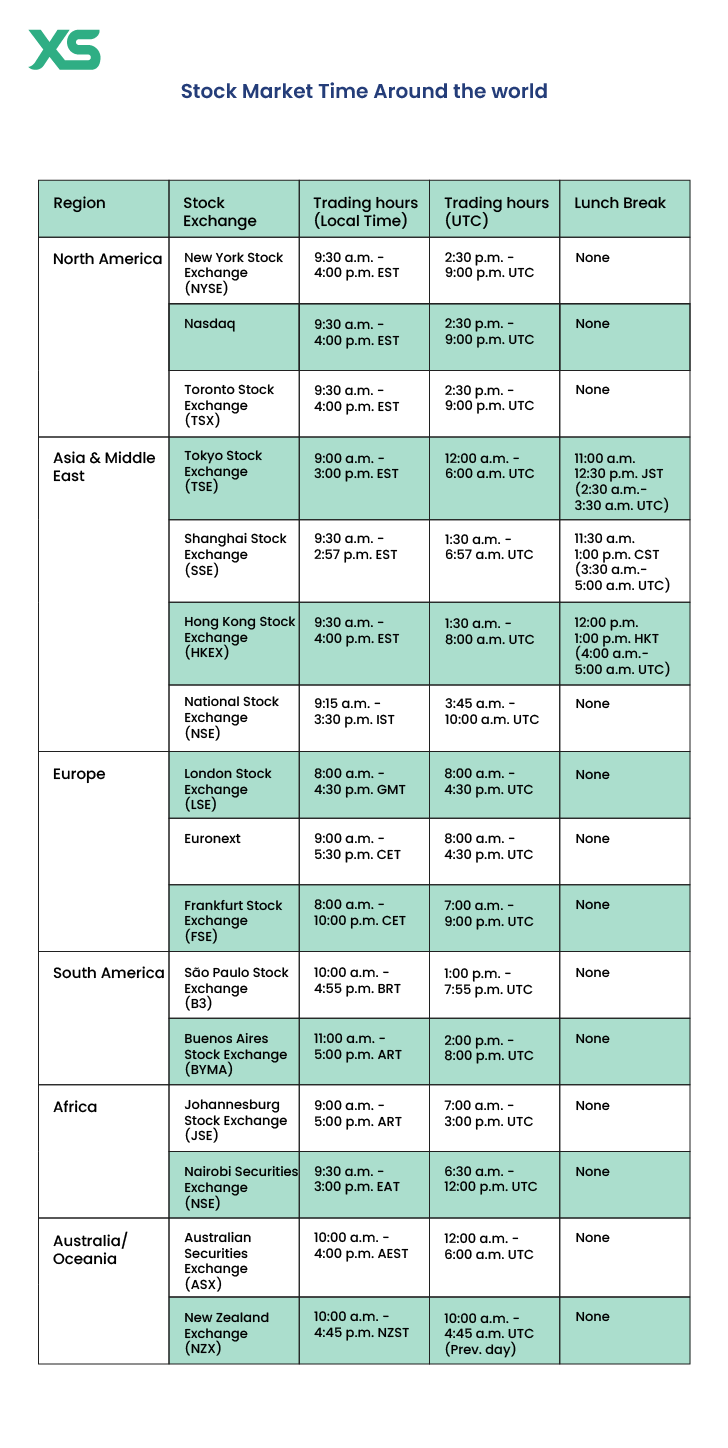
The London Stock Exchange (LSE) and other major European markets like the Euronext (Paris/Amsterdam) and the DAX (Frankfurt) typically open at 8:00 AM local time and close at 4:30 PM. For U.S.-based investors, there is an important overlap period. From 9:30 AM ET until roughly 11:30 AM ET, both the European and American markets are open simultaneously. This two-hour window often sees the highest global volume of the day as the two largest financial regions interact.
Asian Markets: Tokyo, Hong Kong, and Shanghai
The trading day effectively begins in Asia. The Tokyo Stock Exchange (TSE) opens while much of the Western world is asleep. One unique aspect of many Asian markets, including the Hong Kong Stock Exchange (HKEX) and the Shanghai Stock Exchange, is the “lunch break.” Unlike Western markets that trade continuously, these exchanges often close for an hour or 90 minutes mid-day, creating two distinct trading sessions within one day.
Managing Different Time Zones as a Global Investor
For those engaged in “Side Hustles” like swing trading or managing a diverse international portfolio, time zone management is a logistical necessity. Tools like world clock converters and economic calendars are indispensable. If you are trading Japanese tech stocks from New York, your “working day” might actually be 8:00 PM to 2:00 AM. Understanding these cycles helps prevent the emotional exhaustion that often leads to poor financial decision-making.
Strategic Trading: When Should You Actually Place Your Trades?
Effective money management requires a strategy for when to execute. Blindly entering the market the moment it opens can be a recipe for unnecessary losses.
The Mid-day Lull: Stability vs. Opportunity
Between 12:00 PM and 2:00 PM ET, the market often enters what is known as the “mid-day lull.” Volume drops as floor traders and institutional desks take lunch breaks. During this period, the market tends to move sideways. For long-term investors, this can be an excellent time to execute “limit orders” because the lack of volatility means prices are less likely to jump away from your target. However, for those looking for quick momentum, this is often the most frustrating time of day.
Power Hour: Navigating the Final 60 Minutes
The “Power Hour” occurs from 3:00 PM to 4:00 PM ET. This is the final push before the close. Institutional investors—pension funds, mutual funds, and hedge funds—often wait until this hour to finalize their positions for the day. This leads to a massive surge in volume and, frequently, a definitive move in price. If the market has been trending up all day and continues to rise during the Power Hour, it is often a sign of “bullish” conviction that may carry over into the next day.
Holiday Closures and Early Closes to Watch For
Financial planning requires knowing when the market is not open. In the United States, the market observes several federal holidays, including Martin Luther King Jr. Day, Memorial Day, and Labor Day. Additionally, the market often has “early closes” (at 1:00 PM ET) on the days before or after major holidays, such as the day after Thanksgiving or Christmas Eve. Trading on these “thin” days is generally discouraged for retail investors, as low volume can lead to erratic and deceptive price movements.
Conclusion: Mastering the Clock for Financial Success
The question of when the share market opens is the starting point for a deeper journey into the mechanics of wealth creation. By understanding the nuances of the 9:30 AM opening bell, the dangers of pre-market trading, and the importance of the global “relay race,” you transition from a passive participant to a strategic investor.
In the realm of personal finance, time is your most valuable asset—not just in terms of long-term compounding, but in the tactical sense of daily execution. Respect the volatility of the opening rush, utilize the liquidity of the mid-morning, and observe the institutional signals of the Power Hour. By aligning your investment actions with the natural rhythm of the markets, you optimize your chances of achieving long-term financial stability and growth. Always remember: the market is a clock that never truly stops; your job is to know which hour offers the best opportunity for your money to work for you.
aViewFromTheCave is a participant in the Amazon Services LLC Associates Program, an affiliate advertising program designed to provide a means for sites to earn advertising fees by advertising and linking to Amazon.com. Amazon, the Amazon logo, AmazonSupply, and the AmazonSupply logo are trademarks of Amazon.com, Inc. or its affiliates. As an Amazon Associate we earn affiliate commissions from qualifying purchases.