
In the contemporary marketplace, the term “queerness” has migrated from the fringes of sociopolitical discourse into the heart of corporate strategy. However, for a brand strategist or a business leader, understanding queerness is not merely about acknowledging a demographic or adding a rainbow filter to a logo during the month of June. To truly grasp what queerness is within the context of branding, one must view it as a radical framework for disruption, authenticity, and the deconstruction of traditional market binaries.
Queerness, at its core, represents a resistance to categorization. In branding, this translates to a shift away from rigid, legacy marketing segments toward a more fluid, intersectional approach to consumer identity. As we navigate an era defined by Gen Z’s influence and a demand for radical transparency, queerness has become a lens through which brands can redefine their relationship with the public, moving from transactional interactions to deep, identity-driven resonance.
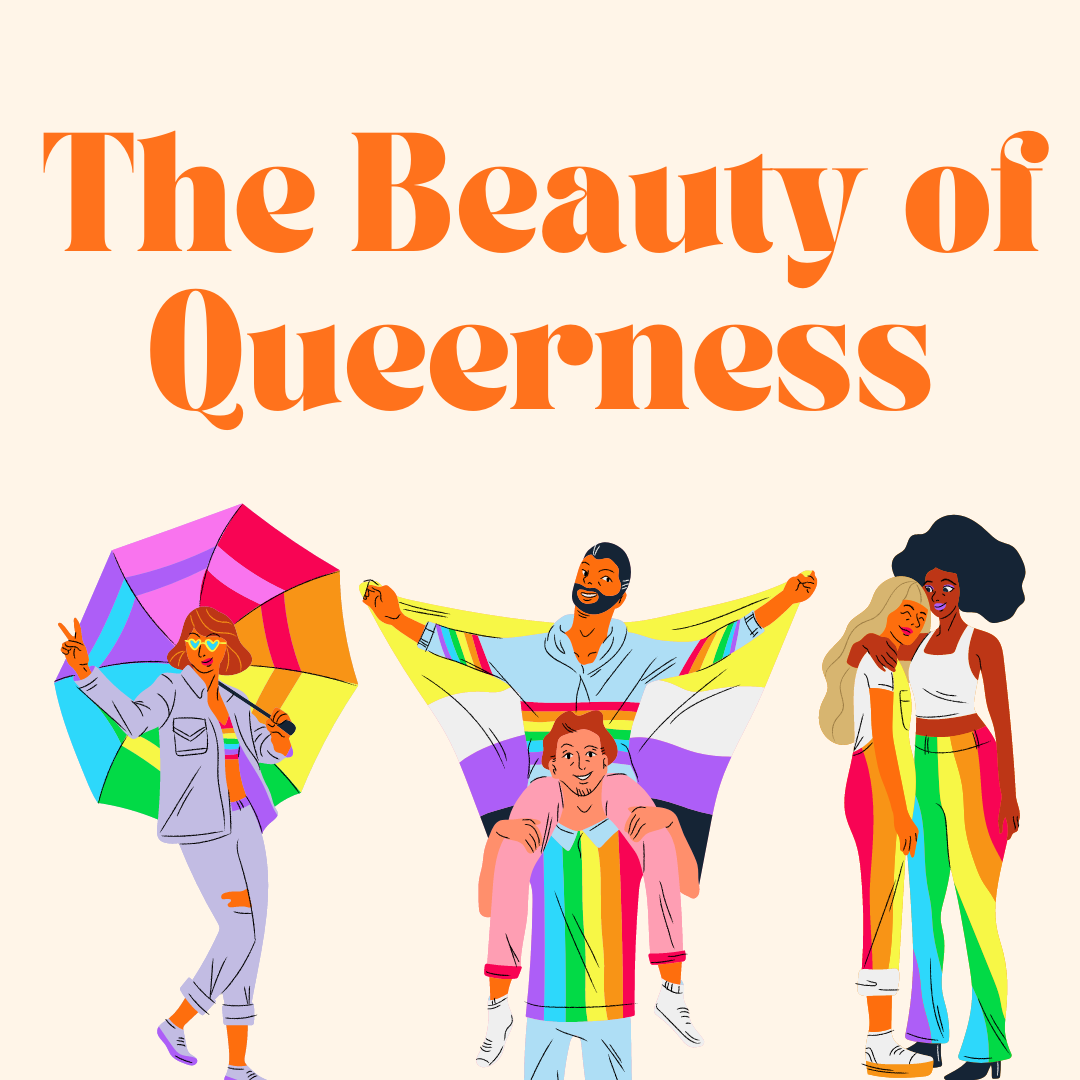
The Architecture of Fluidity: Redefining the Consumer Identity
Traditional brand strategy has long been built on the foundation of segmentation—dividing the world into neat boxes of gender, age, and socioeconomic status. Queerness challenges the very validity of these boxes. In the world of brand identity, queerness is the embrace of fluidity, recognizing that the modern consumer does not exist in a vacuum of static traits.
The End of the Binary Market
For decades, brands operated on the binary of “Men’s” and “Women’s” products, marketing tactics, and aesthetic choices. Queerness in branding dismantles this binary. It asks the question: Why must a skincare line or a luxury timepiece be tethered to a gendered expectation? By adopting a queer perspective, brands like Telfar or Fenty have revolutionized their industries not by targeting a “niche,” but by creating a “universal” that refuses to exclude. This move toward gender-neutrality and fluid positioning is not just a social statement; it is a sophisticated brand strategy that expands the total addressable market by removing artificial barriers to entry.
Authenticity vs. Performative Appropriation
The greatest risk a brand faces when engaging with the concept of queerness is the trap of performative allyship. In the professional sphere, “Rainbow Washing” has become a cautionary tale. Authenticity in queerness means that the brand’s values must align with the lived experiences of the community it seeks to represent. This involves a shift from optical support to operational support. A brand that understands queerness integrates it into its corporate DNA—from inclusive hiring practices and diverse boardrooms to supply chains that respect human rights. When the brand’s “outward” queerness matches its “inward” reality, it builds a level of trust and brand equity that is immune to the volatility of social media trends.
Queerness as a Strategy for Brand Disruption
Innovation often occurs at the margins. By looking through the lens of queerness, brands can find new ways to disrupt stagnant industries. This is not about being “different” for the sake of it; it is about “queering” the status quo—challenging the established “right way” of doing business to find more efficient, creative, and resonant paths.
Challenging Industry Norms through Subversion
Queerness is inherently subversive. In branding, subversion can be a powerful tool for differentiation. When a brand “queers” its messaging, it often uses irony, camp, or non-linear storytelling to capture attention. This approach disrupts the “Expected Brand Voice” (EBV). Consider how high-fashion houses have moved away from the “aspirational and untouchable” trope toward “weird, wonderful, and inclusive.” By subverting expectations of what a luxury brand should look like, they create a magnetic pull for consumers who feel alienated by traditional, heteronormative standards of beauty and success.
The Power of Non-Linear Storytelling
Most brand narratives follow a predictable arc: Problem, Solution, Satisfaction. A queer approach to brand storytelling often embraces complexity and nuance. It recognizes that the human experience is not a straight line. By leaning into stories of transition, transformation, and “becoming,” brands can connect with consumers on a psychological level that transcends the product. This strategy involves moving away from “The Hero’s Journey” and toward a “Collective Journey,” where the brand acts as a facilitator for community and self-expression rather than a solitary savior.

From Pride Month to Permanent Presence: Execution and Ethics
The transition from understanding the concept of queerness to executing a queer brand strategy requires a long-term commitment. It requires moving away from the “campaign” mindset and toward a “cultural” mindset.
Avoiding the Pitfalls of “Rainbow Washing”
The market is increasingly literate in identifying corporate insincerity. To avoid the pitfalls of superficial engagement, brands must ensure their commitment to queerness is evergreen. This means supporting LGBTQ+ causes in November just as fervently as in June. Professionally, this is managed through “Value-Based Marketing,” where the brand’s involvement in social issues is tied to its core mission rather than the calendar. If queerness is part of your brand strategy, it should be reflected in your year-round content pillars, your influencer partnerships, and your charitable giving.
Building Community-First Marketing Ecosystems
Queerness is deeply rooted in community. Therefore, a brand that wants to embody queerness must prioritize community-building over audience-gathering. An “audience” listens to a brand; a “community” talks to each other around a brand. Strategy here involves creating spaces—both digital and physical—where the queer community feels seen and heard. This might look like hosting panels on queer financial literacy, sponsoring underground art shows, or creating digital forums for non-binary creators. By positioning the brand as a “patron of the community,” the company gains a level of loyalty that traditional advertising simply cannot buy.
The ROI of Radical Inclusion: The Future of Brand Value
Some might argue that focusing on queerness is too narrow or politically charged. However, the data suggests otherwise. Investing in a strategy of radical inclusion is one of the most effective ways to future-proof a brand in an increasingly diverse global economy.
Loyalty in the Gen Z and Alpha Eras
The demographic shift is undeniable. Gen Z is the queerest generation in history, with a significant percentage identifying outside of traditional gender and orientation norms. More importantly, even those who do not identify as queer themselves prioritize “identity-positive” brands. For these consumers, a brand’s stance on queerness is a proxy for its overall ethics and “vibe.” If a brand fails to speak the language of fluidity and inclusion, it risks becoming irrelevant to the most influential spending bloc of the next two decades.
Future-Proofing Through Diversity of Thought
Beyond external marketing, “queering” a brand strategy benefits the internal health of a company. When a brand embraces the multifaceted nature of queerness, it fosters an environment where “diversity of thought” is not just a buzzword but a daily practice. Teams that are comfortable navigating the complexities of queer identities are better equipped to handle the complexities of a globalized market. They are more empathetic, more creative, and more resilient. In this sense, queerness is not just a topic for the marketing department; it is a vital component of modern corporate identity and business intelligence.
Conclusion: The New Standard of Identity
What is queerness in the world of branding? It is the brave rejection of the “average.” It is the understanding that the most valuable connections are formed when a brand recognizes the full, complex, and often non-linear humanity of its customers.
By moving beyond the simplistic imagery of the rainbow and diving into the deeper strategic implications of fluidity, subversion, and community, brands can unlock a new level of cultural relevance. Queerness offers a roadmap for brands to move from being mere vendors of goods to being meaningful participants in the evolution of human identity. In the end, the brands that thrive will be those that realize queerness isn’t a trend to be followed—it is a lens through which the future of the entire marketplace is being viewed.
aViewFromTheCave is a participant in the Amazon Services LLC Associates Program, an affiliate advertising program designed to provide a means for sites to earn advertising fees by advertising and linking to Amazon.com. Amazon, the Amazon logo, AmazonSupply, and the AmazonSupply logo are trademarks of Amazon.com, Inc. or its affiliates. As an Amazon Associate we earn affiliate commissions from qualifying purchases.