
In an era defined by the digital economy, remote work, and the explosion of e-commerce, the humble Post Office (P.O.) Box has evolved from a simple metal locker into a strategic financial tool. While many view it merely as a place to receive mail, for the savvy entrepreneur, freelancer, or privacy-conscious individual, a P.O. Box represents a critical investment in asset protection, professional credibility, and logistical efficiency.
Understanding the financial nuances of a P.O. Box—ranging from its cost-to-benefit ratio to its role in safeguarding business capital—is essential for anyone looking to optimize their personal or corporate financial infrastructure. This guide explores the mechanics of P.O. Boxes through the lens of finance, helping you determine if this overhead expense is a luxury or a necessity.
Understanding the P.O. Box as a Strategic Financial Investment
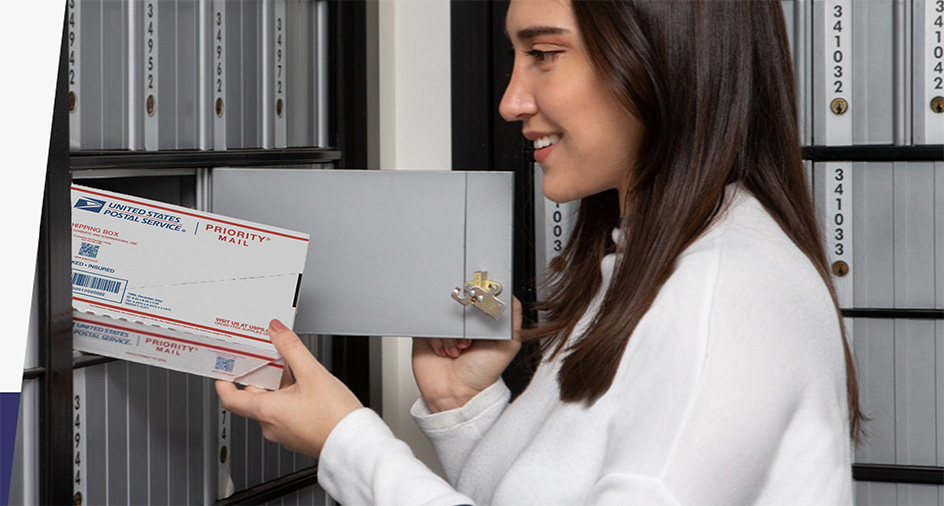
At its core, a P.O. Box (Post Office Box) is a uniquely addressable, lockable receptacle located within the premises of a United States Postal Service (USPS) facility or a private mail center. However, from a financial perspective, it is a low-cost subscription service that provides a fixed physical point for the secure transit of financial documents, checks, and high-value assets.
The Mechanics and Accessibility of Mail Management
When you rent a P.O. Box, you are essentially leasing space within federal or private infrastructure. This lease allows you to direct sensitive financial correspondence—such as tax returns, bank statements, and investment portfolios—to a secure location that is monitored 24/7. For a small business owner operating out of a home office, this creates a vital separation between personal living space and business operations.
By centralizing mail in a P.O. Box, you mitigate the risk of “porch piracy” or mail theft, which costs Americans billions of dollars annually in stolen goods and compromised identity data. The financial “premium” paid for the box acts as a form of insurance against the much higher costs of rectifying identity fraud or replacing stolen checks.
Analyzing the Cost Structure of Different Box Sizes
The financial commitment of a P.O. Box is not one-size-fits-all. USPS and private carriers offer a tiered pricing model based on the volume of mail you expect to receive. Choosing the wrong size can lead to unnecessary overhead or “overflow” fees.
- Size 1 (Extra Small): Ideal for individuals or digital nomads who primarily receive letters and credit card statements. This is the most cost-effective entry point.
- Size 2 (Small): Suitable for small businesses that receive a steady stream of invoices and occasional small packages.
- Size 3 (Medium): A middle-ground investment for businesses that handle larger envelopes and regular product samples.
- Size 4 & 5 (Large/Extra Large): High-capacity options for established e-commerce entities. While the monthly cost is higher, the financial benefit lies in avoiding the logistical nightmare of redirected or returned-to-sender packages.
The ROI of Privacy: Protecting Assets and Reducing Liability
In the world of finance, risk management is everything. Using your home address for business purposes exposes you to a variety of financial risks that a P.O. Box can help mitigate. When your home address is public, you are vulnerable to targeted scams, unsolicited solicitations, and even physical security threats that can lead to property devaluation or high-cost legal disputes.
Mitigating the Risk of Identity Theft and Financial Fraud
Identity theft is one of the most expensive financial hurdles an individual can face. Criminals often use “dumpster diving” or mail theft to find pre-approved credit offers, bank account numbers, and Social Security information. A P.O. Box provides a secure, locked environment that significantly reduces the surface area for these attacks.
From a financial planning perspective, the annual cost of a P.O. Box—often ranging from $60 to $300 depending on location and size—is a negligible price to pay for the security of your financial identity. Recovering from identity theft can cost thousands of dollars in legal fees, lost wages, and credit repair services, making the P.O. Box a high-ROI preventative measure.
Professionalizing Your Business Entity for Better Credit Access
For a startup or a side hustle, financial growth is often dependent on the ability to secure business credit or external funding. Lenders and credit bureaus look for signs of stability and professionalism. While a residential address is acceptable, a dedicated mailing address suggests a level of permanence and seriousness.
Furthermore, many private mail centers now offer “Street Addressing,” which allows you to use the post office’s physical address followed by your box number (e.g., 123 Main St, #456). This makes your business look like it has a suite in a commercial building. This subtle shift in branding can impact your business’s creditworthiness and its ability to negotiate better terms with suppliers, ultimately improving your bottom line.

Comparing Costs: USPS P.O. Boxes vs. Virtual Mailboxes and Private Carriers
When deciding where to allocate your budget for mail management, it is crucial to compare the various providers. Each has a different impact on your cash flow and operational efficiency.
USPS Pricing Models and Payment Cycles
The USPS is generally the most affordable option for a physical box. They offer flexible payment cycles, typically 3-month, 6-month, or 12-month terms. Choosing a longer term often results in a discounted monthly rate, allowing for better long-term financial forecasting.
However, a major limitation of a standard USPS P.O. Box is that it typically only accepts mail delivered via the Postal Service. If your business relies on deliveries from FedEx, UPS, or DHL, a standard USPS box may result in missed deliveries and lost revenue. To solve this, you would need to opt for a box with “Premium PO Box Services,” which may carry a different cost structure.
The Upside of Virtual Mailboxes for Digital Nomads
For the modern “solopreneur” or digital nomad, a physical P.O. Box might be a stranded asset if they are constantly traveling. In this case, a Virtual Mailbox is a superior financial tool. These services receive your mail, scan the envelopes, and allow you to view them via an app.
While the monthly subscription for a virtual mailbox is higher than a standard P.O. Box (often $15–$50 per month), the financial benefit is found in the “anywhere access.” You can authorize the service to shred junk mail (saving you time, which is money) or forward important checks to your current location. For a high-earning consultant, the billable hours saved by not having to visit a physical post office far outweigh the higher subscription fee.
Tax Implications and Business Legality
Understanding the intersection of P.O. Boxes and tax law is vital for maintaining financial compliance and maximizing deductions.
Using a P.O. Box for Tax Filing and Invoicing
The IRS and state tax authorities allow you to use a P.O. Box as your mailing address for tax returns and correspondence. This ensures that sensitive tax documents—which contain your most private financial data—do not sit in an unsecured home mailbox.
Additionally, if you are a freelancer or small business owner, the cost of your P.O. Box is generally a 100% tax-deductible business expense. Because it is used exclusively for business purposes, you can write off the rental fees, the cost of the keys, and the mileage driven to check the mail as part of your “Operating Expenses” on Schedule C. This reduces your taxable income, providing a direct financial return on the cost of the box.
Understanding the Limitations for LLC Registration
A common financial mistake made by new entrepreneurs is assuming a P.O. Box can serve as their official “Registered Office” or “Registered Agent” address when forming an LLC or Corporation. Most states require a physical street address for legal service of process.
Attempting to use a P.O. Box for this purpose can result in the rejection of your filing or, worse, a “failure to maintain a registered agent” status, which can lead to the administrative dissolution of your company and the loss of your limited liability protection. To protect your personal assets, you must invest in a Registered Agent service or use a physical business address for filings, while using the P.O. Box for all other financial and commercial correspondence.

Conclusion: Is a P.O. Box Worth the Expense?
In the final analysis, a P.O. Box is more than just a place to store paper; it is a fundamental component of a secure and professional financial strategy. For individuals, it serves as a low-cost firewall against identity theft and asset compromise. For businesses, it is a tool for professionalization, credit-building, and operational efficiency.
While there is a recurring cost involved, the potential savings—realized through tax deductions, the prevention of fraud, and the avoidance of lost packages—make it a sound financial decision. Whether you choose a traditional USPS box, a private carrier, or a high-tech virtual mailbox, the goal remains the same: to create a secure, reliable, and professional channel for the lifeblood of your financial world.
aViewFromTheCave is a participant in the Amazon Services LLC Associates Program, an affiliate advertising program designed to provide a means for sites to earn advertising fees by advertising and linking to Amazon.com. Amazon, the Amazon logo, AmazonSupply, and the AmazonSupply logo are trademarks of Amazon.com, Inc. or its affiliates. As an Amazon Associate we earn affiliate commissions from qualifying purchases.