
In the landscape of modern technology, we often speak of fiber optics, 5G latency, and high-speed processors. However, the most sophisticated communication network on the planet is not housed in a data center in Silicon Valley; it is housed within the human body. Nerve conduction—the process by which electrical impulses travel along a nerve fiber—is the biological equivalent of data transmission. For the tech industry, understanding nerve conduction is no longer just the domain of doctors; it has become the foundation for the next generation of Brain-Computer Interfaces (BCIs), neural engineering, and bio-electronic medicine.
As we move toward a future where the lines between biology and silicon blur, nerve conduction represents the ultimate “interface.” By decoding how our nerves transmit signals, tech innovators are building tools that allow paralyzed individuals to control robotic limbs with their thoughts, creating wearables that monitor stress via the nervous system, and developing AI models that mimic the efficiency of human neural pathways.
The Architecture of Biological Data: How Nerve Conduction Functions
To understand nerve conduction through a technical lens, one must view the nervous system as a complex series of biological circuits. At its core, nerve conduction is the movement of an action potential—a brief electrical charge—down an axon. This is not a simple flow of electrons like electricity in a copper wire; rather, it is a sophisticated electrochemical process managed by ion channels.
The Biological Circuitry: Neurons and Axons
Think of a neuron as a biological transistor. It receives inputs (signals) via dendrites, processes them in the cell body, and, if the signal reaches a certain threshold, “fires” an output down the axon. The speed and efficiency of this transmission are determined by the “insulation” of the wire, known as the myelin sheath. In the tech world, we call this signal integrity. When the myelin is healthy, signals leap across gaps (Nodes of Ranvier) at incredible speeds—up to 120 meters per second.
Signal Propagation and Latency
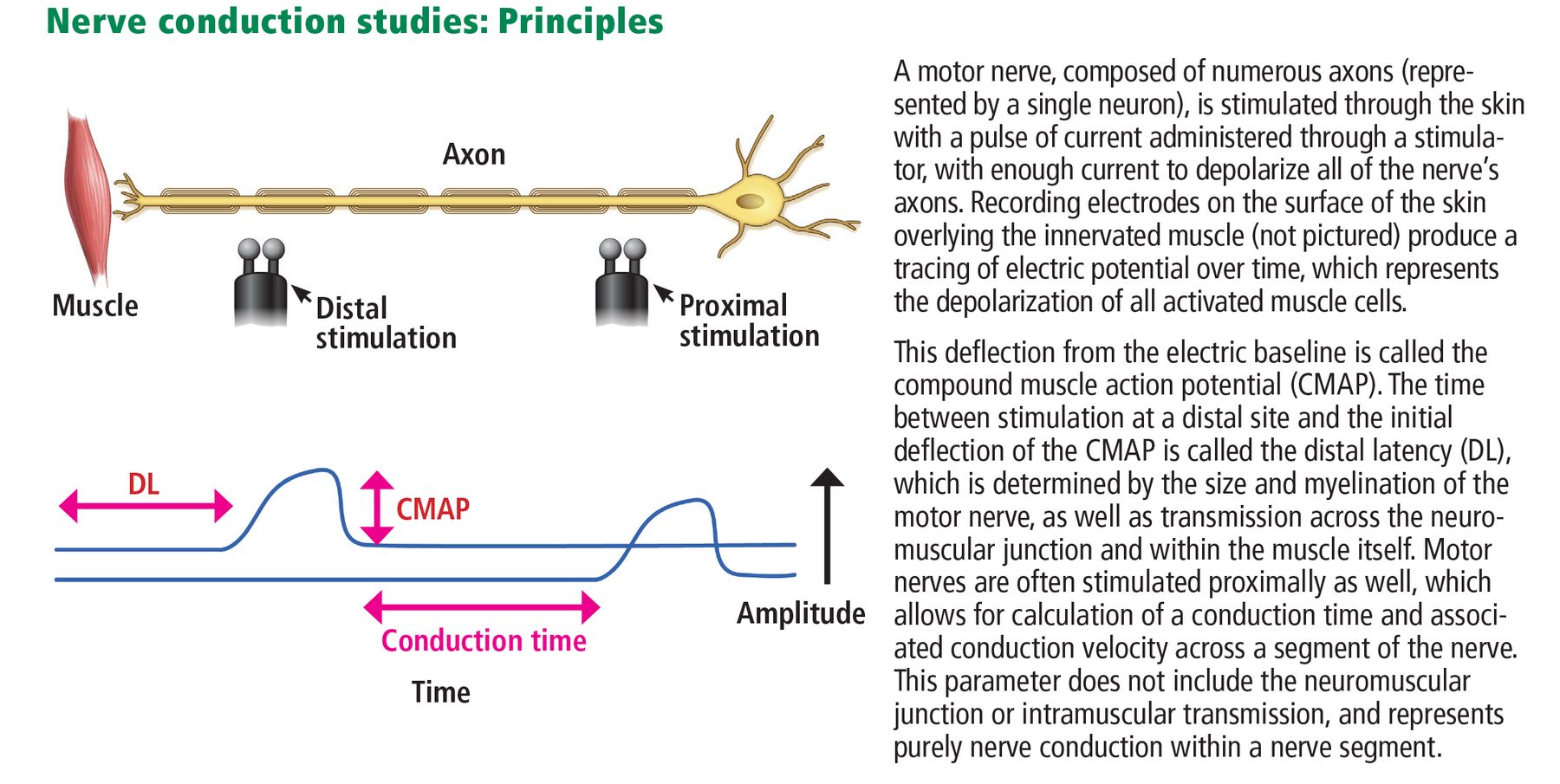
In computing, latency is the delay before a transfer of data begins following an instruction. In nerve conduction, latency is a critical diagnostic metric. If a nerve is compressed or damaged, the “bandwidth” of the biological signal decreases, and the latency increases. Engineers developing prosthetic limbs must account for this biological latency to ensure that the “software” (the brain’s intent) translates into “hardware” (the robotic hand’s movement) with a seamless, real-time feel.
The Role of Ion Channels as Logic Gates
From a software engineering perspective, ion channels act as the logic gates of the human body. They determine whether a signal passes or is inhibited based on chemical and electrical triggers. This binary-like state—firing or not firing—is the inspiration behind neuromorphic computing, a field of hardware design that seeks to create chips that process information exactly like a human nerve, prioritizing energy efficiency and parallel processing.
Diagnostic Tech: Measuring the Body’s Electrical Integrity
The technology used to measure nerve conduction is among the most vital segments of the medical-tech market. Nerve Conduction Velocity (NCV) tests are essentially “network diagnostic tools” for the human body. By using specialized hardware and software, technicians can map the speed and strength of electrical signals to identify “bugs” or “system failures” in the peripheral nervous system.
The Hardware of NCV Testing
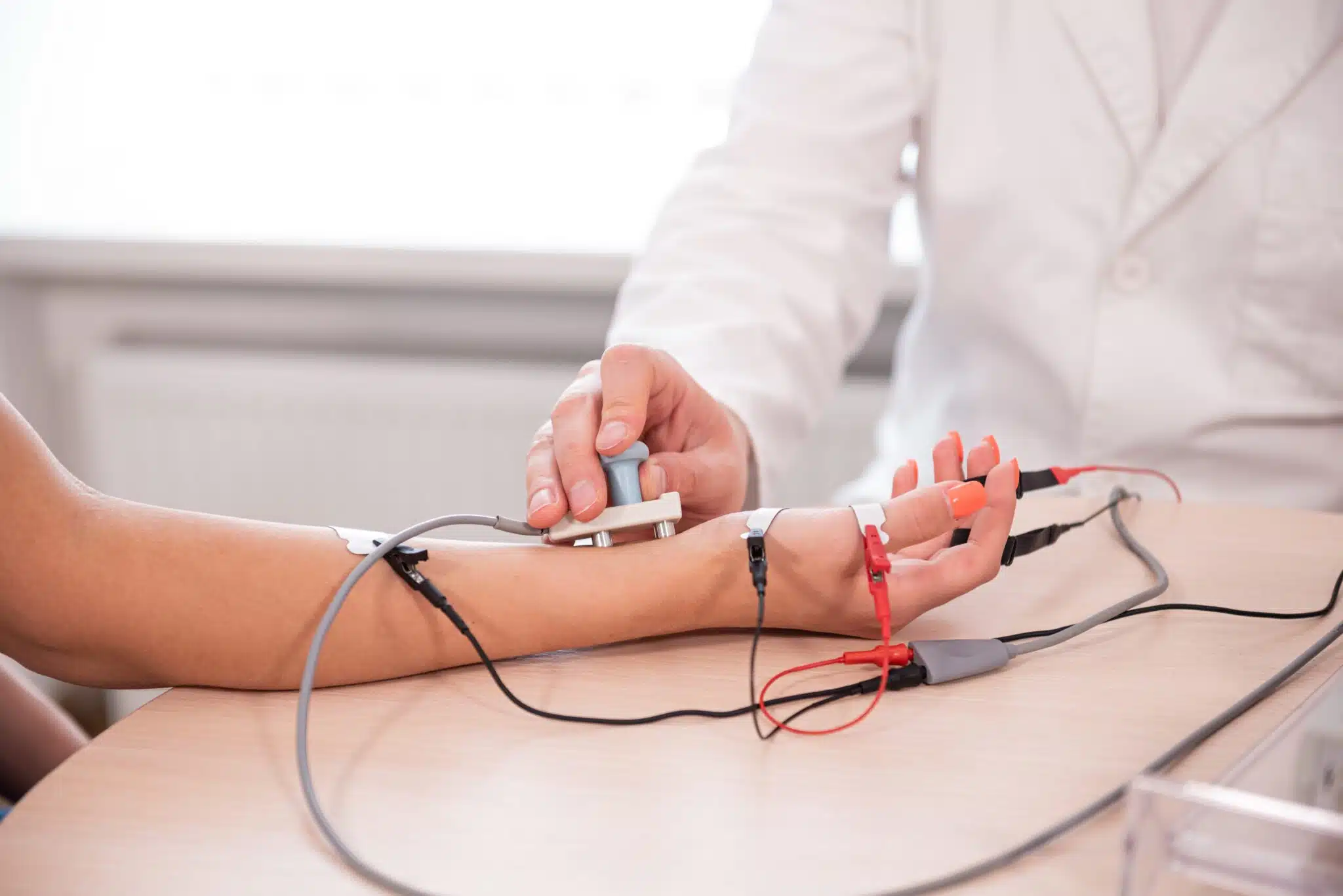
A standard NCV setup involves surface electrodes (the sensors) and a stimulator. The stimulator sends a controlled electrical pulse into the nerve, while the recording electrodes measure the time it takes for the signal to travel to a second point. This setup is a classic example of a closed-loop data acquisition system. The precision required for these sensors is immense, as the signals being measured are in the millivolt range, requiring sophisticated noise-filtering algorithms to separate the neural signal from ambient electrical interference.
Digital Signal Processing (DSP) in Neurology
Once the raw electrical data is captured, it undergoes Digital Signal Processing. Modern NCV software uses complex algorithms to calculate the amplitude and duration of the Motor Unit Action Potential (MUAP). Tech companies are now integrating Machine Learning (ML) into this process. By training models on thousands of NCV results, AI can now predict the onset of conditions like carpal tunnel syndrome or peripheral neuropathy with higher accuracy than manual observation, effectively providing “predictive maintenance” for the human body.

Portable and Wearable Diagnostic Tools
We are currently seeing a shift from bulky, clinic-bound NCV machines to portable, point-of-care tech. Innovations in micro-circuitry have allowed for the development of handheld nerve-testing devices. Furthermore, consumer-grade wearables are beginning to experiment with Electromyography (EMG) and nerve-sensing tech to track muscle fatigue and neural recovery in athletes, turning complex biological data into actionable insights on a smartphone app.
The Convergence of AI and Neurotechnology
The most exciting technological frontier involving nerve conduction is the development of Brain-Computer Interfaces (BCIs). This is where the “code” of the human nervous system meets the code of the digital world. By tapping into nerve conduction pathways, tech companies are creating a direct link between human thought and digital action.
Neuralink and the High-Bandwidth Future
Companies like Elon Musk’s Neuralink and competitors like Synchron are focused on increasing the “bandwidth” of the interface between the brain and computers. By placing electrodes directly near neural pathways, these devices can intercept nerve signals as they fire. This requires massive computational power to decode the high-frequency “noise” of the brain into specific commands, such as moving a cursor or typing text. This is essentially the ultimate translation layer: converting biological nerve conduction into binary machine code.
Haptic Feedback and Neural Loops
Tech isn’t just listening to nerves; it’s talking back to them. Advanced prosthetics now utilize “haptic feedback,” where sensors on a robotic fingertip send electrical signals back into the wearer’s remaining nerves. This stimulates nerve conduction that the brain interprets as “touch.” Creating this bidirectional data flow is a monumental task in sensor technology and signal modulation, requiring precise control to ensure the artificial signal feels “natural” to the user.
Neuromorphic Computing: Building Chips that “Think”
Beyond direct interfaces, the study of nerve conduction is revolutionizing AI hardware. Standard silicon chips are excellent at linear calculations but struggle with the massive parallel processing the human brain handles effortlessly. Neuromorphic engineering aims to create “Spiking Neural Networks” (SNNs) that mimic the way nerves fire only when they reach a specific electrical threshold. This technology promises to reduce the energy consumption of AI data centers by orders of magnitude, making AI more sustainable and faster.
Security, Ethics, and the Future of Neural Data
As nerve conduction becomes a data stream that we can record, store, and analyze, it enters the realm of digital security and privacy. If our neural signals are the ultimate identifier, how do we protect that data from being “hacked” or misused?
The Rise of Neural Privacy
Neural data is the most intimate form of information. Unlike a password or a fingerprint, your nerve conduction patterns—how you react to stimuli or the specific electrical signature of your gait—are inherently tied to your biology. As BCI tech becomes mainstream, cybersecurity experts are raising alarms about “brainjacking,” where malicious actors could theoretically intercept or even manipulate neural signals. This has led to the emergence of “Neuro-rights,” a tech-ethical framework designed to ensure that a person’s biological data remains their own.
The Bio-Electronic Medicine Revolution
We are also seeing the rise of “electroceuticals”—tech devices that treat chronic diseases by modulating nerve conduction. Instead of using chemicals (pills) to treat an overactive immune system or chronic pain, small implanted gadgets send specific electrical frequencies to the vagus nerve to “reprogram” the body’s response. This represents a massive shift in the med-tech industry, moving from chemical intervention to hardware-based biological hacking.
Conclusion: The Human Body as the Ultimate Platform
What is nerve conduction? In the context of the 21st century, it is the fundamental protocol of human existence. It is the bio-electrical highway that makes every movement, thought, and sensation possible. For the technology sector, it represents the next great platform.
From the diagnostic tools that monitor our “system health” to the BCIs that allow us to communicate with machines, nerve conduction is the bridge between our biological past and our digital future. As we continue to refine the hardware and software required to interface with our nerves, we are not just building better gadgets; we are redefining what it means to be human in a connected world. The integration of AI, high-speed data processing, and neural engineering ensures that the study of nerve conduction will remain at the absolute cutting edge of technological innovation for decades to come.
aViewFromTheCave is a participant in the Amazon Services LLC Associates Program, an affiliate advertising program designed to provide a means for sites to earn advertising fees by advertising and linking to Amazon.com. Amazon, the Amazon logo, AmazonSupply, and the AmazonSupply logo are trademarks of Amazon.com, Inc. or its affiliates. As an Amazon Associate we earn affiliate commissions from qualifying purchases.