
In the traditional marketing lexicon, the “middle-aged woman” was often relegated to a narrow, uninspired category. She was the target for laundry detergents, anti-aging creams that promised to “fix” her, and perhaps life insurance. However, as we navigate the third decade of the 21st century, the definition of the middle-aged woman has undergone a radical transformation. In the world of brand strategy and corporate identity, she is no longer a demographic to be ignored or patronized; she is the most powerful economic force in the global marketplace.

To understand “what is a middle-aged woman” in a professional branding context, we must look beyond biological age—typically cited as the range between 40 and 65—and instead examine her psychographics, her purchasing power, and her evolving role as a cultural tastemaker. This article explores how brands are redefining this demographic, shifting from stereotypical tropes to nuanced, authentic brand identities that resonate with the modern woman in her prime.
1. Defining the Demographic Beyond the Age Bracket
For decades, brands operated on a linear understanding of life stages. Middle age was viewed as a “waiting room” for senior citizenship. Modern brand strategy, however, has pivoted toward a more fluid interpretation. Today, the middle-aged woman is defined not by her wrinkles, but by her “perennial” nature—a term coined by tech entrepreneur Gina Pell to describe people of all ages who continue to grow, stay curious, and remain relevant.
The Shift from Demographic to Psychographic
In branding, a demographic tells you who is buying, but a psychographic tells you why. For the middle-aged woman, the “why” has changed. She is often at the peak of her professional career, possessing a level of confidence and self-assurance that younger cohorts are still developing. Brands that succeed today are those that market to her mindset—adventure, autonomy, and intellectual growth—rather than her age. This shift requires a brand identity that prioritizes “betterment” over “anti-aging,” focusing on what she can gain rather than what she is losing.
The Economic Powerhouse: Why Brands Are Tuning In
From a business finance and marketing perspective, the middle-aged woman is a titan. In the United States alone, women over 50 control a massive portion of the country’s net worth. They are responsible for the majority of household purchasing decisions, ranging from healthcare and automotive choices to travel and technology. A brand strategy that fails to engage this demographic is, quite literally, leaving trillions of dollars on the table. For modern corporations, defining the middle-aged woman means identifying the “Chief Household Officer” who manages multi-generational wealth and consumption.
2. Breaking the Stereotype: From “Invisible” to “Influential”
One of the most significant hurdles in branding for middle-aged women has been the “invisibility factor.” Historically, as women aged, they disappeared from advertisements, or were replaced by younger models even in products meant for older consumers. Modern branding is dismantling this erasure by embracing radical authenticity.
The Death of the ‘Frumpy’ Persona
The old brand archetype of the “middle-aged woman” was often depicted as tired, technologically illiterate, or solely focused on domestic chores. Contemporary brand strategy has replaced this with the “High-Value Woman.” This persona is active, tech-savvy, and aesthetically conscious. Brands like Nike and Athleisure giants have recognized that women in their 50s are running marathons and attending yoga retreats. By reflecting this vitality in their visual identity and messaging, these brands are tapping into an aspirational yet attainable reality.
Authenticity as a Brand Pillar
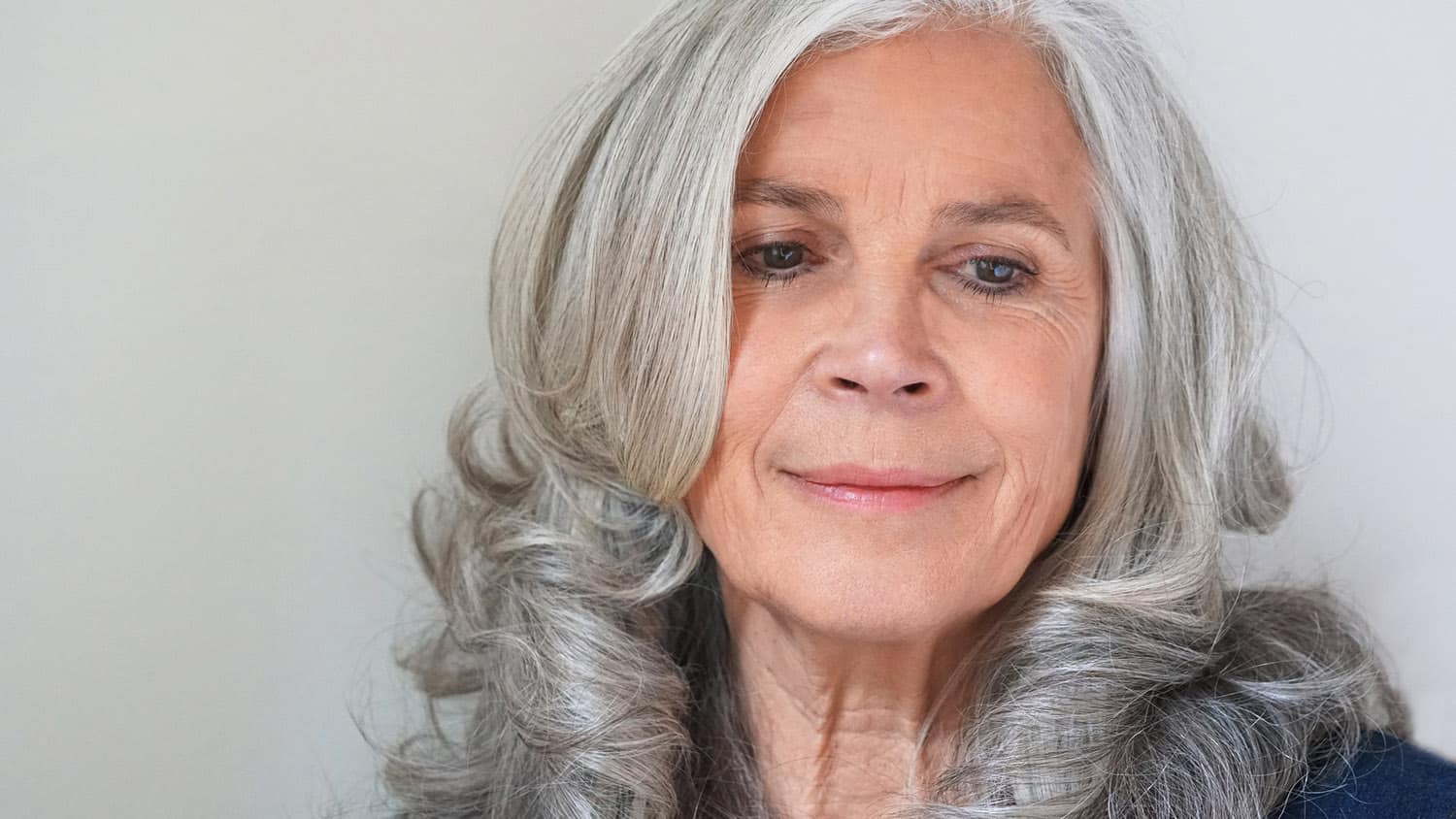
Authenticity is the currency of modern marketing. Middle-aged women have high “marketing literacy”—they have seen every gimmick and can spot an insincere campaign from a mile away. Brand strategy for this niche now requires a “no-filter” approach. This includes using models who actually represent the age group, featuring unretouched skin, and addressing real-life transitions like menopause or the “empty nest” syndrome with dignity rather than shame. When a brand treats these topics with professional transparency, it builds a level of brand loyalty that is nearly impossible to break.
3. The “Sandwich Generation” Narrative in Marketing

A defining characteristic of the middle-aged woman in today’s economy is her position as part of the “Sandwich Generation.” She is often simultaneously caring for aging parents and supporting adult or adolescent children. This unique position makes her a central node in a complex web of influence.
Balancing Multi-Generational Influence
When a brand develops a strategy for the middle-aged woman, they are often inadvertently marketing to three generations. She influences the brand preferences of her Gen Z children and her Boomer parents. For example, in the automotive and real estate sectors, brand identity must appeal to her need for versatility. She needs a vehicle that can haul sports equipment but is also comfortable for an elderly passenger. Brands that position themselves as “enablers of care and connection” resonate deeply with her current life reality.
Emotional Connectivity and Trust
Because her life is often characterized by high-pressure responsibilities, she gravitates toward brands that offer simplicity, reliability, and emotional resonance. Brand strategy here isn’t just about the product; it’s about the “peace of mind” the brand provides. Whether it’s a financial institution or a skincare line, the messaging must emphasize that the brand is a partner in her journey. This creates a “trust equity” that allows the brand to weather economic downturns, as she will stick with the names she trusts to simplify her complex life.
4. Digital Engagement and the Modern Consumer Identity
There is a persistent myth in some legacy brand circles that middle-aged women are not digitally active. The data suggests the exact opposite. Middle-aged women are among the fastest-growing segments on platforms like Instagram and Pinterest, and they are increasingly influential on TikTok through the “Midlife Influencer” movement.
The Rise of the ‘Silver Influencer’
The “Influencer” is no longer a 22-year-old in a bikini. A new tier of personal branding has emerged: the 50+ influencer who shares fashion tips, career advice, and wellness routines. Brands are now shifting their budgets toward these creators because their followers—mostly other middle-aged women—possess the disposable income that younger audiences lack. This shift has changed the “Brand Voice” of many companies to be more sophisticated, articulate, and grounded in lived experience.
Community-Centric Branding
Middle-aged women often seek community as they navigate life transitions. Successful brands are moving away from transactional relationships and toward community-building. This involves creating digital spaces, forums, or local events where women can connect. In this context, the “middle-aged woman” is defined as a member of a tribe. A brand that facilitates this connection ceases to be a mere commodity and becomes a lifestyle staple.
5. Future-Proofing Your Brand for the Midlife Market
As the global population ages, the “middle-aged” demographic will only grow in size and influence. Future-proofing a brand requires a long-term commitment to understanding the evolving needs of this group.
Personalization Through AI and Data
In the tech-driven landscape of modern branding, data is key. Middle-aged women value personalization. They don’t want a “one size fits all” approach; they want products tailored to their specific hormonal changes, career stages, or fitness levels. Brand strategies that leverage data to provide bespoke experiences—without being intrusive—will win the lion’s share of the market. This involves using AI to predict her needs before she even articulates them, moving the brand from a reactive to a proactive stance.
Long-term Loyalty Strategies
Finally, the “middle-aged woman” is the ultimate prize for brand loyalty. Unlike younger consumers who may be more prone to brand-switching based on trends, the 45-60-year-old consumer is looking for a brand “home.” If a brand proves its value, quality, and respect for her intelligence, she will remain a customer for decades. Corporate identity must therefore focus on “longevity” and “legacy.” A brand that grows with her, rather than trying to keep her stuck in the past, ensures its own relevance in an ever-changing marketplace.
In conclusion, “what is a middle-aged woman” is a question that every modern brand strategist must answer with depth and respect. She is an economic titan, a multi-generational influencer, a tech-savvy consumer, and a seeker of authenticity. By moving away from outdated stereotypes and embracing a sophisticated, psychographic-led approach, brands can unlock the immense potential of this often-overlooked demographic. The future of branding is not just young and trendy; it is mature, affluent, and empowered.
aViewFromTheCave is a participant in the Amazon Services LLC Associates Program, an affiliate advertising program designed to provide a means for sites to earn advertising fees by advertising and linking to Amazon.com. Amazon, the Amazon logo, AmazonSupply, and the AmazonSupply logo are trademarks of Amazon.com, Inc. or its affiliates. As an Amazon Associate we earn affiliate commissions from qualifying purchases.