
In the modern marketplace, a brand is far more than a logo, a color palette, or a catchy slogan. It is a living, breathing entity defined by the collective behavior, values, and performance of the people who represent it. At the heart of building a world-class brand lies a specialized discipline that bridges the gap between human behavior and business excellence: Industrial and Organizational (I/O) Psychology.
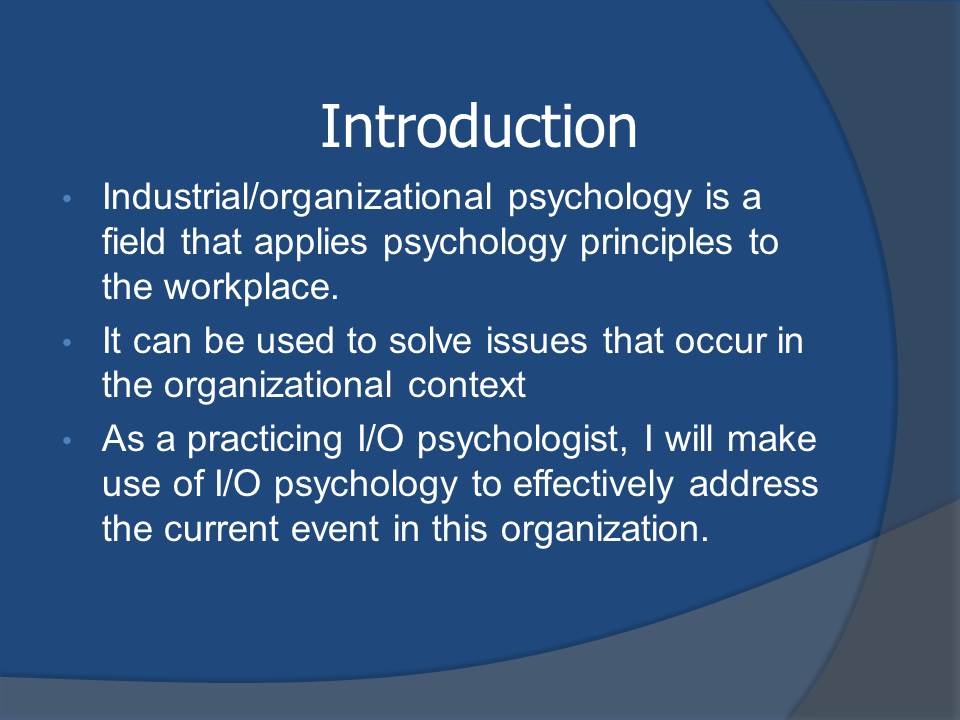
Industrial and Organizational Psychology is the scientific study of human behavior in organizations and the workplace. While often categorized under the broad umbrella of Human Resources, its application within Brand Strategy is profound. It focuses on deriving principles of individual, group, and organizational behavior and applying this knowledge to the solution of problems at work. For a brand, I/O psychology is the “internal engine” that ensures the promise made to the customer is actually delivered by the workforce. By understanding the psychological drivers of employees, companies can build a corporate identity that is authentic, resilient, and magnetic.
The Internal Engine of Brand Strategy: Why I/O Psychology Matters
To understand why I/O psychology is essential for brand strategy, one must first recognize that a brand is built from the inside out. If a company’s internal culture is fractured, its external brand will eventually reflect that instability. I/O psychologists serve as the architects of this internal structure, ensuring that every “brand representative”—from the CEO to the front-line staff—is psychologically aligned with the company’s core identity.
Defining the “I” and the “O” in Branding
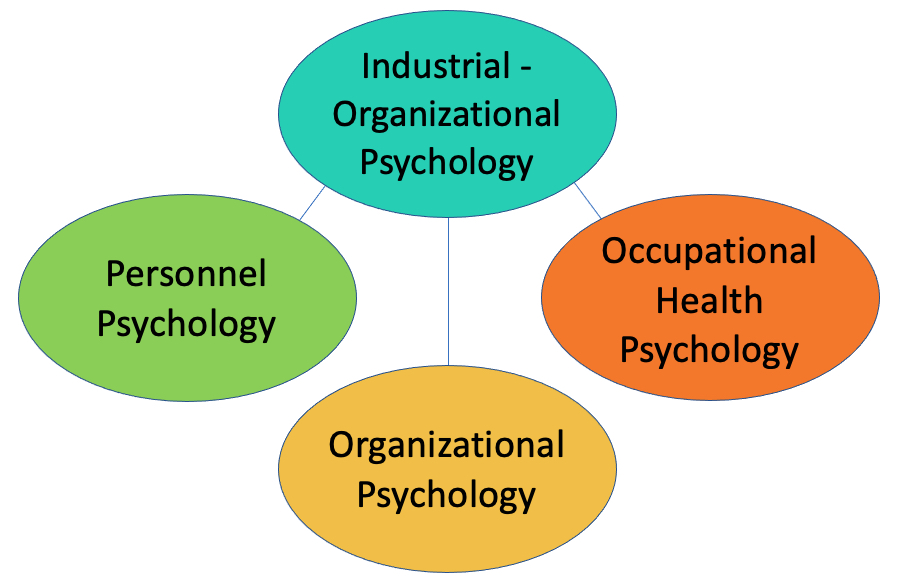
The “Industrial” (or personnel) side of the field focuses on how to best match individuals to specific job roles. From a brand perspective, this is about “Brand Fit.” It involves job analysis, recruitment, selection, and performance appraisal. When a brand hires people whose personal values mirror the brand’s values, the marketing becomes effortless.
The “Organizational” side shifts the focus to the health of the company as a whole. It examines how the organization’s structures, social norms, and management styles influence behavior. This is where “Brand Culture” is born. An organizational psychologist looks at how to foster an environment where the brand’s mission isn’t just a statement on a website, but a lived experience for every employee.
The Psychology of Brand Consistency
Consistency is the cornerstone of successful branding. However, maintaining consistency across thousands of employees requires more than just a handbook; it requires psychological buy-in. I/O psychology utilizes behavioral science to ensure that the brand’s promise is consistently executed. Through systematic training and development, employees are taught not just what to do, but why their actions are vital to the brand’s integrity. This creates a psychological contract between the employee and the brand, fostering a sense of ownership that transcends a simple paycheck.
Moving from Human Resources to Brand Asset Management
In the past, employees were viewed as costs to be managed. In the world of high-level branding, they are viewed as the brand’s most valuable assets. I/O psychology provides the tools to manage these assets scientifically. By using data-driven insights to improve employee satisfaction and engagement, organizations ensure that their “Brand Ambassadors” are motivated to represent the company positively in every customer interaction.
Employer Branding: The Science of Attracting and Retaining Top Talent
In a competitive global economy, the battle for market share is preceded by the battle for talent. “Employer Branding” is the process of promoting an organization as the employer of choice to a desired target group. I/O psychology provides the scientific framework to make this branding authentic and effective.
The Employee Value Proposition (EVP)
A brand’s EVP is the unique set of benefits an employee receives in return for the skills and experiences they bring to a company. I/O psychologists help define this by conducting deep-dive research into what current and potential employees truly value. Is the brand’s identity tied to innovation, stability, or social impact? By aligning the EVP with the actual psychological needs of the workforce, a brand can attract “high-fit” talent that will reinforce the brand’s market position.
Recruitment as a Marketing Touchpoint
Every interaction a candidate has with a company is a brand experience. I/O psychology optimizes the recruitment process to ensure it reflects the brand’s sophistication and values. For instance, if a brand prides itself on being “cutting-edge” and “user-friendly,” but has a cumbersome, archaic application process, the brand image is damaged before the first interview. Psychometric testing and structured interviews, designed by I/O experts, ensure that the selection process is fair, professional, and on-brand.
Retention and the Cost of Brand Erosion
High turnover is a silent brand killer. It leads to inconsistent service, loss of institutional knowledge, and a diluted culture. I/O psychology addresses retention through the study of job satisfaction and organizational commitment. By implementing psychological interventions—such as career development paths, recognition programs, and work-life balance initiatives—brands can keep their best people. A stable workforce is a hallmark of a premium brand; it signals to the market that the company is a leader worth following.
Organizational Culture: Building a Cohesive Corporate Identity
If brand strategy is the “external face,” then organizational culture is the “internal soul.” A brand cannot sustain a premium external image if its internal culture is toxic. I/O psychology focuses heavily on Organizational Development (OD) to ensure that the corporate identity is cohesive and healthy.
Values-Based Leadership
Culture is often a reflection of leadership. I/O psychologists work with executives to develop leadership styles that are congruent with the brand. If a brand is marketed as “transparent and honest,” the leadership must practice radical transparency within the office. I/O psychology uses 360-degree feedback and coaching to help leaders identify gaps between their behavior and the brand’s stated values, ensuring that the corporate identity is modeled from the top down.
The Role of Internal Communications
For a brand to function as a single unit, communication must be psychological, not just informational. It’s about creating a narrative that employees want to be a part of. I/O psychology helps design internal communication strategies that boost morale and foster a sense of belonging. When employees understand the “Brand Story” and their specific role in it, they move from being workers to being stakeholders.
Managing Change Without Diluting the Brand
In an era of rapid digital transformation, brands must evolve or die. However, change often causes anxiety and resistance. I/O psychology provides the roadmap for “Change Management.” By understanding the psychological stages of transition, organizations can pivot their brand strategy—perhaps moving from a traditional model to a tech-first model—without losing their core identity or alienating their loyal workforce.
Measuring Brand Health Through Psychometrics and Analytics
One of the most powerful contributions of I/O psychology to the world of branding is the introduction of scientific measurement. We no longer have to guess if a brand’s culture is healthy; we can measure it.
Climate and Culture Audits
I/O psychologists use sophisticated surveys and diagnostic tools to perform “Culture Audits.” These audits measure variables such as employee engagement, perceived organizational support, and psychological safety. A high score in these areas is a leading indicator of brand strength. Conversely, a dip in these metrics often predicts a future decline in customer satisfaction and brand equity.
Performance Management as Brand Alignment
Traditional performance reviews are often dreaded and ineffective. I/O psychology replaces them with performance management systems that link individual goals directly to the brand’s strategic objectives. When an employee’s “Key Performance Indicators” (KPIs) are aligned with the brand’s “Key Brand Attributes,” every task performed contributes to the strengthening of the corporate identity.
The Future of I/O Psychology in Branding
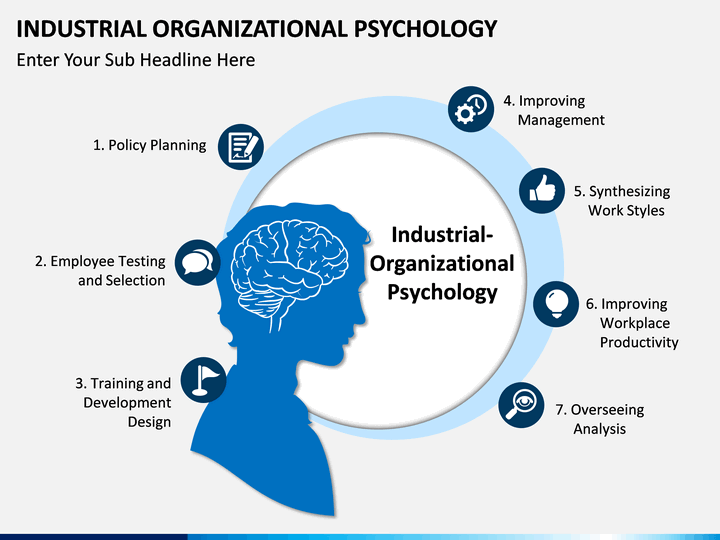
As we look toward the future, the intersection of I/O psychology and branding will only deepen. With the rise of remote work and the “gig economy,” maintaining a unified brand culture is more challenging than ever. I/O psychologists are now focusing on “virtual organizational behavior,” finding new ways to foster brand loyalty and cohesion across digital interfaces.
In conclusion, Industrial and Organizational Psychology is the invisible force that gives a brand its substance. It ensures that the brand is not just a facade, but a robust system of aligned individuals working toward a common purpose. By applying the rigors of behavioral science to the art of branding, companies can create an identity that is not only profitable but also profoundly impactful and enduring. Whether it is through optimizing recruitment, fostering a high-performance culture, or ensuring leadership integrity, I/O psychology is the ultimate tool for building a brand that truly matters.
aViewFromTheCave is a participant in the Amazon Services LLC Associates Program, an affiliate advertising program designed to provide a means for sites to earn advertising fees by advertising and linking to Amazon.com. Amazon, the Amazon logo, AmazonSupply, and the AmazonSupply logo are trademarks of Amazon.com, Inc. or its affiliates. As an Amazon Associate we earn affiliate commissions from qualifying purchases.