
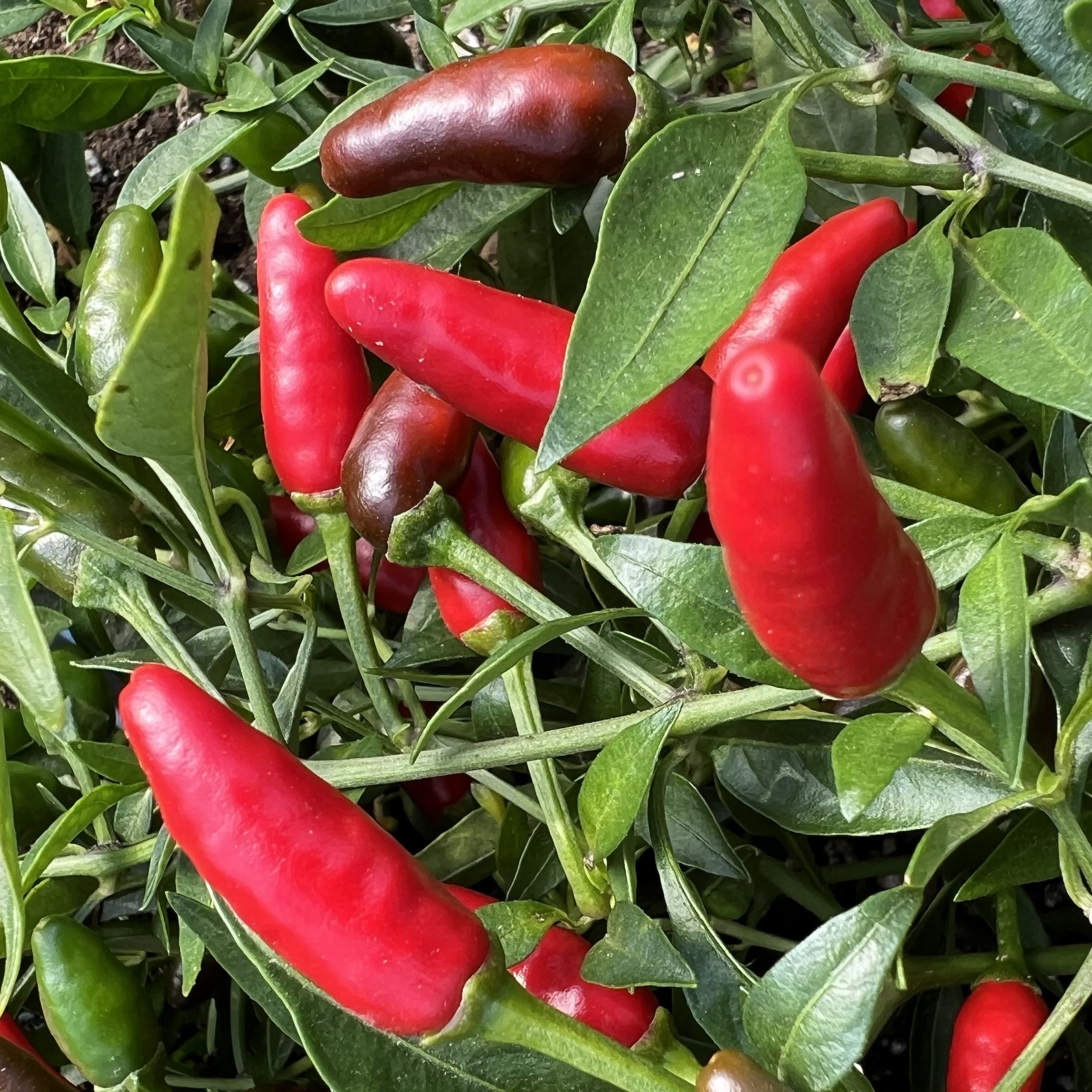
In the contemporary landscape of global commerce, few culinary elements have successfully transitioned from a regional staple to a multi-billion-dollar brand identity as effectively as Piri Piri. To the uninitiated, the question “what is in Piri Piri?” might prompt a list of ingredients: African Bird’s Eye chilies, citrus peel, onion, pepper, garlic, and salt. However, from a brand strategy perspective, the “ingredients” of Piri Piri are far more complex. They comprise a mixture of colonial history, cross-cultural storytelling, aggressive market positioning, and a masterclass in corporate identity.

When we examine the anatomy of the Piri Piri brand, we are looking at a template for how a commodity can be transformed into a lifestyle. This article explores the strategic elements that constitute the Piri Piri brand, analyzing how it has been packaged, marketed, and scaled across the globe.
The Ingredients of Brand Identity: More Than Just Spice
The success of any brand lies in its narrative. For Piri Piri, the brand identity is built on a foundation of “Authentic Fusion.” It is not merely a sauce; it is a story of global exploration and the blending of worlds.
Historical Roots as a Foundational Narrative
A brand’s heritage is its most valuable intangible asset. The Piri Piri narrative begins with the Portuguese explorers in the 15th and 16th centuries who discovered the Capsicum chinense in the Americas and brought it to their African territories, specifically Mozambique and Angola. There, the chili adapted to the local terroir, becoming the Peri-Peri or African Bird’s Eye chili.
Marketers leverage this history to create a sense of “provenance.” In branding, provenance provides a seal of authenticity that justifies a premium price point. By connecting a bottle of sauce or a restaurant experience to this centuries-old journey, brands transform a condiment into a piece of cultural history.
The Cultural Fusion Strategy
The Piri Piri brand operates at the intersection of Portuguese flair and African soul. This “dual-citizenship” branding allows it to appeal to diverse demographics. It avoids the pitfalls of being “too niche” by presenting a flavor profile that is both exotic and accessible. Strategically, this fusion allows brands to utilize visual cues from both cultures—vibrant African patterns and traditional Portuguese azulejos (tiles)—to create a cohesive, recognizable aesthetic that stands out in a crowded marketplace.
The Nando’s Effect: A Case Study in Corporate Identity Scaling
You cannot discuss the brand of Piri Piri without analyzing Nando’s. Founded in 1987 in Rosettenville, South Africa, Nando’s did for Piri Piri what Starbucks did for coffee: it took a common product and wrapped it in a standardized, high-energy corporate identity that felt uniquely personal.
Visual Storytelling and Interior Branding
Nando’s understood early on that a brand is not just a logo; it is an environment. The company became the world’s largest collector of contemporary South African art, displaying it across thousands of global locations. This wasn’t just a philanthropic gesture; it was a strategic move to define the Piri Piri brand as “the home of Afro-Portuguese soul.”
By ensuring that every restaurant—from London to Sydney—shared a specific palette of warm earth tones, reclaimed wood, and vibrant art, they created a “Brand World.” This consistency ensures that when a consumer thinks of Piri Piri, they visualize a specific aesthetic, reinforcing brand recall and loyalty.
Mastering the Tone of Voice
One of the most elusive “ingredients” in Piri Piri’s success is its brand voice. Nando’s, and subsequently its competitors, adopted a “cheeky,” irreverent, and socially conscious tone of voice. This marketing strategy involves high-engagement social media tactics and topical advertising that often skirts the edges of controversy.
By positioning the brand as a “personality” rather than a corporation, they have fostered an emotional connection with Millennials and Gen Z. The brand doesn’t just sell chicken; it participates in the cultural conversation. This is a crucial lesson in brand strategy: your “what” (the sauce) is secondary to your “how” (the communication).
Market Positioning: From Commodity to Premium Experience
What is in Piri Piri? From a financial and marketing standpoint, there is a significant “markup.” The transition of Piri Piri from a home-made African sauce to a retail powerhouse required a shift in market positioning.
The Psychology of Heat Levels in Consumer Choice
A key component of the Piri Piri brand architecture is the “PERi-ometer.” By categorizing products based on heat levels—from “Lemon & Herb” to “Extra Hot”—brands empower the consumer through choice. In marketing, this is known as “gamification.” It encourages customers to “move up the ladder,” trying hotter versions and sharing their experiences (or “suffering”) on social media. This turns a meal into a challenge and a brand interaction into a badge of honor.
Product Extension and Retail Diversification
The Piri Piri brand has successfully moved from the “service sector” (restaurants) to the “fast-moving consumer goods” (FMCG) sector. By bottling the experience, brands have captured a larger share of the “at-home” market. The packaging of these products is a critical brand element; it uses high-contrast colors and bold typography to signal energy and flavor intensity. This cross-channel presence ensures that the brand remains top-of-mind, whether the consumer is dining out or grocery shopping.
Personal Branding and the Influencer Economy of Flavor
In the digital age, the Piri Piri brand has been democratized. It is no longer owned solely by large corporations; it has become a staple of personal branding for chefs, food bloggers, and “chili-heads.”
The Rise of “Craft” Piri Piri Brands
As consumers become more sophisticated, we see the emergence of “craft” Piri Piri brands. These smaller players focus on “The Ingredient Brand” strategy—highlighting organic farming, small-batch production, and unique flavor profiles like “Black Garlic Piri Piri” or “Honey-Infused Piri Piri.” These brands target the “Connoisseur” segment, positioning themselves as the authentic alternative to mass-market options. They use minimalist design and storytelling centered on the farmer to create a “boutique” brand feel.
Digital Marketing and Community Engagement
The Piri Piri brand thrives on “User-Generated Content” (UGC). YouTube series like “Hot Ones” and various “Chili Challenges” have turned the consumption of spicy food into a digital spectator sport. Brands that align themselves with these trends benefit from organic reach. The “ingredient” here is community. A successful flavor brand today must foster a digital community where fans can share recipes, hacks, and “spicy” content, effectively becoming brand ambassadors.
The Future of Piri Piri: Sustaining Brand Relevance in a Saturated Market
As the market becomes saturated with Piri Piri variations, the challenge for established brands is to avoid “Brand Dilution.” When a flavor profile becomes ubiquitous, it risks becoming a generic commodity once again.
Global Adaptation vs. Authenticity
To maintain brand equity, companies must navigate the fine line between global adaptation and cultural authenticity. We see this in “Glocal” strategies—where the Piri Piri brand is adapted to local tastes (e.g., Piri Piri Paneer in India) while maintaining its core brand pillars. The danger lies in losing the “soul” of the brand in an attempt to please everyone. The brands that survive will be those that stay true to their “Afro-Portuguese” origin story while innovating in product delivery.
Ethical Branding and Sourcing
The modern consumer asks not just “what is in Piri Piri?” but “where did it come from?” Ethical sourcing is becoming a mandatory ingredient in the Piri Piri brand. Large-scale brands are now highlighting their “Fair Trade” chili farming initiatives in Africa. By incorporating Corporate Social Responsibility (CSR) into the brand’s DNA, they build trust and “Brand Love.” In the 2020s, a brand’s ethics are as much a part of its flavor as the chilies themselves.
In conclusion, the answer to “what is in Piri Piri” is much more than a list of spices. It is a sophisticated blend of heritage storytelling, vibrant visual identity, cheeky communication, and strategic market positioning. Piri Piri serves as a premier example of how a regional cultural asset can be industrialized and branded into a global phenomenon. For entrepreneurs and brand strategists, the Piri Piri story offers a clear blueprint: find your roots, define your voice, and never be afraid to turn up the heat.
aViewFromTheCave is a participant in the Amazon Services LLC Associates Program, an affiliate advertising program designed to provide a means for sites to earn advertising fees by advertising and linking to Amazon.com. Amazon, the Amazon logo, AmazonSupply, and the AmazonSupply logo are trademarks of Amazon.com, Inc. or its affiliates. As an Amazon Associate we earn affiliate commissions from qualifying purchases.