
For anyone planning to travel, invest, or move to France, understanding the nuances of the local currency is a fundamental step in financial literacy. While many associate France with its rich history of the Franc, the nation has been a cornerstone of the Eurozone for over two decades. Navigating the modern French economy requires more than just knowing what the bills look like; it requires an understanding of exchange dynamics, digital payment evolution, and the role of the Euro in the global market.
This guide explores the transition, the practicalities of using money in France today, and the broader economic implications of the French currency system.

The Evolution of French Currency: From Francs to the Euro
The history of money in France is a reflection of the country’s political and cultural shifts. For centuries, the French Franc was the symbol of national sovereignty and economic power. However, the move toward European integration in the late 20th century transformed the financial landscape of the country.
The Legacy of the French Franc
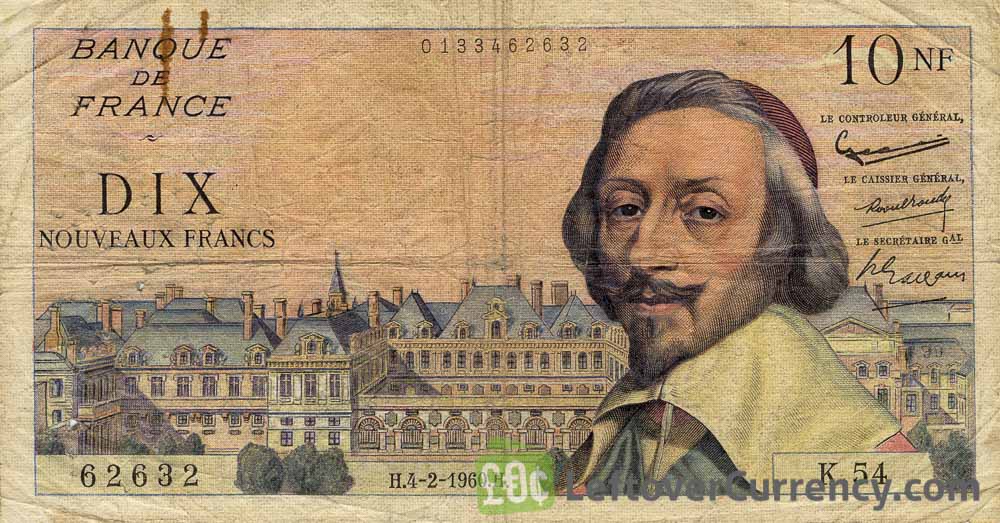
The Franc was first introduced in 1360 and saw various iterations through the centuries. The “Germinal Franc,” established during the French Revolution, brought much-needed stability to the nation’s finances. For generations, the Franc was not just a medium of exchange but a piece of French art, featuring famous thinkers, writers, and historical figures like Antoine de Saint-Exupéry and Marie Curie.
By the late 1990s, the Franc was part of the European Exchange Rate Mechanism (ERM), a precursor to the unified currency. While the Franc officially ceased to be legal tender in 2002, it remains a nostalgic symbol of a distinct era in French economic history.
The Transition to the Eurozone
France was a founding member of the European Union and a primary architect of the Economic and Monetary Union (EMU). On January 1, 1999, the Euro (€) was introduced as an “invisible” currency for accounting purposes and electronic payments. On January 1, 2002, Euro banknotes and coins were introduced into physical circulation.
This transition was one of the largest currency conversions in history. For France, it meant surrendering national control over monetary policy to the European Central Bank (ECB) in Frankfurt, in exchange for price stability, lower transaction costs for trade within Europe, and a more robust presence in the global financial market.
Understanding the Euro Today: Denominations and Design
The Euro is the official currency of France and 19 other member states of the European Union. It is denoted by the symbol € and the ISO code EUR. One Euro is divided into 100 cents (or centimes in French).
Banknotes: A Unified European Identity
Euro banknotes are identical across all countries in the Eurozone. They come in denominations of €5, €10, €20, €50, €100, €200, and €500. While the €500 note is still legal tender, the European Central Bank stopped issuing it in 2019 to curb illicit activities, so it is rarely seen in daily transactions.
The designs on the banknotes represent various architectural styles from European history—Classical, Romanesque, Gothic, Renaissance, Baroque and Rococo, and 19th-century Iron and Glass. Importantly, these designs feature stylized windows, gateways, and bridges rather than specific existing monuments, symbolizing the spirit of openness and cooperation between European nations.
French Euro Coins: National Symbols on a Global Stage
Unlike the banknotes, Euro coins have a common side (displaying the value) and a national side that is unique to the issuing country. French Euro coins are minted with symbols that reflect the Republic’s values:
- 1, 2, and 5-cent coins: These feature a portrait of Marianne, the personification of the French Republic, symbolizing liberty and reason.
- 10, 20, and 50-cent coins: These depict “The Sower” (La Semeuse), a motif that originated on the old Franc coins, representing a modern, confident France.
- €1 and €2 coins: These feature a stylized tree of life inside a hexagon (representing the shape of France), surrounded by the motto Liberté, Égalité, Fraternité.
It is worth noting that all Euro coins, regardless of which country minted them, are legal tender throughout the entire Eurozone.
Navigating Payments and Banking in France
France has a highly sophisticated financial infrastructure. While cash is still accepted, the country has moved rapidly toward a “less-cash” society, driven by technological adoption and government regulations.

The Rise of Digital and Contactless Payments
In France, the most common way to pay is via the Carte Bleue (CB), a national debit card system often co-branded with Visa or Mastercard. Contactless payment (paiement sans contact) has become the standard for transactions under €50. Whether you are at a boulangerie or a high-end boutique in Paris, most terminals are equipped to handle NFC (Near Field Communication) payments via cards, smartphones, or wearable devices like Apple Pay and Google Pay.
For business owners and expatriates, the French banking system is notoriously bureaucratic but very secure. France uses the IBAN (International Bank Account Number) system for all domestic and international transfers, making SEPA (Single Euro Payments Area) transfers fast and often free within the EU.
Managing Cash and ATMs (Distributeurs)
ATMs in France are known as distributeurs automatiques de billets (DAB). They are widely available in cities and rural villages. When withdrawing cash, it is essential to be aware of “Dynamic Currency Conversion” (DCC). Some ATMs will ask if you want to be charged in your home currency (e.g., USD or GBP) rather than Euros. Financial experts generally advise choosing “Euros” to allow your home bank to handle the conversion, as ATM-provided rates are typically significantly worse.
Cash remains useful for small markets, rural cafes, or as a backup, but many French businesses have minimum spend requirements (often €5 or €10) for card transactions, though this is decreasing in the age of contactless tech.
Foreign Exchange and Personal Finance Strategies for France
Managing money across borders requires a strategy to minimize fees and capitalize on market fluctuations. Whether you are a tourist or a business investor, the way you handle currency exchange can significantly impact your bottom line.
Understanding Exchange Rates and Conversion Fees
The Euro is one of the most traded currencies in the world, second only to the US Dollar. Its value fluctuates based on Eurozone inflation rates, European Central Bank interest rate decisions, and geopolitical stability.
When converting money for use in France, avoid airport kiosks, which often charge premiums of 10% to 15%. Instead, utilize “Changer” offices in city centers (which offer competitive rates for cash) or, better yet, use digital-first financial tools. Neo-banks and fintech platforms like Revolut, Wise, or Monzo offer “interbank” exchange rates with minimal transparent fees, allowing you to hold and spend Euros like a local.
Smart Financial Habits for Travelers and Expats
If you are staying in France long-term, opening a local bank account is essential for paying utilities (often done via prélèvement automatique or direct debit). For travelers, it is wise to carry at least two different payment methods—one physical card and one digital wallet.
Furthermore, always check if your home bank charges “Foreign Transaction Fees.” Many traditional credit cards charge 3% on every purchase made in Euros. Switching to a “No Foreign Transaction Fee” card before arriving in France is a simple way to save hundreds of Euros over a long trip.
France’s Economic Role in the Global Market
France is the second-largest economy in the Eurozone and the seventh-largest in the world. Consequently, the health of the French economy is intrinsically linked to the strength of the Euro.
The Stability of the Euro in International Trade
France is a global leader in luxury goods, aerospace, and agriculture. Companies like LVMH, Airbus, and Danone conduct massive amounts of international trade. For these corporations, the Euro provides a stable environment that eliminates the currency risk associated with trading between European neighbors.
However, the strength of the Euro can be a double-edged sword. A very strong Euro makes French exports more expensive for buyers in the US or China, potentially slowing down economic growth. Conversely, a weaker Euro can drive tourism and make French goods more competitive abroad but increases the cost of energy imports.
The “CFA Franc” Connection
While the Euro is the currency used in mainland France, it is important for those in finance to understand France’s historical monetary ties to Africa. The CFA Franc is used in 14 African countries. While these nations are independent, the currency was historically pegged to the French Franc and is now pegged to the Euro. This provides exchange rate stability for these regions but remains a topic of significant political and economic debate regarding financial sovereignty and neo-colonialism.
Conclusion
Understanding French currency is about more than recognizing the coins in your pocket; it is about navigating a sophisticated European financial ecosystem. From the historical transition of the Franc to the high-tech, contactless reality of modern-day Paris, the Euro represents France’s commitment to a unified European future.
By leveraging digital financial tools, avoiding common exchange pitfalls, and understanding the role of the ECB, individuals can manage their finances in France with confidence. Whether you are buying a baguette in a local market or investing in French real estate, a clear grasp of the “Money” side of France is your best asset for a successful experience in the Hexagon.
aViewFromTheCave is a participant in the Amazon Services LLC Associates Program, an affiliate advertising program designed to provide a means for sites to earn advertising fees by advertising and linking to Amazon.com. Amazon, the Amazon logo, AmazonSupply, and the AmazonSupply logo are trademarks of Amazon.com, Inc. or its affiliates. As an Amazon Associate we earn affiliate commissions from qualifying purchases.