
In the intricate ecosystem of the internet, where every website needs a unique address and a navigable path, the Domain Name System (DNS) acts as the internet’s phonebook. It translates human-readable domain names (like google.com) into machine-readable IP addresses (like 172.217.160.142). But who manages these crucial domain names? The answer lies with DNS registrars, the entities that facilitate the registration and management of domain names, acting as the gatekeepers to your online identity. Understanding what a DNS registrar is and how it functions is fundamental for anyone looking to establish or maintain an online presence, from individuals launching personal blogs to large corporations building robust digital infrastructures.
The Foundation of Domain Name Ownership: Registration and Allocation
At its core, the internet is a network of interconnected computers, each identified by a unique numerical IP address. Humans, however, find it far easier to remember names. This is where the Domain Name System (DNS) bridges the gap. Domain names are hierarchical strings of characters that map to these IP addresses, making the internet accessible and user-friendly.
The Role of ICANN and Domain Name Registration
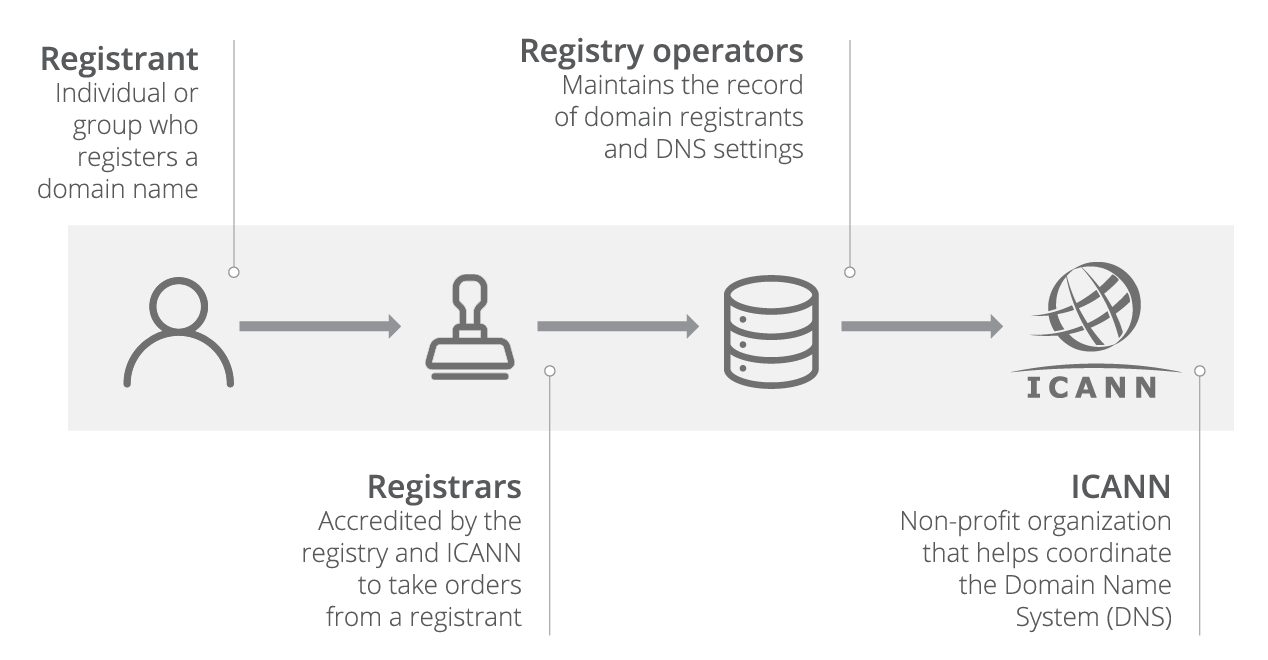
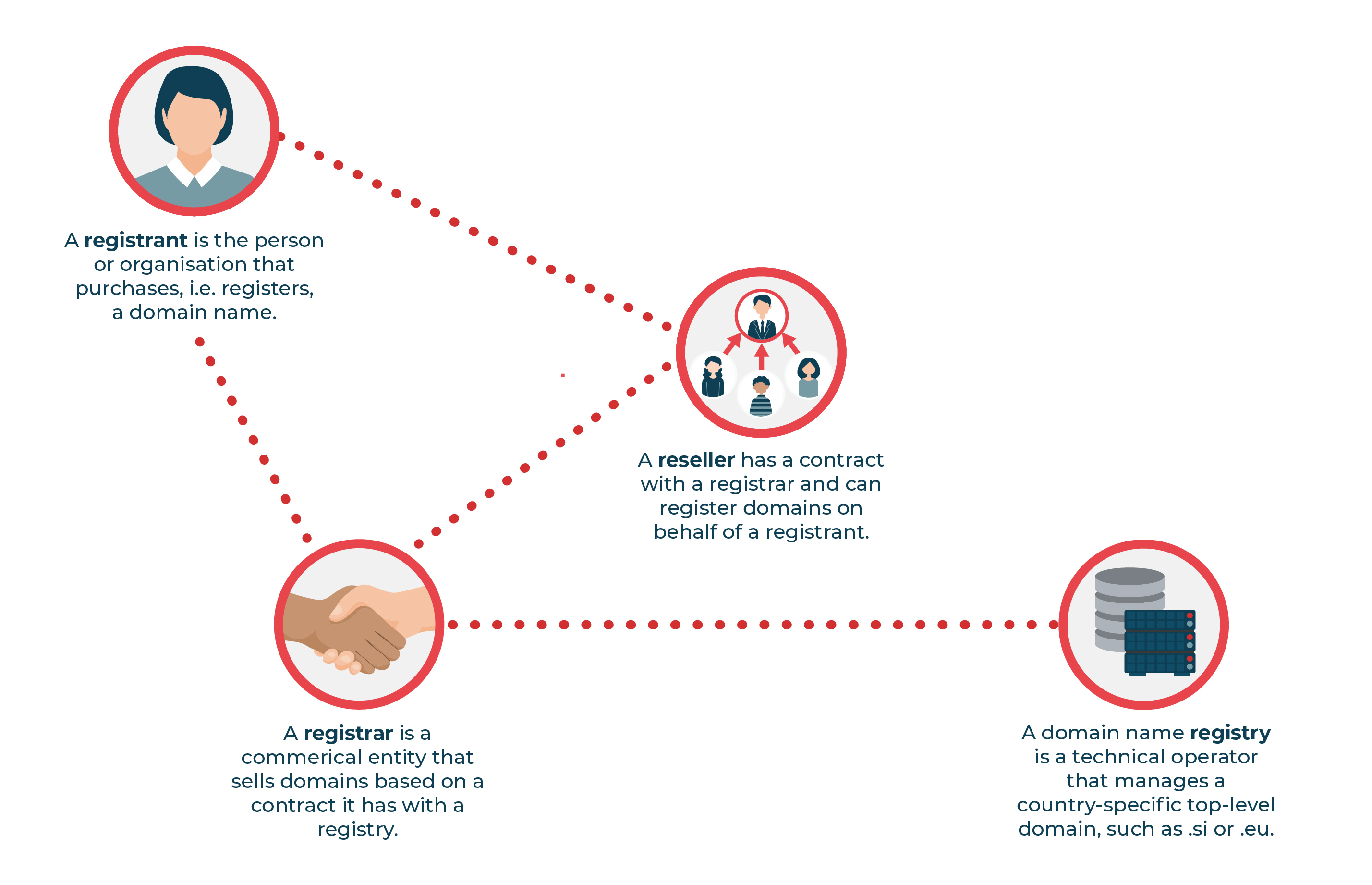
The global coordination of the DNS is overseen by the Internet Corporation for Assigned Names and Numbers (ICANN). ICANN, a non-profit public-benefit corporation, is responsible for managing the allocation and assignment of IP addresses and domain names, ensuring the stability and security of the internet’s naming system. They do not, however, directly sell domain names to the public. Instead, ICANN accredits organizations known as domain name registrars.
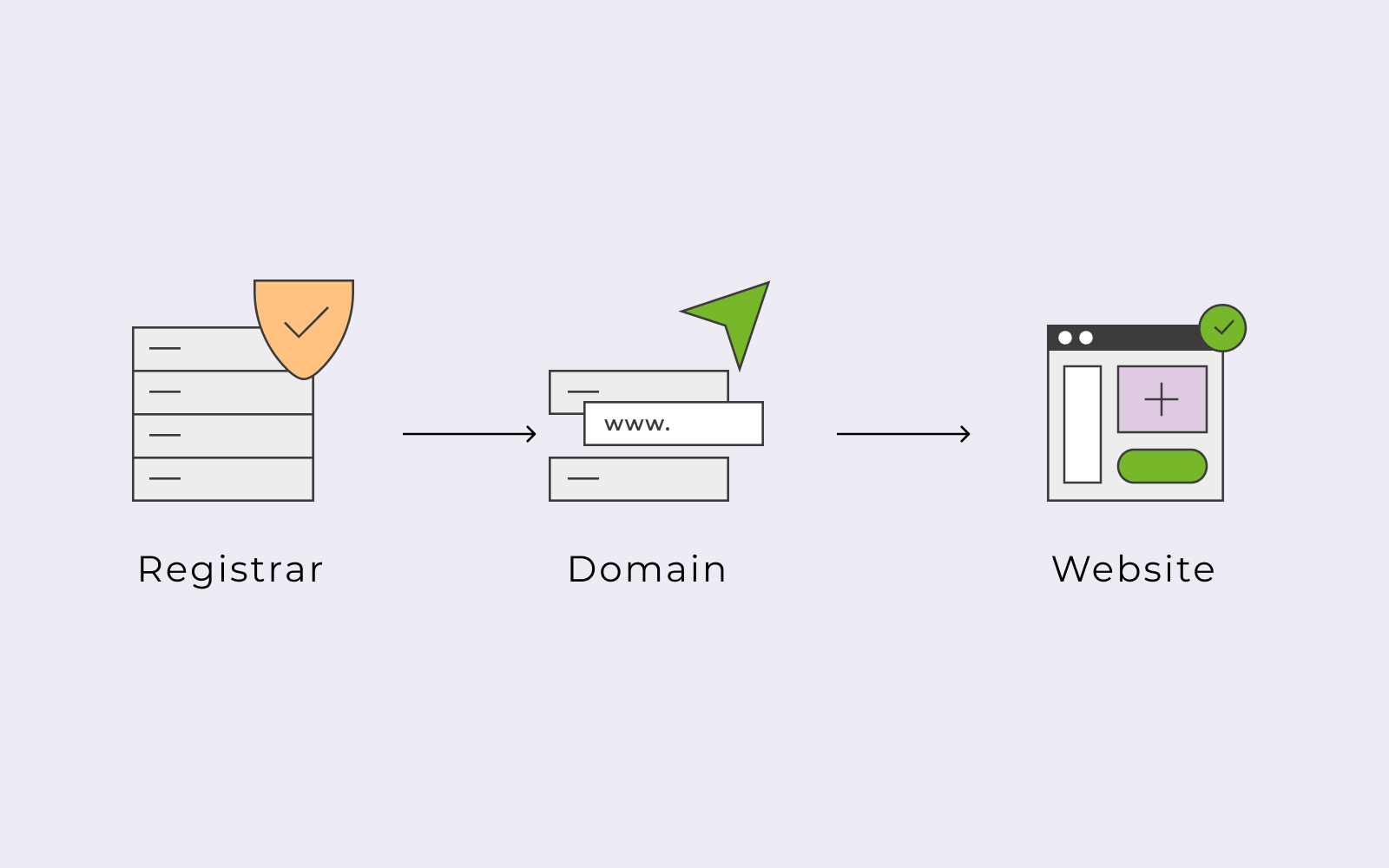
These accredited registrars are the authorized entities that allow individuals and businesses to register and purchase domain names. When you decide to register a domain name, you are essentially leasing the right to use that name for a specific period, typically one to ten years. The registrar acts as an intermediary, communicating with the central domain name registries (which manage specific top-level domains like .com, .org, or .net) on your behalf. They handle the transaction, collect your information, and ensure that your chosen domain name is recorded in the global DNS database.
Top-Level Domains (TLDs) and Domain Extensions
The domain name system is structured hierarchically, with the highest level being the Top-Level Domain (TLD). These are the familiar suffixes at the end of domain names, such as .com, .org, .net, .gov, .edu, and country-code TLDs (ccTLDs) like .uk, .ca, or .de. Each TLD is managed by a specific registry. For example, VeriSign manages the .com and .net registries.
When you register a domain name with a registrar, you are choosing a specific domain name under a particular TLD. The registrar’s job is to interact with the relevant registry to secure your chosen domain name within that TLD’s namespace. Different TLDs have different rules, availability, and pricing, which are often reflected in the services offered by registrars. The choice of TLD can significantly impact your online identity and branding, making it a crucial decision during the registration process.
The Responsibilities and Services of a DNS Registrar
A DNS registrar is more than just a storefront for domain names; it’s a critical service provider responsible for the ongoing management and technical operation of your domain name. Their responsibilities extend beyond the initial registration to ensure your domain name remains active and correctly points to your website or other online services.
Domain Registration and Renewal Management
The primary function of a DNS registrar is to facilitate the registration of domain names. This involves:
- Availability Check: Allowing users to search for and check the availability of desired domain names across various TLDs.
- Registration Process: Guiding users through the process of providing necessary contact information (registrant data) and completing the purchase.
- Renewal Services: Proactively reminding users about upcoming domain expirations and providing seamless renewal options. Domain name expiration can lead to your website becoming inaccessible, so timely renewals are paramount. Many registrars offer auto-renewal services to prevent accidental lapses.
DNS Hosting and Management Tools
Once a domain name is registered, it needs to be configured to point to the correct online resources. This is where DNS hosting comes into play, and most registrars offer this service as part of their package.
- DNS Records: Registrars provide interfaces to manage DNS records. These records are instructions that tell browsers where to find your website (A records, AAAA records), where to send your emails (MX records), and provide other vital information (CNAME records, TXT records).
- DNS Zone Files: The collection of DNS records for a specific domain is called a DNS zone file. Registrars host these zone files on their DNS servers, ensuring that when someone types your domain name into a browser, the DNS system can resolve it to the correct IP address.
- User-Friendly Interfaces: Reputable registrars offer intuitive control panels or dashboards that allow users to easily add, edit, or delete DNS records without needing deep technical expertise. This empowers users to manage their domain’s online presence effectively.
Domain Transfer and Security Features
The ability to move your domain name to another registrar and the security surrounding your domain are also crucial aspects of a registrar’s service.
- Domain Transfer: If you find a better deal or service elsewhere, you have the right to transfer your domain name to a different accredited registrar. The registrar provides the tools and codes (like an authorization code or EPP code) necessary for this process, while also adhering to transfer policies to prevent unauthorized transfers.
- WHOIS Privacy Protection: When you register a domain name, your personal contact information (name, address, email, phone number) is typically made public through the WHOIS database. Many registrars offer WHOIS privacy services, which replace your personal details with proxy information, protecting your privacy from spammers and unwanted solicitations.
- Domain Locking: To prevent unauthorized transfers or accidental deletions, registrars offer domain locking features. This feature essentially freezes the domain, requiring manual unlocking before any changes can be made.
- Two-Factor Authentication (2FA): For enhanced account security, registrars often implement 2FA, requiring an additional verification step beyond just a password to access your domain management panel.
Choosing the Right DNS Registrar: Factors to Consider
With a multitude of DNS registrars available, selecting the right one is a decision that can impact your online operations, budget, and peace of mind. It’s not solely about the cheapest option; a comprehensive evaluation of services, reliability, and support is essential.
Pricing and Hidden Fees
While domain name registration might seem straightforward, pricing structures can vary significantly.
- Initial Registration Costs: Compare the introductory prices for the TLDs you are interested in. Some registrars offer heavily discounted first-year registrations to attract new customers.
- Renewal Costs: This is where many users find themselves surprised. The renewal price for a domain name is often considerably higher than the initial registration price. It’s crucial to compare renewal rates before committing.
- Add-on Services: Be aware of the pricing for essential add-ons like WHOIS privacy, email forwarding, or website builders, as these can add up.
- Transfer Fees: If you anticipate transferring your domain in the future, check if there are any fees associated with this process.
User Experience and Management Interface
The ease with which you can manage your domain name is directly tied to the registrar’s control panel.
- Intuitive Dashboard: A well-designed interface should make it simple to navigate, find settings, and manage DNS records, even for users with limited technical expertise.
- DNS Management Features: Look for robust DNS management tools, including the ability to easily create and modify various record types, set TTL (Time To Live) values, and access advanced DNS features if needed.
- Mobile Accessibility: The ability to manage your domain from a mobile device can be incredibly convenient for on-the-go adjustments.
Reliability, Uptime, and Support
The underlying infrastructure of a registrar and the quality of their customer support are paramount for maintaining an active online presence.
- Uptime Guarantees: While not always explicitly stated, reliable registrars generally have excellent uptime for their DNS servers, ensuring your domain remains resolvable.
- Customer Support: Assess the availability and responsiveness of their support channels. Do they offer 24/7 support via phone, chat, or email? What is their typical response time? A critical issue with your domain can arise at any hour, making prompt support vital.
- Reputation and Reviews: Research the registrar’s reputation online. Read reviews from other users to gauge their customer satisfaction, particularly regarding billing, support, and technical issues.
Additional Services and Bundles
Many registrars offer a suite of services beyond just domain registration, which can be convenient if you’re looking for an all-in-one solution.
- Web Hosting: If you’re planning to build a website, many registrars offer web hosting packages. Bundling can sometimes offer cost savings.
- Website Builders: For those who aren’t developers, integrated website builders can be a quick way to get a basic site online.
- Email Services: Domain-specific email addresses (e.g.,
info@yourdomain.com) are a professional necessity for businesses, and registrars often provide these services. - SSL Certificates: Security is crucial for any website. Some registrars offer SSL certificates, which encrypt data transmitted between a user’s browser and your website, indicated by the “https://” prefix and a padlock icon.
The Importance of DNS Registrars in the Digital Landscape
DNS registrars are fundamental components of the internet’s infrastructure, silently underpinning our ability to navigate and interact online. They are the custodians of our digital identities, providing the essential services that transform abstract names into tangible online presences. For individuals, startups, and established enterprises alike, understanding their role and choosing a reputable registrar is a foundational step in building a successful and secure digital footprint.
Facilitating Online Commerce and Communication
Without DNS registrars, the seamless flow of online commerce and communication would be impossible. When you visit an e-commerce site, send an email, or access a cloud service, your device relies on the DNS to locate the correct server. Registrars ensure that the pathways to these services are correctly established and maintained. They are the first point of contact for securing a unique address on the internet, allowing businesses to brand themselves, individuals to share their ideas, and organizations to connect with their audiences globally.
Ensuring Digital Security and Privacy
While the internet offers immense opportunities, it also presents security challenges. DNS registrars play a role in safeguarding your domain. Features like domain locking and WHOIS privacy protection help to mitigate risks of hijacking and unwanted attention. By offering robust security measures and transparent policies, registrars contribute to a more secure and trustworthy online environment for their users. Furthermore, the ongoing management of DNS records is crucial for directing traffic to legitimate servers, helping to prevent phishing attacks and other forms of online fraud.
Empowering Individuals and Businesses Online
In essence, DNS registrars empower individuals and businesses to claim their space on the internet. They democratize access to domain names, making it possible for anyone with an idea to establish a presence. Whether you’re an aspiring blogger, a small business owner, or a large corporation managing thousands of domains, the services provided by DNS registrars are indispensable. They are the silent architects of our online identities, the gatekeepers to our digital worlds, and a vital link in the complex chain that makes the internet function.
aViewFromTheCave is a participant in the Amazon Services LLC Associates Program, an affiliate advertising program designed to provide a means for sites to earn advertising fees by advertising and linking to Amazon.com. Amazon, the Amazon logo, AmazonSupply, and the AmazonSupply logo are trademarks of Amazon.com, Inc. or its affiliates. As an Amazon Associate we earn affiliate commissions from qualifying purchases.