
In the hyper-connected landscape of global commerce and software development, time is more than a measurement; it is a critical data point. For businesses, developers, and remote teams, the question “What is the Denver, CO time zone?” transcends simple curiosity about a clock on a wall. It is an inquiry into the synchronization of distributed systems, the latency of data transmission, and the logistical coordination of the “Silicon Mountain” tech corridor.
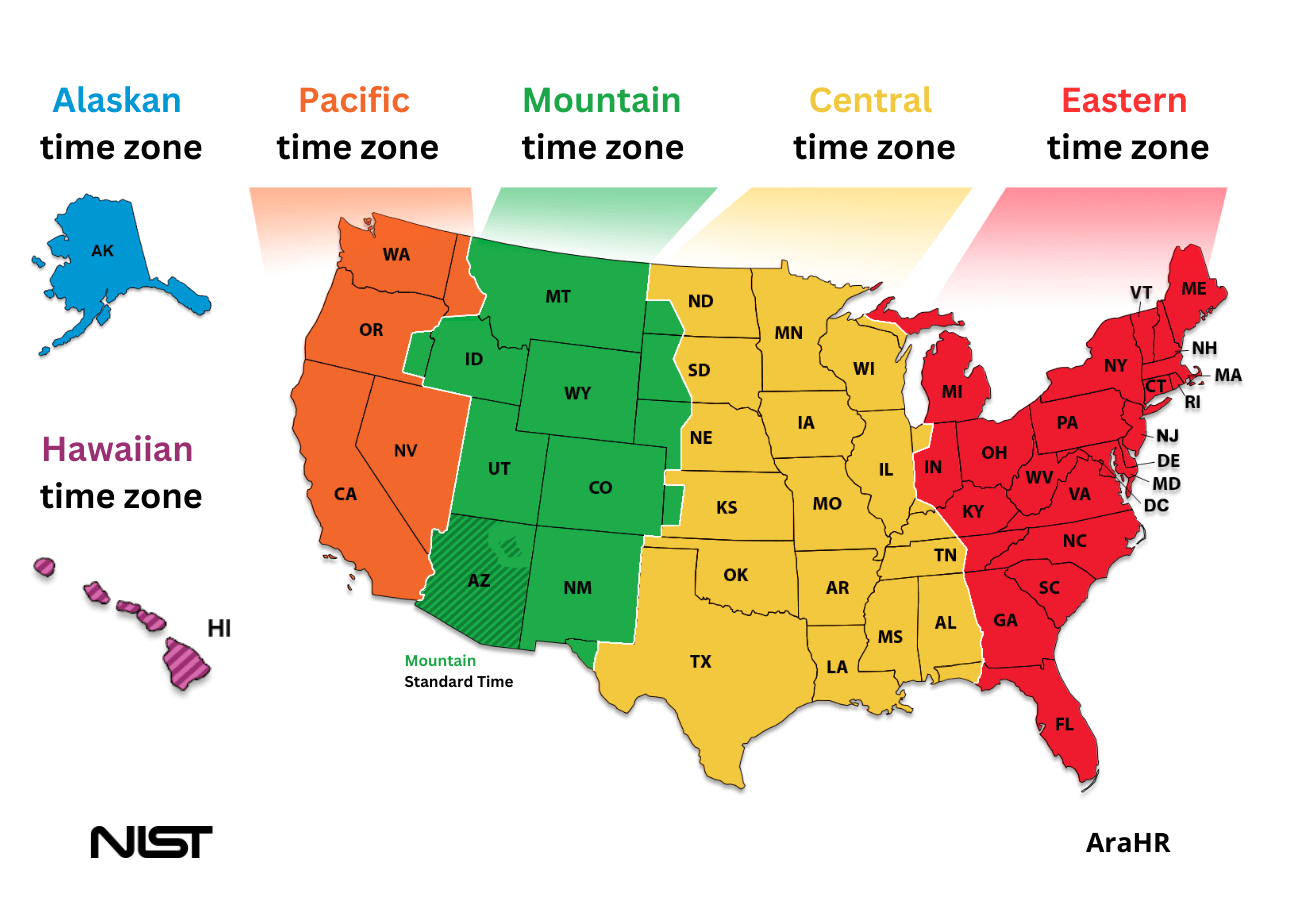
Denver, Colorado, operates within the Mountain Time Zone. Technically, it oscillates between Mountain Standard Time (MST, UTC-7) and Mountain Day-Light Time (MDT, UTC-6). While this may seem straightforward to a casual traveler, for the technology sector, Denver’s temporal position represents a unique bridge between the coastal tech giants of Silicon Valley and the financial hubs of New York City.
Understanding the Technical Architecture of Mountain Time
To understand the Denver time zone from a technological perspective, one must look beneath the surface of the “Mountain Time” label and into the mechanics of Coordinated Universal Time (UTC) and Network Time Protocol (NTP) synchronization.
UTC Offsets and System Synchronization
In computer science, local times are often treated as “display layers” over a foundational layer of UTC. Denver’s position at UTC-7 (Standard) or UTC-6 (Daylight) is a critical variable in server configuration. When a cloud-based application scales, its internal logs are typically recorded in UTC to maintain a linear timeline. However, for Denver-based tech firms, the “local-to-UTC” conversion is a constant factor in backend logic.
Most modern operating systems and cloud environments, such as Amazon Web Services (AWS) or Microsoft Azure, utilize the IANA Time Zone Database (often called the zoneinfo or Olson database). In this database, Denver is represented as America/Denver. This identifier is more robust than “MST” because it contains the historical rules for daylight saving transitions specific to Colorado’s jurisdiction, ensuring that software automatically adjusts without manual intervention.
The Complexity of Daylight Saving Time in Code
One of the greatest challenges in software engineering is the “Spring Forward” and “Fall Back” of Daylight Saving Time (DST). In Denver, the transition happens at 2:00 AM on the second Sunday of March and the first Sunday of November.
From a technical standpoint, these transitions can cause significant “temporal debt” if not handled correctly. For example, during the fall transition, the hour between 1:00 AM and 2:00 AM repeats. If a database is not using UTC or a properly offset-aware datetime object, it may record two different events at the same “local” time, leading to data corruption or duplicate triggers in automated tasks. Developers in the Denver tech hub must prioritize ISO 8601 standards—using the format YYYY-MM-DDThh:mm:ss±hh:mm—to ensure that the Denver offset is explicitly declared in every API call.
Denver as a Tech Hub: Infrastructure and Connectivity
Denver has evolved into a formidable tech ecosystem, often referred to as part of the “Silicon Mountain” region. Its geographic and temporal location offers specific advantages for data center placement and global team integration.
Data Centers and Latency in the Mile High City
The physical location of Denver provides a unique advantage for network infrastructure. Being situated roughly in the center of the United States, Denver serves as a major “peering point” for fiber optic networks moving traffic from East to West. This reduces latency for applications that need to serve users across the North American continent.
In the realm of edge computing, the Denver time zone acts as a buffer. For companies running real-time synchronization services—such as high-frequency trading platforms or multiplayer gaming servers—Denver-based data centers offer a balanced “round-trip time” (RTT) to both San Francisco and Northern Virginia (the two largest data center markets in the world). When a packet is timestamped in a Denver data center, it carries a Mountain Time signature that represents the literal middle ground of American digital traffic.
Distributed Systems and Global Team Integration
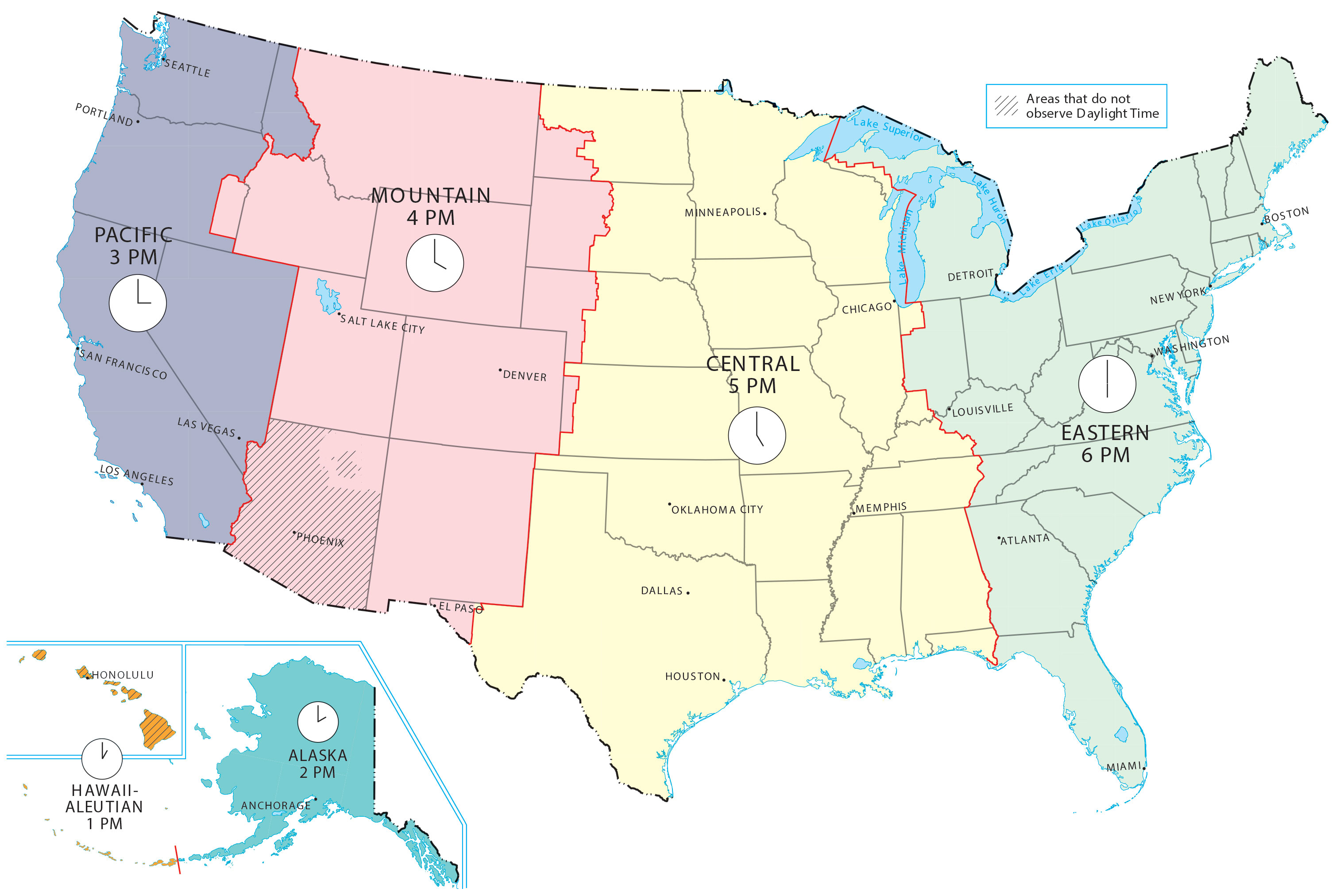
The Denver time zone is increasingly popular for “follow-the-sun” support models and distributed engineering teams. For a tech company with offices in London (UTC+0) and San Francisco (UTC-8), Denver (UTC-7) serves as a vital pivot point.
In a remote-first tech environment, Denver’s workday overlaps significantly with both coasts. A Denver-based developer can have a morning “stand-up” meeting with colleagues in New York (only two hours ahead) and an afternoon “sprint review” with colleagues in California (only one hour behind). This minimizes the “asynchronous lag” that often plagues global software projects. By positioning teams in the Mountain Time Zone, tech enterprises can maintain a 10-hour window of high-bandwidth collaboration across the continental U.S., a feat that is much harder to achieve from the coastal extremes.
Engineering Challenges: Managing Time Zones in Software Development
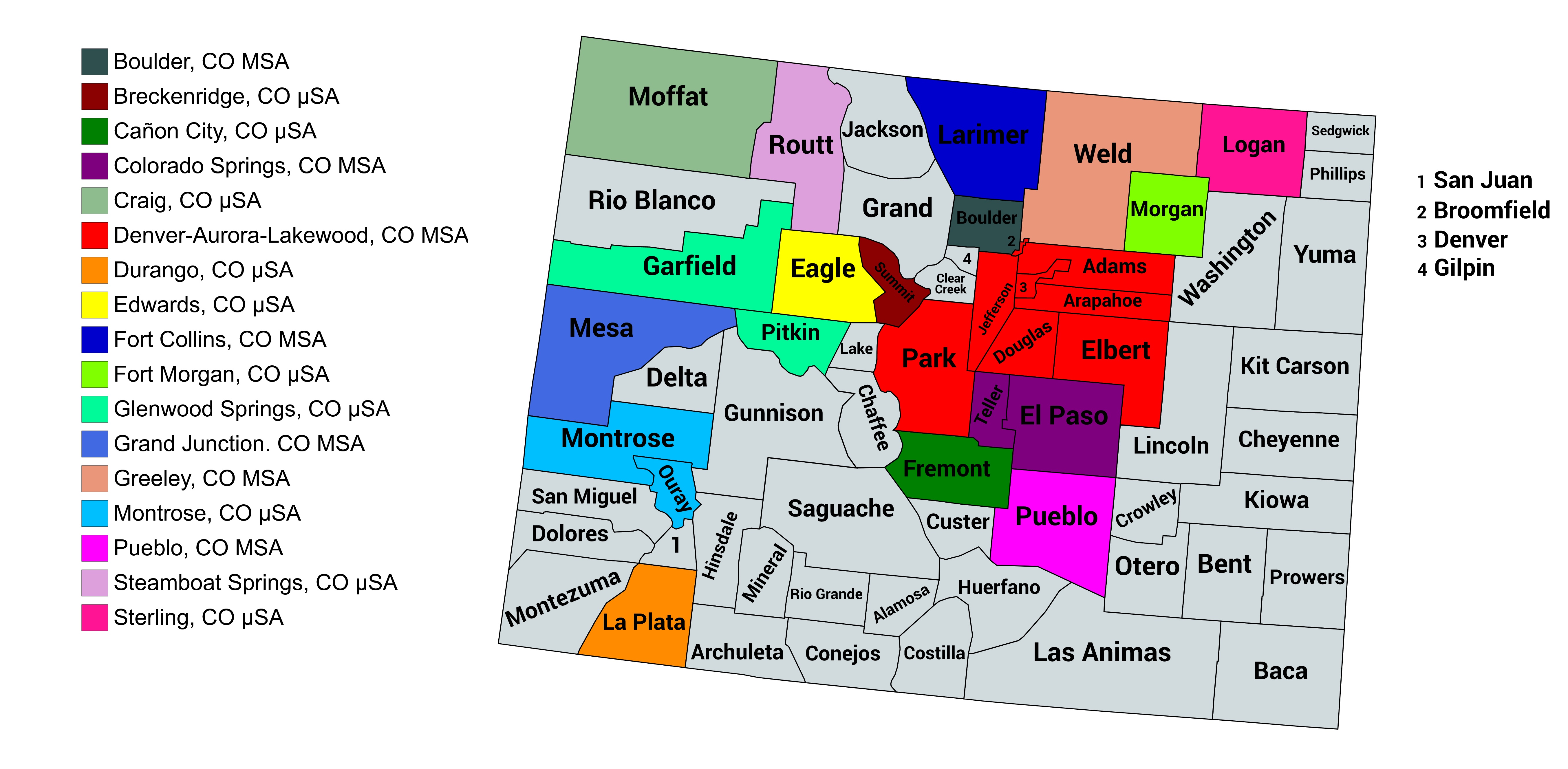
While Denver’s time zone offers strategic benefits, it also presents specific hurdles for software developers who must build resilient, time-aware applications.
ISO 8601 Standards and Database Integrity
The gold standard for handling Denver’s time in software is the ISO 8601 string. When a Denver-based user interacts with a web application, the frontend (often running JavaScript in the browser) detects the America/Denver locale. The critical step for the developer is ensuring that this local time is converted to UTC before it hits the database.
A common mistake in legacy systems was storing “wall-clock time” without an offset. In a modern tech stack, a Denver-based startup will likely use PostgreSQL or NoSQL databases like MongoDB, which have built-in support for “Timestamp with Time Zone” (TIMESTAMPTZ). This ensures that whether the server is in Oregon, Ireland, or Denver, the absolute point in time remains consistent, while the display remains relevant to the user in the Mile High City.
Scheduling Algorithms and Cron Jobs
For DevOps engineers, scheduling “cron jobs” (automated background tasks) in the Denver time zone requires precision. If a backup script is set to run at midnight Mountain Time, the engineer must decide if that should be a “fixed” midnight (shifting with DST) or a “floating” midnight (remaining exactly 24 hours apart).
Most enterprise-grade scheduling tools now allow for “time zone aware” execution. This means the software understands that “midnight in Denver” might be seven hours behind UTC in January but only six hours behind in June. Failing to account for this in fintech or healthcare applications—where Denver hosts many growing tech firms—could result in missed compliance reports or delayed patient data processing during the DST switch.
The Future of Time: AI and Automating Temporal Complexity
As we move toward a future dominated by Artificial Intelligence (AI) and machine learning, the way we interact with the Denver time zone is shifting from manual calculation to automated intelligence.
AI-Driven Scheduling for Remote Workflows
New AI tools are beginning to abstract the complexity of time zones away from the user. For a tech professional in Denver, AI-integrated calendars no longer just “show” the time; they analyze the “golden hours” of productivity across different zones. These algorithms take into account the Denver offset, the user’s historical activity patterns, and the offsets of their international counterparts to suggest optimal deployment windows or meeting times.
This is particularly relevant for Continuous Integration/Continuous Deployment (CI/CD) pipelines. AI-driven DevOps platforms can now predict the best time to push code updates to a Denver-based server cluster to minimize user impact, automatically calculating the local “low-traffic” window based on real-time telemetry and temporal data.
Edge Computing and Localization
The rise of the Internet of Things (IoT) and edge computing means that more processing is happening locally in Denver rather than in distant cloud hubs. Smart city infrastructure in Denver—from synchronized traffic lights to grid management—relies on ultra-precise “PTP” (Precision Time Protocol).
In these scenarios, the Denver time zone is not just a setting in a dropdown menu; it is a hardware-level requirement. Sensors across the Denver metro area must be synchronized to the microsecond. This level of precision ensures that data packets from thousands of edge devices can be reassembled in the correct chronological order, allowing for real-time analytics that power the modern digital city.
Conclusion
The question “What is the Denver, CO time zone?” may have a simple answer for a human, but for the world of technology, it opens a door to a complex web of synchronization, infrastructure, and engineering discipline. As Denver continues to cement its status as a premier global tech hub, its identity as an America/Denver entity in the digital world becomes increasingly significant.
Whether it is the management of UTC offsets in a microservices architecture, the strategic placement of data centers for low-latency transmission, or the use of AI to navigate the nuances of Daylight Saving Time, the Denver time zone is a foundational element of the region’s technological success. In the digital age, being on “Mountain Time” means being at the center of the action, bridging the gap between coasts and driving the future of innovation from the heart of the Rockies.
aViewFromTheCave is a participant in the Amazon Services LLC Associates Program, an affiliate advertising program designed to provide a means for sites to earn advertising fees by advertising and linking to Amazon.com. Amazon, the Amazon logo, AmazonSupply, and the AmazonSupply logo are trademarks of Amazon.com, Inc. or its affiliates. As an Amazon Associate we earn affiliate commissions from qualifying purchases.