
In the traditional landscape of clinical diagnostics, a “urine culture” was once a slow, manual process relegated to petri dishes and the naked eyes of microbiologists. However, as the healthcare sector undergoes a radical digital overhaul, the definition of what culture in urine means has shifted from a biological observation to a high-tech data exercise. Today, identifying pathogens in urine is a sophisticated intersection of automated robotics, artificial intelligence (AI), and complex software ecosystems. This technological evolution is not just about speed; it is about the precision of digital imaging, the security of cloud-based lab results, and the predictive power of machine learning algorithms.
The Automation Revolution in Microbiological Culturing
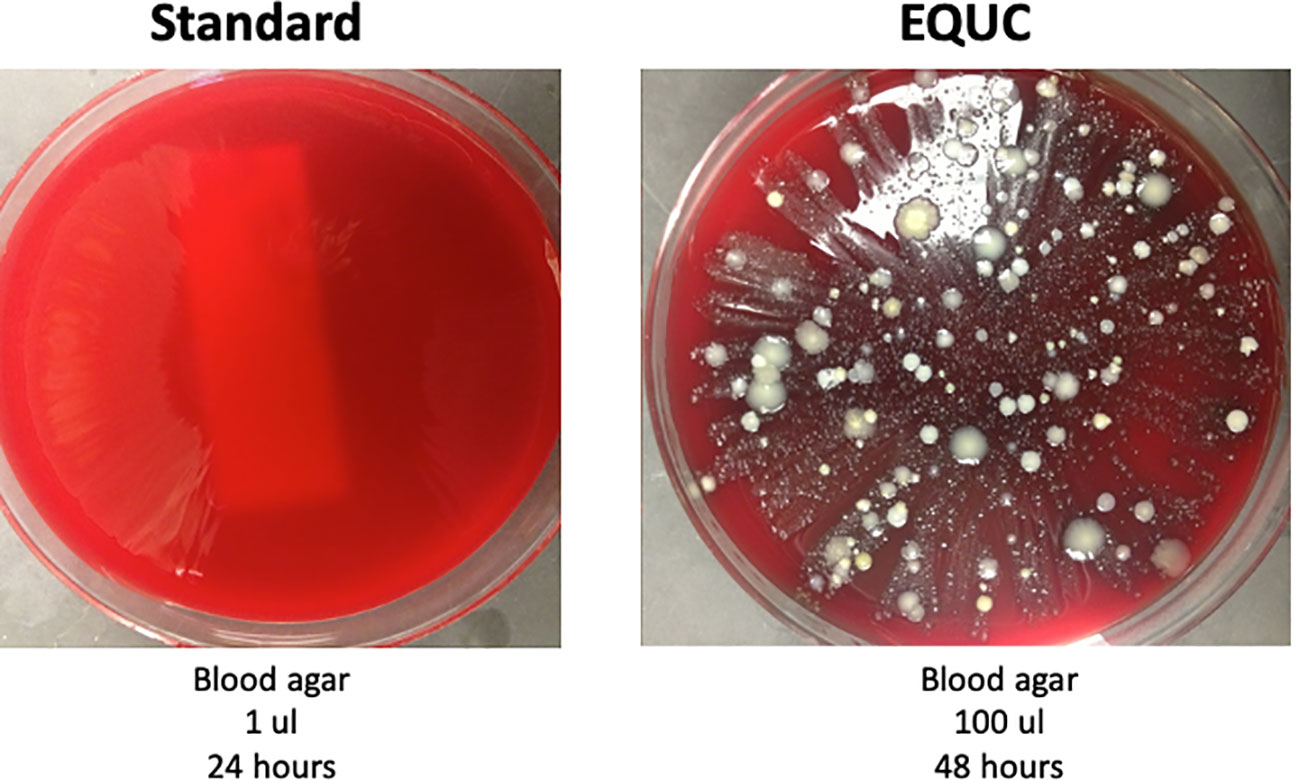
The first pillar of modern urine culture technology is the transition from manual streaking to Total Laboratory Automation (TLA). In a modern diagnostic facility, the “culture” begins the moment a sample is digitized and tracked via Radio Frequency Identification (RFID).
The Rise of Automated Inoculation Systems
Gone are the days when lab technicians manually spread samples across agar plates. Contemporary systems like the WASP (Walk-Away Specimen Processor) or the BD Kiestra use precision robotics to handle urine specimens. These machines utilize advanced fluidics to ensure standardized volume delivery, reducing human error and ensuring that the “culture” is started under perfect, reproducible conditions. The software governing these robots tracks every movement, creating a digital audit trail that is essential for modern quality control standards.
Digital Imaging and Smart Incubation
Once the culture is inoculated, it moves into smart incubators. These are not merely temperature-controlled boxes but integrated hardware-software suites equipped with high-resolution digital cameras. These cameras take periodic images of the agar plates. This “digital culture” allows microbiologists to review growth remotely on high-definition monitors rather than handling the physical plates. The tech here involves complex image stacking and time-lapse photography, which helps in identifying early-stage microbial growth that might be invisible to the human eye.
AI and Machine Learning in Pathogen Identification
As the diagnostic process generates massive amounts of visual data, the bottleneck has shifted from physical labor to data analysis. This is where Artificial Intelligence (AI) and Machine Learning (ML) have become the most significant “tech” components of a urine culture.
Computer Vision for Colony Morphology
AI algorithms are now trained on millions of images of bacterial colonies—such as E. coli, Klebsiella, and Enterococcus. Using computer vision, the software can differentiate between significant growth and “background noise” or contamination. By analyzing the color, shape, and growth rate of colonies in the digital culture, AI can flag positive results much faster than a human reviewer. This “pre-read” technology categorizes plates into “no growth,” “growth,” or “contamination,” allowing human experts to focus their time only on the most complex cases.
Predictive Analytics for Antibiotic Sensitivity
The most critical part of a urine culture is determining which antibiotic will kill the bacteria (sensitivity testing). Tech companies are now integrating machine learning models that can predict antibiotic resistance patterns based on the early genomic or phenotypic data of the culture. By comparing the current sample’s digital signature against vast databases of regional resistance trends, the software can suggest the most effective treatments before the final 48-hour growth cycle is even complete. This predictive tech is a cornerstone of modern antimicrobial stewardship.
The Role of MALDI-TOF MS: Physics Meets Software
One of the most impressive gadgets in the modern diagnostic lab is the MALDI-TOF Mass Spectrometer (Matrix-Assisted Laser Desorption/Ionization-Time of Flight). This piece of hardware has revolutionized how we define “culture” by identifying bacteria in minutes rather than days.

Rapid Identification via Protein Profiling
MALDI-TOF technology works by hitting a sample from the urine culture with a laser, vaporizing the microbial proteins, and measuring their “time of flight” through a vacuum tube to a sensor. The resulting “spectral fingerprint” is then compared by proprietary software against a massive digital library of known pathogens. The tech enables a 99.9% accuracy rate in identification, moving the field of microbiology into the realm of high-speed physics and data matching.
Software Integration and Database Updates
The effectiveness of MALDI-TOF is entirely dependent on its software and the breadth of its cloud-based database. Manufacturers now offer “SaaS” (Software as a Service) models where diagnostic machines are constantly updated with the latest microbial signatures from around the world. This ensures that even rare or emerging “superbugs” found in a urine culture can be identified instantly through global data sharing.
Digital Security and Lab Informatics (LIS)
With the digitization of urine culture results comes the massive responsibility of data management and security. The “Tech” side of diagnostics involves sophisticated Laboratory Information Systems (LIS) that bridge the gap between the lab machine and the patient’s electronic health record (EHR).
Securing Diagnostic Data and HIPAA Compliance
Every digital image of a urine culture and every AI-generated report constitutes sensitive Protected Health Information (PHI). Cybersecurity in this niche involves end-to-end encryption and secure API integrations between the lab’s hardware and the hospital’s database. Multi-factor authentication (MFA) and blockchain-based audit logs are increasingly being used to ensure that diagnostic data cannot be tampered with or accessed by unauthorized parties.
Interoperability and Cloud Diagnostics
The future of urine culture tech lies in “Interoperability”—the ability of different software systems to talk to one another. Cloud-based platforms now allow a specialist in London to review a digital urine culture plate generated in a rural clinic in real-time. This “Tele-microbiology” is powered by high-speed fiber-optic networks and advanced compression algorithms that allow for the transfer of massive high-resolution images without loss of diagnostic quality.
The Future: Lab-on-a-Chip and Smartphone Integration
As we look toward the next decade, the tech behind urine cultures is moving out of the centralized lab and onto the “edge”—closer to the patient through miniaturization and mobile apps.
Microfluidics and Point-of-Care (POC) Tech
The next generation of urine culture technology involves “Lab-on-a-Chip” (LOC). These are small, disposable gadgets that use microfluidics to perform the functions of a full-scale lab. By integrating biosensors with digital processors, these chips can detect bacterial DNA or metabolic byproducts directly from a urine sample. The data is then processed by an onboard microchip, removing the need for 48 hours of incubation.
Smartphone-Based Diagnostic Apps
Consumer-facing tech is also entering the space. Several startups are developing smartphone apps that use the phone’s camera and a specialized dipstick kit to perform a “digital urinalysis.” While not yet a full “culture,” these apps use computer vision to analyze chemical reactions and provide immediate data to a physician via the cloud. This represents the ultimate shift in the niche: the transformation of clinical microbiology into a consumer-grade digital tool.
Conclusion: The Digital Future of Clinical Testing
In conclusion, “what is culture in urine” is no longer a question answered simply by a microscope and a technician. In the modern tech landscape, it is a complex symphony of robotic automation, AI-driven pattern recognition, mass spectrometry, and secure digital informatics. The integration of these technologies has turned a once-slow biological process into a rapid, data-centric operation that saves lives by delivering precise information faster than ever before. As AI continues to evolve and hardware becomes more portable, the technology of urine culture will continue to lead the charge in the digital revolution of global healthcare.
aViewFromTheCave is a participant in the Amazon Services LLC Associates Program, an affiliate advertising program designed to provide a means for sites to earn advertising fees by advertising and linking to Amazon.com. Amazon, the Amazon logo, AmazonSupply, and the AmazonSupply logo are trademarks of Amazon.com, Inc. or its affiliates. As an Amazon Associate we earn affiliate commissions from qualifying purchases.