
In the contemporary marketplace, the concept of cultural diversity has evolved from a human resources checklist to a fundamental pillar of brand strategy. No longer is it sufficient for a company to simply exist; a brand must now resonate across a spectrum of identities, traditions, and perspectives. But what is cultural diversity in the context of a brand? At its core, it is the strategic integration of various cultural perspectives into a brand’s DNA, influencing everything from internal corporate identity to external marketing communications and product design.
As global markets become more interconnected, the brands that thrive are those that recognize culture is not a monolith. Instead, it is a vibrant, shifting mosaic of experiences. This article explores how cultural diversity serves as a catalyst for brand growth, innovation, and long-term consumer loyalty.
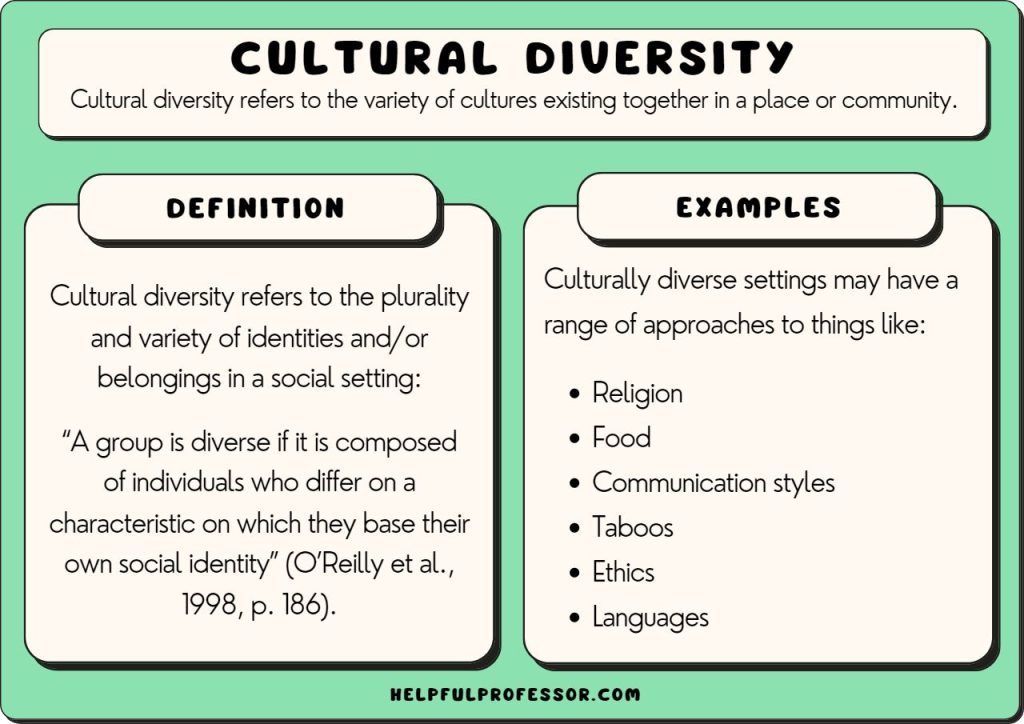
Defining Cultural Diversity within the Branding Framework
In the world of brand strategy, cultural diversity refers to the inclusion of different societal groups—encompassing race, ethnicity, gender, age, religion, language, and sexual orientation—within the brand’s narrative and operational structure. It is the recognition that the “average consumer” is a myth. To build a successful brand today, organizations must pivot toward a more nuanced understanding of the diverse segments they serve.
Beyond Representation: Authenticity in Brand Identity
Representation is the first step, but authenticity is the goal. For a brand, cultural diversity means more than just featuring diverse faces in an advertisement. It requires a deep dive into the values and stories of different communities. Authenticity in branding occurs when a company’s actions align with its visual representation. If a brand portrays a multicultural image but lacks diversity in its leadership or fails to support minority-owned suppliers, consumers—particularly Gen Z and Millennials—will quickly identify the disconnect as “performative activism.”
Authentic brand identity is built by listening to the communities you wish to represent. It involves moving away from stereotypes and toward lived experiences. When a brand treats cultural diversity as a core value rather than a marketing trend, it fosters a sense of belonging among consumers who have historically felt ignored by mainstream corporate narratives.
The Shift from Mass Marketing to Cultural Localization
For decades, the “Golden Age” of advertising relied on mass marketing—one message for everyone. However, the rise of cultural diversity has shifted the paradigm toward localization and hyper-personalization. Modern brand strategy necessitates that global brands act locally. This doesn’t just mean translating a slogan into another language; it means understanding the cultural nuances that give that slogan meaning.
Cultural localization involves adapting a brand’s tone, visual assets, and even product offerings to fit the specific cultural context of a region or demographic. This demonstrates respect for the consumer’s heritage and specific needs, transforming a brand from a foreign entity into a trusted local partner.
Cultivating an Inclusive Brand Identity from the Inside Out
A brand is the external expression of an internal culture. Therefore, achieving external cultural diversity is impossible without first cultivating it within the corporate structure. A brand’s strategy is only as robust as the perspectives that go into creating it.
Internal Culture as the Blueprint for External Perception
Corporate identity is the foundation upon which brand perception is built. When a company prioritizes cultural diversity within its workforce, it creates a “think tank” of varied experiences. This internal diversity acts as a natural filter for the brand’s output. A diverse team is more likely to spot potential cultural insensitivities before they reach the public, and more importantly, they are equipped to identify unique market opportunities that a homogenous group might overlook.
To build an inclusive corporate identity, brands must move beyond hiring quotas. They must foster an environment where diverse voices are empowered to lead. When the internal culture reflects the diversity of the global market, the brand’s external messaging becomes a natural extension of its reality, rather than a forced marketing exercise.
Leveraging Diverse Perspectives for Creative Innovation
Innovation is the lifeblood of brand longevity, and diversity is the engine of innovation. In branding, “groupthink” is the enemy of creativity. When people from different cultural backgrounds collaborate, they bring unique problem-solving approaches and aesthetic sensibilities to the table.
This diversity of thought leads to more creative campaigns, more inclusive product designs, and more effective communication strategies. For example, a brand that understands the cultural significance of certain holidays, colors, or social rituals can create marketing moments that resonate on a much deeper emotional level. By leveraging diverse perspectives, brands can stay ahead of trends and redefine the market rather than simply reacting to it.
Navigating Global Markets through Cultural Intelligence

As brands expand across borders, they encounter a complex web of cultural expectations. Navigating this landscape requires “Cultural Intelligence” (CQ)—the ability to function effectively across national, ethnic, and organizational cultures. In brand strategy, CQ is what separates global leaders from those who experience costly “lost in translation” blunders.
Avoiding Cultural Appropriation vs. Achieving Cultural Appreciation
One of the most significant risks in modern branding is the thin line between cultural appreciation and cultural appropriation. Appropriation occurs when a brand adopts elements of a marginalized culture—such as traditional symbols, clothing, or music—without permission, credit, or understanding, often for the sake of “aesthetic” or profit.
To avoid this, brand strategists must prioritize cultural appreciation. This involves engaging in meaningful partnerships with members of the culture being highlighted. It means doing the research, paying creators fairly, and ensuring that the brand’s involvement benefits the community it is drawing inspiration from. Brands that master this distinction build a reputation for integrity and respect, while those that fail face significant reputational damage and consumer boycotts.
Tailoring Visual Language and Communication Styles
Visual language—the colors, typography, and imagery a brand uses—carries different meanings in different cultures. For instance, while white symbolizes purity in many Western cultures, it is associated with mourning in parts of Asia. A brand strategy that fails to account for these nuances is destined for friction.
Effective global branding requires a flexible visual identity. This means creating a core brand framework that is consistent enough to be recognizable, yet flexible enough to be adapted to local cultural sensibilities. Similarly, communication styles must be adjusted. Some cultures value direct, high-energy communication, while others prefer subtlety, humility, and indirect messaging. A culturally diverse brand strategy treats these differences not as obstacles, but as opportunities for deeper connection.
The Impact of Diversity on Brand Loyalty and Consumer Trust
In the modern economy, trust is the ultimate currency. Consumers are no longer just buying products; they are buying into what a brand stands for. Cultural diversity has become a key metric by which consumers measure a brand’s trustworthiness and social relevance.
Aligning Brand Values with Social Expectations
The modern consumer is socially conscious. They look for brands that reflect their own values and the world they want to live in. When a brand actively promotes cultural diversity, it signals that it is forward-thinking and socially responsible. This alignment of values creates a powerful psychological bond between the brand and the consumer.
This bond is particularly strong among “polycultural” consumers—individuals who identify with multiple cultural backgrounds and navigate between them fluidly. For these consumers, a brand that understands and celebrates their multifaceted identity is one they will remain loyal to for years. Diversity is not just a moral imperative; it is a strategic necessity for maintaining market share in an increasingly diverse world.
Measuring the ROI of Inclusive Branding
While the social benefits of cultural diversity are clear, the business case is equally compelling. Research consistently shows that companies with diverse leadership and inclusive marketing strategies outperform their peers financially. Inclusive brands are more likely to capture new markets, as they are equipped to speak to underserved demographics.
The Return on Investment (ROI) of inclusive branding can be measured through increased brand equity, higher customer retention rates, and improved employee engagement. When people see themselves reflected in a brand, they are more likely to become brand advocates. In an era where word-of-mouth and social proof are paramount, having a diverse and loyal community of advocates is an invaluable asset.
Future-Proofing Your Brand in a Multicultural Digital Landscape
The future of branding is undeniably multicultural. As digital platforms continue to break down geographic barriers, brands are permanently on a global stage. To remain relevant, brands must move toward a model of constant cultural evolution and engagement.
The Role of Community Engagement and Co-creation
The next frontier of brand strategy is co-creation. This involves inviting the community to participate in the brand-building process. By engaging with diverse groups of consumers to co-create products, content, and experiences, brands ensure that they stay grounded in the needs and desires of their audience.
This democratic approach to branding turns consumers into stakeholders. It transforms the relationship from a transactional one into a collaborative partnership. In a world where cultural diversity is the norm, the most successful brands will be those that don’t just talk to diverse audiences, but talk with them.

Conclusion: Cultural Diversity as a Brand Superpower
What is cultural diversity? In the context of branding, it is the bridge between a company and the global community. It is a commitment to seeing, hearing, and valuing the full spectrum of human experience. By integrating cultural diversity into every facet of brand strategy—from the internal office culture to global marketing campaigns—companies can build brands that are not only profitable but also meaningful and enduring.
In the end, cultural diversity is not a challenge to be managed; it is a superpower to be embraced. Brands that understand this will not only survive the shifts of the 21st century but will lead the way in creating a more inclusive, connected, and vibrant global marketplace.
aViewFromTheCave is a participant in the Amazon Services LLC Associates Program, an affiliate advertising program designed to provide a means for sites to earn advertising fees by advertising and linking to Amazon.com. Amazon, the Amazon logo, AmazonSupply, and the AmazonSupply logo are trademarks of Amazon.com, Inc. or its affiliates. As an Amazon Associate we earn affiliate commissions from qualifying purchases.