
In the rapidly evolving landscape of personal computing, the components that drive our visual experiences have undergone a radical transformation. When purchasing a new laptop or building a desktop PC, one of the most critical decisions revolves around the Graphics Processing Unit (GPU). While hardcore gamers and professional video editors often gravitate toward massive, power-hungry dedicated cards, a significant portion of the modern computing world relies on a more subtle, efficient piece of engineering: the integrated graphics card.
An integrated graphics card, often referred to as an “iGPU,” is a graphics processor that is built directly into the same die as the Central Processing Unit (CPU). Unlike its dedicated counterpart, which exists as a separate hardware component with its own cooling system and memory, integrated graphics share the resources of the processor. This architectural synergy has redefined what thin-and-light devices are capable of, balancing performance with power efficiency in ways that were once thought impossible.
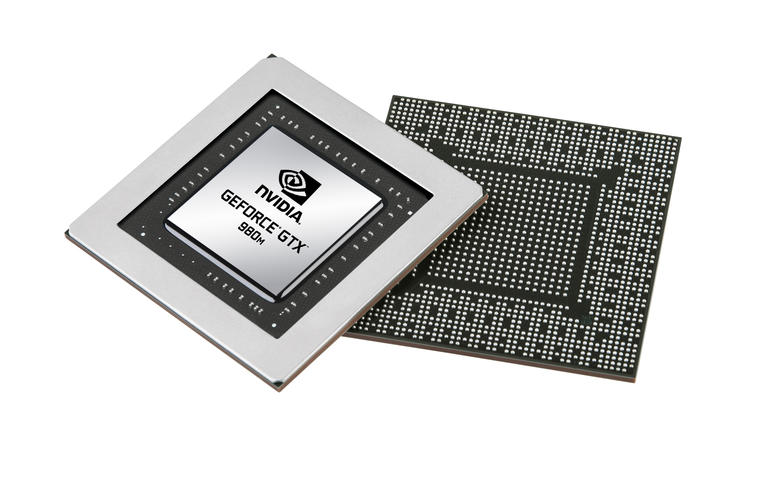
The Architecture of Integrated Graphics: How It Works
To understand the value of an integrated graphics card, one must first understand how it functions within the ecosystem of a computer’s motherboard. In a traditional setup, the CPU handles general logic and tasks, while the GPU handles the complex mathematical calculations required to render images, animations, and video.
The Concept of Shared System Memory
The most defining technical characteristic of an integrated graphics card is its lack of dedicated Video RAM (VRAM). Dedicated cards, such as an NVIDIA RTX or an AMD Radeon RX series, come equipped with their own high-speed memory (GDDR6) designed specifically for graphical data.
Integrated graphics, conversely, utilize a “Shared Memory Architecture.” This means the iGPU “borrows” a portion of the system’s total RAM (DDR4 or DDR5) to perform its duties. If your laptop has 16GB of RAM, the system might allocate 2GB specifically for the integrated graphics. While this makes the system more cost-effective and compact, it creates a technical trade-off: because system RAM is generally slower than dedicated VRAM and must be shared with the operating system and open applications, the graphical bandwidth is significantly lower than that of a discrete card.
Thermal Management and Power Efficiency
Because the iGPU is housed on the same silicon as the CPU, it shares the same power envelope and cooling solution. This is a massive technological advantage for mobile computing. A dedicated GPU requires its own fans and heat pipes, contributing to the bulk and weight of a laptop. By integrating the graphics into the processor, manufacturers can create ultra-thin devices like the MacBook Air or the Dell XPS 13. Furthermore, integrated graphics consume a fraction of the power required by dedicated cards, which is the primary reason why laptops with iGPUs boast significantly longer battery life during everyday tasks like web browsing or document editing.
The Evolution of Performance: From VGA to 4K
For many years, integrated graphics were dismissed by the tech community as “barely functional” components suited only for basic office work and low-resolution video playback. However, the last decade has seen a monumental shift in the capabilities of on-board silicon.
The Rise of the APU and Iris Xe
AMD revolutionized the market with the introduction of the Accelerated Processing Unit (APU), a marketing and technical term for a CPU and GPU combination that focuses on high-performance visuals. Their Ryzen processors with Radeon Graphics proved that integrated systems could handle 1080p gaming at modest settings.
Intel responded to this challenge by moving away from their basic “Intel HD Graphics” to the more robust “Intel Iris Xe” and “Intel Arc” integrated solutions. These modern iGPUs feature significantly more execution units (EUs) and higher clock speeds. Today’s integrated graphics are capable of driving multiple 4K monitors, hardware-accelerating 4K video playback (using codecs like AV1 and HEVC), and even supporting entry-level creative work in applications like Adobe Photoshop or Lightroom.
Apple’s Silicon Revolution
Perhaps the most significant leap in integrated graphics technology occurred with the transition to Apple Silicon (the M1, M2, and M3 chips). Apple moved toward a “System on a Chip” (SoC) architecture where the CPU, GPU, and Unified Memory are all housed in a single package. This isn’t just integrated graphics in the traditional sense; it is a highly optimized architecture where the GPU has high-speed access to the entire pool of system memory. This has blurred the lines between integrated and dedicated performance, allowing thin laptops to perform heavy video rendering tasks that previously required a workstation.
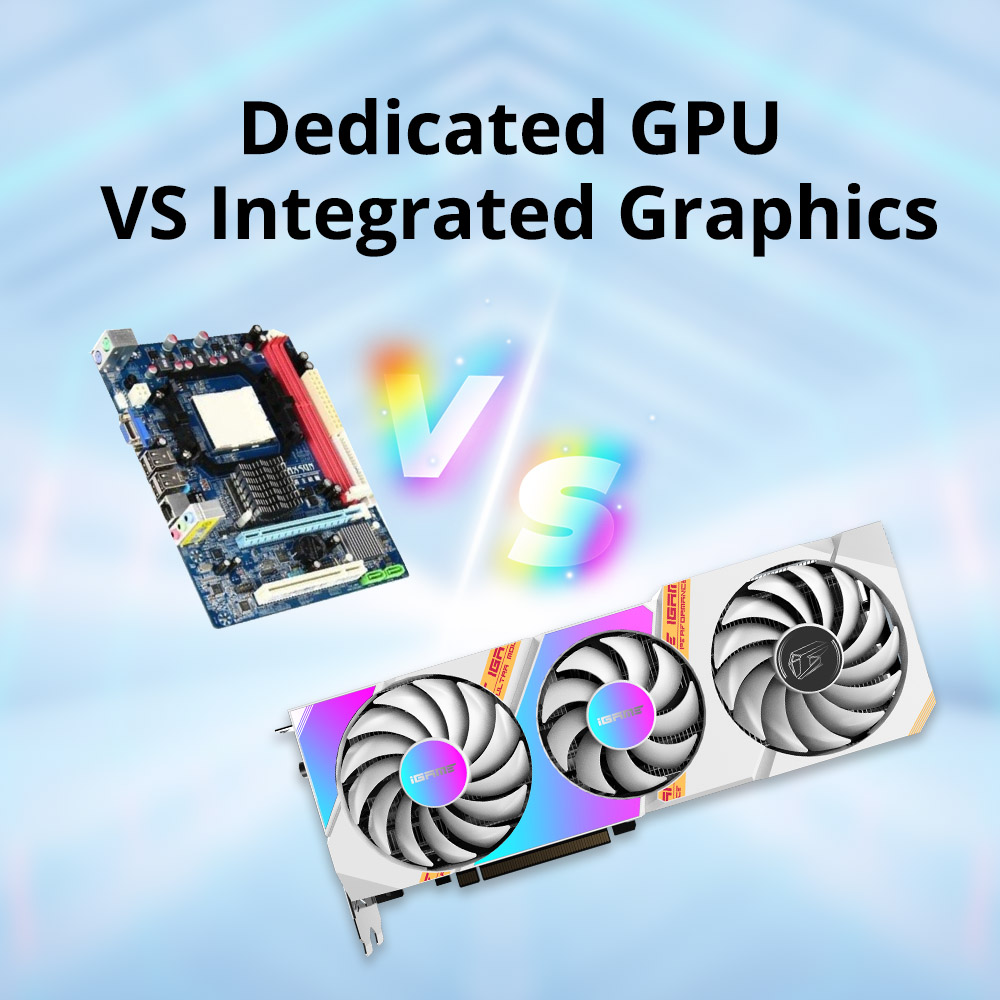
Advantages and Limitations of Integrated Solutions
Choosing between an integrated and a dedicated graphics card requires an understanding of the specific technological trade-offs involved. While iGPUs have become more powerful, they are not a universal replacement for discrete hardware.
Key Advantages: Portability and Value
- Form Factor: Integrated graphics allow for smaller, lighter, and more aesthetically pleasing hardware designs. Without the need for bulky cooling systems, engineers can focus on portability.
- Energy Consumption: They are incredibly efficient. When a laptop is running on battery, an iGPU draws minimal wattage, which is essential for “all-day” battery life claims.
- Cost: Including graphics on the CPU die reduces the total number of components needed, lowering the price of the final product for the consumer.
- Heat Reduction: Lower power draw leads to less heat generation, meaning the laptop’s fans (if it even has them) run less frequently and more quietly.
Technical Limitations: The Performance Ceiling
- Memory Bandwidth: Because they share system RAM, iGPUs struggle with the massive data throughput required for high-end gaming (AAA titles at Ultra settings) or complex 3D modeling.
- Thermal Throttling: Since the CPU and GPU are on the same chip, if one gets too hot, the other may have its performance “throttled” to prevent damage. This limits sustained high-performance output.
- Lack of Upgradability: In almost all cases, an integrated graphics solution cannot be upgraded. If the iGPU becomes obsolete, you generally have to replace the entire processor or the whole computer.
Who Is the Target Audience for Integrated Graphics?
In the current tech ecosystem, integrated graphics are no longer a “compromise” for the average user; they are often the most logical choice. Identifying your computing persona is key to determining if an iGPU is sufficient for your needs.
The Productivity and Business Professional
For users whose daily workflow consists of Microsoft Office, Slack, Zoom, and web browsers with dozens of open tabs, integrated graphics are more than sufficient. Modern iGPUs handle video conferencing with background blurring and high-definition screen sharing effortlessly. They are the gold standard for the modern “remote work” laptop.
The Casual Media Consumer and Student
If your primary use of a computer is streaming 4K content on Netflix or YouTube, managing a photo library, and writing papers, an integrated card is ideal. It provides a silent, cool, and responsive experience without the unnecessary cost of a dedicated chip.
The Entry-Level Creator and Gamer
Integrated graphics have reached a point where they can support “esports” titles like League of Legends, CS:GO, or Dota 2 at stable frame rates. They are also capable of handling 1080p video editing for social media. However, for those looking to play the latest ray-traced blockbusters or render complex 4K cinema files, a transition to a dedicated GPU remains necessary.
The Future of Integrated Graphics: Narrowing the Gap
The trajectory of semiconductor technology suggests that the gap between integrated and dedicated graphics will continue to shrink. We are entering an era of “Unified Computing,” where the distinction between different chips matters less than the efficiency of the entire system.
AI and Machine Learning Integration
Modern processors are now incorporating NPU (Neural Processing Unit) cores alongside the CPU and iGPU. This “tri-pillar” architecture allows the integrated graphics to offload certain tasks—like AI-driven image upscaling (similar to DLSS or FSR)—to other parts of the chip. This means future iGPUs will be able to produce higher-quality visuals using less raw power by leveraging artificial intelligence.

The Impact of Faster System RAM
As we move fully into the DDR5 era and look toward LPDDR5X and beyond, the primary bottleneck of integrated graphics—memory speed—is being addressed. Higher frequency RAM provides the iGPU with the bandwidth it needs to handle more complex textures and higher resolutions.
In conclusion, an integrated graphics card is a marvel of modern miniaturization. It represents the perfect marriage of efficiency and capability for the vast majority of computer users. While dedicated cards will always hold the crown for raw power, the integrated graphics card has become the silent engine driving the mobile revolution, making powerful computing accessible, portable, and remarkably efficient. Whether you are a student, a professional, or a casual gamer, the “graphics card” inside your processor is likely more than capable of powering your digital life.
aViewFromTheCave is a participant in the Amazon Services LLC Associates Program, an affiliate advertising program designed to provide a means for sites to earn advertising fees by advertising and linking to Amazon.com. Amazon, the Amazon logo, AmazonSupply, and the AmazonSupply logo are trademarks of Amazon.com, Inc. or its affiliates. As an Amazon Associate we earn affiliate commissions from qualifying purchases.