
In the sophisticated world of modern finance, the ability to manage risk is just as important as the ability to generate returns. While most novice investors are familiar with the concept of “buying low and selling high,” seasoned market participants often utilize a more versatile set of tools to navigate volatile markets. One of the most powerful instruments in this toolkit is the put option.
Often referred to simply as a “put,” this financial derivative provides investors with unique ways to hedge their portfolios against losses or speculate on a decline in an asset’s price. Understanding what a put is, how it functions, and the strategies surrounding its use is essential for anyone looking to transition from basic investing to advanced wealth management.
Understanding the Fundamentals of Put Options
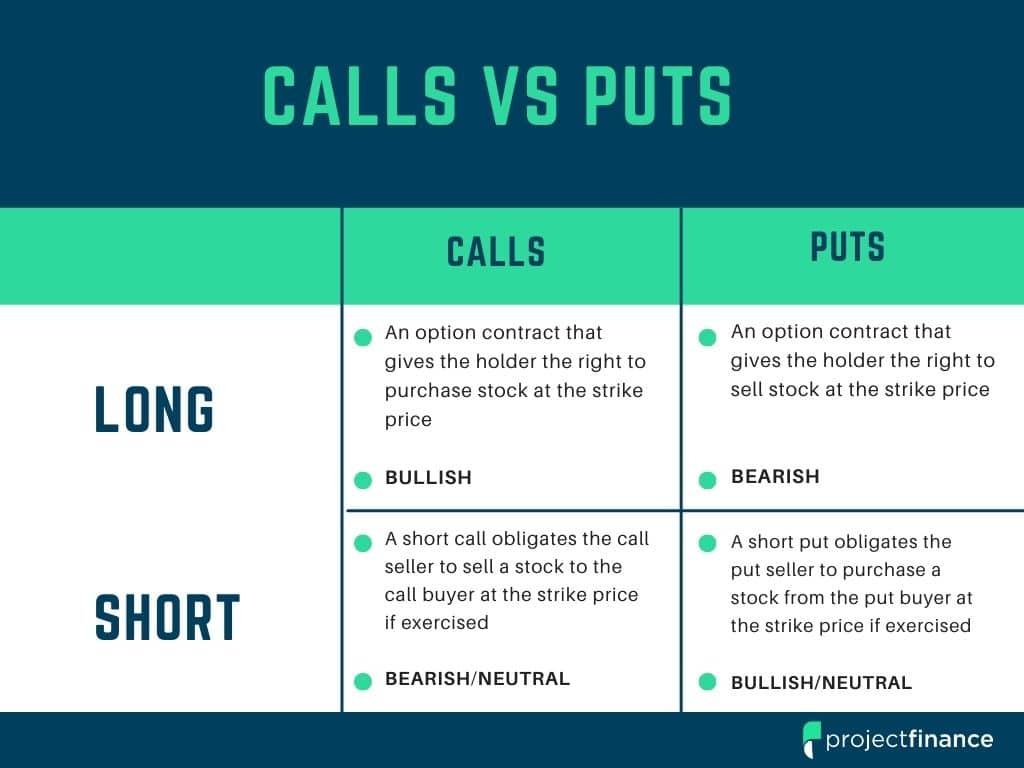
At its core, a put option is a contract between two parties: the buyer (holder) and the seller (writer). This contract grants the buyer the right, but not the legal obligation, to sell a specific amount of an underlying security—such as a stock, ETF, or index—at a predetermined price within a specified timeframe.
Definition and Mechanics
To visualize a put option, it is helpful to think of it as a form of “price insurance.” Just as you pay a premium to insure your home against fire, an investor pays a premium to “insure” their stock against a price collapse.
If the price of the underlying stock falls below the agreed-upon price (the strike price), the put holder can exercise their right to sell the stock at that higher strike price, thereby avoiding the loss that would have occurred at the current market price. If the stock price remains stable or rises, the buyer simply lets the option expire, losing only the premium paid for the contract.
Key Terminology: Strike Price, Expiration, and Premium
To navigate the options market, one must master three foundational terms:
- Strike Price: This is the fixed price at which the put holder can sell the underlying asset. It is the most critical component of the contract, as it determines whether the option has value.
- Expiration Date: Every option has a finite lifespan. Once the expiration date passes, the contract becomes null and void. Depending on the contract, this could be days, weeks, or months away.
- Premium: This is the market price of the option itself. It is the non-refundable fee the buyer pays to the seller for the rights granted by the contract. The premium is influenced by the stock price, the time remaining until expiration, and market volatility.
Why Investors Use Put Options
The versatility of put options allows them to be used for two primary, yet very different, purposes: risk mitigation and profit generation.
Hedging Against Market Volatility
The most common use of put options for long-term investors is the Protective Put. When an investor owns a significant amount of stock but fears a short-term market downturn, they can buy a put option.
If the market crashes, the increase in the value of the put option (or the ability to sell the stock at the strike price) offsets the losses in the stock portfolio. This strategy provides a “floor” for the investor’s potential losses, allowing them to remain invested for the long term without the anxiety of a total wipeout during periods of high volatility.
Speculating on Downward Price Movements
Not everyone who buys a put option actually owns the underlying stock. Some traders use puts to bet that a company’s stock price will fall. This is a “bearish” strategy.
The advantage of using puts for speculation, rather than “shorting” a stock directly, is the limitation of risk. When you short a stock, your potential loss is theoretically infinite if the stock price keeps rising. When you buy a put option, your maximum loss is strictly limited to the premium you paid for the contract, while your profit potential increases as the stock price drops toward zero.
Buying vs. Selling (Writing) Puts
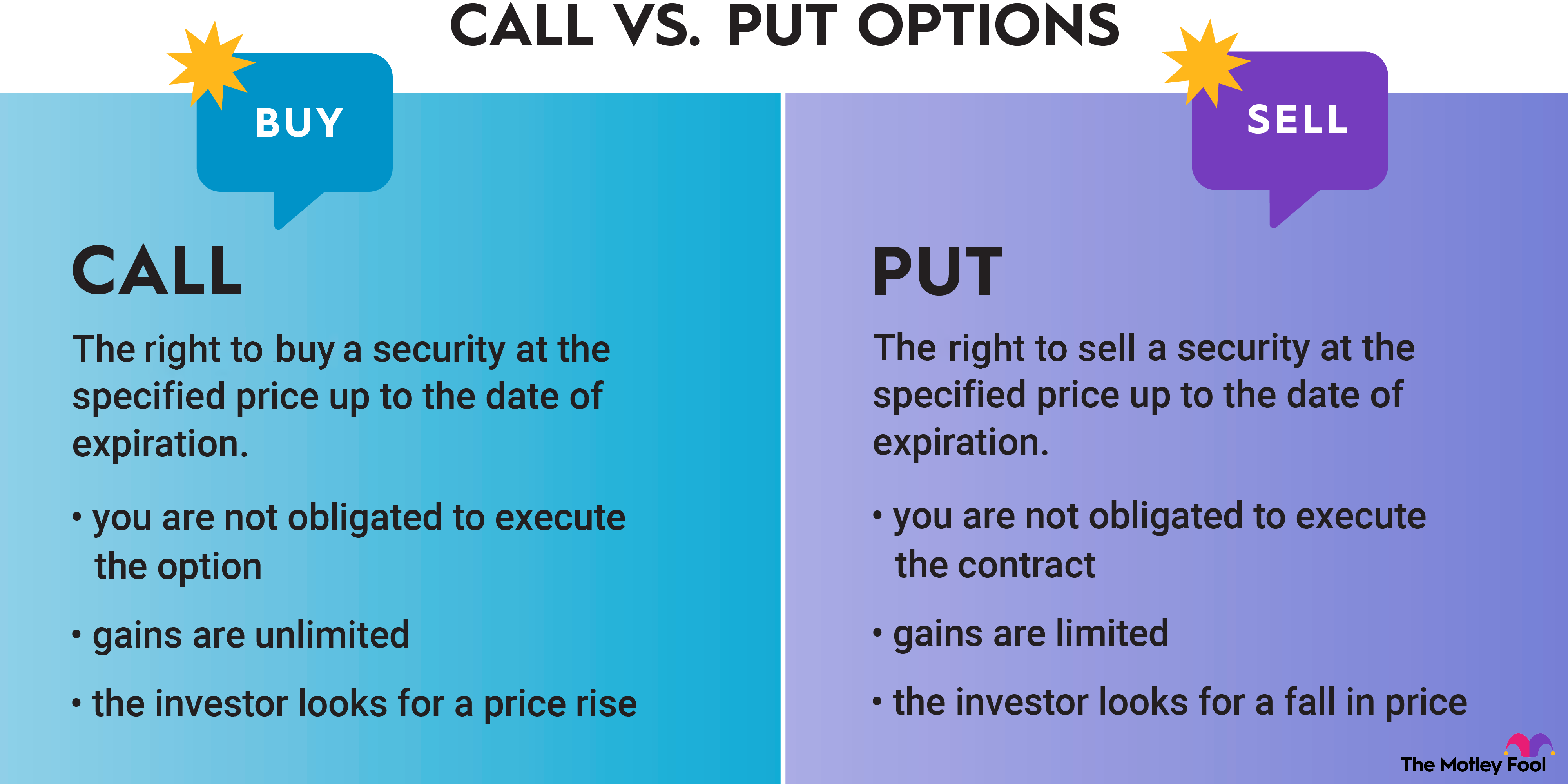
In every options trade, there is someone on the other side of the transaction. Understanding the difference between the buyer’s rights and the seller’s obligations is vital to a balanced financial strategy.
The Rights of a Put Buyer
The buyer of a put option is “Long Puts.” Their goal is typically for the stock price to drop significantly below the strike price. They have total control over whether or not the contract is exercised. This position is characterized by limited risk (the premium paid) and high potential reward. However, it is important to remember that most options expire worthless; therefore, the buyer must be correct about both the direction of the stock and the timing of the move.
The Obligations of a Put Seller (Naked vs. Cash-Secured)
The seller of a put option is “Short Puts.” They receive the premium upfront but take on the obligation to buy the underlying stock at the strike price if the buyer chooses to exercise the option.
- Cash-Secured Puts: This is a popular strategy for “value investors.” The seller keeps enough cash in their account to buy the stock if it is “put” to them. Essentially, they are being paid a premium for agreeing to buy a stock they like at a lower price than it is currently trading.
- Naked Puts: This occurs when a seller does not have the cash on hand to cover the purchase. This is a high-risk strategy, as a massive drop in the stock price can lead to significant margin calls and financial ruin.
Essential Factors Affecting Put Prices
Understanding why a put option costs $2.00 one day and $5.00 the next is the key to successful options trading. The price of an option is not arbitrary; it is governed by mathematical models that account for several variables.
Intrinsic vs. Extrinsic Value
The total premium of a put option is composed of two parts:
- Intrinsic Value: This is the “real” value of the option if it were exercised today. For a put, if the strike price is $50 and the stock is trading at $45, the intrinsic value is $5.00.
- Extrinsic Value (Time Value): This represents the “what if” factor. It is the additional amount buyers are willing to pay for the possibility that the stock will drop further before expiration. As the expiration date nears, extrinsic value shrinks—a phenomenon known as “time decay.”
The Role of Volatility and Time Decay (Theta)
Two of the most important “Greeks” in options trading are Vega (volatility) and Theta (time).
- Implied Volatility (IV): When the market is panicked, put prices skyrocket because the likelihood of a massive price drop increases. This means puts can become very expensive during a crisis.
- Theta: This is the silent killer for option buyers. Every day that passes reduces the extrinsic value of the option. If the stock price stays flat, the put buyer loses money every single day, while the put seller gains.
Risk Management and Strategic Implementation
While puts are powerful tools, they are not without danger. The leverage inherent in options can lead to rapid losses if not managed with discipline.
Calculating Potential Profits and Losses
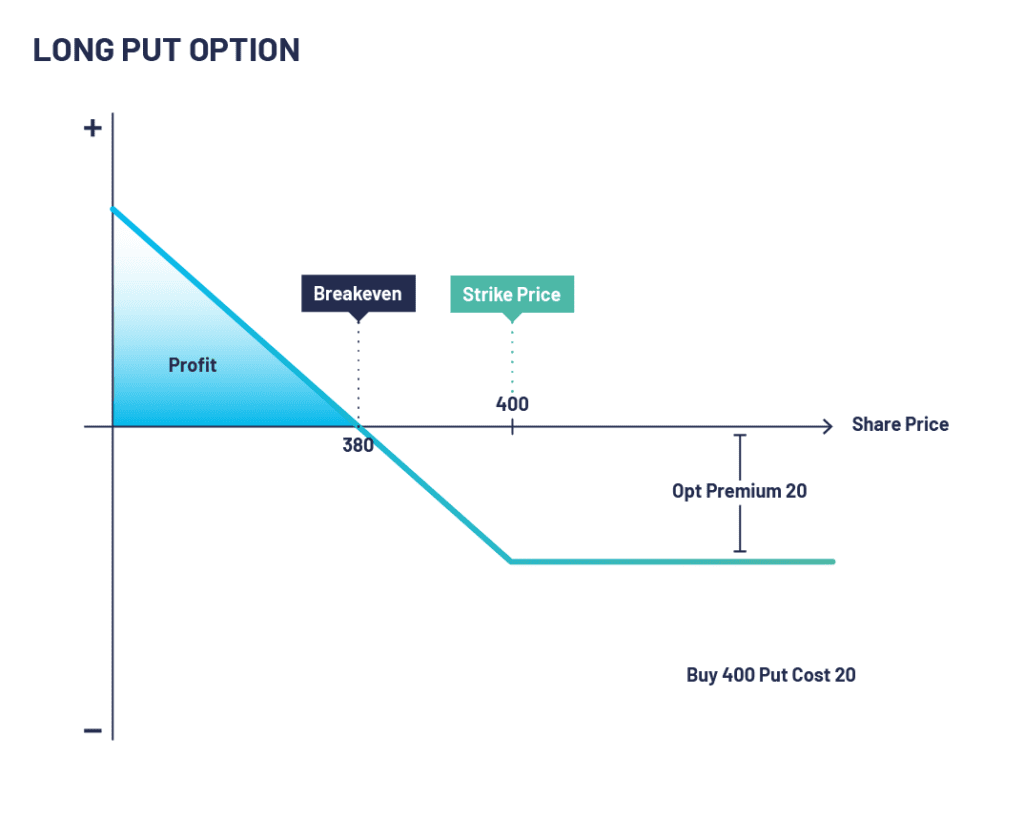
Before entering a put trade, an investor must identify their “Breakeven Point.” For a put buyer, the breakeven is the Strike Price minus the Premium Paid.
For example, if you buy a $100 strike put for a $5 premium, you only start making a profit once the stock drops below $95. If the stock ends at $98, you have lost $2 per share of your premium, even though the stock went down. This illustrates why timing and price targets are so critical in the “Money” niche of finance.
Incorporating Puts into a Diversified Portfolio
For the average person managing their personal finance, put options should not be the entirety of a portfolio. Instead, they should serve as a specialized tool for specific market conditions.
Strategic implementation might involve:
- Using protective puts during earnings season to guard against a “miss.”
- Selling cash-secured puts on blue-chip stocks as a way to generate monthly income (the “Wheel Strategy”).
- Using put spreads (buying one put and selling another at a lower strike) to reduce the cost of a bearish bet.
In conclusion, put options are a cornerstone of modern financial engineering. By providing a mechanism to profit from declines and protect against losses, they offer a level of flexibility that traditional stock ownership cannot match. Whether you are looking to safeguard your retirement fund or capitalize on a bearish market outlook, mastering the mechanics of the “put” is a significant step toward achieving true financial literacy and independence.
aViewFromTheCave is a participant in the Amazon Services LLC Associates Program, an affiliate advertising program designed to provide a means for sites to earn advertising fees by advertising and linking to Amazon.com. Amazon, the Amazon logo, AmazonSupply, and the AmazonSupply logo are trademarks of Amazon.com, Inc. or its affiliates. As an Amazon Associate we earn affiliate commissions from qualifying purchases.