
In the complex landscape of personal finance, few terms carry as much weight or cause as much confusion as a “credit charge-off.” For many consumers, the term sounds deceptively final—as if the debt has been erased or forgiven by the lender. However, the reality of a charge-off is far more nuanced and, unfortunately, more detrimental to one’s financial health than a simple missed payment. Understanding what a charge-off is, why it happens, and how it impacts your long-term creditworthiness is essential for anyone looking to navigate the challenges of debt management and financial recovery.
Defining the Credit Charge-Off: More Than Just a Missed Payment
At its core, a credit charge-off is a declaration by a creditor—usually a bank, credit card issuer, or retail lender—that a debt is unlikely to be collected. When a borrower fails to make payments for a significant period, the lender transitions the account from a “receivable” (money they expect to get back) to a “loss” on their balance sheet.
The Accounting Shift: Why Lenders Use the Term “Charge-Off”
It is important to distinguish between a charge-off and debt forgiveness. From an accounting perspective, a charge-off is an internal move. Federal regulations require lenders to write off delinquent accounts as losses after a specific timeframe to ensure their financial statements accurately reflect their assets. By “charging off” the debt, the company is telling its shareholders and regulators that it no longer views the debt as a reliable asset. However, this is an administrative action for the company, not a legal release for the borrower. You are still legally obligated to pay the debt.
The Timeline of Delinquency
A charge-off does not happen overnight. It is the culmination of a months-long breakdown in the borrower-lender relationship. Typically, for revolving credit like credit cards, a charge-off occurs after 180 days (six months) of non-payment. For installment loans, such as personal or auto loans, the window is often shorter, usually around 120 days. Before this point, the account will be marked as 30, 60, 90, and 150 days late. Each of these milestones serves as a warning, and the charge-off is the final step in the internal delinquency process.
The Far-Reaching Impact on Your Credit Score and Financial Future
The presence of a charge-off on a credit report is one of the most severe negative indicators a consumer can face, second only perhaps to bankruptcy. Because credit scores are designed to predict the likelihood of a borrower defaulting, a charge-off signals to future lenders that the borrower has already failed to meet their obligations.
Damage to Your Credit Report
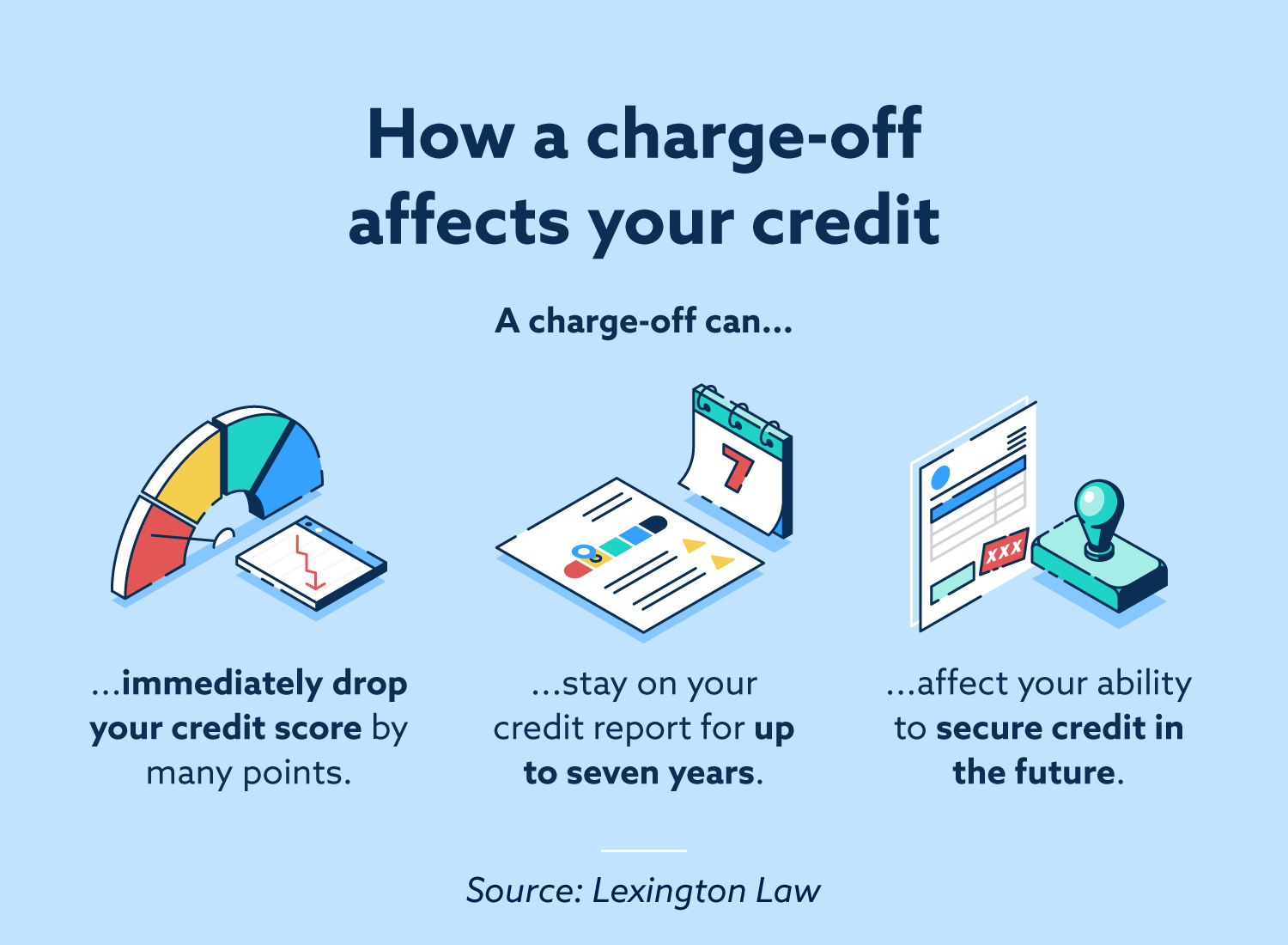
A charge-off can cause a credit score to plummet by 100 points or more, depending on the borrower’s starting score. The damage is twofold: first, the history of late payments leading up to the charge-off weighs heavily on the “payment history” category, which accounts for 35% of a FICO score. Second, the charge-off status itself remains on the credit report for seven years from the date of the first delinquency. Even as the impact fades slightly over time, the “major derogatory” label can prevent automated underwriting systems from approving new lines of credit.
Difficulty in Securing Future Financing
Beyond the score itself, the practical implications of a charge-off are significant. When applying for a mortgage, a car loan, or even a new credit card, lenders review the specific entries on your report. A charge-off suggests a high risk of loss for the lender. If you are approved for credit at all, it will likely come with “subprime” terms, including predatory interest rates and high fees. Furthermore, employers in the financial sector and many landlords perform credit checks; a charge-off can sometimes be a barrier to securing a high-level job or a desirable rental property.
Debunking the Myth: Do You Still Owe the Debt?
One of the most dangerous misconceptions about charge-offs is the belief that the debt is “gone.” This misunderstanding often leads consumers to ignore communication from collectors, which can exacerbate the problem.

The Role of Third-Party Debt Collectors
Once a debt is charged off, the original creditor may choose to do one of two things: continue to pursue the debt through an internal collections department or, more commonly, sell the debt to a third-party debt buyer. When a debt is sold, the original creditor receives a small fraction of the debt’s value, and the debt buyer now owns the right to collect the full amount. This is why you might see a new name appear on your credit report. The original account will show a balance of $0 and a “charged-off” status, while the new collection agency will list the full amount owed.
Legal Implications and Potential Lawsuits
Because the debt remains valid, the owner of that debt has the right to sue the borrower to recover the funds. If a debt collector wins a judgment in court, they may be granted the power to garnish wages, place liens on property, or freeze bank accounts, depending on state laws. It is crucial to be aware of the “statute of limitations” on debt in your specific state. While the charge-off stays on your credit report for seven years, the legal window in which a creditor can sue you varies by state and type of debt.
Strategic Steps to Handle a Charged-Off Account
Finding a charge-off on your credit report can be overwhelming, but it is not a financial dead end. There are several strategies to manage the situation and begin the process of mitigation.
Negotiating a Settlement or Full Payment
If you have the means, addressing the debt is often the best course of action. You can contact the current owner of the debt to negotiate a payment. Lenders are often willing to “settle” for less than the full amount if you can pay in a lump sum. While a “Paid Charge-Off” or “Settled Charge-Off” is still a negative mark, it looks significantly better to human underwriters than an “Unpaid Charge-Off.” It shows that you took responsibility for the obligation eventually.
Understanding “Pay for Delete” and Its Feasibility
A common strategy discussed in financial circles is “pay for delete,” where a borrower agrees to pay the debt only if the creditor removes the negative entry from the credit report entirely. While this is highly desirable, it is important to note that most reputable creditors and collection agencies will not agree to this, as they are contractually obligated by credit bureaus to report accurate information. However, it never hurts to ask for a “goodwill deletion” if the debt is paid in full.
Verifying the Accuracy of the Entry
Under the Fair Credit Reporting Act (FCRA), you have the right to dispute any information on your credit report that is inaccurate. If a charge-off is listed with the wrong date, an incorrect balance, or belongs to someone else entirely, you can file a dispute with the credit bureaus (Equifax, Experian, and TransUnion). If the creditor cannot verify the accuracy of the data within 30 days, they are legally required to remove the entry.
Rebuilding Your Financial Health After a Charge-Off
Recovery from a charge-off is a marathon, not a sprint. While the mark stays on your report for seven years, its influence diminishes as it ages, provided you take proactive steps to build a positive credit history in the meantime.
The Seven-Year Rule: Patience and Persistence
The Fair Credit Reporting Act dictates that most negative information must be removed from your credit report after seven years. This “purge” happens automatically. For a charge-off, the clock starts on the “date of first delinquency”—the date your first missed payment occurred that led to the charge-off. As you approach the end of this seven-year period, you will see a natural recovery in your credit score as the old data is cycled out.
Positive Credit Habits to Offset Negative Marks
While waiting for the charge-off to age, the best strategy is to “dilute” the negative information with new, positive data. This can be achieved through several methods:
- Secured Credit Cards: These require a cash deposit that serves as your credit limit. They are an excellent tool for those with damaged credit to prove they can manage revolving credit responsibly.
- Credit Builder Loans: Offered by many credit unions, these loans hold the borrowed amount in a savings account while you make monthly payments. Each payment is reported to the bureaus, building a positive payment history.
- On-Time Payments: Ensure that every other current obligation—utilities, rent (if reported), and existing loans—is paid on time, every time.
In conclusion, a credit charge-off is a serious financial hurdle, but it does not define your entire financial future. By understanding the mechanics of how charge-offs work, recognizing that the debt remains a legal obligation, and taking disciplined steps toward resolution and credit rebuilding, you can move past the setback. The key is to shift from a defensive posture to a proactive one, ensuring that while the past cannot be erased, the future is built on a foundation of sound financial management and informed decision-making.
aViewFromTheCave is a participant in the Amazon Services LLC Associates Program, an affiliate advertising program designed to provide a means for sites to earn advertising fees by advertising and linking to Amazon.com. Amazon, the Amazon logo, AmazonSupply, and the AmazonSupply logo are trademarks of Amazon.com, Inc. or its affiliates. As an Amazon Associate we earn affiliate commissions from qualifying purchases.