
In the rapidly evolving landscape of consumer electronics, few components have demonstrated the staying power of the “AUX cord.” Short for “auxiliary,” the AUX cord—specifically the 3.5mm TRS (Tip-Ring-Sleeve) connector—has served as the universal bridge between audio sources and output devices for decades. While wireless technology like Bluetooth and high-speed digital connectors like USB-C have attempted to phase it out, the auxiliary connection remains a gold standard for reliability, simplicity, and high-fidelity sound.
To understand what an AUX cord is, one must look beyond the simple wire and explore the intersection of electrical engineering, hardware design, and the historical evolution of media consumption. In this comprehensive guide, we will break down the mechanics, the advantages, and the enduring relevance of the auxiliary connection in a digital-first world.

The Anatomy and Mechanics of the AUX Cord
At its core, an AUX cord is an analog connection tool designed to transmit audio signals from one device to another. Unlike digital connections that transmit data in bits (0s and 1s), the AUX cord carries a continuous electrical voltage that mimics the sound wave itself. This is why it is classified as an “analog” interface.
Understanding the 3.5mm Jack and Plug
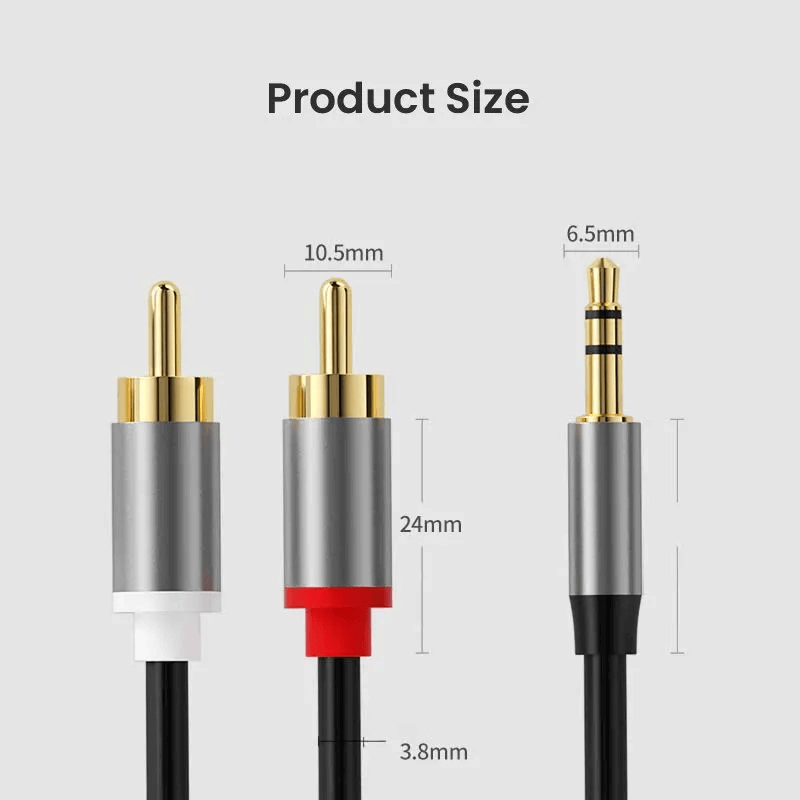
The most common form of an AUX cord is the 3.5mm miniature jack. This size was standardized to accommodate portable electronics, following the larger 6.35mm (1/4 inch) jacks used in professional audio and early telecommunications. The plug is divided into distinct sections by small, non-conductive rings (usually black or green). These sections determine the type of signal the cable can carry.
TS, TRS, and TRRS: What the Rings Mean
If you look closely at the tip of an AUX cord, you will see horizontal bands. These are critical to the cable’s function:
- TS (Tip-Sleeve): These have one ring and are typically used for mono signals. They are rare in consumer AUX cords but common in guitar cables.
- TRS (Tip-Ring-Sleeve): This is the standard for stereo audio. The “Tip” carries the left channel, the “Ring” carries the right channel, and the “Sleeve” acts as the ground. This configuration allows for the immersive “left-right” audio experience we expect from headphones and car speakers.
- TRRS (Tip-Ring-Ring-Sleeve): Found on most modern smartphone headsets, the extra ring allows for a third signal—usually a microphone or video signal—enabling two-way communication.
Signal Transmission and Shielding
Internally, an AUX cord consists of copper wiring. High-quality cables use “Oxygen-Free Copper” (OFC) to ensure the electrical signal encounters as little resistance as possible. Because analog signals are susceptible to electromagnetic interference (EMI) from nearby electronics, quality AUX cords feature “shielding”—a protective layer of foil or braided wire that prevents external noise from causing that dreaded “hum” or “buzz” in your speakers.
Why the AUX Cord Persists in a Wireless World
With the rise of Bluetooth 5.0 and the convenience of “True Wireless” earbuds, many predicted the death of the AUX cord. However, the technology has persisted because it offers several technical advantages that digital wireless protocols simply cannot match.
Lossless Audio Fidelity
When audio is transmitted over Bluetooth, it must be compressed. Codecs like SBC or AAC “shrink” the file size to fit through the wireless bandwidth, which can result in the loss of subtle audio details. In contrast, an AUX cord provides a direct, uncompressed path for the signal. For audiophiles using high-resolution files (FLAC or ALAC), the wired connection is the only way to ensure every frequency is delivered exactly as intended by the producer.
Eliminating Latency Issues
Latency is the delay between when a sound is generated and when it reaches your ears. In gaming, video editing, or music production, even a 100-millisecond delay can be disruptive. Bluetooth inherently suffers from latency due to the encoding and decoding process. An AUX cord, moving at the speed of electricity through copper, has near-zero latency, making it the preferred choice for professionals and gamers.
Reliability and “Plug-and-Play” Simplicity
There are no pairing modes, firmware updates, or battery concerns with an AUX cord. If the plug fits the jack, it works. This “universal” compatibility means a device from 1980 can easily connect to a speaker system built in 2024. This level of interoperability is rare in the tech world, where proprietary connectors often force consumers into “walled gardens.”

Connectivity and Compatibility: Where You’ll Find AUX Ports
While the 3.5mm jack has disappeared from many flagship smartphones, its presence remains dominant across a vast range of consumer and professional hardware.
The Automotive Ecosystem
For nearly two decades, the “AUX-in” port was the primary way drivers connected their MP3 players or phones to their car’s stereo system. Even as modern cars integrate Apple CarPlay and Android Auto, the physical AUX port remains a reliable backup for vehicles that lack sophisticated infotainment systems. It bypasses the often-clunky Bluetooth pairing menus found in older car models.
Home Audio and Entertainment
Home theater receivers, computer speakers, and soundbars almost universally feature an auxiliary input. This allows users to connect legacy devices like record players (via a preamp), CD players, or even older televisions that lack HDMI ARC or Optical outputs.
The Professional and Prosumer Market
In the world of professional audio, the auxiliary connection is a staple of mixers and studio monitors. While pros may use larger XLR or 1/4-inch cables for microphones, they rely on 3.5mm-to-dual-1/4-inch cables to patch consumer devices into professional soundboards. This versatility makes the AUX cord an essential tool in a technician’s “gig bag.”
Troubleshooting and Choosing the Right Cable
Not all AUX cords are created equal. Understanding the nuances of cable quality can prevent common audio issues and extend the life of your hardware.
Common Issues: Static and Loose Connections
The most frequent problem with AUX cords is “crackle” or static. This is usually caused by oxidation on the metal connectors or a break in the internal wiring near the “strain relief” (the part where the wire meets the plug).
- Cleaning: Using a small amount of isopropyl alcohol on the plug can often clear up static.
- Physical Wear: If the audio cuts out when the wire is moved, the internal copper strands have likely frayed, necessitating a replacement.
Features to Look For in a Premium Cable
When shopping for a replacement, focus on three technical aspects:
- Gold-Plated Connectors: Gold is highly resistant to corrosion. While it doesn’t necessarily improve sound quality over brand-new nickel, it ensures the connection remains clean over years of use.
- Nylon Braiding: Instead of a standard PVC jacket, many tech enthusiasts prefer nylon-braided cables. These are more resistant to tangling and can withstand significantly more “bends” before the internal wires fail.
- Step-Down Design: Look for a plug that has a small “step” at the base. This ensures the plug can fit into a phone or tablet even if the device is inside a bulky protective case.
The Future of Analog Audio in a Digital Age
The “removal of the headphone jack” started by Apple in 2016 sent shockwaves through the tech industry. Since then, the AUX cord has transitioned from a standard smartphone feature to a specialized tool for enthusiasts.
The Rise of the DAC (Digital-to-Analog Converter)
Modern smartphones that lack a 3.5mm port now rely on USB-C or Lightning adapters, often called “dongles.” These adapters actually contain a tiny chip called a DAC. This chip takes the digital data from the phone and converts it into the analog electrical signal that the AUX cord carries. For many audiophiles, this has led to the purchase of high-end external DACs that provide even better sound quality than the built-in jacks of old.
Will the AUX Cord Ever Truly Disappear?
As long as humans hear in analog (our ears do not process digital bits), we will need a way to convert digital files into analog waves. While the connector might change shape—shifting toward USB-C or proprietary wireless protocols—the fundamental concept of the “auxiliary” input is here to stay. It represents a bridge to the past and a high-fidelity insurance policy for the future.
In conclusion, the AUX cord is a masterclass in functional design. It is a simple tool that does one job perfectly: moving sound from point A to point B without interference, lag, or loss of quality. Whether you are a casual listener in an older car or a dedicated audiophile in a sound-dampened room, the auxiliary connection remains one of the most important “low-tech” solutions in our high-tech world.
aViewFromTheCave is a participant in the Amazon Services LLC Associates Program, an affiliate advertising program designed to provide a means for sites to earn advertising fees by advertising and linking to Amazon.com. Amazon, the Amazon logo, AmazonSupply, and the AmazonSupply logo are trademarks of Amazon.com, Inc. or its affiliates. As an Amazon Associate we earn affiliate commissions from qualifying purchases.