
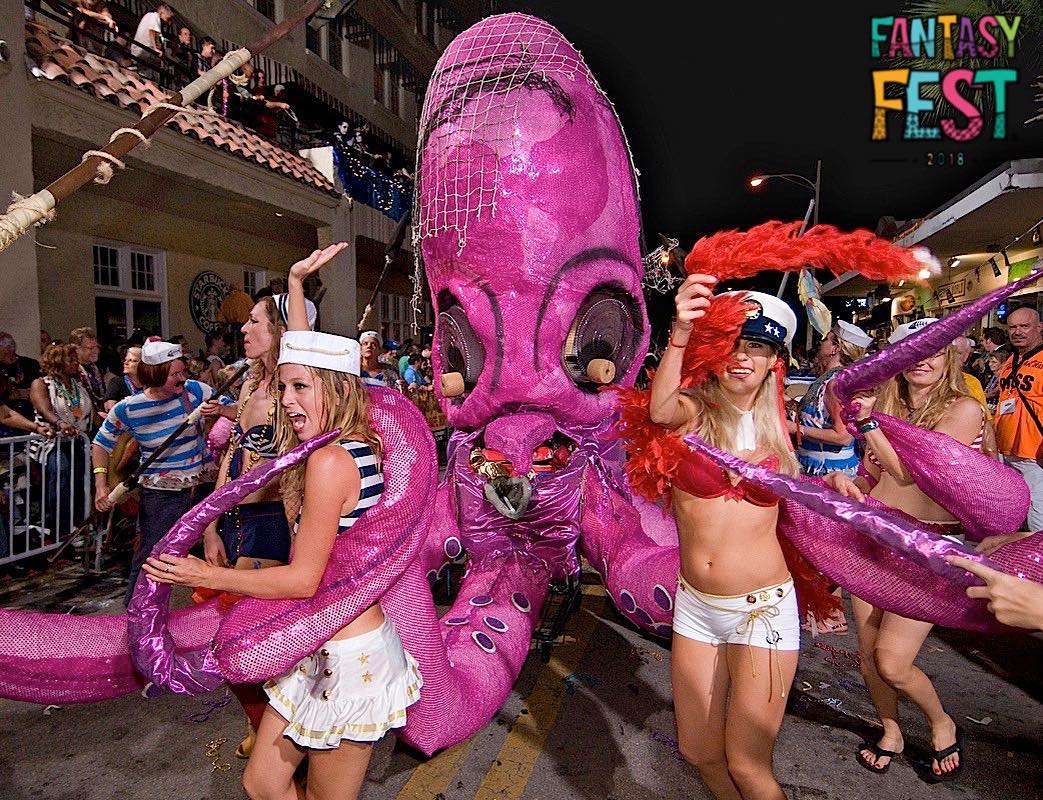
While many view Fantasy Fest in Key West as a ten-day whirlwind of costumes, parades, and street parties, seasoned financial analysts and local entrepreneurs view it through a different lens: a masterclass in seasonal economics and hyper-local wealth generation. What happens at Fantasy Fest is not just a cultural phenomenon; it is a critical fiscal engine that sustains the Florida Keys’ economy, driving millions in revenue and creating unique opportunities for side hustles, personal branding, and high-stakes hospitality investing.
To understand the mechanics of this event, one must look past the glitter and body paint to the underlying financial structures. From the surge in short-term rental yields to the specialized gig economy that thrives for a single fortnight, Fantasy Fest represents a unique intersection of personal finance and corporate strategy.

The Macro-Economic Impact: Driving Key West’s Fiscal Health
Fantasy Fest was originally conceived in 1979 by local businessmen to fill the “dead zone” of October—a month that historically saw plummeting tourism numbers. Decades later, the festival has evolved into a $30 million+ economic powerhouse. This section explores how the event functions as a cornerstone of the regional economy.
Tourism Revenue and Tax Contributions
The primary driver of “what happens” at Fantasy Fest is the influx of nearly 100,000 visitors to an island that usually houses only 25,000 residents. This 400% population surge results in a massive injection of capital into the local government through sales tax and the “bed tax” (transient lodging tax). These funds are frequently diverted back into infrastructure, beach restoration, and public services, proving that the festival is a vital component of the city’s annual budget.
The Hospitality Surge and Profit Margins
For local hotels, bars, and restaurants, Fantasy Fest is the most profitable period of the fiscal year. During this window, “dynamic pricing” reaches its peak. Room rates often triple or quadruple compared to off-peak periods, with many establishments requiring a minimum five-night stay. For a business owner, the objective is to maximize the Average Daily Rate (ADR) and Revenue Per Available Room (RevPAR). This surge allows many businesses to maintain liquidity throughout the slower summer months, making the festival a literal lifesaver for the hospitality sector.
Infrastructure and Security Investment
A massive part of the festival’s budget—and the city’s expenditure—goes into logistics. Managing a crowd of 100,000 in a town with narrow streets requires sophisticated financial planning for security, sanitation, and emergency services. The ROI (Return on Investment) for the city is measured not just in immediate tax receipts, but in the sustained viability of the Key West brand as a global destination.
Personal Finance and Budgeting for the Strategic Attendee
From a personal finance perspective, attending Fantasy Fest requires meticulous planning. Unlike a standard vacation, the high-demand environment of Key West in late October necessitates a strategic approach to spending and capital allocation to ensure the experience provides high utility without long-term debt.
Navigating Accommodation Inflation
The largest line item for any attendee is lodging. Financial experts suggest that to mitigate the impact of price gouging, attendees should look into “Points and Miles” strategies or book at least 11 months in advance. Many savvy travelers utilize “house hacking” strategies by renting large villas and splitting the costs among groups, significantly lowering the per-person capital outlay while maintaining proximity to the festivities.
The Cost of Participation: Outfitting and Logistics
What happens at Fantasy Fest is largely defined by its themed nights, which require significant investment in costumes and body art. High-end body painting can cost anywhere from $200 to $600 per session. For the budget-conscious, this represents a discretionary expense that must be weighed against other travel costs. Attendees often treat these expenses as “experience investments,” prioritizing unique social capital over traditional luxury amenities like fine dining.
Strategic Spending: Avoiding the “Tourist Trap” Premium
Seasoned visitors manage their daily cash flow by avoiding the “Duval Street Premium.” By moving just a few blocks away from the main parade route, costs for food and beverage drop by 30-40%. Understanding the geography of the island’s economy is the difference between a trip that costs $2,000 and one that spirals toward $5,000.

Entrepreneurship and Side Hustles: Capitalizing on the Crowd
For locals and “digital nomads” who flock to the island, Fantasy Fest is the ultimate opportunity for high-margin side hustles. The event creates niche markets that do not exist at any other time of the year, providing a blueprint for seasonal entrepreneurship.
The High-Demand Gig Economy: Body Painting and Glamour
One of the most lucrative “online to offline” income streams during Fantasy Fest is professional body painting. Artists use social media platforms like Instagram and TikTok to build their portfolios and book appointments months in advance. Because the demand far outstrips supply, artists can command premium hourly rates, often earning a significant portion of their annual income in just ten days. This is a prime example of a specialized skill set meeting a time-sensitive market need.
Real Estate Monetization and Short-Term Rentals
Local homeowners often engage in “temporary relocation” to capitalize on the festival. By listing their primary residences on platforms like Airbnb or VRBO during the peak week, residents can often cover their entire mortgage for several months with a single week’s rental income. This form of passive-to-active income generation is a staple of the Key West financial ecosystem, though it requires careful navigation of local zoning laws and short-term rental regulations.
Creative Service Markets
Beyond the obvious, other side hustles thrive. Private concierge services, mobile costume repair, and specialized transportation (pedicabs) see a massive uptick in demand. The “pedicab economy” in particular is fascinating; during the parade night, a driver can earn more in tips than many professional office workers earn in a week, provided they have the physical stamina and the right permit.
Risk Management and Long-Term Business Strategy
For the business owners of Key West, what happens at Fantasy Fest is a test of operational efficiency and risk management. Running a business at 400% capacity requires a unique set of financial safeguards.
Insurance and Liability Mitigation
With large crowds and an environment that encourages uninhibited behavior, liability insurance is a major overhead cost. Businesses must invest in comprehensive coverage to protect against property damage or personal injury claims. From a business finance perspective, the premiums paid for “special event coverage” are a necessary deduction to protect the long-term equity of the establishment.
Supply Chain Management and Inventory Turnover
Managing inventory during a ten-day spike is a logistical nightmare that can make or break a business’s quarterly earnings. Over-ordering leads to waste and tied-up capital; under-ordering leads to missed revenue opportunities. The most successful businesses utilize historical data and predictive analytics to ensure their supply chains are optimized for the specific demands of the festival—typically high volumes of beverages and quick-service food.
Post-Event ROI Analysis
After the glitter is swept away, the final stage of Fantasy Fest is the audit. Local businesses and the city council perform deep dives into the numbers. They analyze the cost of labor versus the total revenue generated to determine the true net profit. This data-driven approach ensures that the following year’s festival can be even more financially optimized, proving that while Fantasy Fest may look like a chaotic party, it is managed with the precision of a Fortune 500 company.
Conclusion
What happens at Fantasy Fest Key West is a sophisticated economic cycle that rewards preparation, entrepreneurship, and strategic financial planning. For the city, it is a vital injection of capital that funds public life. For the entrepreneur, it is a high-stakes opportunity for seasonal income. For the attendee, it is an exercise in discretionary budgeting and value-based spending.
By viewing the festival through the lens of money and business, we see a different side of the celebration: one where costumes are investments, street parties are revenue streams, and the spirit of Key West is sustained by a robust and resilient financial foundation. Whether you are looking to invest in the hospitality sector or simply want to manage your travel budget effectively, understanding the fiscal heartbeat of Fantasy Fest is the key to mastering this unique Florida landscape.
aViewFromTheCave is a participant in the Amazon Services LLC Associates Program, an affiliate advertising program designed to provide a means for sites to earn advertising fees by advertising and linking to Amazon.com. Amazon, the Amazon logo, AmazonSupply, and the AmazonSupply logo are trademarks of Amazon.com, Inc. or its affiliates. As an Amazon Associate we earn affiliate commissions from qualifying purchases.