
Texting has transcended its initial role as a mere convenience to become an indispensable pillar of modern communication. From quick updates to nuanced conversations, it underpins personal relationships, professional collaborations, and even commercial interactions. Yet, behind the seemingly simple act of sending a message lies a complex interplay of technology, evolving language, and human psychology. To truly understand “what does in texting” implies grappling not just with its surface-level meanings, but with the intricate digital infrastructure that enables it, the unique lexicon it has spawned, and the profound impact it has on our daily lives.

This article delves into the technological evolution of texting, dissects its unique linguistic conventions, explores the critical dimensions of security and privacy inherent in digital messaging, and examines the pervasive human-technology interface it has forged. By unraveling these layers, we gain a comprehensive insight into the true meaning and mechanics of communicating “in texting.”
The Technological Backbone: How Texting Works and Has Evolved
The journey of texting began with humble origins, constrained by technical limitations, and has since blossomed into a sophisticated ecosystem driven by powerful applications and advanced network protocols. Understanding this evolution is key to appreciating the current landscape of digital communication.
SMS and MMS: The Original Digital Messengers
Before the era of smartphones and ubiquitous internet access, texting was synonymous with Short Message Service (SMS). Introduced in the early 1990s, SMS messages were delivered over the same cellular networks used for voice calls, operating on what’s known as the Signaling System 7 (SS7) protocol. Each message was capped at 160 characters, a constraint that famously spurred the creation of abbreviations and a concise communication style. SMS was reliable and pervasive, largely because it didn’t require an internet connection, relying instead on the cellular network’s control channels, which are always active to manage calls and network traffic. This ‘always-on’ nature made it a dependable, albeit basic, form of text communication.
The subsequent introduction of Multimedia Messaging Service (MMS) marked a significant upgrade. MMS allowed users to send richer content, such as images, audio clips, and short video files, by bundling them into a larger message that could exceed the SMS character limit. However, MMS still relied on the cellular network’s data capabilities (often more rudimentary than today’s mobile broadband), could be expensive, and often suffered from compatibility issues between different carriers and devices, leading to fragmented user experiences. Both SMS and MMS are considered “telco-dependent” as their delivery, reliability, and cost are managed directly by mobile network operators.
The Rise of Over-the-Top (OTT) Messaging Applications
The advent of smartphones and pervasive mobile internet connectivity paved the way for a paradigm shift: Over-the-Top (OTT) messaging applications. Services like WhatsApp, iMessage, Telegram, Signal, and Facebook Messenger bypassed traditional cellular networks for message delivery, instead leveraging the internet connection (Wi-Fi or mobile data) on users’ devices. This fundamental change unlocked a wealth of new possibilities and dramatically reshaped the texting experience.
OTT apps offer a multitude of features that SMS/MMS could not, including unlimited character counts, seamless rich media sharing (high-resolution photos, long videos, voice notes), group chats with hundreds of participants, voice and video calls, location sharing, and sophisticated file transfers. Their internet-based nature also eliminated per-message costs, shifting the financial model from telco charges to data plan usage. Furthermore, the client-server architecture of these apps allowed for rapid feature development and global reach, fostering truly international and cross-platform communication. These applications are continuously evolving, integrating AI, payment systems, and even social networking functionalities, blurring the lines between pure messaging and comprehensive digital platforms.
The Promise of Rich Communication Services (RCS)
Despite the dominance of OTT apps, a significant portion of the global population still relies on traditional SMS, especially in regions with lower smartphone adoption or less stable internet infrastructure. Recognizing this gap, and as an effort by the telecommunications industry to reclaim some ground from OTT providers, Rich Communication Services (RCS) emerged. RCS is often touted as the “SMS successor” or “SMS 2.0” because it aims to bring many of the advanced features of OTT apps (read receipts, typing indicators, high-res photos, group chat enhancements, improved security) directly into the native messaging app on Android phones, without requiring a separate download.
RCS works over mobile data or Wi-Fi, similar to OTT apps, but is integrated at the carrier level, offering a more seamless experience for users whose default messaging app supports it. While Apple’s iMessage already provides a similar rich experience for iPhone users (operating as an OTT service between iPhones and falling back to SMS/MMS for Android users), RCS seeks to standardize a rich messaging experience across the broader Android ecosystem and eventually, potentially, even between Android and iOS. However, its full adoption has faced challenges related to carrier rollout, device compatibility, and interoperability across different networks.
Decoding the Digital Dialect: The Language Systems Within Texting
Beyond the technological delivery mechanisms, “what does in texting” is equally about understanding the unique language that has evolved within this medium. Texting has given rise to its own lexicon, grammar, and emotional cues, profoundly influencing how we communicate and interpret messages.
The Efficiency of Abbreviations and Acronyms
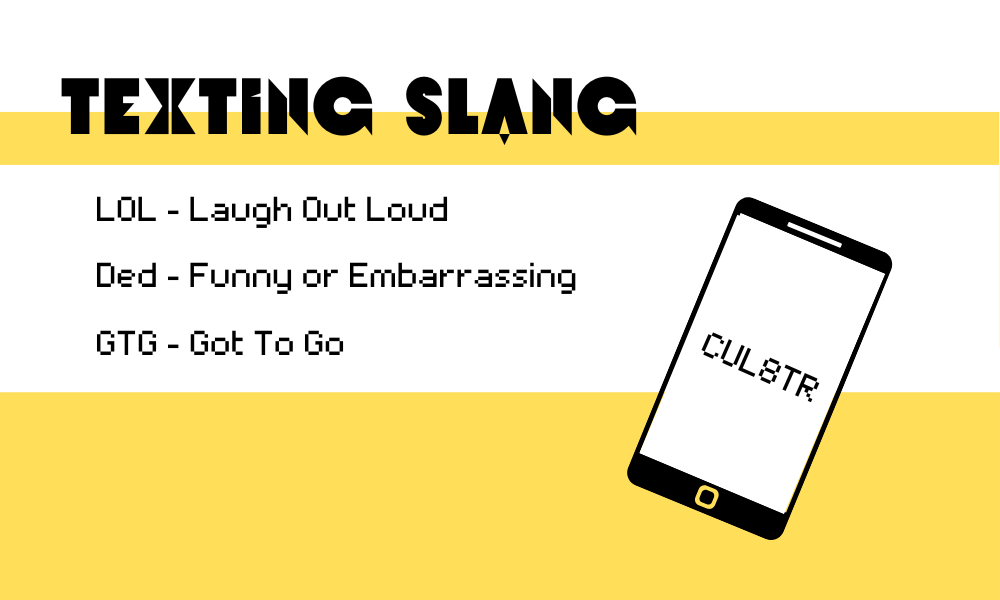
Driven initially by the 160-character limit of SMS and the desire for rapid communication, abbreviations and acronyms became a cornerstone of texting language. Terms like “LOL” (laughing out loud), “BRB” (be right back), “IMHO” (in my humble opinion), and “FYI” (for your information) entered common parlance, transcending their original digital confines to appear in spoken language. Their purpose extends beyond mere brevity; they convey an informal tone, signal a degree of digital fluency, and contribute to the speed at which conversations can unfold.
Modern texting apps, with their unlimited character counts, have reduced the necessity for extreme abbreviation, but many have persisted due to cultural inertia and the ingrained desire for efficiency. Predictive text and autocorrect features, while generally helpful, can sometimes interfere with the deliberate use of unconventional abbreviations or slang, prompting users to consciously override them to maintain the desired digital dialect.
The Expressiveness of Emojis, Emoticons, and GIFs
The absence of non-verbal cues – tone of voice, facial expressions, body language – in text-based communication presented an immediate challenge for conveying emotion and nuance. This gap was filled, first by emoticons (e.g., :), :(), which used keyboard characters to create rudimentary faces, and then by the explosion of emojis. Emojis, standardized by the Unicode Consortium, are pictographs that represent a vast array of emotions, objects, activities, and concepts. They serve as a universal visual language, capable of adding humor, sarcasm, emphasis, or clarity where words alone might fall short.
The integration of emojis into keyboard interfaces across all operating systems has made them ubiquitous. Beyond single emojis, animated GIFs (Graphics Interchange Format) have further enriched visual communication, allowing users to share short, looping video clips that often encapsulate reactions, pop culture references, or comedic timing. These visual elements are crucial technologies for adding personality and emotional depth to text messages, helping to prevent misinterpretation and fostering more engaging interactions.
Context, Tone, and Punctuation in the Absence of Verbal Cues
One of the most significant challenges “in texting” is the potential for miscommunication due to the lack of verbal cues. A simple sentence like “Okay.” can be interpreted very differently depending on whether it’s read with a neutral, frustrated, or enthusiastic tone. In text, subtle changes in punctuation can carry immense weight. An exclamation mark (e.g., “Okay!”) can convey enthusiasm, while a period at the end of a short sentence (e.g., “Okay.”) can sometimes be perceived as passive-aggressive or dismissive in informal contexts, where punctuation might otherwise be omitted.
Technological features have emerged to mitigate some of these challenges. “Typing indicators” (the animated dots that show someone is typing) create a sense of presence and anticipation, bridging the real-time gap. “Read receipts” inform senders whether their message has been seen, managing expectations around response times, though they can also add pressure. Despite these advancements, users still navigate a complex landscape of interpreting intent, often relying on established relationship dynamics, prior conversational context, and a shared understanding of digital etiquette to infer tone. This highlights the ongoing human effort to adapt to and interpret communication within technological constraints.
Security and Privacy in the Texting Ecosystem
As texting became central to our lives, the security and privacy of these digital conversations emerged as paramount concerns. The technology behind messaging services plays a crucial role in safeguarding our personal information and communications.
End-to-End Encryption: The Gold Standard
The most robust technological advancement in message security is End-to-End Encryption (E2EE). E2EE ensures that only the sender and the intended recipient can read the messages. During transmission, messages are encrypted at the sender’s device and remain encrypted until they reach the recipient’s device, where they are decrypted. This means that no intermediaries – not the messaging app provider, not internet service providers, nor potential eavesdroppers – can access the plain text of the conversation.
Messaging apps like Signal, WhatsApp (by default), and Apple’s iMessage (between Apple devices) have implemented E2EE, making them significantly more secure for sensitive communications than services without it. E2EE relies on cryptographic keys generated and stored on the users’ devices, employing complex algorithms to scramble and unscramble messages. Understanding that a messaging service offers E2EE is a critical factor for users prioritizing privacy, as it directly impacts who has access to their most personal digital interactions.
Data Collection and Metadata Concerns
While E2EE protects the content of messages, many messaging apps still collect a significant amount of metadata. Metadata includes information about who communicated with whom, when, how frequently, and sometimes even their approximate location. For instance, a messaging service might know that Alice messaged Bob at 3:15 PM on Tuesday, even if it cannot read the message itself. This data can be immensely valuable for advertising, analytics, and, in some cases, for law enforcement.
The terms of service for various apps detail what metadata they collect and how it is used. Some services, like Signal, pride themselves on collecting minimal metadata, while others, particularly those part of larger social media ecosystems, may collect more extensive datasets. Users must be aware that even with E2EE, the patterns of their communication – the “who, when, and where” – might still be accessible to the service provider, raising ongoing privacy considerations regarding their digital footprint.
Safeguarding Against Scams and Phishing
The ubiquity of texting also makes it a fertile ground for malicious activities, primarily “smishing” (SMS phishing) and various forms of scams. These attacks often involve sending deceptive text messages designed to trick users into revealing personal information (passwords, bank details), clicking on malicious links, or downloading malware. Scammers leverage urgency, impersonation (e.g., pretending to be a bank, government agency, or a familiar contact), and social engineering tactics to exploit trust.
Technological defenses against these threats include spam filters implemented by carriers and app providers, which attempt to identify and block suspicious messages. Some apps also allow users to easily report spam or block unwanted numbers. However, the first line of defense remains user vigilance. Understanding that unsolicited messages asking for personal information or directing to unknown links are likely scams, and knowing how to verify legitimate communications, is crucial for maintaining digital security “in texting.”
The Human-Technology Interface: Impact and Interaction
Texting isn’t just a technical system; it’s a profound interface between humans and technology, shaping our relationships, social norms, and even our cognitive processes. The impact of “what does in texting” extends far beyond the message itself.
Bridging Gaps, Creating Connections
At its heart, texting technology has revolutionized accessibility to communication. It allows for asynchronous interaction, meaning people don’t need to be available at the same time to communicate, fostering connections across time zones and busy schedules. Group chats, a staple of OTT apps, have become virtual community hubs, enabling families, friends, and colleagues to stay constantly connected, plan events, share updates, and offer support. For many, texting offers a less intimidating way to communicate than phone calls, especially for quick questions or non-urgent matters. It has empowered individuals, particularly those with social anxieties or hearing impairments, to participate more fully in digital conversations.
Miscommunication and Digital Fatigue
Despite its benefits, the text-based nature of this medium also presents challenges. The lack of non-verbal cues can still lead to misinterpretations, misunderstandings, and unintentional offense. What one person intends as lighthearted humor might be perceived as sarcasm or anger by another. The “always-on” nature of texting can also contribute to digital fatigue and an expectation of instant responsiveness, blurring the lines between work and personal life and creating a sense of being constantly “on call.” The constant influx of notifications can be disruptive, impacting concentration and mental well-being. Smart notification management features, mute functions, and “do not disturb” modes are technological attempts to mitigate these downsides, allowing users to regain some control over their digital availability.
The Future of Texting: AI, AR, and Beyond
The evolution of texting is far from over. Future innovations will likely continue to integrate artificial intelligence (AI) and augmented reality (AR) to enhance the user experience. AI is already seen in predictive text, smart replies, and language translation features within messaging apps, making communication faster and more inclusive. Imagine AI assistants that can summarize long group chats or suggest optimal times for meetings based on your calendar. Augmented reality could introduce richer, interactive messaging experiences, such as 3D emojis that appear in your real-world environment through your phone’s camera, or virtual objects that can be manipulated collaboratively within a chat.
Furthermore, texting will likely become even more seamlessly integrated with other smart devices, from wearables and smart home systems to vehicles, making communication an omnipresent and contextual part of our digital lives. The concept of “what does in texting” will continue to expand, encompassing increasingly sophisticated interactions between humans and intelligent technological interfaces.

Conclusion
To ask “what does in texting” is to open a Pandora’s box of technological innovation, linguistic evolution, security considerations, and profound human impact. It’s about understanding that a seemingly simple message travels through a complex network, interpreted by an ever-changing digital dialect, and framed by considerations of privacy and personal interaction. From the basic character limits of SMS to the encrypted, feature-rich ecosystems of modern OTT apps and the promising future of RCS, the technology behind texting continuously evolves to meet our demands for faster, richer, and more secure communication.
As users, appreciating the underlying technology, being fluent in its unique linguistic conventions, prioritizing security measures like E2EE, and critically assessing the metadata we share are all crucial aspects of informed digital literacy. Texting remains a dynamic and indispensable tool, constantly reshaping how we connect, share, and interact in the digital age. By understanding its multifaceted nature, we can better navigate its complexities and harness its power for more effective and responsible communication.
aViewFromTheCave is a participant in the Amazon Services LLC Associates Program, an affiliate advertising program designed to provide a means for sites to earn advertising fees by advertising and linking to Amazon.com. Amazon, the Amazon logo, AmazonSupply, and the AmazonSupply logo are trademarks of Amazon.com, Inc. or its affiliates. As an Amazon Associate we earn affiliate commissions from qualifying purchases.