
In the intricate landscapes of business, negotiation, and personal development, the term “ultimatum” often carries a formidable weight, conjuring images of high-stakes demands and decisive turning points. Far from being confined to personal relationships or political disputes, the concept of an ultimatum — a final demand or statement of terms, the rejection of which will result in a breakdown of relations or a resort to specified consequences — holds profound implications within the realm of branding. Whether it pertains to personal branding, corporate identity, marketing strategy, or strategic partnerships, understanding the meaning and strategic deployment of an ultimatum is critical for brand managers, entrepreneurs, and individuals striving to define their market presence.

This article delves into what an ultimatum truly means when viewed through the lens of branding, exploring its strategic uses, potential pitfalls, and the ethical considerations that must accompany its application. We will unravel how this potent tool can shape perceptions, solidify positions, and, if mishandled, irrevocably damage a brand’s most valuable asset: its reputation.
The Strategic Anatomy of an Ultimatum in Branding
At its core, an ultimatum in branding is a clear, unequivocal statement of terms that, if not met, triggers a predefined and often undesirable outcome for one or more parties. It’s a mechanism designed to force a decision, often under time pressure, and to assert a non-negotiable boundary. However, unlike casual demands, a branding ultimatum is typically rooted in a deeper strategic objective, aimed at safeguarding brand integrity, achieving specific market positioning, or enforcing core values.
The Core Nature of a Final Demand
An ultimatum is not merely a strong request; it embodies a definitive “take it or leave it” proposition. In branding, this might manifest in various forms: a company stipulating non-negotiable terms for a partnership that aligns with its brand values, an individual defining strict boundaries for collaboration to protect their personal brand image, or even a marketing campaign setting a final deadline for a limited offer. The defining characteristic is the clear articulation of consequences for non-compliance, which fundamentally alters the power dynamic and demands immediate consideration.
Ultimatums Beyond the Personal Realm: Business Implications
While often associated with personal conflicts, ultimatums are powerful tools in corporate strategy. A brand might issue an ultimatum to a supplier regarding quality standards, threatening to terminate the contract if compliance isn’t met, thereby protecting its commitment to excellence. Similarly, a technology giant might present an ultimatum to a smaller startup during acquisition talks, dictating terms that secure its market dominance or intellectual property. These are not emotional outbursts but calculated moves designed to protect assets, secure strategic advantages, or uphold foundational brand promises that resonate with the target audience.
The Double-Edged Sword of Strategic Leverage
The power of an ultimatum lies in its ability to exert leverage. By clearly stating the costs of inaction or refusal, it can galvanize parties into making swift decisions. However, this leverage is inherently a double-edged sword. While it can accelerate decision-making and enforce desired outcomes, it also carries the significant risk of alienating partners, damaging long-term relationships, or fostering resentment. A brand must weigh the immediate gains against the potential erosion of trust and goodwill, which are invaluable currencies in the branding ecosystem.
Personal Branding and the Power of Drawing Lines
For individuals building their personal brand, the concept of an ultimatum transitions from corporate strategy to self-definition and boundary setting. A personal brand is a promise, and sometimes, upholding that promise requires the conviction to draw clear lines and make non-negotiable demands of others, or even of oneself.
Crafting Your Non-Negotiables
Central to a strong personal brand is understanding what you stand for, your unique value proposition, and, crucially, what you will not compromise on. These “non-negotiables” form the bedrock of your personal brand identity. They might include ethical standards, creative freedom, fair compensation, or the type of projects you engage with. When these non-negotiables are threatened, an individual may effectively issue an ultimatum – either implicitly or explicitly – by refusing to proceed under terms that undermine their core brand values. This isn’t about aggression, but about integrity and self-respect, communicating clearly what your brand represents and what it requires to thrive.
When to Issue an Ultimatum in Your Career Path
In a career context, an ultimatum can be a powerful, albeit risky, move. This could be demanding specific resources to complete a project critical to your reputation, rejecting a role that compromises your values, or setting firm boundaries regarding workload and work-life balance. For instance, a freelancer might issue an ultimatum on payment terms to a client who consistently delays, stating that no further work will commence until outstanding invoices are settled. This demonstrates confidence, professional boundaries, and a commitment to fair exchange, ultimately reinforcing the strength and value of your personal brand.

Protecting Your Brand Integrity Through Firm Stances
The ultimate goal of drawing lines and, when necessary, issuing ultimatums in personal branding is to protect and enhance your brand integrity. Consistently compromising on your values, accepting unfavorable terms, or allowing others to dictate your professional path erodes your credibility and diminishes your brand’s perceived worth. By taking firm stances, you communicate strength, clarity, and unwavering commitment to your personal brand’s promise, which can attract more aligned opportunities and respect from your peers and clients.
Corporate Identity, Marketing, and Customer Engagement
In the corporate world, ultimatums can influence everything from internal culture and external partnerships to customer perception and market positioning. They are often subtly woven into marketing strategies or overtly used in high-stakes corporate maneuvers.
The Role of Scarcity and Urgency in Brand Messaging (Soft Ultimatums)
Marketing often employs “soft ultimatums” through tactics that create scarcity and urgency. Phrases like “Limited-time offer,” “While supplies last,” or “Sale ends tonight” are subtle ultimatums to consumers: act now or miss out. These are not threats, but psychological triggers designed to compel immediate action by implying a consequence (missing the deal). When used authentically, they can be effective in driving sales and creating excitement. However, manipulative or false scarcity tactics can damage brand trust, as customers grow wary of perpetual “final” offers.
Brand Reputation: The Fallout of Misjudged Ultimatums
A brand’s reputation is its most fragile and valuable asset. Issuing a poorly conceived or overly aggressive ultimatum can have disastrous consequences. Consider a company that gives an ultimatum to its loyal customer base regarding a price hike or a change in service terms without adequate justification or communication. Such a move can lead to widespread backlash, boycotts, and a significant exodus of customers, permanently scarring the brand’s image as uncaring or tyrannical. The loss of goodwill and negative public perception can take years, if not decades, to repair, illustrating the immense risk involved.
Strategic Partnerships and Merger Negotiations: High-Stakes Ultimatums
In the corporate arena, ultimatums often surface during strategic partnerships, joint ventures, or merger and acquisition negotiations. A dominant brand might issue an ultimatum regarding the terms of a collaboration, insisting on specific control over intellectual property or market distribution channels. Such moves are often designed to secure competitive advantage or protect core brand assets. The ability to issue a credible ultimatum, backed by a strong market position and clear alternatives, can be a decisive factor in securing favorable terms and shaping the future trajectory of involved brands.
The Ethics and Ramifications of Ultimatum Usage
The decision to issue an ultimatum should never be taken lightly. Its power to reshape relationships and outcomes necessitates a deep understanding of ethical considerations and long-term ramifications for a brand’s health and sustainability.
Balancing Power and Preservation of Relationships
An ultimatum is an assertion of power, and its judicious use requires a careful balance between achieving desired outcomes and preserving valuable relationships. While a firm stance might be necessary to protect brand integrity, an overly aggressive or frequent reliance on ultimatums can lead to a reputation as being difficult, uncompromising, or even hostile. Brands thrive on collaboration, trust, and mutual respect. Sacrificing these for short-term gains, achieved through ultimatums, can cripple a brand’s ability to forge future alliances or attract top talent. The long-term cost of damaged relationships often outweighs any immediate benefits.
Long-Term Brand Equity vs. Short-Term Gains
The allure of an ultimatum lies in its potential for immediate resolution and goal achievement. However, a brand focused solely on short-term gains, irrespective of how those gains are achieved, risks eroding its long-term brand equity. Brand equity, built on consistency, trustworthiness, and positive associations, is severely undermined when a brand is perceived as coercive or manipulative. A brand that consistently resorts to ultimatums might win battles but lose the war for customer loyalty and market affection. Ethical considerations dictate that any ultimatum should align with the brand’s stated values and contribute to its enduring positive image.
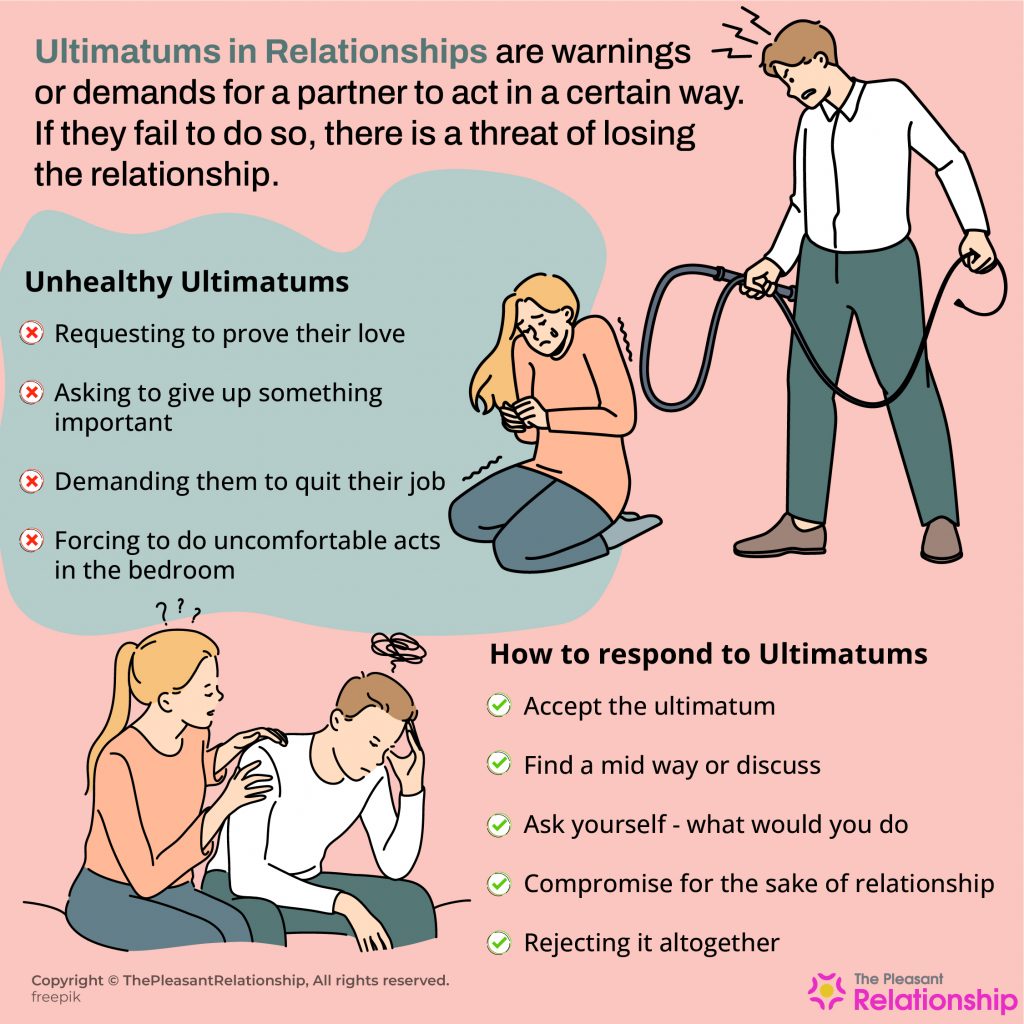
Building a Brand That Avoids Needless Ultimatums
The most resilient and respected brands are often those that navigate complex situations through collaboration, negotiation, and mutual understanding, rather than through the imposition of ultimatums. By fostering a culture of open communication, transparency, and a genuine commitment to win-win solutions, a brand can often achieve its objectives without resorting to such high-pressure tactics. Building strong relationships, demonstrating empathy, and offering clear value propositions can often prevent situations from escalating to a point where an ultimatum becomes necessary. A brand that consistently acts with integrity and respect naturally commands a position of strength, making forceful demands largely redundant.
In conclusion, “what does an ultimatum mean” in the context of branding is multifaceted. It signifies a decisive moment, a strategic assertion of non-negotiable terms, and a powerful tool to protect and define a brand’s essence. Whether used in personal branding to define boundaries, in corporate strategy to secure partnerships, or in marketing to create urgency, the ultimatum is an instrument of immense influence. However, its deployment demands careful consideration of its ethical implications, potential for relationship damage, and long-term impact on a brand’s most critical assets: its reputation, trust, and enduring equity. A truly strong brand knows not only when to issue an ultimatum but, more importantly, when to avoid it altogether.
aViewFromTheCave is a participant in the Amazon Services LLC Associates Program, an affiliate advertising program designed to provide a means for sites to earn advertising fees by advertising and linking to Amazon.com. Amazon, the Amazon logo, AmazonSupply, and the AmazonSupply logo are trademarks of Amazon.com, Inc. or its affiliates. As an Amazon Associate we earn affiliate commissions from qualifying purchases.