
In the modern skincare economy, the lexicon used by brands is as much a tool for market positioning as the ingredients themselves. As consumers evolve into “skintellectuals,” their purchasing decisions are increasingly driven by a desire for clinical validation. This has led to the rise of specialized terminology that bridges the gap between the laboratory and the vanity. One such term, frequently found on the packaging of high-end dermatological products and medical-grade skincare lines, is “acnegenic.”
While a cursory glance might suggest it is merely a medical descriptor, in the world of brand strategy, the term “acnegenic” serves as a powerful instrument for differentiation, trust-building, and premium pricing. Understanding what this word means—and more importantly, how brands leverage it—is essential for any professional navigating the intersection of beauty, marketing, and corporate identity.
The Anatomy of a Claim: Defining ‘Acnegenic’ in the Brand Landscape
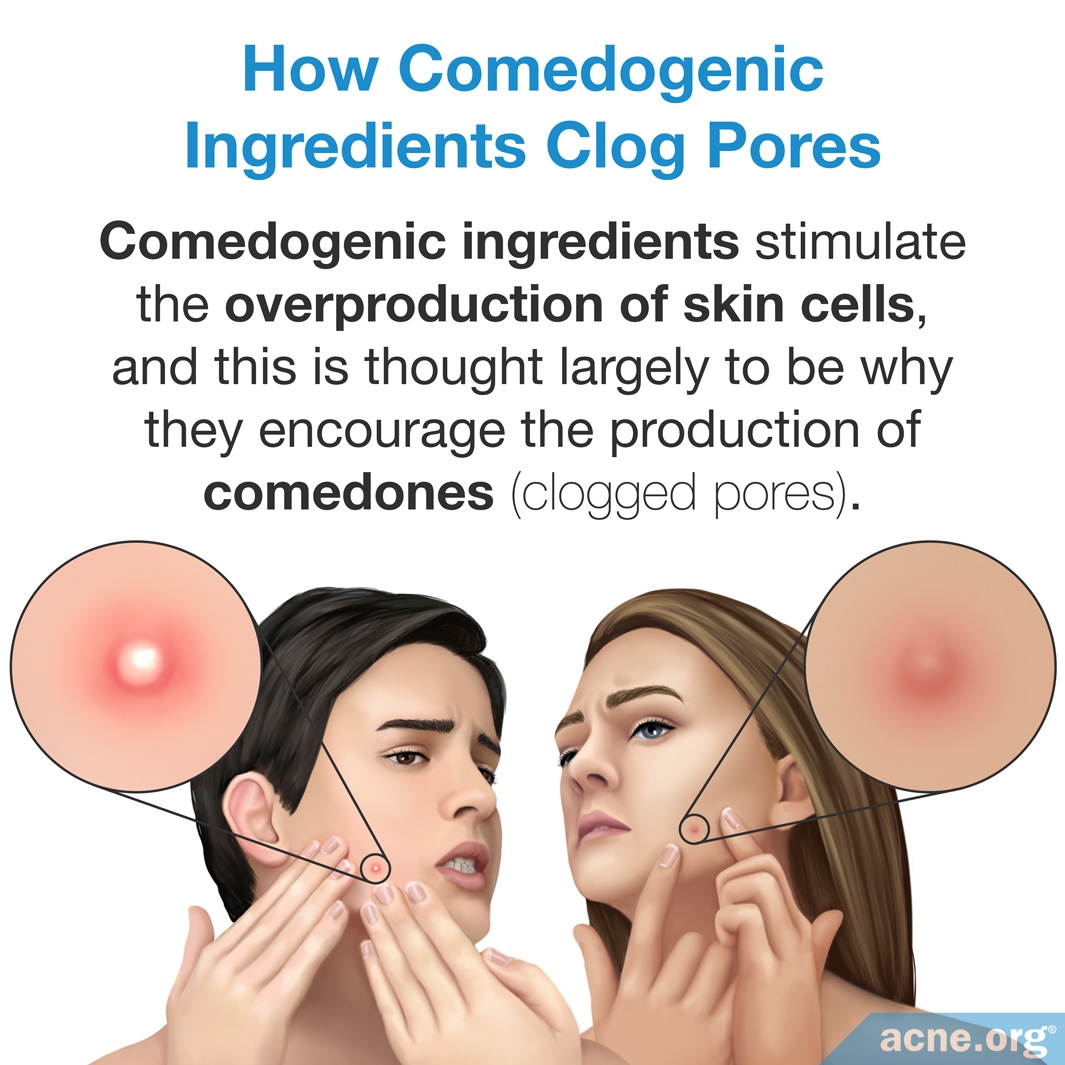
To understand the brand power of the word, one must first understand its technical definition. “Acnegenic” refers to a substance or product that has the potential to cause an immediate acne-like reaction, often characterized by redness, irritation, or the rapid development of small bumps. Unlike long-term pore-clogging, an acnegenic reaction is usually an inflammatory response to a specific ingredient.
From Clinical Terminology to Marketing Asset
For a brand, choosing to label a product “non-acnegenic” is a strategic move to secure a specific segment of the market. It signals to the consumer that the brand has invested in rigorous testing protocols. By adopting clinical language, a brand shifts its identity from “cosmetic” to “cosmeceutical.” This transition is vital for brand equity, as it allows companies to charge a premium for perceived safety and scientific rigor. When a consumer sees the word “acnegenic” on a label, they are not just reading an ingredient disclaimer; they are internalizing a brand promise of dermatological safety.
The Semantic Difference: Comedogenic vs. Acnegenic
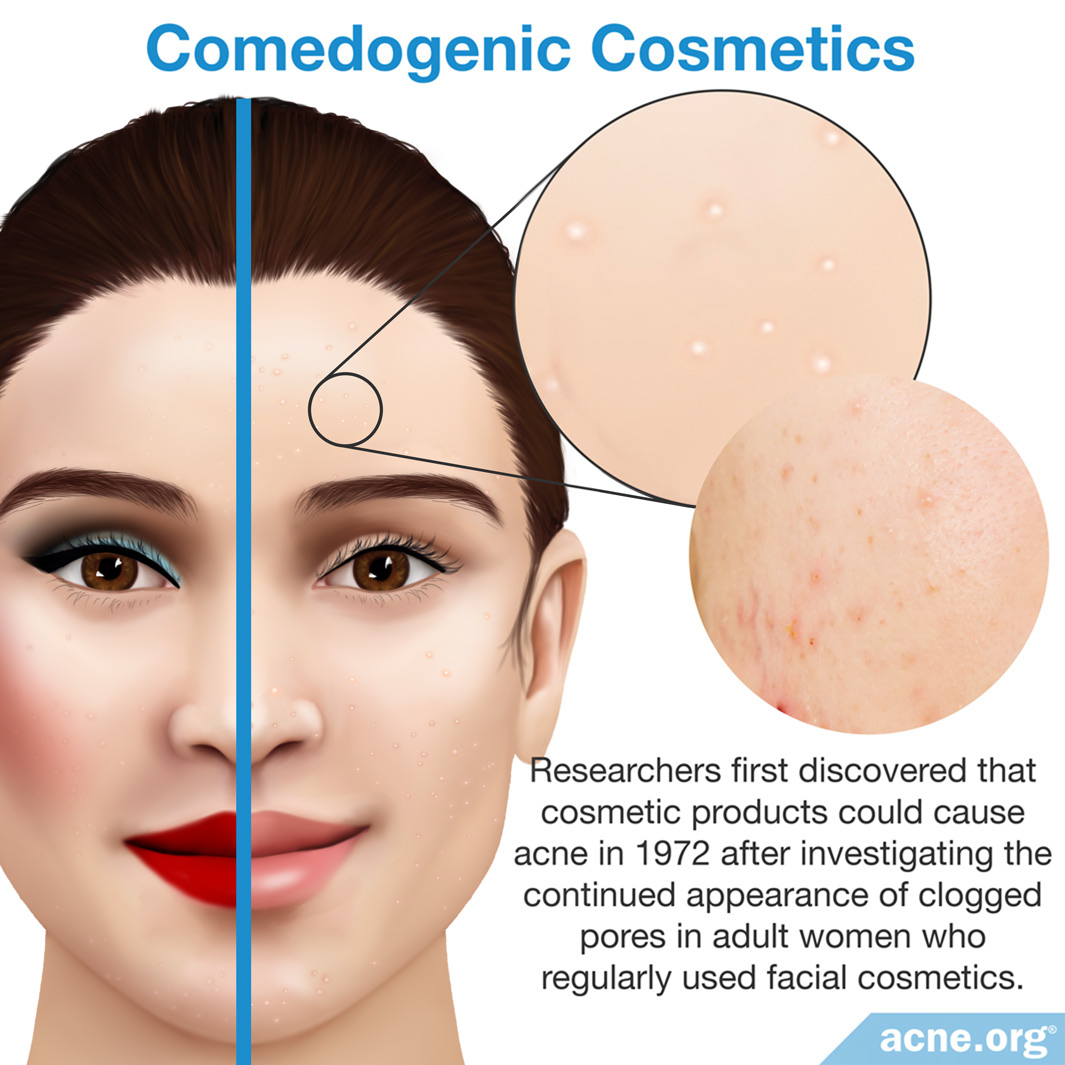
In brand strategy, clarity is king, yet many brands intentionally play in the nuances of language. It is important to distinguish between “comedogenic” and “acnegenic.” Comedogenic refers to ingredients that cause comedones (blackheads and whiteheads) over time by blocking pores. Acnegenic, conversely, refers to an acute reaction. Brands that highlight their “non-acnegenic” status are often targeting consumers with reactive or sensitive skin, rather than just those with oily skin. This nuanced distinction allows a brand to create a “micro-niche” within the broader skincare market, positioning themselves as the ultimate solution for the most high-needs consumers.
Strategic Positioning: Why Brands Use Negative Definitions
In marketing, “negative definition” refers to defining a brand by what it is not or what it does not do. Labeling a product as “non-acnegenic” is a classic example of this. It positions the brand as a “safe harbor” in a sea of potentially irritating products.
The Power of ‘Free-From’ Branding
The “free-from” movement has dominated the beauty industry for a decade, but it has recently shifted from avoiding “chemicals” to avoiding specific physiological reactions. By defining a product as non-acnegenic, a brand is making a pre-emptive strike against consumer fear. This strategy is particularly effective in personal branding for dermatologists who launch their own lines. By focusing on the avoidance of acnegenic triggers, these professionals reinforce their authority as experts who prioritize skin health over aesthetic fluff. It creates a brand narrative centered on “purity” and “clinical efficacy.”
Building Authority Through Dermatological Endorsement
Brands like CeraVe, La Roche-Posay, and Neutrogena have built billion-dollar identities around the concept of being “dermatologist recommended.” The use of the word “acnegenic” is a cornerstone of this identity. When a brand uses this terminology, it aligns itself with the medical community. This alignment is a deliberate strategy to bypass the “fluff” of traditional beauty marketing and appeal directly to the consumer’s logic. The goal is to make the purchase feel like a prescription rather than a luxury, thereby increasing customer loyalty and recurring revenue.
The Regulatory Tightrope of Cosmetic Labeling
The use of terms like “non-acnegenic” is not just a marketing choice; it is a legal and regulatory one. Brand strategists must navigate a complex landscape where the desire to make bold claims is tempered by the need for substantiation.
FDA Guidelines and the Lack of Standardized Testing
Interestingly, the FDA does not have a formal, legal definition for “non-acnegenic.” This lack of a centralized standard creates both an opportunity and a risk for brands. On one hand, it allows for flexibility in how a brand markets its “clinical” nature. On the other hand, it places the burden of proof on the brand’s own reputation. High-integrity brands conduct their own independent clinical trials to back up these claims. For these brands, the term “non-acnegenic” is a badge of honor that represents significant investment in Research and Development (R&D).
Ethical Branding and Consumer Transparency
In the age of social media, where “cancel culture” can destroy a brand overnight, transparency is a core brand pillar. If a brand claims to be non-acnegenic but consumers experience breakouts, the backlash is swift. Therefore, the strategic use of this term must be backed by genuine formulation integrity. Ethical branding requires that “non-acnegenic” is not just a buzzword used to trend on TikTok, but a verifiable attribute of the product. Brands that prioritize this level of honesty find that they build a much stronger, more resilient corporate identity.
Case Studies: Brands That Won by Defining the Problem
Looking at successful brands provides a blueprint for how “acnegenic” and similar clinical terms can be used to dominate a market.
The Medical-Grade Aesthetic: SkinCeuticals and La Roche-Posay
SkinCeuticals is a prime example of a brand that has mastered the “science-first” identity. Their marketing rarely focuses on scent or texture; instead, it focuses on pH levels, ingredient percentages, and the prevention of acnegenic responses. By owning the “science” of the skin, they have positioned themselves as an essential part of post-procedure care in dermatology clinics. Similarly, La Roche-Posay uses its “tested on sensitive skin” and “non-acnegenic” claims to act as a global leader in the pharmacy-to-consumer pipeline. Their brand strategy is built on the idea that they are a “solution” brand, not a “beauty” brand.
Clean Beauty Disruption: Challenging Traditional Formulations
The “Clean Beauty” movement, led by brands like Drunk Elephant or Biossance, often uses the term “non-acnegenic” to distance themselves from traditional synthetic ingredients. They argue that many “standard” cosmetic ingredients (like certain silicones or fragrances) are inherently acnegenic. This strategy uses “acnegenic” as a weapon to disrupt the status quo, suggesting that the established industry leaders are selling products that are fundamentally flawed. This “rebel” positioning has allowed these brands to capture a younger, more ingredient-conscious demographic.
The Future of Ingredient-Led Branding
As we look toward the future of the beauty and personal care industry, the language of dermatology will only become more integrated into brand strategy. The term “acnegenic” is just the tip of the iceberg in a trend toward hyper-specialization.
Personalization and the Rise of AI-Driven Formulation
We are entering an era of “bespoke branding,” where AI tools scan a consumer’s skin and recommend products that are guaranteed to be non-acnegenic for their specific skin chemistry. In this context, “non-acnegenic” becomes a personalized promise rather than a general claim. Brands that can leverage data to prove their products won’t cause reactions will hold a significant competitive advantage. The brand identity of the future will be built on “Precision Skincare,” where scientific terms are used to provide a tailored consumer experience.
Bridging the Gap Between Science and Storytelling
Ultimately, the most successful brands are those that can bridge the gap between cold, clinical science and emotive storytelling. Defining “what is acnegenic” is the science; explaining why a consumer deserves a life free from skin irritation is the story. Brands that use these technical terms to empower the consumer—rather than to confuse them—will see the highest levels of brand equity. By educating the market on what “acnegenic” means, a brand positions itself as a teacher and a partner, creating a relationship that goes far deeper than a simple transaction.
In conclusion, “acnegenic” is far more than a dermatologist’s note. It is a strategic keyword that signals safety, authority, and premium quality. For brand managers and marketers, it represents the shift toward a more transparent, science-led industry where the language of the lab is the new language of luxury. Understanding and utilizing this terminology correctly is not just a matter of labeling; it is a fundamental component of building a modern, trustworthy brand identity.
aViewFromTheCave is a participant in the Amazon Services LLC Associates Program, an affiliate advertising program designed to provide a means for sites to earn advertising fees by advertising and linking to Amazon.com. Amazon, the Amazon logo, AmazonSupply, and the AmazonSupply logo are trademarks of Amazon.com, Inc. or its affiliates. As an Amazon Associate we earn affiliate commissions from qualifying purchases.