
The sensation is unmistakable, yet difficult to describe to someone who hasn’t experienced it. It begins as a dull ache at the base of the skull, but quickly evolves into something more sinister: a sharp, electric jolt that radiates down the arm, accompanied by a persistent tingling that mimics the static of an old television set. In medical terms, this is cervical radiculopathy. In the modern era, however, it is increasingly being categorized under the umbrella of “Tech Neck”—a physical manifestation of our deep integration with digital devices.
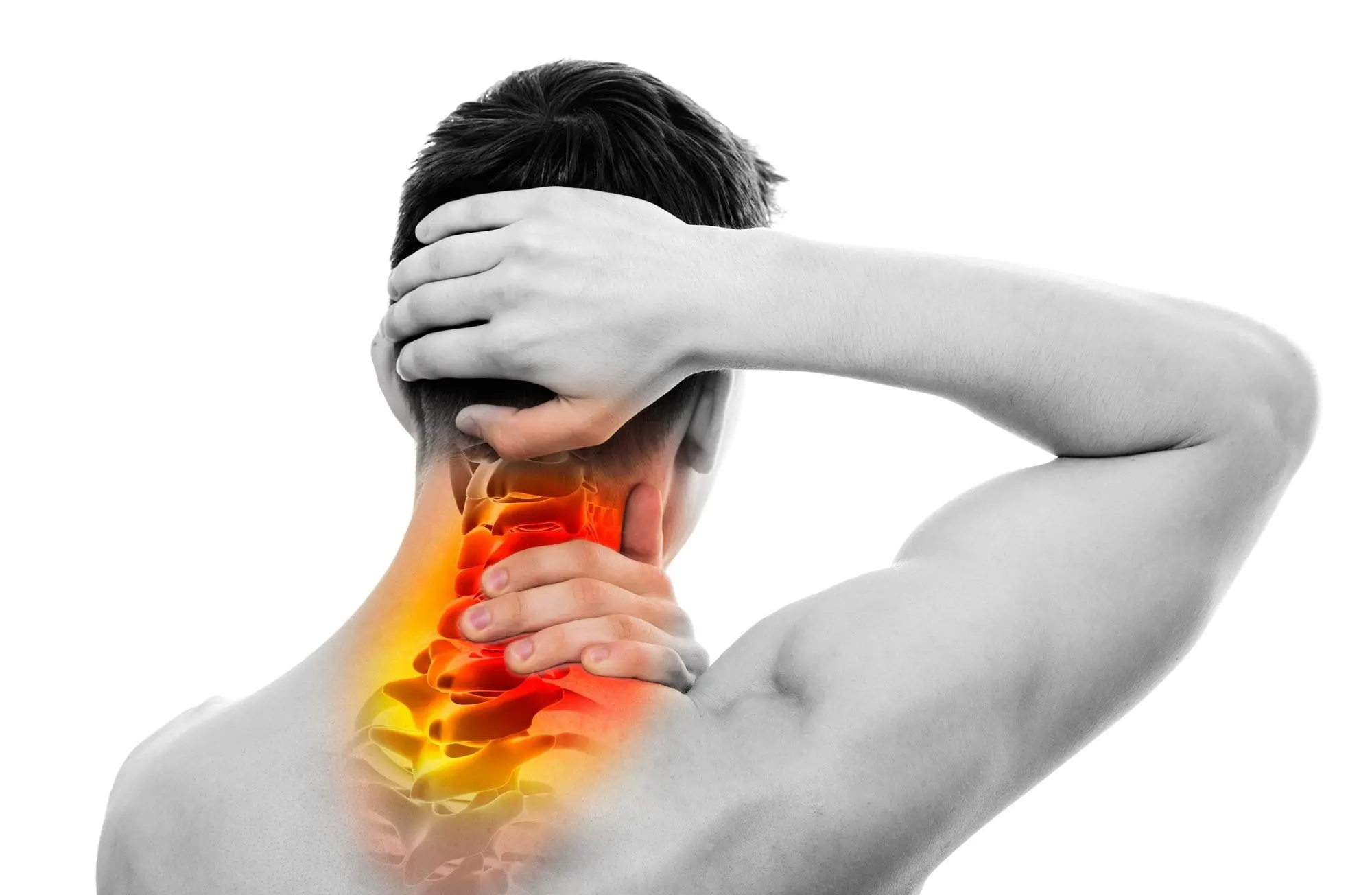
Understanding what a pinched nerve feels like in your neck is no longer just a medical inquiry; it is a critical component of personal tech management. As we spend more than eight hours a day tethered to screens, the hardware of our bodies is being pushed to its limits by the software of our lives. This article explores the intersection of physiological sensation and technological solutions, examining how we can use modern tools to diagnose, treat, and prevent the debilitating effects of a pinched nerve.
The Digital Root: How “Tech Neck” Leads to Nerve Compression
The human head weighs approximately 10 to 12 pounds in a neutral position. However, as we tilt our heads forward to look at a smartphone or a poorly positioned laptop, the effective weight on the cervical spine increases exponentially. At a 60-degree angle, that weight jumps to 60 pounds. This mechanical stress is the primary catalyst for the “pinched” sensation users report.
The Mechanics of Cervical Radiculopathy in the Smartphone Era
When we talk about what a pinched nerve feels like, we are describing the compression of a nerve root as it exits the spinal column. Tech-induced posture causes the intervertebral discs to shift or bulge. This protrusion puts pressure on the nearby nerves. The resulting sensation is often described as “pins and needles” (paresthesia) or a localized “burning” feeling. From a technical perspective, this is a signal transmission error; the nerve is sending corrupted data to the brain because its physical pathway is obstructed.
Analyzing Posture with AI Vision Tools
To combat this, a new suite of AI-driven software has emerged. These tools use the peripheral cameras on laptops and smartphones to monitor a user’s “z-axis” movement. By utilizing computer vision algorithms, these apps can detect when a user’s chin drops below a healthy threshold. When the software identifies a high-risk postural deviation, it triggers a haptic or visual alert. This real-time data loop helps users recognize the specific movements that lead to that “electric” pinched nerve feeling before the physical damage becomes chronic.
Smart Solutions: Wearables and IoT for Nerve Health
As the sensation of a pinched nerve becomes more common among remote workers and developers, the tech industry has responded with specialized hardware. Moving beyond simple ergonomic chairs, we are now seeing the rise of “Biometric Posture Infrastructure.”
Real-Time Biofeedback and Posture Correctors
Modern posture-correcting wearables are no longer just elastic straps. Devices like the Upright Go 2 utilize multi-sensor technology, including accelerometers and gyroscopes, to map the curvature of the spine in 3D space. When the device detects the slouching that leads to nerve impingement, it provides a gentle vibration. This is an application of “operant conditioning” through tech, training the nervous system to maintain the “neutral” position where nerves have the most clearance. For someone already feeling the “buzzing” sensation of a pinched nerve, these devices provide the data necessary to identify which specific desk setups are exacerbating the issue.
Smart Pillows and Sleep Tech for Cervical Alignment
The sensation of a pinched nerve often peaks in the morning, a result of poor cervical alignment during the sleep cycle. The “smart pillow” niche has expanded to include IoT-enabled devices that use air-pressure sensors to detect head position. Some high-end models can even auto-adjust their height via integrated air bladders to ensure the neck remains in a neutral position, regardless of whether the user is a side or back sleeper. By maintaining this alignment, the tech ensures that the “pinched” feeling—the result of hours of sustained pressure—is mitigated before the user even wakes up.

The Future of Diagnosis: AI and Digital Imaging
When a user describes the “shooting pain” of a pinched nerve, the next step is often a diagnostic odyssey. Technology is currently streamlining this process, moving from subjective descriptions to objective, data-driven visualizations.
Machine Learning in MRI and X-Ray Interpretation
The gold standard for diagnosing the source of a pinched nerve has long been the MRI. However, human interpretation can vary. Emerging AI diagnostic tools are now being trained on millions of spinal scans to identify micro-protrusions that a human eye might miss. These machine learning models can quantify the exact millimeter of nerve compression, providing a “heat map” of the cervical spine. For the patient, this means the vague “ache” they feel can be pinpointed to a specific vertebral level (such as C5 or C6) with mathematical precision.
Telehealth and Remote Neural Monitoring
For many, the first sign of a pinched nerve is a loss of grip strength or fine motor skills—a “lag” in the body’s hardware. Telehealth platforms are integrating remote monitoring tools that allow patients to perform neurological exams via their touchscreens. By measuring the speed and accuracy of finger taps or the pressure applied to a screen, software can track the progression of nerve compression over time. This longitudinal data is far more valuable to a neurologist than a single in-person visit, as it captures the “real-world” performance of the nervous system.
Ergonomic Software and the Digital Workspace
While hardware is essential, the software environment plays a massive role in how we position our bodies. The “pinched nerve” sensation is often the result of “hyper-focus,” where a user forgets to move for hours at a time.
Break Reminders and Gamified Stretching Apps
Modern operating systems are beginning to integrate “Wellness APIs.” For example, macOS and Windows now feature “Screen Distance” or “Time Out” integrations that force a user to break their visual plane. Advanced software like “Workrave” or “Stretchly” uses logic-based timers to suggest specific cervical stretches designed to decompress the nerve. By gamifying these breaks, tech companies are helping users avoid the “dead arm” sensation that characterizes advanced nerve pinching.
Standing Desks and Adaptive Tech Infrastructure
The “standing desk” has evolved into a programmable workstation. High-end models now feature “Sit-Stand” logic that integrates with a user’s calendar. If the software sees a back-to-back meeting block, it will automatically raise the desk to a standing position midway through to ensure the cervical spine isn’t locked in a single posture. Furthermore, the use of vertical mice and split mechanical keyboards reduces the “upstream” tension in the neck. When the wrist and forearm are in a neutral position, there is less tension on the brachial plexus—the network of nerves that begins in the neck.
Conclusion: The Synergy of Health and Technology
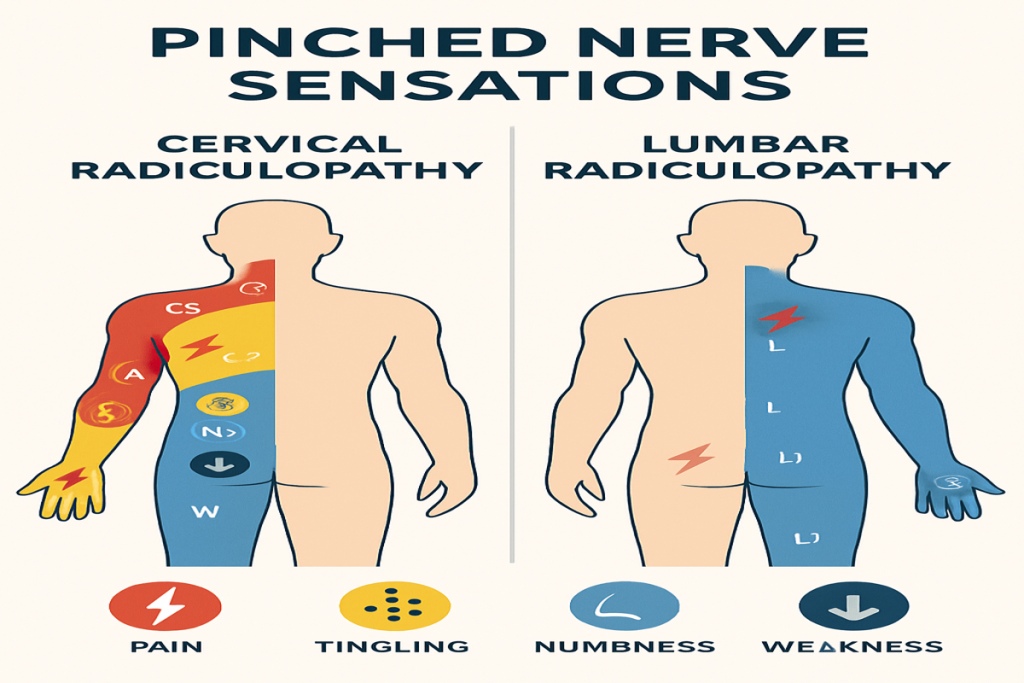
A pinched nerve in the neck feels like a failure of the body’s internal wiring, but in the modern context, it is often a signal that our relationship with our tools is out of sync. From the sharp, localized pain to the radiating numbness in the fingertips, these sensations are the body’s “error codes.”
As we have seen, the tech industry is no longer just the cause of these issues; it is increasingly the cure. By leveraging AI diagnostics, wearable biofeedback, and ergonomic software, we can transform our workspaces from high-risk environments into supportive ecosystems. The future of managing neck health lies in this synergy—using the very technology that keeps us at our desks to ensure that our physical “hardware” remains as fluid and functional as our digital software. Understanding what a pinched nerve feels like is the first step; utilizing the vast array of modern tech tools to address it is the second.
aViewFromTheCave is a participant in the Amazon Services LLC Associates Program, an affiliate advertising program designed to provide a means for sites to earn advertising fees by advertising and linking to Amazon.com. Amazon, the Amazon logo, AmazonSupply, and the AmazonSupply logo are trademarks of Amazon.com, Inc. or its affiliates. As an Amazon Associate we earn affiliate commissions from qualifying purchases.