
In the rapidly evolving landscape of healthcare technology, the traditional gynecological exam has undergone a profound metamorphosis. What was once a purely manual, analog procedure is now a sophisticated data-driven experience powered by “FemTech”—a burgeoning sector of technology focused on women’s health. Today, a gynecologist check-up consists of an intricate integration of AI diagnostics, advanced imaging software, and remote monitoring tools that provide a level of precision previously unimaginable.
To understand the modern check-up is to understand the intersection of medicine and machine learning. This article explores the technological components that now define the gynecological experience, from the pre-appointment digital interface to the high-tech diagnostic tools used during the visit.
1. The Pre-Visit Digital Interface: AI Triage and Telehealth Integration
The modern check-up begins long before the patient enters the exam room. The integration of software as a service (SaaS) into clinical workflows has streamlined the intake process, turning “paperwork” into a valuable dataset for predictive analytics.
AI-Driven Symptom Checkers and Patient Portals
Modern clinics now utilize sophisticated patient portals that employ AI-driven symptom checkers. Before the physical appointment, patients interact with intuitive software that categorizes concerns—ranging from menstrual irregularities to hormonal shifts—using natural language processing (NLP). This data is fed into the Electronic Health Record (HER), allowing the gynecologist to review a structured summary of the patient’s digital health history before the meeting. This tech-first approach ensures that the “check-up” is personalized and focused on data trends rather than subjective memory.
The Rise of Hybrid Telehealth Consultations
Many gynecological check-ups now consist of a two-part structure: a virtual consultation followed by a physical exam. High-definition teleconferencing tools allow providers to conduct the initial “talk” portion of the check-up remotely. This not only increases clinical efficiency but also allows for the integration of remote monitoring data—such as cycle tracking information from mobile apps—directly into the diagnostic conversation.
2. Advanced Diagnostic Imaging and AI-Enhanced Screenings
Once inside the clinic, the “check-up” transitions into a showcase of cutting-edge hardware. The diagnostic tools used today are increasingly reliant on high-fidelity sensors and automated analysis software.
3.D Ultrasound and High-Definition Visualization
Standard 2D imaging is rapidly being replaced by 3D and 4D ultrasound technology. These devices use advanced rendering software to create high-resolution volumes of pelvic anatomy. For the patient, this means a more accurate assessment of uterine health and ovarian function. For the clinician, these tools provide the ability to “slice” through digital images post-scan, identifying fibroids, cysts, or structural anomalies with millimeter precision that the human eye might miss in a real-time analog scan.
Computer-Aided Colposcopy and Digital Cytology
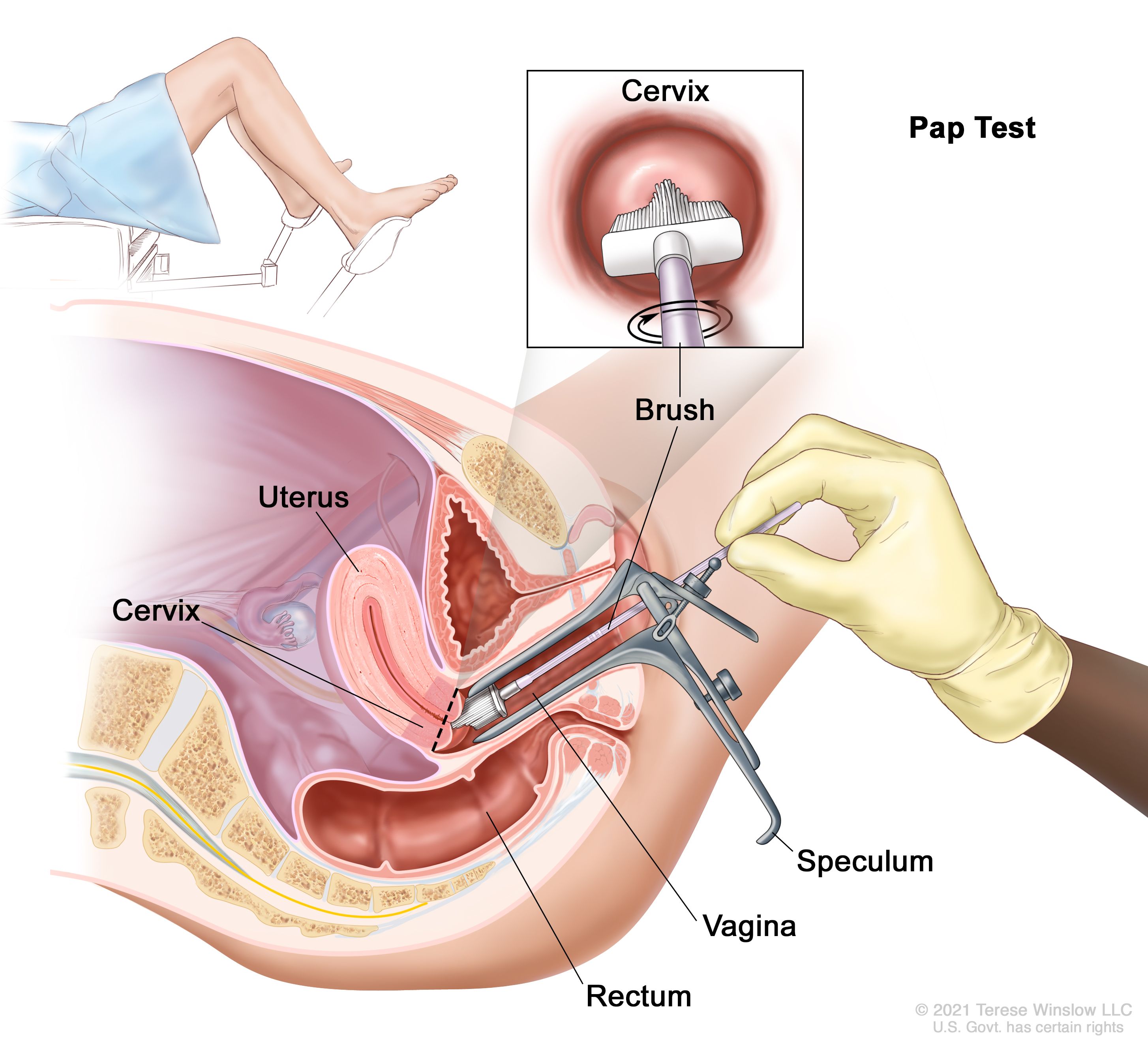
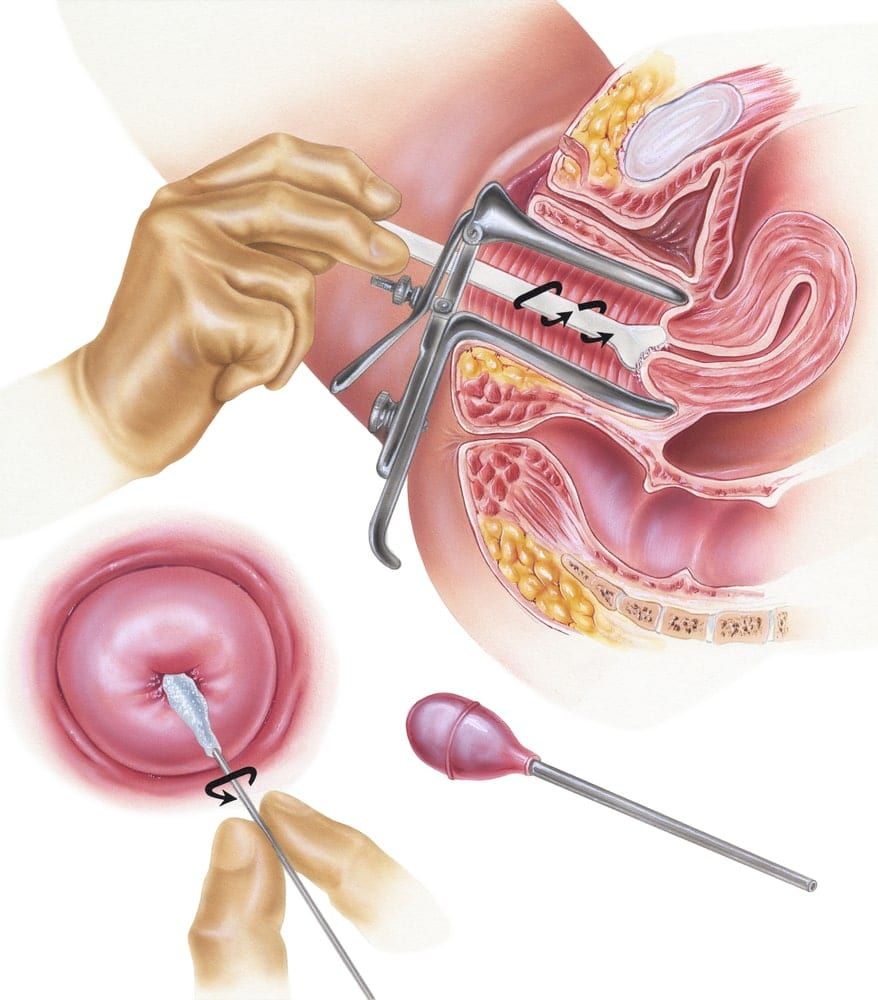
The traditional Pap smear and pelvic exam are being augmented by computer-aided detection (CAD) systems. During a colposcopy, for instance, digital imaging tools can now apply “optical biopsies” using multispectral imaging. This technology analyzes how tissue reflects different wavelengths of light, using algorithms to identify pre-cancerous cells with higher sensitivity than traditional visual inspection. Similarly, liquid-based cytology samples are now frequently processed by automated slide-scanning robots that use neural networks to flag abnormal cells for human review, significantly reducing the margin of error.
3. The Laboratory Revolution: Genomics and Precision Biomarkers
A significant portion of what a gynecologist check-up consists of occurs behind the scenes in the laboratory, where biotechnology and digital sequencing have revolutionized preventative screening.
Liquid Biopsies and DNA-Based Screening
The shift toward molecular diagnostics is perhaps the most significant tech trend in gynecology. Modern check-ups often include HPV testing performed via polymerase chain reaction (PCR) technology—the same high-tech amplification used in sophisticated viral testing. Furthermore, the industry is moving toward “liquid biopsies,” where blood tests can detect circulating tumor DNA (ctDNA), offering a futuristic look at early-stage detection for ovarian and endometrial cancers.
Integration of Wearable Data and IoT
Forward-thinking gynecologists are now incorporating data from Internet of Things (IoT) devices—such as smart rings and fertility trackers—into their clinical assessment. During the check-up, the physician may review “longitudinal data” (data collected over time) regarding basal body temperature, heart rate variability (HRV), and sleep patterns. This turns a single point-in-time check-up into a continuous health monitoring strategy, where the “check-up” serves as a calibration point for the patient’s personal health tech stack.
4. Digital Patient Management and Data Security
As the gynecological check-up becomes more data-intensive, the focus shifts to how that data is stored, protected, and shared. Digital security is now a core component of women’s reproductive health tech.
Blockchain for Health Record Integrity
With the sensitivity of reproductive health data, some innovative health systems are exploring blockchain technology to ensure the immutability and security of patient records. This ensures that the results of a check-up—including sensitive genetic screenings and reproductive history—are accessible only to authorized providers, protecting the patient against data breaches in an increasingly digital world.
Interoperability and Post-Check-up Care
The “check-up” does not end when the patient leaves the office. Cloud-based interoperability allows for the seamless sharing of lab results between the gynecologist, primary care physicians, and specialists. Automated “Nudge” engines within patient apps then take the results of the check-up and provide personalized wellness recommendations, medication reminders, or follow-up alerts, ensuring that the technology facilitates a closed-loop care cycle.
5. The Future of FemTech: Robotics and Minimal Invasive Tech
The final frontier of the modern check-up involves the integration of robotics and miniaturized sensors, which are redefining the “physical” aspect of specialized exams.
Robotic-Assisted Diagnostics
While robotic surgery (like the Da Vinci system) is well-known, robotic-assisted diagnostic tools are now entering the outpatient space. These include ultra-thin, flexible hysteroscopes that allow for high-definition digital visualization of the uterine cavity in an office setting with minimal discomfort. This technology transforms a high-stakes surgical procedure into a routine part of a comprehensive technological check-up.
Smart Speculums and Non-Invasive Sensors
Innovation is even reaching the most basic tools of the exam. Startups are currently developing “smart speculums” equipped with high-resolution cameras and LED arrays that automatically capture and upload images to a secure cloud for AI-assisted analysis. This reduces the subjective nature of the physical exam and creates a permanent, digital record of a patient’s physiological state over years of check-ups.

Conclusion: The Era of the “E-Check-Up”
What a gynecologist check-up consists of today is a far cry from the clinical experiences of previous decades. It is now a high-tech synthesis of AI-driven data collection, advanced molecular biology, and sophisticated digital imaging. This technological shift has moved the needle from “reactive” medicine—treating problems after they arise—to “proactive” and “predictive” care.
For the modern patient, the integration of Tech into the gynecological space means more accurate diagnoses, personalized treatment plans, and a higher standard of preventative care. As machine learning models become more refined and wearable sensors become more ubiquitous, the gynecological check-up will continue to evolve into a seamless, data-rich experience that empowers women to take control of their health through the power of technology. The speculum may still be present, but the software behind it is what is truly defining the future of women’s wellness.
aViewFromTheCave is a participant in the Amazon Services LLC Associates Program, an affiliate advertising program designed to provide a means for sites to earn advertising fees by advertising and linking to Amazon.com. Amazon, the Amazon logo, AmazonSupply, and the AmazonSupply logo are trademarks of Amazon.com, Inc. or its affiliates. As an Amazon Associate we earn affiliate commissions from qualifying purchases.