
Understanding the global distribution of Spanish speakers is no longer just a matter of linguistic curiosity; it is a vital component of modern economic strategy. For investors, entrepreneurs, and financial analysts, the question of “what country has the most Spanish speakers” is a gateway to identifying the world’s most promising emerging markets and untapped consumer demographics.
With over 500 million native speakers worldwide, Spanish is the second most spoken mother tongue globally. However, from a financial perspective, not all Spanish-speaking populations are created equal. The geographic concentration of these speakers dictates market liquidity, investment risk, and purchasing power parity (PPP). In this article, we analyze the top Spanish-speaking nations through the lens of personal finance, global investment, and market expansion.

The Demographic Landscape: Quantifying the Spanish-Speaking Market
When evaluating the volume of speakers, one must distinguish between sheer population size and economic potential. Identifying where the largest concentrations of Spanish speakers reside allows businesses to allocate capital more efficiently.
Mexico: The Undisputed Leader in Consumer Volume
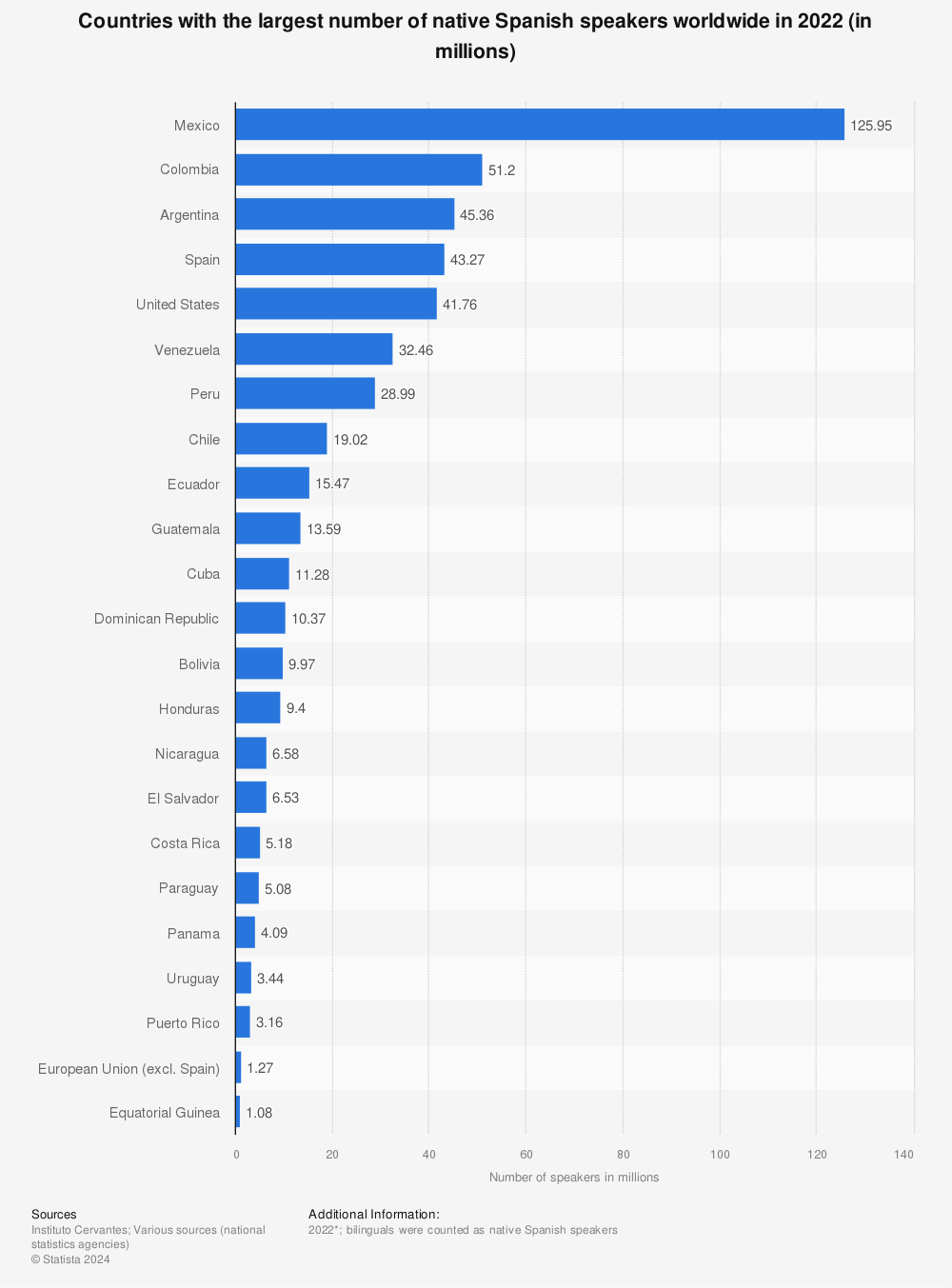
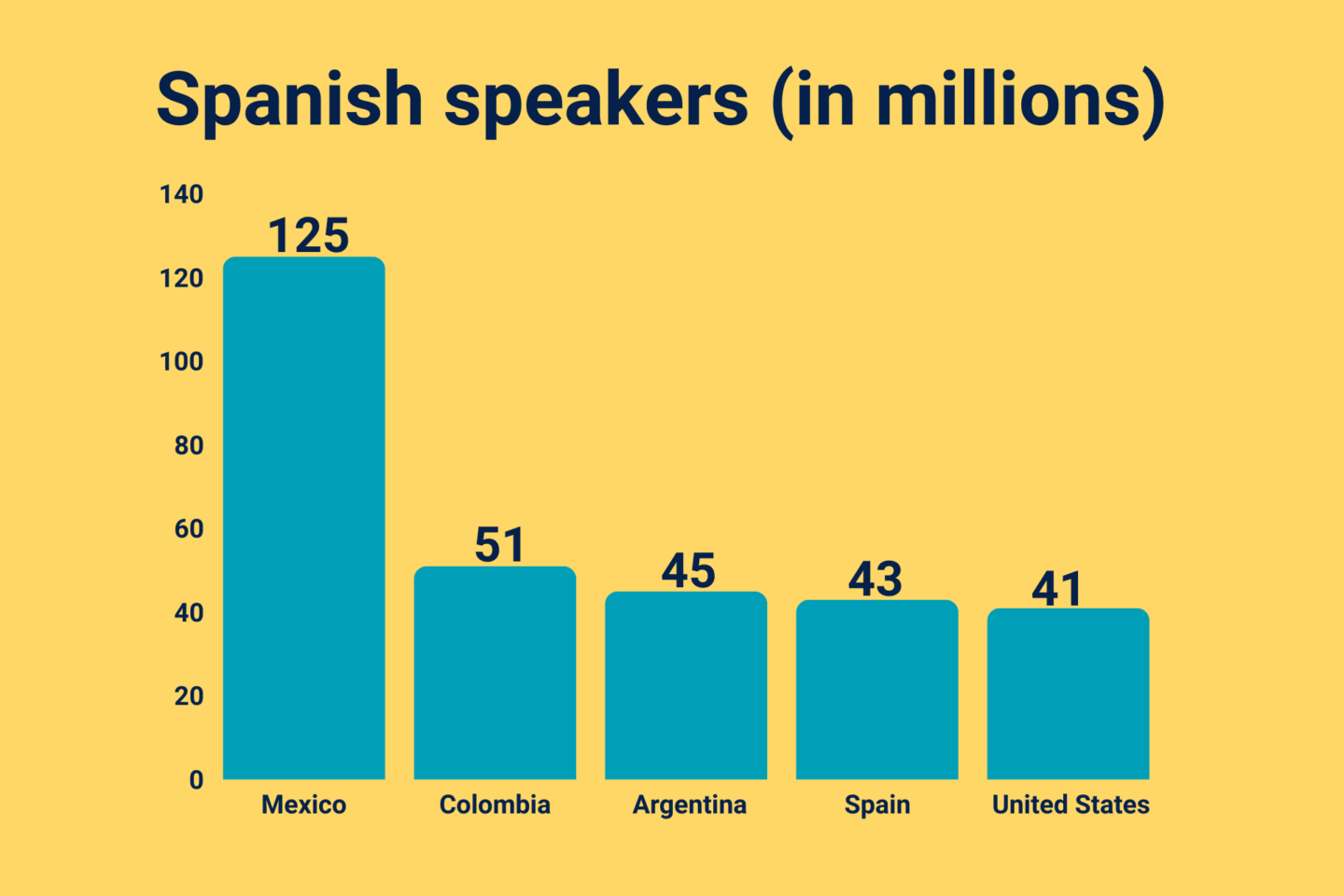
Mexico holds the title for the country with the most Spanish speakers, boasting a population of over 128 million. From a “Money” perspective, Mexico is far more than a demographic giant; it is the 12th largest economy in the world by GDP (PPP). For investors, Mexico represents a manufacturing powerhouse and a critical node in the USMCA (United States-Mexico-Canada Agreement) trade corridor.
The growth of the Mexican middle class has created a massive demand for financial services, retail expansion, and fintech solutions. For those looking at online income or e-commerce, targeting the Mexican market offers the highest volume of potential customers within a single regulatory framework.
The United States: A High-Value Economic Giant
In a surprising twist for many analysts, the United States is home to the second-largest Spanish-speaking population in the world, surpassing even Spain and Colombia. With over 41 million native speakers and an additional 12 million bilingual speakers, the U.S. Hispanic market is a financial phenomenon.
If the U.S. Hispanic population were a standalone country, its GDP would rank among the top ten in the world. This demographic possesses immense purchasing power, estimated at nearly $2 trillion. For entrepreneurs and brand strategists operating in the “Money” niche, the U.S. Spanish-speaking market represents a premium tier of consumers with high disposable income and a growing appetite for sophisticated investment products.
Emerging Markets and Investment Hotspots in the Spanish-Speaking World
While Mexico and the U.S. dominate in terms of numbers, other nations offer unique high-growth opportunities for venture capital and personal portfolio diversification.
Colombia’s Tech and Service Sector Boom
Colombia ranks third in total Spanish speakers, with approximately 52 million people. In recent years, Colombia—particularly cities like Bogotá and Medellín—has transformed into a hub for the “Orange Economy” (the creative and digital economy). For those seeking to generate online income through outsourcing or service-based businesses, Colombia offers a highly educated workforce at a competitive price point.
From a business finance perspective, Colombia’s aggressive pursuit of foreign direct investment (FDI) and its burgeoning startup ecosystem make it a primary target for those looking to invest in Latin American tech and infrastructure.
Spain: The Gateway to the European Market
Spain remains the cultural heart of the Spanish-speaking world and serves as a vital bridge for Latin American companies looking to enter the European Union. With roughly 47 million speakers, Spain offers a stable, high-income market.
For the individual investor, Spain’s real estate market often presents a “Golden Visa” opportunity, allowing non-EU residents to gain residency through property investment. While the economic growth in Spain may be slower than in emerging Latin American markets, its institutional stability provides a “safe haven” for capital within the Hispanosphere.
Strategic Personal Finance: Navigating the Wealth of the Hispanic Diaspora
The movement of people across Spanish-speaking borders has created a complex and lucrative financial ecosystem. Understanding this flow of money is essential for anyone interested in cross-border finance or specialized niche investing.
Remittances and the Cross-Border Economy
Remittances—money sent by migrants back to their home countries—play a staggering role in the economies of nations like Guatemala, Honduras, and Mexico. In 2023, remittances to Latin America reached record highs, exceeding $150 billion.
This massive flow of capital has birthed a new industry of financial tools and apps designed to lower transaction costs. For the savvy investor, the “remittance economy” provides a clear indicator of where consumer spending is likely to rise. When remittance flows increase, local consumption in the receiving country typically follows, benefiting local retail and real estate sectors.
Real Estate Opportunities in Latin America
For those focused on personal finance and wealth building, the high concentration of Spanish speakers in countries like Panama, Costa Rica, and the Dominican Republic has turned these regions into real estate hotspots. These countries have successfully leveraged their linguistic commonality with the U.S. and Spain to attract “lifestyle investors” and retirees.
Investing in rental properties in Spanish-speaking tourist hubs can yield high ROIs (Return on Investment) due to the lower cost of acquisition compared to North American or European markets. However, success in these markets requires a deep understanding of local property laws and the ability to navigate transactions in Spanish.
Maximizing Online Income Through Spanish-Language Content
The digital economy has leveled the playing field, allowing individuals to monetize the vast Spanish-speaking audience regardless of their physical location. The sheer volume of speakers makes the Spanish-speaking internet one of the most profitable frontiers for digital entrepreneurs.
The Growing Demand for Spanish E-Commerce
As internet penetration increases across Latin America, the demand for localized e-commerce experiences is exploding. While the English-speaking market is often saturated and highly competitive, many Spanish-speaking niches remain underserved.
Business owners who localize their digital storefronts for the Mexican, Colombian, or Argentine markets can tap into a loyal customer base with less competition. This isn’t just about translation; it’s about understanding local payment preferences, such as the prevalence of cash-based digital payments (like OXXO in Mexico), which are crucial for capturing the unbanked or underbanked segments of the population.
Monetizing the Global Spanish-Speaking Audience
Content creators, educators, and financial coaches have a unique opportunity to scale their online income by targeting Spanish speakers. The CPM (Cost Per Mille/thousand impressions) on platforms like YouTube or Facebook may be lower in some Latin American countries compared to the U.S., but the sheer volume of traffic can compensate for this.
Furthermore, there is a significant “knowledge gap” in personal finance content available in Spanish. Creators who can provide high-quality insights on investing, cryptocurrency, or side hustles in the Spanish language are finding a massive, hungry audience ready to invest in their education and financial future.
Future Outlook: The Trillion-Dollar Potential of the Spanish Language
The question of “what country has the most Spanish speakers” is ultimately a question of where the next trillion dollars of economic growth will be generated. As the Hispanic population continues to grow in both numbers and economic influence, the “Spanish-language economy” will become an unavoidable force in global finance.
For the modern professional, linguistic demographic data is a tool for risk management and opportunity identification. Whether it is the high-stakes manufacturing environment of Mexico, the affluent Hispanic consumer base in the United States, or the burgeoning digital markets of South America, the Spanish-speaking world offers a diverse array of paths to financial success.
In conclusion, while Mexico leads in numbers, the true value lies in the diversity of the Spanish-speaking world. From a “Money” perspective, the most successful individuals and corporations will be those who stop viewing the Spanish-speaking world as a single entity and start seeing it as a collection of high-potential markets, each with its own unique financial landscape. By positioning yourself to serve, invest in, or trade with these 500 million speakers, you are tapping into one of the most resilient and dynamic economic forces of the 21st century.
aViewFromTheCave is a participant in the Amazon Services LLC Associates Program, an affiliate advertising program designed to provide a means for sites to earn advertising fees by advertising and linking to Amazon.com. Amazon, the Amazon logo, AmazonSupply, and the AmazonSupply logo are trademarks of Amazon.com, Inc. or its affiliates. As an Amazon Associate we earn affiliate commissions from qualifying purchases.