
In the modern media landscape, a celebrity’s personal brand is their most valuable currency. It is a carefully curated synthesis of their professional achievements, their aesthetic appeal, and their perceived values. However, when a high-profile individual is diagnosed with a chronic illness like Multiple Sclerosis (MS), the architecture of that brand faces a significant challenge. The transition from a “perfection-based” brand to a “vulnerability-based” brand requires a masterclass in strategic communication.
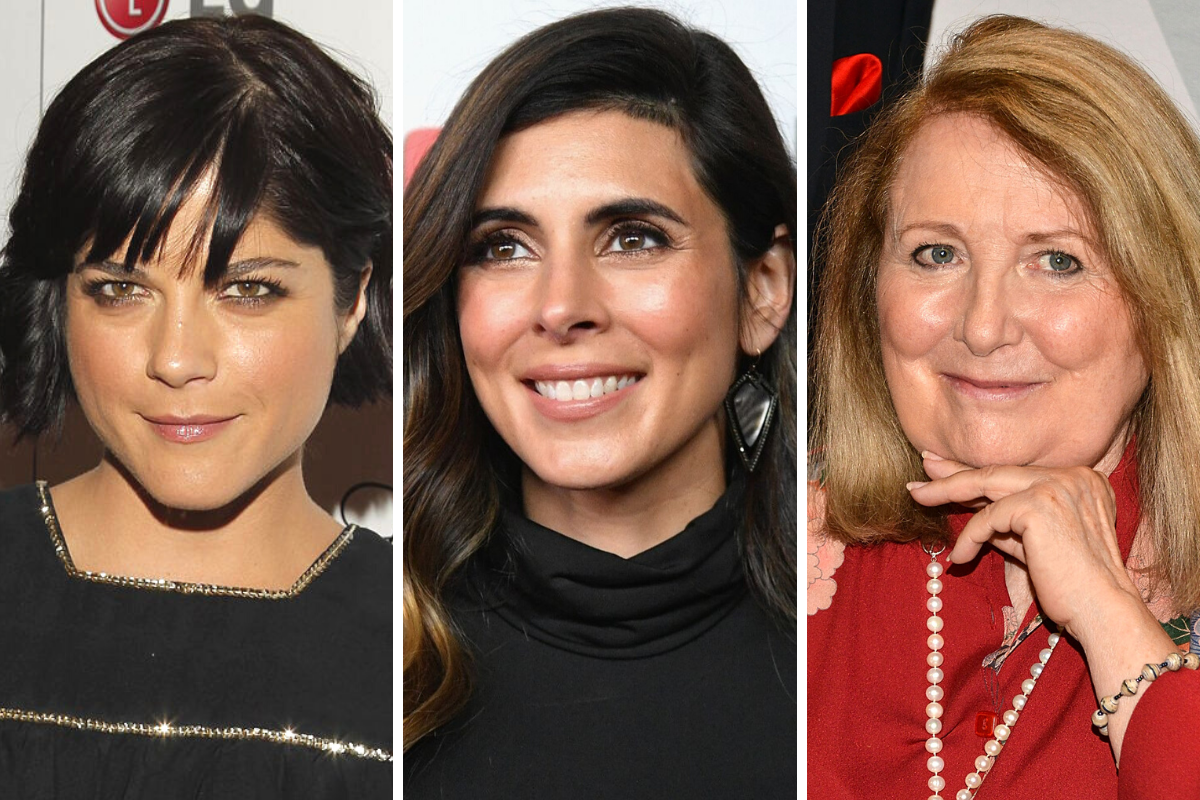
The question of “which celebrities have MS” is more than a search for medical trivia; it is an exploration of how public figures manage their identity in the face of life-altering adversity. From Selma Blair to Christina Applegate and Jamie-Lynn Sigler, the narrative of MS in the public eye has shifted from a whispered secret to a powerful tool for brand authenticity, advocacy, and long-term legacy building.

The Evolution of Vulnerability as a Brand Asset
For decades, the Hollywood brand was synonymous with invincibility. Any sign of physical or mental “weakness” was considered a liability that could derail a career or end a sponsorship. However, the rise of digital media and the shift toward “authentic” branding have changed the rules. Today, vulnerability is no longer a liability—it is a strategic asset.
Shifting from Perfection to Authenticity
The modern audience craves relatability. When a celebrity discloses an MS diagnosis, they effectively dismantle the “ivory tower” perception of fame. This shift from an aspirational brand to a relatable one creates a deeper psychological bond with the audience. By acknowledging their struggles with mobility, fatigue, or cognitive “fog,” celebrities humanize themselves. From a brand strategy perspective, this humanization fosters immense brand loyalty. The celebrity is no longer just a performer; they are a survivor and a peer to millions of others facing similar battles.
The Impact of Disclosure on Audience Loyalty
Strategic disclosure is the process of deciding when and how to reveal personal information to maximize positive impact while minimizing professional risk. For celebrities with MS, the timing of their announcement is often tied to their “brand cycle.” An announcement made during a peak in their career can serve to ground their success in reality, whereas an announcement made during a hiatus can signal a new chapter of advocacy. This transparency creates “emotional stickiness” with a fan base, ensuring that the audience remains invested in the person, not just the persona.
Case Studies: High-Profile Figures Redefining the MS Narrative
Examining the branding choices of specific celebrities reveals the different ways a health diagnosis can be integrated into a professional identity. These figures have used their platforms not just to inform, but to reshape the market’s perception of what it means to live and work with a chronic condition.
Selma Blair: Radical Transparency as a Brand Identity
Selma Blair’s approach to her MS diagnosis is perhaps the most notable example of radical brand transparency in recent years. By appearing on the red carpet with a custom-designed cane and documenting her chemotherapy treatments on social media, Blair transformed her brand from “actress” to “global advocate.”
Her strategy was built on the premise that visibility is the antidote to stigma. By refusing to hide the physical manifestations of the disease, she positioned herself as a pioneer in the “inclusive beauty” movement. This has led to high-level partnerships with adaptive fashion brands and a documentary that solidified her status as a thought leader in the disability space. Her brand equity actually increased post-diagnosis because she filled a void in the market for honest, unfiltered representations of disability.
Christina Applegate: Balancing Privacy and Visibility
Christina Applegate’s brand management offers a different perspective: the “controlled reveal.” Applegate, known for her comedic timing and resilience, chose to disclose her diagnosis during the production of the final season of her hit show Dead to Me.
Her brand strategy focused on the intersection of professional excellence and physical limitation. By being vocal about the difficulties of filming while managing symptoms, she highlighted her work ethic and professional dedication. This approach protected her professional reputation as a “reliable lead” while garnering immense respect from industry peers and audiences alike. Her brand identity became one of “courageous professional,” proving that a diagnosis does not have to mean the end of a high-level career.
Jamie-Lynn Sigler: Long-term Brand Integration
Jamie-Lynn Sigler kept her MS diagnosis private for fifteen years while starring in The Sopranos and other major projects. When she finally went public, her brand narrative shifted toward the concept of “hidden struggles.” Her story resonated with the millions of professionals who live with “invisible disabilities.” Sigler’s brand now centers on longevity and the sustainable management of a public life, making her a go-to figure for wellness brands and pharmaceutical partnerships that value long-term stability and credibility.
Strategic Advocacy and Corporate Identity
When a celebrity identifies as a member of the MS community, their personal brand often merges with a larger corporate or social identity. This transition from individual performer to “cause ambassador” involves careful navigation of the non-profit and corporate sectors.
From Actor to Activist: Leveraging Fame for Research Funding
The “Celebrity-Cause” fit is a critical metric in brand strategy. When a public figure aligns with organizations like the National MS Society or the Race to Erase MS, they are lending their “celebrity capital” to a cause. This isn’t just altruism; it is a strategic alignment that expands their brand into the philanthropic sector. This move opens doors to speaking engagements, board positions, and partnerships with global NGOs, ensuring that the celebrity remains relevant even when they are not actively working in their primary field (acting, music, etc.).
Partnering with Healthcare Brands: Ethical Considerations
For many celebrities with MS, brand expansion involves partnerships with pharmaceutical companies. These “patient-ambassador” roles are highly lucrative but come with significant brand risk. To maintain authenticity, the celebrity must ensure that the partnership feels organic rather than opportunistic. If a celebrity promotes a specific medication, their brand identity becomes intrinsically linked to that product’s reputation. Successful brand managers ensure that these partnerships focus on “disease education” rather than “product sales,” preserving the celebrity’s integrity in the eyes of their followers.
Reputation Management and the “Insurance” of Public Perception
In the high-stakes world of entertainment, health can be seen as a risk factor for insurers and production studios. Strategic brand management for celebrities with MS involves mitigating these perceptions to ensure continued employability.
Managing Career Longevity in a Demanding Industry
The primary fear for any public figure with a chronic illness is being “aged out” or “insured out” of the industry. To counter this, brand managers often focus on the celebrity’s versatility. For example, moving into voice acting, producing, or directing—roles that may be less physically demanding than leading an action film—allows the brand to continue generating revenue. This “pivot strategy” is essential for maintaining the financial viability of the celebrity’s personal brand over a decades-long career.
Digital Footprint and Search Engine Reputation Management (SERM)
When someone searches “what celebrities have MS,” the results determine the digital legacy of those individuals. High-level PR teams use Search Engine Reputation Management (SERM) to ensure that the narrative remains focused on the celebrity’s strength and accomplishments rather than their limitations. This involves creating high-quality, positive content—interviews, charity gala features, and professional accolades—that outranks speculative or negative “health crisis” tabloids. Controlling the digital narrative is key to ensuring that the diagnosis remains a chapter in their story, not the entire book.

Conclusion: The Future of Health Disclosure in Professional Branding
The way celebrities manage their MS diagnoses has set a new standard for professional branding in the 21st century. We have moved past the era of concealment into an era where “radical honesty” is a competitive advantage. By integrating their health journeys into their public personas, figures like Selma Blair and Christina Applegate have not only raised billions for research and awareness but have also expanded the boundaries of what a successful brand looks like.
For a celebrity, MS is a challenge to their physical health, but it is also an opportunity to redefine their legacy. Through strategic advocacy, careful corporate partnerships, and a commitment to authenticity, these individuals demonstrate that a personal brand is not built on perfection, but on the resilience to continue in the face of imperfection. As the public continues to value “realness” over “gloss,” the intersection of health and branding will only become more vital, proving that the most powerful brands are those that can survive—and thrive—through the truth.
aViewFromTheCave is a participant in the Amazon Services LLC Associates Program, an affiliate advertising program designed to provide a means for sites to earn advertising fees by advertising and linking to Amazon.com. Amazon, the Amazon logo, AmazonSupply, and the AmazonSupply logo are trademarks of Amazon.com, Inc. or its affiliates. As an Amazon Associate we earn affiliate commissions from qualifying purchases.