
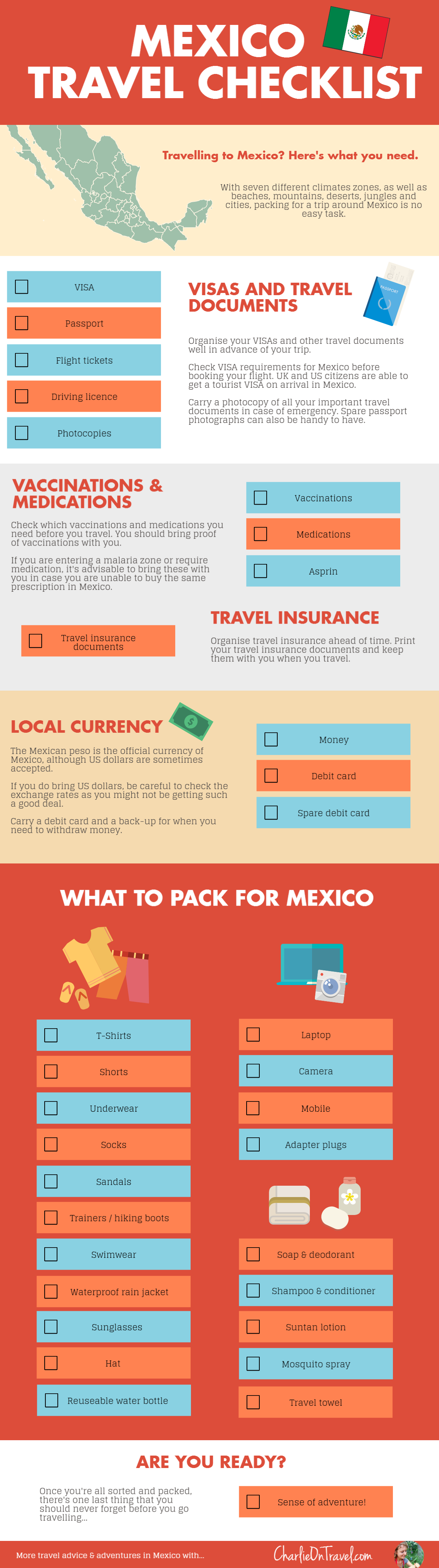
In the landscape of global mobility, Mexico has emerged as more than just a vacation destination; it is a primary hub for digital nomads, retirees, and investors seeking to optimize their cost of living and capital appreciation. However, the “requirements to travel to Mexico” extend far beyond a valid passport and a plane ticket. From a personal finance and investment perspective, entering Mexico for an extended period requires a sophisticated understanding of economic solvency, liquidity management, and tax compliance.
Navigating the financial barriers to entry is essential for anyone looking to leverage Mexico’s growing economy. Whether you are budgeting for a short-term remote work stint or planning a significant capital investment in the Riviera Maya, understanding the fiscal requirements is the first step toward a successful transition.
The Cost of Entry: Initial Travel Budgeting and Liquidity
For the average traveler, the financial requirements to enter Mexico appear minimal, but for those approaching travel through the lens of financial planning, the initial liquidity requirements are paramount. Mexico’s entry regulations for tourists often involve a discretionary check by immigration officers to ensure the traveler has the “means of support” for their duration of stay.
Understanding the Financial Implications of the FMM
While the Forma Migratoria Múltiple (FMM)—the traditional tourist card—is being phased out in favor of passport stamps at many airports, the underlying requirement remains: you must prove you can afford your stay. From a money management perspective, this means having accessible liquidity. Professional travelers suggest maintaining a dedicated “travel emergency fund” equivalent to at least three months of local expenses. Currently, with the fluctuations of the Mexican Peso (MXN) against the USD and Euro, a buffer of 20% over your projected budget is recommended to account for currency volatility.
Proof of Funds: When and Why it Matters
While rarely asked of short-term tourists from Tier-1 visa-exempt countries, those planning to stay for the full 180 days allowed under a tourist designation should be prepared to show proof of funds. This often takes the form of recent bank statements or a liquid credit line. In the context of personal finance, this “requirement” serves as a safeguard against becoming a burden on the local economy. For the savvy traveler, this means ensuring that your primary banking institution is aware of your travel plans to prevent frozen assets—a common financial hurdle that can derail an international move before it begins.
Residency Requirements: The Economic Solvency Thresholds
For those looking to go beyond a 180-day stay, the “requirements to travel to Mexico” shift from simple budgeting to strict economic solvency. The Mexican government utilizes financial benchmarks to determine if a foreign national is eligible for residency. These benchmarks are typically tied to the Mexican Daily Minimum Wage or the UMA (Unidad de Medida y Actualización).
Temporary Resident Visa: Income vs. Savings Requirements
The Temporary Resident Visa is the standard for those intending to live in Mexico for one to four years. To meet the financial requirements, applicants must generally prove one of two things: a consistent monthly income or a significant balance in savings/investments.
- Income Requirement: As of 2024, an individual must typically show a net monthly income of approximately $3,200 to $4,500 USD (these figures vary by consulate) over the last six months. This is often proven through pay stubs or pension statements.
- Savings Requirement: If you do not have a monthly salary—common for retirees or those living off investments—you must show an average monthly balance in a savings or investment account of roughly $53,000 to $75,000 USD over the last 12 months.
From a wealth management perspective, these requirements necessitate a year of strategic “seasoning” of your accounts. Shifting large sums of money right before an application is often flagged; the requirement is for a sustained, stable financial position.

Permanent Residency: The Financial Milestones
For those seeking a permanent commitment, the financial bar is higher. Permanent residency is often granted to those who are retired or have family ties, but it can also be obtained through “Economic Solvency.” The savings requirement for permanent residency can exceed $200,000 USD in liquid assets held over the previous 12 months. This requirement forces a strategic look at one’s portfolio—balancing the need for liquidity to meet visa requirements against the desire for long-term growth in less liquid vehicles like 401(k)s or IRAs.
Investment Requirements for Foreign Nationals
Many travelers view Mexico not just as a place to spend money, but as a place to grow it. The requirements for traveling to Mexico for the purpose of investment involve specific legal and financial structures designed to protect both the investor and the sovereign interests of the country.
Real Estate Investment: The Fideicomiso and Direct Ownership
One of the most popular ways to meet the “requirement” for residency is through real estate investment. However, there is a financial “catch” known as the Restricted Zone—any land within 50km of the coast or 100km of the border.
- The Fideicomiso: To “travel” into the realm of coastal property ownership, foreigners must set up a bank trust called a fideicomiso. This involves an initial setup fee (ranging from $500 to $2,000 USD) and annual maintenance fees (approx. $500 USD).
- Direct Ownership: Outside the restricted zone, you can own property directly. From a financial planning standpoint, property investment of roughly $450,000 USD or more can qualify an individual for residency, effectively turning a real estate asset into a legal “requirement” checkbox for staying in the country.
Business Investment: Requirements for Commercial Entry
For entrepreneurs, the requirements involve a different financial path. Starting a Mexican corporation (S.A. de C.V.) requires a minimum capital contribution and the engagement of a Mexican accountant (CPA). The financial requirement here is not just the initial capital, but the ongoing “burn rate” of compliance. Navigating the tax ID (RFC) process and the electronic signature (e.firma) is a prerequisite for any business-related travel that involves earning local income.
Managing Personal Finance in the Mexican Economy
Once the legal and entry requirements are met, the ongoing requirement for a successful stay in Mexico is sophisticated personal finance management. The transition from a USD- or EUR-denominated life to a MXN-influenced one requires a shift in how one views purchasing power and risk.
Banking for Expats: Account Minimums and Documentation
Opening a bank account in Mexico is a significant financial milestone. While many travelers rely on international cards like Wise or Charles Schwab, a local account is often required for paying utilities or local taxes. The “requirement” for a local account usually includes your residency card, proof of address (CFE bill), and a minimum opening deposit. From a digital finance perspective, the Mexican banking system is highly advanced, utilizing the SPEI system for instant transfers, which is an essential tool for managing local cash flow.
Tax Implications and Compliance for International Travelers
A major financial requirement that many overlook is tax residency. If you spend more than 183 days in Mexico, you may be considered a tax resident. This triggers a requirement to report worldwide income to the SAT (Servicio de Administración Tributaria).
- Double Taxation Treaties: Mexico has treaties with many countries, including the US and Canada, to prevent double taxation. However, the requirement to file remains.
- Asset Reporting: For US citizens, the FBAR (Foreign Bank and Financial Accounts Report) requirement kicks in if the aggregate value of your Mexican accounts exceeds $10,000 USD at any point during the year.
Ignoring these financial requirements can lead to heavy penalties, effectively negating the cost-of-living benefits that many seek when traveling to Mexico. Professional financial oversight is not just a luxury; it is a requirement for anyone treating their Mexican journey as a strategic financial move.
Conclusion
The “requirements to travel to Mexico” are multifaceted and deeply rooted in financial stability. Beyond the initial logistics of airfare and lodging, the true requirements involve maintaining specific liquidity levels, proving economic solvency for residency, and navigating the complexities of international tax and real estate law. By approaching Mexico through the lens of a financial strategist, you can transform your travel from a simple excursion into a well-managed international asset, ensuring that your time in the country is as fiscally rewarding as it is culturally enriching.
aViewFromTheCave is a participant in the Amazon Services LLC Associates Program, an affiliate advertising program designed to provide a means for sites to earn advertising fees by advertising and linking to Amazon.com. Amazon, the Amazon logo, AmazonSupply, and the AmazonSupply logo are trademarks of Amazon.com, Inc. or its affiliates. As an Amazon Associate we earn affiliate commissions from qualifying purchases.