
In the public consciousness, the efficacy of a medication is almost entirely attributed to its “active ingredient”—the specific molecule designed to target a biological pathway. However, the pharmaceutical industry is currently undergoing a digital transformation that shifts the focus toward the remaining 90% of a pill’s volume: the inactive ingredients, known scientifically as excipients. No longer viewed as mere “fillers,” these components are now the subjects of intense technological research, advanced computational modeling, and sophisticated supply chain tracking.
From the use of Artificial Intelligence (AI) in molecular modeling to the implementation of blockchain for ingredient transparency, the technology behind inactive ingredients is a cornerstone of modern MedTech. Understanding what these ingredients are through the lens of technology reveals a world where software and hardware converge to ensure that medicine is safe, stable, and effective.
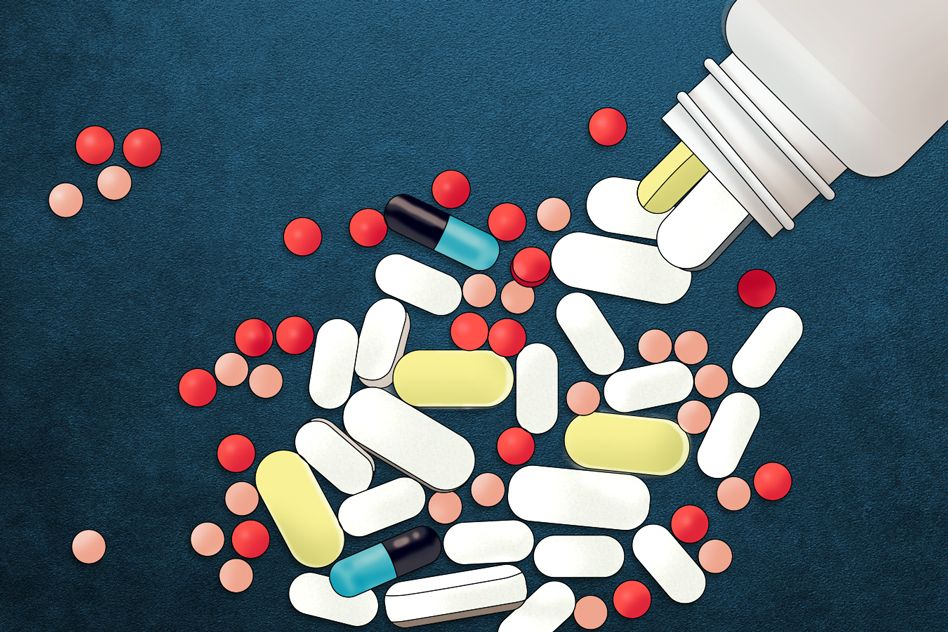
The Engineering of Excipients: Computational Pharmaceutics and Molecular Modeling
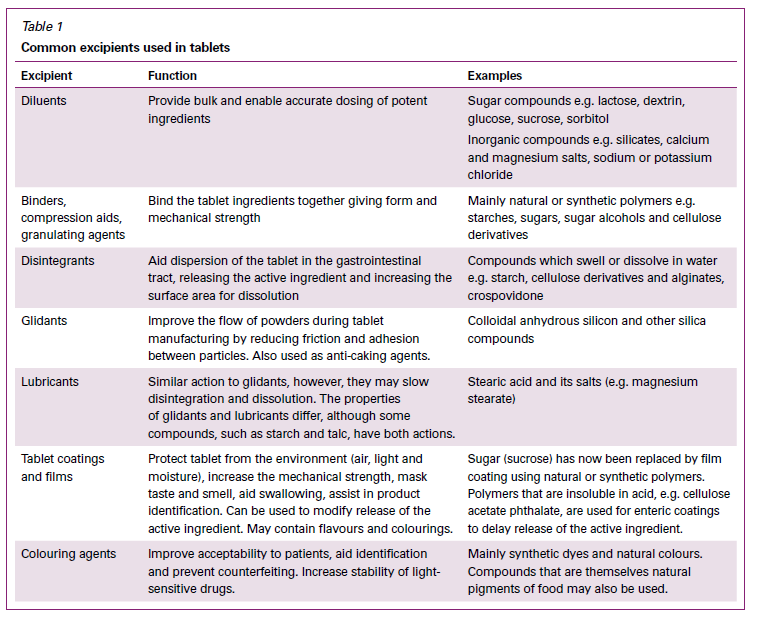
The selection of inactive ingredients is no longer a trial-and-error process in a traditional laboratory. It has moved into the realm of “Computational Pharmaceutics,” where software tools simulate how different binders, coatings, and disintegrants interact with the active pharmaceutical ingredient (API) at a molecular level.
Computational Modeling and Molecular Dynamics
Modern software platforms allow pharmaceutical engineers to perform molecular dynamics simulations. These tools predict how an inactive ingredient, such as a specific polymer coating, will react to environmental factors like humidity or heat. By using high-performance computing (HPC), researchers can model the “glass transition temperature” of excipients, ensuring that a pill won’t degrade in a shipping container crossing the Atlantic. This digital-first approach significantly reduces the time-to-market for new drugs and ensures that the inactive framework of a tablet is perfectly synchronized with the active molecule.
Smart Delivery Systems and Tech-Enabled Bioavailability
One of the most critical roles of inactive ingredients is controlling the release of the drug. Through advanced material science and digital engineering, tech companies are developing “smart” excipients. These are high-tech polymers designed to respond to specific physiological triggers, such as pH levels in the stomach or specific enzymes in the gut. Digital simulation tools help engineers design these “timed-release” mechanisms, ensuring that the medication is delivered to the exact part of the body where it is most effective. Without the technological precision used to design these inactive structures, many modern drugs would be destroyed by stomach acid before they could ever reach the bloodstream.
AI and Machine Learning in Formulation Optimization
The pharmaceutical industry is increasingly leaning on Artificial Intelligence (AI) and Machine Learning (ML) to optimize the complex recipes of inactive ingredients. When a drug is formulated, there are thousands of potential combinations of diluents, lubricants, and glidants. Finding the “Goldilocks” zone—where the pill is hard enough not to break but soft enough to dissolve—is a data-heavy challenge perfectly suited for AI.
Predictive Analytics for Stability and Shelf-Life
Machine learning algorithms are now trained on decades of pharmaceutical stability data. These AI tools can predict the shelf-life of a drug based on its inactive ingredient profile with incredible accuracy. For instance, if a manufacturer wants to replace a synthetic dye with a natural alternative, an AI model can simulate how that change will affect the drug’s stability over three years. This predictive capability is a massive leap forward from the traditional “accelerated aging” tests, allowing for faster iterations and more sustainable ingredient choices.
Reducing Lab Waste through Digital Twin Simulations
A “Digital Twin” is a virtual representation of a physical product or process. In drug manufacturing, engineers create digital twins of the tablet-pressing process. By simulating how inactive ingredients like microcrystalline cellulose flow through a high-speed industrial press, manufacturers can identify potential “clogging” points or structural weaknesses before a single physical gram of material is used. This tech-driven optimization minimizes physical waste and ensures that the inactive ingredients are perfectly tuned for high-volume digital manufacturing environments.
Digital Transparency and Blockchain in Ingredient Tracking
As the global pharmaceutical supply chain becomes more complex, the “Digital Security” of inactive ingredients has become a paramount concern. Inactive ingredients are sourced from all over the world—lactose from New Zealand, magnesium stearate from the US, and various cellulose derivatives from Europe. Ensuring the purity and authenticity of these ingredients requires a robust technological infrastructure.
Blockchain and the Immutable Ledger of Ingredients
Counterfeit medications are a global crisis, and often, the fraud happens within the inactive ingredients—using sub-standard fillers that can compromise the drug’s safety. To combat this, leading tech firms are implementing blockchain technology to create a transparent, immutable record of every ingredient’s journey. Each batch of an inactive ingredient is assigned a unique digital ID. As it moves from the raw material supplier to the formulation plant, every transaction is recorded on the blockchain. This “Track and Trace” technology ensures that the inactive ingredients are exactly what the label claims them to be, providing an unparalleled layer of digital security for the patient.
QR Codes and Smart Labeling: Tech for Patient Safety
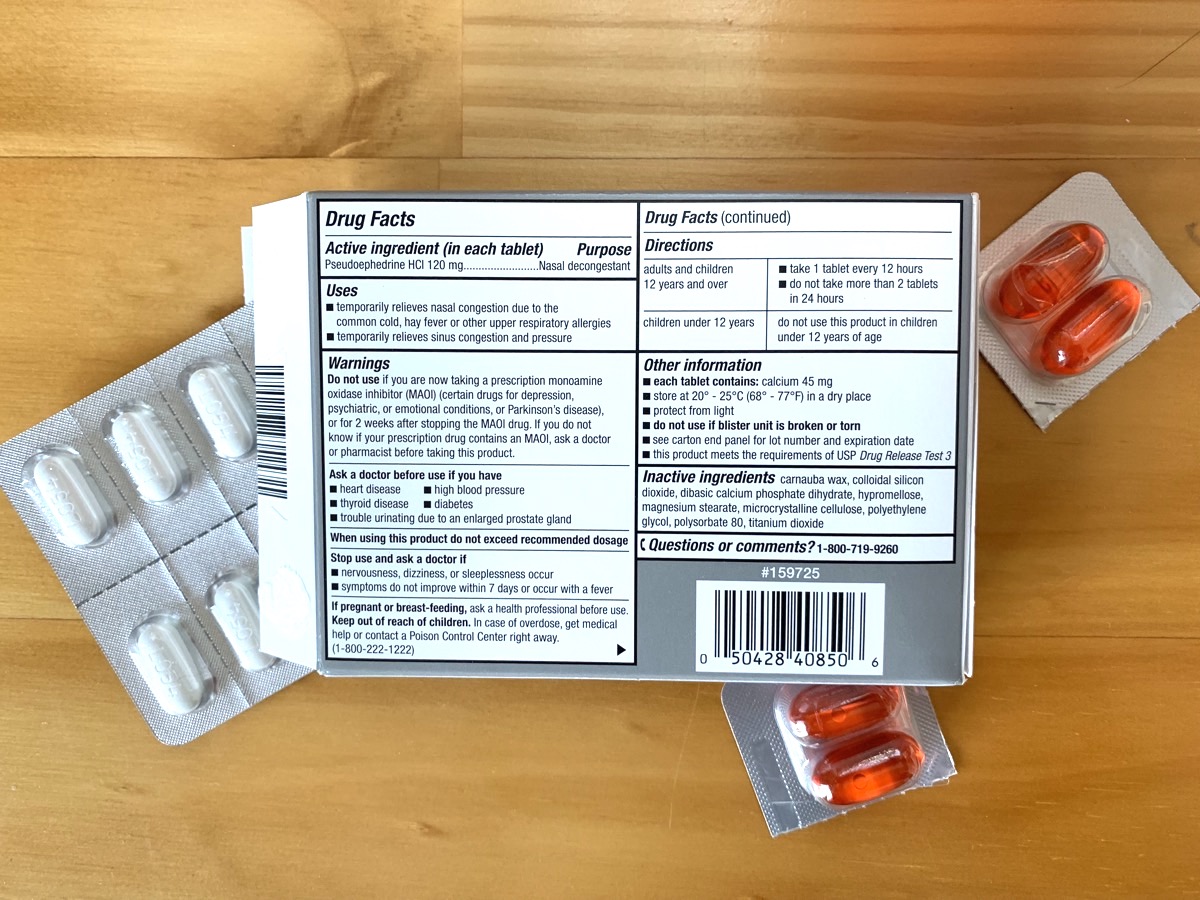
The way consumers interact with the list of inactive ingredients is also changing through digital tools. Smart labeling and “e-Leaflets” are replacing traditional paper inserts. By scanning a QR code on a medication bottle, a patient can access a dynamic database of every inactive ingredient used in that specific batch. This is particularly vital for patients with tech-enabled health tracking apps who may have specific allergies to dyes or binders like gluten or lactose. The integration of drug ingredient data with personal health apps represents the frontier of “Digital Therapeutics,” where the patient has full visibility into the chemical makeup of their medicine via their smartphone.
The Future of Personalized Medicine and 3D Printed Drugs
The most disruptive technology trend involving inactive ingredients is the rise of 3D printing in pharmaceuticals. This technology moves us away from mass-produced “one-size-fits-all” tablets toward personalized medicine tailored to an individual’s digital health profile.
On-Demand Manufacturing Tech
3D printing technology, such as “ZipDose,” uses a high-tech inkjet process to bond layers of powdered inactive ingredients together. This allows for the creation of highly porous tablets that dissolve almost instantly with a sip of water—a feat that is difficult to achieve with traditional mechanical presses. The software controlling these 3D printers can adjust the ratio of inactive ingredients on the fly, allowing a pharmacy or hospital to print a custom pill that has the exact release profile a specific patient requires.
Algorithmic Dosing and Custom Excipient Profiles
In the future, your wearable tech might communicate with a 3D drug printer. If your biological sensors indicate you need a slower release of a medication due to your current metabolic state, the algorithm could theoretically adjust the density of the inactive “matrix” of the pill. This level of customization is only possible because of the advancements in how we digitally manipulate inactive ingredients. The “filler” becomes the “engine” of personalized drug delivery, controlled entirely by software and real-time data.
Conclusion: The Convergence of Software and Chemistry
The question “what are inactive ingredients in drugs?” can no longer be answered simply by listing substances like starch or talc. In the modern era, inactive ingredients are the site of some of the most exciting technological advancements in the medical field. They are the subjects of complex AI simulations, the components of 3D-printed structures, and the nodes in a global blockchain security network.
As we move deeper into the decade, the line between “tech” and “pharmaceuticals” will continue to blur. The digital tools used to design, track, and manufacture inactive ingredients are just as important as the chemical compounds themselves. For the tech-savvy consumer and the industry professional alike, recognizing the role of software and data in drug formulation is essential. In the world of modern medicine, it is the technology behind the “inactive” parts that often makes the “active” parts possible.
aViewFromTheCave is a participant in the Amazon Services LLC Associates Program, an affiliate advertising program designed to provide a means for sites to earn advertising fees by advertising and linking to Amazon.com. Amazon, the Amazon logo, AmazonSupply, and the AmazonSupply logo are trademarks of Amazon.com, Inc. or its affiliates. As an Amazon Associate we earn affiliate commissions from qualifying purchases.