
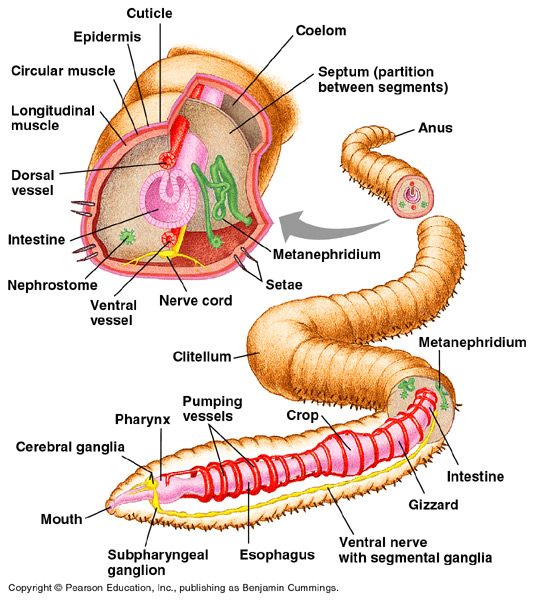
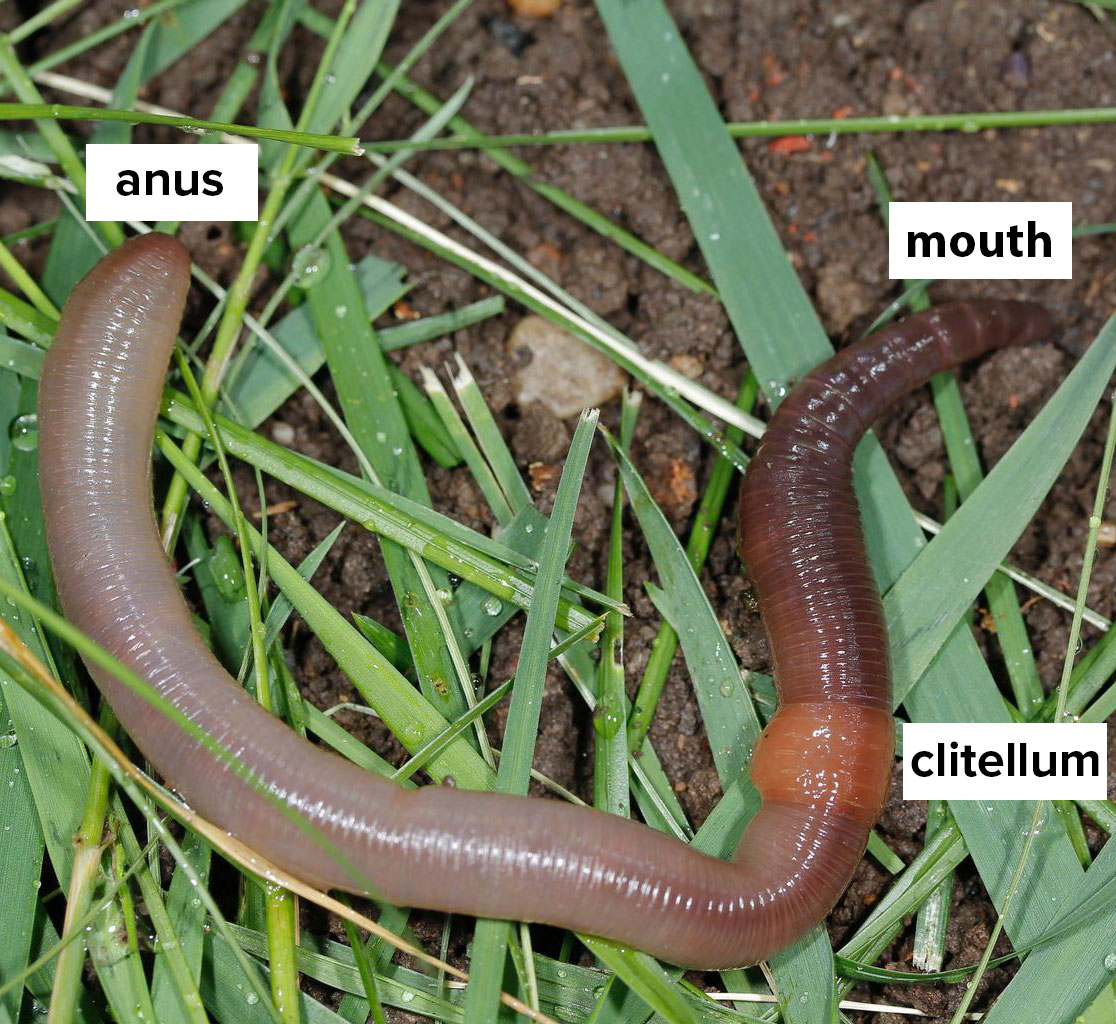
In the biological world, the earthworm is often ignored, existing beneath the surface and performing the unglamorous work of aerating soil and decomposing organic matter. Yet, without them, the entire ecosystem would collapse. In the landscape of modern technology, a similar phenomenon occurs. We interact with sleek user interfaces, high-definition streaming, and instantaneous search results, rarely pausing to consider the “digital earthworms” that make this possible.
These digital earthworms are the background processes, web crawlers, data miners, and automated scripts that tirelessly navigate the subterranean layers of the internet. They process trillions of data points, index the vast expanses of the World Wide Web, and maintain the health of our digital infrastructure. To understand the modern tech stack, one must understand what these digital earthworms do, how they operate, and why they are the foundational architects of the information age.
The Digital Subterrane: Understanding the Role of Search Engine Spiders
The most recognizable form of the digital earthworm is the search engine crawler, often referred to as a “spider” or “bot.” Just as a biological worm moves through the earth to create channels for air and water, these bots move through the interconnected links of the internet to create a map of information.
Indexing the Infinite: How Crawlers Map the Web
At any given moment, Googlebot, Bingbot, and thousands of other proprietary crawlers are traversing the web. Their primary function is discovery. They start with a list of known URLs and follow the hyperlinks on those pages to find new content. This process, known as “crawling,” is the precursor to indexing.
When a crawler visits a page, it parses the HTML, identifies keywords, analyzes the site structure, and stores this information in a massive database—the index. This is the “aeration” of the internet. Without these crawlers, the web would be a disorganized heap of disconnected data. By creating a searchable index, these bots allow users to find needles in a global haystack within milliseconds.
Algorithmic Aeration: Maintaining the Health of Information Flow
Beyond simple discovery, digital earthworms perform a vital maintenance role. They check for “dead links” (404 errors), monitor site speed, and assess mobile responsiveness. When a crawler identifies a broken path, it signals to the search engine that the “soil” of that specific website is no longer healthy, leading to a de-prioritization in search rankings.
This constant feedback loop forces developers and businesses to maintain high standards of digital hygiene. In this sense, crawlers don’t just find information; they actively improve the quality of the web by incentivizing structured data, fast load times, and relevant content.
Data Mining and Processing: The Decomposers of Big Data
In agriculture, earthworms consume organic waste and turn it into nutrient-rich humus. In the tech sector, background automation performs a near-identical task with “Raw Data.” In its raw form, data is often “trash”—unstructured, noisy, and unusable.
Turning Raw Data into Digital Humus
Large-scale enterprises generate petabytes of logs, transaction records, and user interaction data every day. “Data worms”—automated Extract, Transform, Load (ETL) pipelines—work behind the scenes to ingest this raw material. They strip away irrelevant metadata, normalize formats, and deposit the refined information into data warehouses like Snowflake or Amazon Redshift.
This process is critical for the survival of the modern data-driven brand. Without these automated “decomposers,” a company would drown in its own information. By breaking down complex datasets into digestible insights, these background processes provide the nutrients needed for executive decision-making and strategic pivoting.
Real-Time Analytics as Nutrients for Business Intelligence
The speed of the digital earthworm has increased exponentially with the advent of stream processing. Tools like Apache Kafka and Amazon Kinesis act as high-speed “digestive tracts” for data. Instead of waiting for batch processing at the end of the day, these systems process information in real-time.
Whether it’s detecting a fraudulent credit card transaction or adjusting the price of a ride-share based on current demand, these automated processes work invisibly to ensure the “soil” of the market remains fertile and responsive. They provide the immediate feedback loops that allow modern software to feel “smart” and intuitive.
Security Crawlers: The Immune System of the Network
Just as earthworms help break down pathogens in the soil, digital security bots act as the immune system of our global networks. In an era of constant cyber threats, the “earthworms” of the security world are the first line of defense.
Identifying Vulnerabilities Before They Bloom
Vulnerability scanners are specialized crawlers designed to look for “rot” in a system’s code. They navigate internal networks and public-facing applications, searching for unpatched software, open ports, or misconfigured cloud buckets.
These bots operate on a cycle of continuous monitoring. By simulating the tactics of a malicious actor, they identify weak points before a human attacker can exploit them. This proactive “burrowing” into the system’s architecture ensures that the structural integrity of the enterprise remains intact. In many ways, the health of a corporate brand today is directly tied to the efficacy of these invisible security workers.
Automated Patching and System Maintenance
Once a vulnerability is found, the next generation of digital earthworms—automated remediation scripts—takes over. In DevOps environments, these “worker bots” can automatically deploy patches, rotate encryption keys, or isolate a compromised server from the rest of the network.
This level of automation is the only way to manage the sheer scale of modern tech infrastructure. A human IT team cannot manually check every one of the thousands of microservices running in a cloud environment. Automated background processes ensure that the “digital soil” remains untainted by malware and exploits, working 24/7 without the need for manual intervention.
The Evolution of AI Agents: From Simple Crawlers to Intelligent Architects
The traditional “earthworm” metaphor is evolving. We are moving away from simple, scripted bots toward autonomous AI agents. If the crawlers of the 2010s were simple decomposers, the AI agents of the 2020s are the terraformers of the digital landscape.
Generative AI and the New Era of Data Consumption
The rise of Large Language Models (LLMs) like GPT-4 and Claude has changed what it means to “crawl.” These models were trained on data gathered by sophisticated digital earthworms that did more than just index keywords; they ingested the nuances of human language, logic, and creativity.
The “earthworms” of the AI era are increasingly capable of understanding context. When an AI agent crawls a website today, it isn’t just looking for links; it is synthesizing information to answer complex questions or generate new code. This is a fundamental shift from data retrieval to data generation. The digital soil is no longer just being aerated; it is being redesigned.
Ethical Scraping and the Future of Digital Ecosystems
As these digital earthworms become more powerful, the tech industry faces new ethical challenges. Just as over-farming can deplete real soil, aggressive data scraping can “deplete” the value of digital content. If AI bots consume all the information on the web to provide answers within a chat interface, the original creators of that content (the “plants” in our metaphor) may lose the traffic and revenue they need to survive.
The future of tech will depend on establishing a sustainable relationship between these bots and the content creators. This includes the development of “Robots.txt” for the AI age—protocols that allow site owners to dictate how their data is “digested” by AI crawlers. Maintaining a healthy digital ecosystem requires a balance where the earthworms support growth without consuming the very life they are meant to sustain.
Conclusion: Respecting the Invisible Infrastructure
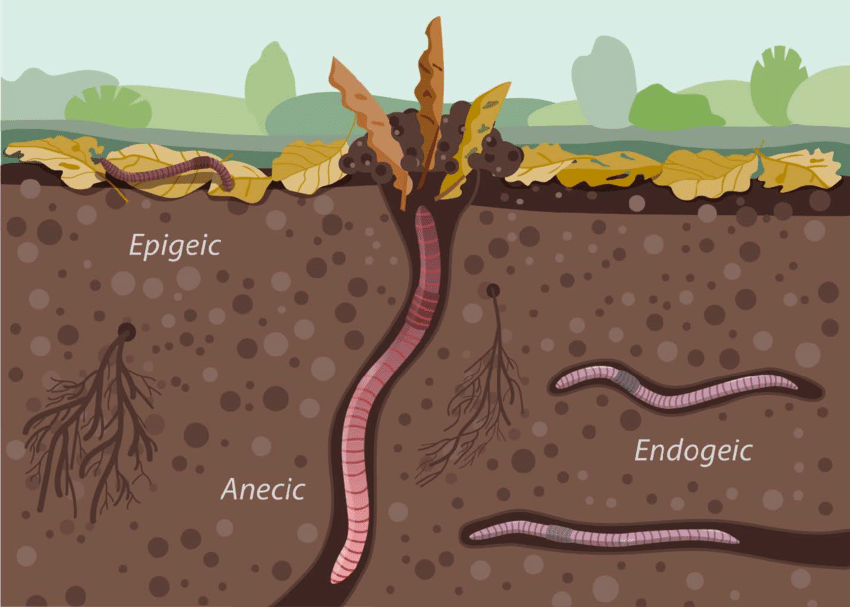
What do earthworms do? They facilitate life by managing the foundational elements of their environment. In technology, background automation, crawlers, and data processors do exactly the same. They are the unsung heroes of the digital economy, working in the shadows to ensure that our searches are accurate, our data is clean, and our systems are secure.
As we look toward a future dominated by AI and hyper-automation, the role of these digital earthworms will only grow in importance. By understanding and optimizing these background processes, technologists can build more resilient, efficient, and intelligent systems. The next time you perform a search or receive a real-time notification, remember the millions of “earthworms” burrowing through the code and data beneath your screen, keeping the digital world fertile and thriving.
aViewFromTheCave is a participant in the Amazon Services LLC Associates Program, an affiliate advertising program designed to provide a means for sites to earn advertising fees by advertising and linking to Amazon.com. Amazon, the Amazon logo, AmazonSupply, and the AmazonSupply logo are trademarks of Amazon.com, Inc. or its affiliates. As an Amazon Associate we earn affiliate commissions from qualifying purchases.