
When the news broke on June 13, 2010, that Jimmy Dean had passed away at the age of 81, the immediate question for many was, “What did Jimmy Dean die of?” While the official cause was reported as natural causes—he passed away peacefully while eating television in his home in Varina, Virginia—the marketing and business world asked a different, more complex question: What happens to a brand when its namesake and living personification is gone?
The transition of a brand from a living person to a corporate entity is one of the most difficult maneuvers in brand strategy. Jimmy Dean didn’t just leave behind a music legacy and a sausage empire; he left behind a masterclass in personal branding and corporate identity. Today, the Jimmy Dean brand continues to dominate the breakfast category, proving that a well-constructed brand identity can achieve a form of commercial immortality.

The Man Behind the Meat: Jimmy Dean’s Personal Branding Masterclass
Before he was the “Sausage King,” Jimmy Dean was a country music star and a television personality. His journey from the stage to the grocery store aisle is a foundational case study in how to leverage personal celebrity to build a tangible product brand.
From Country Music to Breakfast Tables
Jimmy Dean’s brand didn’t start in a factory; it started with a voice. In the early 1960s, his hit “Big Bad John” made him a household name. This established the first pillar of his brand: the “working man’s hero.” When he founded the Jimmy Dean Meat Company in 1969 with his brother, he wasn’t just selling pork; he was selling the trust he had already built with his audience.
From a brand strategy perspective, Dean utilized “horizontal brand extension.” He took the attributes associated with his persona—honesty, ruggedness, and Southern charm—and applied them to a commodity product. In a marketplace of faceless corporations, Jimmy Dean was a face you already knew and liked.
Authenticity as a Competitive Advantage
In the 1970s and 80s, Jimmy Dean became the primary spokesperson for his own products. His taglines, delivered in his signature Texas drawl, weren’t just catchy; they were authentic. In the world of marketing, “authenticity” is often a manufactured sentiment, but for Dean, it was the core of his brand equity.
By being the literal face of the company, he minimized the “psychological distance” between the producer and the consumer. When consumers bought the sausage, they felt they were buying it directly from Jimmy. This level of personal accountability is a powerful brand tool that modern influencers and entrepreneurs still struggle to replicate.
Navigating the Transition: What Happens When a Brand Persona Passes Away?
The death of a founder is a “high-risk” event for any brand. When the question “What did Jimmy Dean die of?” was answered in 2010, the Jimmy Dean brand (then owned by Sara Lee, and later Tyson Foods) faced a strategic crossroads. They had to decide how to maintain the “soul” of the brand without the living person to embody it.
The 2010 Transition and Corporate Continuity
By the time of his death in 2010, Jimmy Dean had not been involved in the day-to-day operations of the company for some time, having sold it to Sara Lee in 1984. However, he remained the face of the brand in the public consciousness. The brand strategy post-2010 shifted from using Jimmy as a spokesman to using Jimmy as a symbol.
The brand successfully transitioned by focusing on the “values” Jimmy represented rather than just his physical presence. They moved toward “Heritage Branding,” where the history and origins of the company become the primary marketing narrative. This allowed the brand to survive the loss of its founder because the brand’s promise—quality and a “good morning” start—was bigger than any one person.
Preserving the “Down-Home” Voice in a Modern Market
One of the greatest challenges for the brand after 2010 was maintaining the “voice” of the marketing. Jimmy’s personality was colloquial, warm, and slightly humorous. To maintain this, the brand’s marketing teams had to codify his personality into a Brand Style Guide.
Even today, Jimmy Dean commercials often use a narrator who mimics the warmth of Dean’s original delivery. By maintaining the tonal consistency of the brand, they ensured that the consumer’s emotional connection to the product remained unbroken, regardless of the founder’s absence.

Marketing the Immortal Founder: Strategies for Long-Term Brand Equity
The Jimmy Dean brand is now a multi-billion dollar entity under Tyson Foods. Its continued success provides several insights into how corporate identity can be managed over decades.
Leveraging Nostalgia in Digital Campaigns
Nostalgia is a powerful emotional driver in branding. The Jimmy Dean brand uses nostalgia not to look backward, but to provide a sense of stability in a fast-moving world. In their digital marketing, they often reference the “Sun” character—a literal personification of a “good morning”—which acts as a bridge between the old Jimmy Dean commercials and modern animation styles.
This strategy allows the brand to appeal to older consumers who remember Jimmy Dean the man, while also attracting younger consumers who simply recognize the “Sun” as a symbol of a reliable breakfast. It is a dual-track branding strategy that maximizes market reach.
The Evolution of Jimmy Dean’s Visual Identity
If you look at the packaging for Jimmy Dean products over the last fifty years, the evolution is subtle yet intentional. The signature logo—the stylized “Jimmy Dean” signature—has remained remarkably consistent. This is a deliberate choice in brand management called “visual persistence.”
While the product photography and color palettes have been modernized to look “fresh” and “premium,” the core identity elements remain. This tells the consumer that while the company is innovating (with breakfast sandwiches, bowls, and plant-based options), the fundamental promise of the brand has not changed since 1969.
Lessons for Modern Entrepreneurs: Building a Brand That Survives You
The legacy of Jimmy Dean offers vital lessons for today’s personal brands, from YouTube creators to startup CEOs. If your brand is tied to your name, how do you ensure it survives your eventual departure?
Scalability Beyond the Individual
The most successful personal brands are those that eventually decouple the value proposition from the individual. Jimmy Dean moved from “I make this sausage” to “This brand represents a better breakfast.”
For modern entrepreneurs, the lesson is to build a “Brand Persona” that is distinct from your “Personal Identity.” The Brand Persona should be a set of values, aesthetics, and promises that a team can execute without your direct intervention. If the brand relies solely on your daily presence, it is not a brand; it is a job.
Maintaining Values Amidst Ownership Changes
The Jimmy Dean brand has survived multiple corporate acquisitions. This is only possible because the brand’s identity was so strong that the parent companies (Sara Lee, Hillshire Brands, Tyson Foods) knew better than to change it.
When a brand has a clear “Why” (in this case, providing a hearty, traditional American start to the day), it becomes an asset that can be plugged into different corporate structures without losing its essence. The “What did Jimmy Dean die of?” question becomes a footnote in history, while the brand itself remains a living, breathing part of the culture.
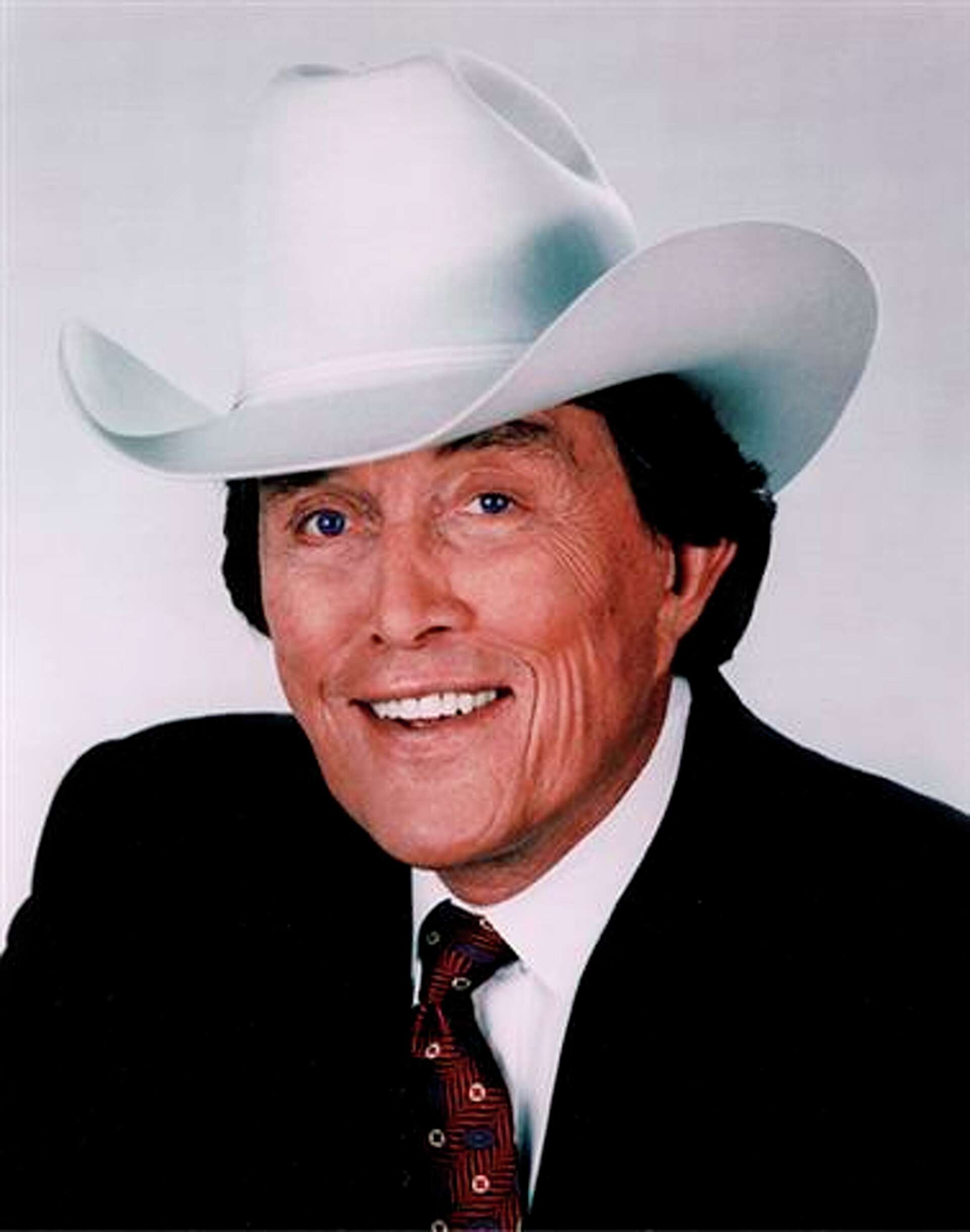
Conclusion: The Sun Never Sets on a Strong Brand
Jimmy Dean passed away in 2010, but the Jimmy Dean brand is more alive than ever. By successfully navigating the transition from a celebrity-driven personal brand to a legacy-driven corporate brand, the company has achieved what every brand strategist dreams of: total market ubiquity.
The story of Jimmy Dean is a reminder that while people are mortal, brands can be eternal. By focusing on authenticity, maintaining a consistent voice, and building a value proposition that transcends the individual, a brand can continue to “shine” long after its founder has seen their last sunrise. For those looking to build a lasting legacy, the Jimmy Dean model remains the gold standard for personal branding and corporate longevity.
aViewFromTheCave is a participant in the Amazon Services LLC Associates Program, an affiliate advertising program designed to provide a means for sites to earn advertising fees by advertising and linking to Amazon.com. Amazon, the Amazon logo, AmazonSupply, and the AmazonSupply logo are trademarks of Amazon.com, Inc. or its affiliates. As an Amazon Associate we earn affiliate commissions from qualifying purchases.