
The music industry has always been a factory for personas, but rarely does an artist emerge who fundamentally rewrites the manual on personal branding in real-time. Chappell Roan, the breakout pop phenomenon of 2024, has done exactly that. When the public asks, “What did Chappell Roan say?” they are usually referring to her recent, polarizing, and deeply strategic statements regarding fan boundaries and the “parasocial” nature of modern fame.
However, from a professional brand strategy perspective, what she said was not merely a series of viral TikToks or Instagram captions. It was a calculated (or perhaps radical) redefinition of the “Creator-Consumer” contract. In an era where brands—both personal and corporate—are told to be endlessly accessible, Roan’s refusal to play by the traditional rules of celebrity engagement offers a fascinating case study in brand sustainability, authenticity, and the power of the “Hard No.”

The Anatomy of a Viral Brand: The Rise of the “Midwest Princess”
To understand the weight of Chappell Roan’s recent statements, one must first analyze the foundation of the brand she built. The “Chappell Roan” brand is a masterclass in aesthetic cohesion and world-building. It is not just music; it is a visual and narrative ecosystem that resonates with a specific, high-intent demographic.
Aesthetic Consistency as a Brand Pillar
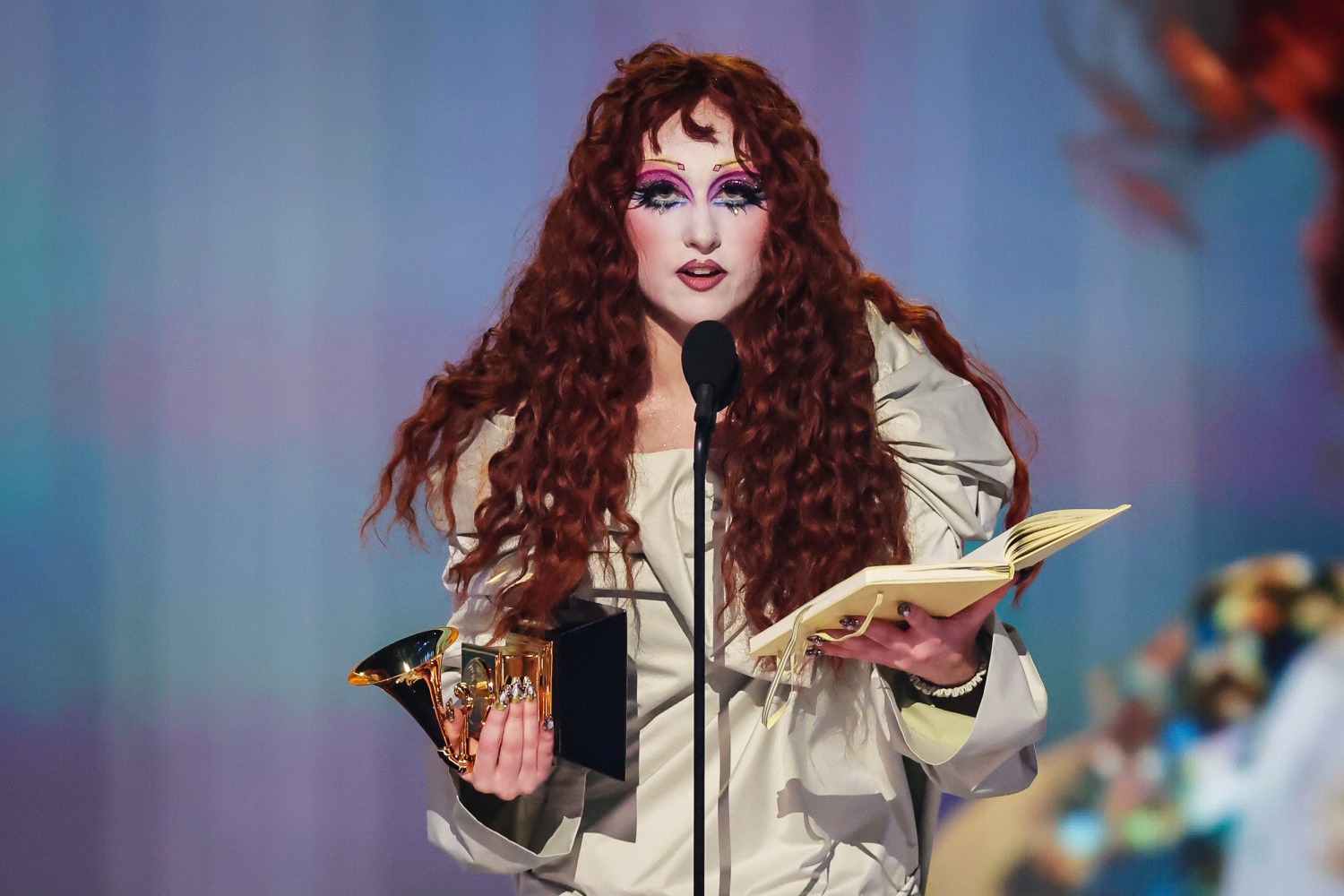
The visual identity of Chappell Roan—heavily influenced by drag culture, camp, and 80s synth-pop aesthetics—is instantly recognizable. In brand marketing, this is known as “distinctive brand assets.” From the white face paint to the thrift-store-prom-queen silhouettes, every touchpoint of her brand reinforces a singular identity. This consistency created a “safe space” for her core audience (the LGBTQ+ community and Gen Z), allowing them to feel a deep sense of ownership over the brand. When a brand creates such high emotional resonance, it builds “Brand Love,” but it also risks “Brand Over-Identification,” where the consumer feels they own the creator.
Storytelling and World-Building in Marketing
The album title The Rise and Fall of a Midwest Princess is more than a title; it is a brand mission statement. It positions the artist as an underdog, a narrative that is incredibly effective in building brand loyalty. By sharing a journey of struggle, rejection by previous labels, and ultimate triumph, Roan built a brand “lore” that fans didn’t just listen to—they studied. This level of engagement is the holy grail for marketers, but as Roan’s recent statements suggest, it can lead to a volatility that requires a new kind of brand management.
Redefining the Parasocial Contract: The Strategy Behind the Statements
The core of the conversation surrounding “what Chappell Roan said” centers on her public stance against “creepy” fan behavior. She explicitly stated that she does not owe anyone her time, physical contact, or a photo just because they enjoy her work. In the world of personal branding, this is a radical departure from the “Customer is Always Right” philosophy that has dominated the social media era.
Setting Boundaries as a Tool for Long-Term Brand Sustainability
From a brand strategy lens, Roan is addressing the “Burnout Economy.” Most modern brands fail because they attempt to scale at a rate that is humanly or operationally impossible to maintain. By setting strict boundaries early in her meteoric rise, Roan is practicing “Brand Protection.” She is essentially stating that the “product” (her music and performances) is for sale, but the “infrastructure” (her private life and mental health) is not. This ensures that the brand can continue to produce high-quality output for decades, rather than burning out in a three-year hype cycle.
The Shift from “Approachable” to “Art-First” Branding
For the last decade, the dominant trend in personal branding has been “relatability.” Influencers and pop stars were encouraged to be your “best friend.” Roan has pivoted the brand toward an “Art-First” model. What she said was a clear signal to her market: “The value I provide is in the art, not in the interaction.” This reframing is essential for high-end or luxury brands that wish to maintain a sense of prestige and distance. By de-commodifying her personal time, she ironically increases the perceived value of her public appearances and performances.
Crisis Management or Strategic Pivot? Analyzing the Public Response
Whenever a brand changes its terms of service, there is a period of friction. When Chappell Roan spoke out, the internet was divided. Some saw it as ungrateful (a brand failing its customers), while others saw it as revolutionary (a brand protecting its assets).
Navigating Backlash with Brand Consistency
A key rule in brand strategy is that you cannot be everything to everyone. When Roan faced backlash for her statements, she did not issue a traditional, PR-sanctioned “I’m sorry if I offended you” apology. Instead, she doubled down on her original premise. This is a classic “Niche-Down” strategy. While she may have alienated casual fans who prefer a more traditional, subservient celebrity model, she solidified her bond with her “Super-Fans”—the ones who value her authenticity and her commitment to the same progressive values they hold.
Authenticity as a Defense Mechanism
In corporate branding, authenticity is often a buzzword used to mask calculated moves. For Chappell Roan, authenticity appears to be a defensive strategy. By being “too honest” for the traditional industry, she makes herself “uncancelable” to her target audience. When a brand is transparent about its limitations—even if those limitations are unpopular—it builds a level of trust that “perfect” brands can never achieve. She is effectively saying, “This is who I am; take it or leave it,” which is the ultimate position of brand power.
Lessons for Modern Creators and Corporate Brands
The “Chappell Roan moment” offers vital lessons for brand managers, CMOs, and entrepreneurs who are navigating an increasingly demanding consumer landscape. What she said—and how she said it—provides a blueprint for the future of brand-consumer relationships.
Prioritizing Community Over Quantity
One of the most significant lessons from Roan’s strategy is the importance of “Brand Community” over mere “Market Reach.” Roan isn’t interested in being liked by everyone; she is interested in being understood by her community. For businesses, this means focusing on “Customer Lifetime Value” (CLV) rather than just “Customer Acquisition Cost” (CAC). A brand that stands for something—even if it’s a boundary—will always have a more loyal following than a brand that tries to please every passerby.
The Power of the “Hard No” in Brand Identity
Most brands are terrified of saying “no.” They fear losing a sale or a follower. However, a brand that says “yes” to everything eventually stands for nothing. Chappell Roan’s “no” to fan entitlement is a lesson in “Brand Integrity.” By defining what the brand isn’t, she has more clearly defined what the brand is. For a corporate brand, this might mean refusing to discount a product to maintain its luxury status, or choosing not to enter a trending conversation that doesn’t align with its core values.

Conclusion: The Future of Branding is Boundaried
When we analyze “what Chappell Roan said,” we shouldn’t see it as a celebrity outburst. We should see it as the beginning of a shift in the digital economy. We are moving away from an era of total transparency and 24/7 access toward an era of curated, boundaried, and sustainable branding.
Chappell Roan has successfully signaled that her brand is a high-value asset that requires protection. She has taught us that “Authenticity” isn’t about giving the consumer everything they want; it’s about being honest about what you are willing to give. In the long run, this strategy won’t just save her career—it will likely define the next decade of how personal and corporate brands interact with an increasingly hungry public. The “Midwest Princess” isn’t just a pop star; she is a brand strategist for a new generation that values self-respect as much as success.
aViewFromTheCave is a participant in the Amazon Services LLC Associates Program, an affiliate advertising program designed to provide a means for sites to earn advertising fees by advertising and linking to Amazon.com. Amazon, the Amazon logo, AmazonSupply, and the AmazonSupply logo are trademarks of Amazon.com, Inc. or its affiliates. As an Amazon Associate we earn affiliate commissions from qualifying purchases.