
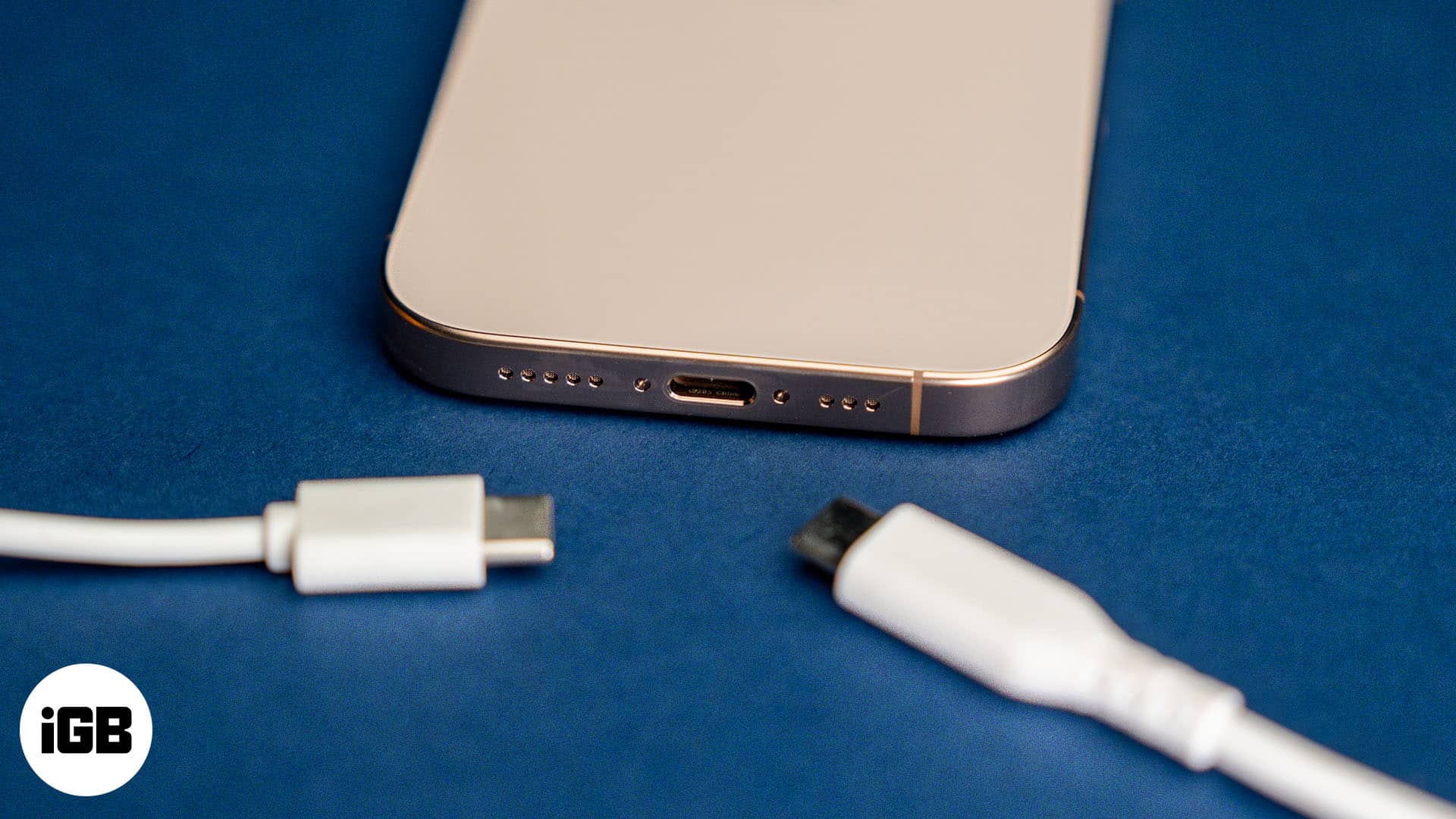
The question “what cord does iPhone 16 use?” might seem straightforward, but its answer unravels a fascinating narrative of technological evolution, regulatory influence, and the pursuit of a more unified digital experience. For the iPhone 16, following the precedent set by its immediate predecessors, the primary physical charging and data transfer cord is USB-C. This transition, a landmark shift from Apple’s proprietary Lightning connector, marks a significant moment for the iPhone ecosystem and the broader tech landscape, driven by a confluence of technological advancements, user convenience, and legislative mandates. Understanding this shift requires delving into the technical capabilities of USB-C, its implications for users, and what it signals for the future of smartphone connectivity.

The Dawn of a Universal Standard: USB-C on iPhone
The iPhone 16’s adoption of USB-C is not merely an incremental update; it’s the culmination of years of industry push towards standardization. This move, while seemingly simple, profoundly impacts everything from charging speeds and data transfer rates to accessory compatibility and environmental sustainability. For decades, Apple forged its own path with proprietary connectors, first the 30-pin dock connector and then the Lightning port. The pivot to USB-C represents a strategic alignment with a global standard, ushering in an era of enhanced interoperability and user flexibility.
From Lightning to Logic: A Historical Perspective
Apple’s journey with charging ports has always been distinctive. The original iPhones and iPods utilized the 30-pin dock connector, a robust but large port that became a staple for over a decade. In 2012, with the iPhone 5, Apple introduced the Lightning connector – a smaller, reversible, and more durable digital port. Lightning was revolutionary for its time, offering significant advantages over its predecessor and most micro-USB standards prevalent in Android devices. It allowed for thinner device designs, offered a better user experience due to its reversibility, and powered a vast ecosystem of accessories.
However, as technology progressed, so did the demands on connectivity. USB-C, introduced in 2014, quickly emerged as a superior, universal standard. It offered even greater reversibility, higher power delivery capabilities, faster data transfer speeds, and the ability to carry video signals – features that Lightning, despite its innovations, struggled to match without significant architectural overhaul. For years, Apple adopted USB-C across its MacBook and iPad lines, creating an incongruity where users needed different cables for their Apple laptops, tablets, and phones. The iPhone 15 series finally bridged this gap, and the iPhone 16 seamlessly continues this vital integration, solidifying USB-C as the ubiquitous port across the Apple ecosystem, save for the Apple Watch.
The Mandate for Change: EU Regulations and Beyond
While technological advantages and user convenience certainly played a role in Apple’s decision, a significant catalyst was external pressure, primarily from the European Union. In 2022, the EU passed legislation mandating that all new portable electronic devices, including smartphones, tablets, and cameras, sold within the bloc must use a USB-C charging port by autumn 2024. This directive, aimed at reducing e-waste and consumer inconvenience, effectively forced Apple’s hand.
While the regulation applied specifically to sales within the EU, it’s economically and logistically impractical for Apple to manufacture separate versions of the iPhone with different charging ports for different regions. Consequently, the USB-C mandate for the EU effectively became a global standard for the iPhone. This legislative push underscores a growing global consensus on the need for device interoperability and sustainability, showcasing how regulatory frameworks can accelerate industry-wide technological shifts for the benefit of consumers and the environment. Beyond the EU, other regions are considering similar legislation, reinforcing the global move towards a single, universal charging standard.
Unpacking USB-C: Power, Data, and Versatility
The iPhone 16’s reliance on USB-C is not just about adopting a new physical shape; it’s about embracing a dramatically more capable and versatile technological standard. USB-C is a robust connector that supports a multitude of functionalities far beyond simple charging, making it a powerful hub for connectivity. Its advanced capabilities contribute significantly to the overall user experience and expand the utility of the iPhone.
Power Delivery (PD) and Fast Charging Capabilities
One of the most immediate and tangible benefits of USB-C for iPhone 16 users is its enhanced power delivery capabilities. USB-C Power Delivery (USB-PD) is a specification that allows for significantly higher power transfer than previous USB standards. While the iPhone 15 Pro models already leveraged USB-C PD to support faster charging, allowing users to reach up to 50% charge in approximately 30 minutes with a 20W or higher power adapter, the iPhone 16 continues and potentially refines this. Future iterations could push these limits further, offering even quicker top-ups, which is crucial for modern, power-hungry smartphones.
The beauty of USB-C PD is its intelligence. It allows devices to negotiate the optimal power output, ensuring that the iPhone receives the correct voltage and current for safe and efficient charging. This means users can charge their iPhone 16 with a wide range of USB-C chargers, from those designed for laptops to smaller phone chargers, and the devices will communicate to deliver the appropriate power. This flexibility reduces the need for device-specific chargers, aligning perfectly with the goal of reducing e-waste and enhancing user convenience.
Data Transfer Speeds: More Than Just Charging
Beyond charging, USB-C revolutionizes data transfer. While all USB-C ports look the same, their underlying data capabilities can vary. The iPhone 15 and 15 Plus models adopted USB 2.0 speeds (up to 480 Mbps) via their USB-C port, similar to the older Lightning connector. However, the iPhone 15 Pro and 15 Pro Max integrated USB 3 (specifically USB 3.2 Gen 2) speeds, allowing for a blistering 10 Gbps. It is highly probable that the iPhone 16 Pro models will continue this trend, offering 10 Gbps or even higher speeds, potentially moving towards USB4 or Thunderbolt capabilities in future generations.
For professional users, content creators, and those dealing with large files like high-resolution photos and 4K ProRes video, these faster data transfer rates are transformative. Offloading gigabytes of data from the iPhone to a computer or external drive becomes a matter of seconds rather than minutes. This significantly enhances workflow efficiency, particularly for photographers and videographers who increasingly rely on their iPhone for professional-grade capture. The ability to quickly move large files expands the iPhone’s utility as a serious production tool, pushing the boundaries of mobile content creation.
The Reversible Advantage: Simplicity and Durability
One of the most universally appreciated features of USB-C, inherited from Lightning, is its reversible design. There’s no “wrong way” to plug in a USB-C cable; both ends are identical and can be inserted in either orientation. This seemingly small detail dramatically improves the user experience, especially in low-light conditions or when fumbling to connect the charger.
Moreover, USB-C connectors are generally more robust and durable than older USB standards. The absence of specific orientation reduces wear and tear on both the cable and the device port over time. While the Lightning connector also boasted reversibility, USB-C’s widespread adoption means that this convenience is now shared across a much broader range of devices, simplifying cable management and reducing the frustrating experience of needing multiple, unique cables for different gadgets. This unified experience extends beyond charging to connecting accessories like external displays, storage devices, and audio interfaces directly to the iPhone 16 with a single, versatile port.
Implications for iPhone 16 Users and the Ecosystem
The shift to USB-C for the iPhone 16 is more than a technical specification; it ripples through the entire Apple ecosystem and the broader consumer electronics market. It impacts how users interact with their devices, the types of accessories they purchase, and even the environmental footprint of their tech.
Adapting to the New Reality: Accessories and Compatibility
For existing iPhone users transitioning to the iPhone 16, the most immediate change is the need for USB-C cables and potentially new accessories. While many users may already have USB-C cables from other devices like iPads, MacBooks, or Android phones, those exclusively tied to the Lightning ecosystem will need to acquire new cables. This might involve a small initial inconvenience or cost for some, but the long-term benefit of a universal standard outweighs this.
The accessory market has already begun its full transition. Manufacturers of docks, external batteries, car chargers, and audio interfaces are now predominantly producing USB-C compatible products. This means iPhone 16 users will have a wider array of compatible accessories from various brands, potentially at more competitive prices due to increased competition and standardization. It also simplifies travel, as a single USB-C cable and charger can now serve multiple devices across different brands, reducing clutter and weight. Furthermore, the iPhone 16 can potentially charge other small devices like AirPods or an Apple Watch directly via its USB-C port, further enhancing its utility as a central power hub.
Environmental Benefits and Reduced E-Waste
A core driver behind the EU’s USB-C mandate, and a significant benefit of this standardization, is the reduction of electronic waste (e-waste). By eliminating the need for unique chargers and cables for different devices, fewer proprietary accessories will be manufactured and discarded. Consumers are less likely to throw away functional chargers simply because they’ve upgraded to a device with a different port. Instead, a single USB-C cable and power adapter can serve a multitude of devices for years.
This environmental advantage extends beyond just charging cables. The widespread adoption of USB-C encourages accessory manufacturers to produce more universal products, leading to fewer specialized, short-lived items. Over time, this contributes to a more sustainable tech ecosystem, reducing the consumption of raw materials and the energy expended in manufacturing and recycling. Apple itself has been a vocal proponent of environmental responsibility, and this shift aligns with its broader goals of achieving carbon neutrality across its products.
Enhanced Interoperability Across Devices
Perhaps one of the most significant, yet understated, benefits for iPhone 16 users is the enhanced interoperability. The USB-C port transforms the iPhone into a more versatile device that integrates seamlessly with a broader range of hardware. Users can now easily connect their iPhone 16 to external monitors for presentations or an extended desktop experience (especially on Pro models), directly plug in external SSDs for expanded storage, connect professional audio interfaces, or even tether to a camera for direct image transfer – all through the same universal port.
This level of interoperability has long been a feature of Android devices with USB-C, and its arrival on the iPhone 16 unlocks new possibilities for how users can integrate their smartphone into their workflow and entertainment setup. It blurs the lines between mobile and desktop computing in many respects, allowing the iPhone to act as a more central hub for creativity and productivity. This strategic move fosters a more open and integrated technological landscape, benefiting both Apple users and the wider tech community.
Beyond the Cord: The Future of iPhone Connectivity
While the iPhone 16 firmly establishes USB-C as its wired connection standard, the trajectory of mobile technology constantly evolves. The question of “what cord does the iPhone use” might eventually become moot as wireless technologies continue their relentless march towards dominance.
The Ascendancy of Wireless Charging (MagSafe and Qi2)
Wireless charging has been a staple of iPhones since the iPhone 8, with Apple later enhancing the experience through MagSafe. MagSafe offers faster wireless charging (up to 15W, compared to 7.5W for standard Qi) and magnetic alignment for optimal efficiency and convenience. The recent adoption of Qi2 by the wireless charging industry, which incorporates the magnetic alignment technology inspired by MagSafe, signals a powerful push towards a more robust and universal wireless charging standard.
For the iPhone 16, wireless charging via MagSafe and Qi2 will continue to be a primary method for topping up the battery. As wireless charging speeds increase and efficiency improves, many users might find themselves relying less and less on the physical port for daily power needs, reserving the USB-C port for faster charging when needed or for data transfer and peripheral connections. The convenience of simply placing a phone on a charging pad outweighs the minor effort of plugging in a cable for many users.
The Dream of a Port-less iPhone
For years, rumors and patents have hinted at Apple’s eventual ambition to release a “port-less” iPhone, relying entirely on wireless technologies for charging, data transfer, and accessories. Such a device would offer superior water resistance, a cleaner aesthetic, and potentially more internal space for other components. With the robust capabilities of MagSafe/Qi2 for charging and advanced wireless standards like Wi-Fi 7 and potentially future ultra-wideband (UWB) innovations for high-speed data transfer, the technological pieces for a port-less future are gradually falling into place.
While the iPhone 16 firmly uses USB-C, it’s crucial to view this as a significant step on a longer journey. The standardization around USB-C might paradoxically pave the way for its eventual obsolescence in the consumer’s daily routine, as wireless alternatives become fast, reliable, and ubiquitous enough to fully take over. The move to USB-C is a necessary intermediary step, providing a high-bandwidth, high-power physical backbone while wireless technologies mature.

The Enduring Role of Physical Connections
Despite the allure of a port-less future, physical connections, like the USB-C on the iPhone 16, will likely retain an enduring role for the foreseeable future. For maximum data transfer speeds, professional workflows (e.g., direct recording of high-bitrate video to external drives), reliable accessory connections, and critical software restorations, a physical wired connection remains superior. Wireless technologies, while rapidly advancing, still contend with latency, interference, and maximum throughput limitations that wired connections largely circumvent.
Therefore, the iPhone 16’s USB-C port is not just a solution for today but a robust technological cornerstone that ensures professional-grade functionality and broad compatibility for years to come. It represents a pragmatic balance between embracing universal standards and pushing the boundaries of wireless innovation, providing users with the best of both worlds as the digital landscape continues to evolve.
aViewFromTheCave is a participant in the Amazon Services LLC Associates Program, an affiliate advertising program designed to provide a means for sites to earn advertising fees by advertising and linking to Amazon.com. Amazon, the Amazon logo, AmazonSupply, and the AmazonSupply logo are trademarks of Amazon.com, Inc. or its affiliates. As an Amazon Associate we earn affiliate commissions from qualifying purchases.