
For centuries, the popular misconception held that dogs viewed the world in stark black and white. While charming in its simplicity, this notion vastly undersold the complexity of canine vision. Thanks to breakthroughs in science and, crucially, an array of advanced technologies, we now possess a far more nuanced understanding of how our four-legged companions perceive colors. This deep dive isn’t just a biological curiosity; it’s a testament to how technology has demystified animal sensory worlds, offering insights that drive innovation in everything from pet care to digital experience design. By harnessing specialized instruments, digital simulations, artificial intelligence, and immersive technologies, we’re not only answering “what color do dogs see in,” but also exploring how we can bridge the perceptual gap between species.
Decoding Canine Vision: The Tech-Enabled Scientific Journey
Understanding canine color vision is a story of scientific inquiry amplified by technological progress. The initial hypotheses were rooted in biological studies, but it was the advent of sophisticated tech that allowed scientists to move beyond conjecture to empirical, verifiable data.
Early Discoveries Through Specialized Instrumentation
The foundation of our understanding lies in photoreceptor cells within the retina: rods and cones. Rods are responsible for low-light vision and motion detection, while cones detect color. Humans are trichromatic, possessing three types of cone cells sensitive to red, green, and blue light. Early anatomical studies using advanced microscopy and histological staining techniques revealed that dogs, like most mammals, are dichromatic. They primarily possess two types of cone cells, leading to a vision akin to red-green color blindness in humans.
The identification of these specific cone types wasn’t a simple visual observation; it involved advanced spectroscopic analysis and microspectrophotometry to measure the light absorption properties of individual photoreceptors. These instruments, designed to analyze light at a molecular level, allowed researchers to determine the peak sensitivities of canine cones, confirming their primary response to blue-violet and yellow-green wavelengths. This was a critical technological leap, providing the hard data to dismantle the “black and white” myth.
Advancements in Ophthalmic Imaging and Diagnostics
Further technological advancements in veterinary ophthalmology have refined our understanding. Electroretinography (ERG), a diagnostic tool used to measure the electrical responses of the retina, plays a pivotal role. ERG devices, originally developed for human medicine and later adapted for animals, allow scientists to non-invasively assess the functional integrity of canine photoreceptors and their pathways. By presenting different colored light stimuli and measuring the retinal response, researchers can confirm the presence and functionality of specific cone types.
Beyond ERG, optical coherence tomography (OCT) and advanced fundus cameras provide high-resolution, cross-sectional imaging of the canine retina. These technologies allow for detailed morphological studies of photoreceptor distribution, density, and health, offering insights into potential visual deficits or variations across breeds. The precision offered by these imaging modalities has been indispensable in building a comprehensive picture of the biological hardware behind canine vision.
From Theory to Empirical Data: The Role of Digital Analysis
The journey from raw scientific data to actionable understanding relies heavily on digital analysis. Sophisticated computational models and software are used to process the vast amounts of data gathered from ERG tests, histological analyses, and behavioral experiments. These digital tools allow researchers to map cone distribution, quantify retinal responses, and even simulate the neural processing of visual information. Statistical software packages and custom algorithms help identify patterns, confirm hypotheses, and build robust models of canine color perception, transforming raw biological signals into interpretable visual insights.
Simulating the Canine World: Software and Application Development
Knowing the biological basis of canine vision is one thing; experiencing it, or at least simulating it, is another. This is where software development and app design step in, transforming scientific data into relatable visual tools.
The Mechanics of Dichromatic Vision in Digital Models
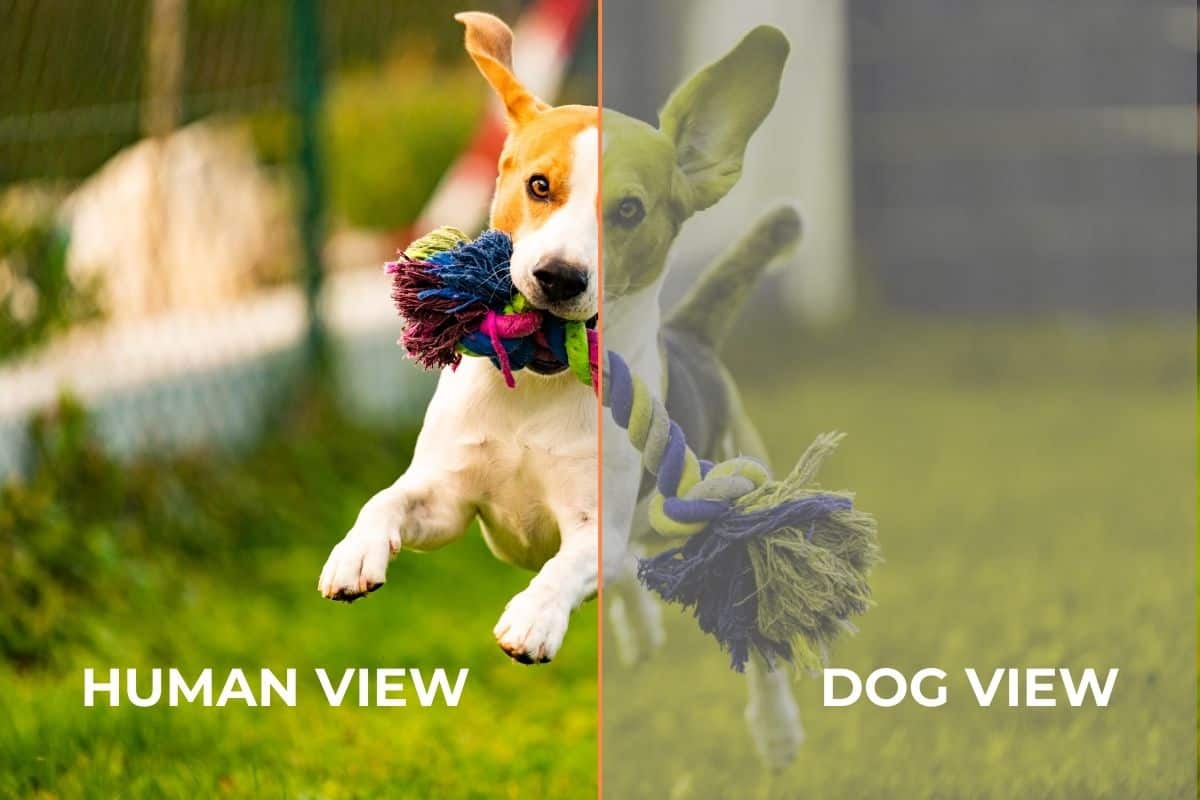
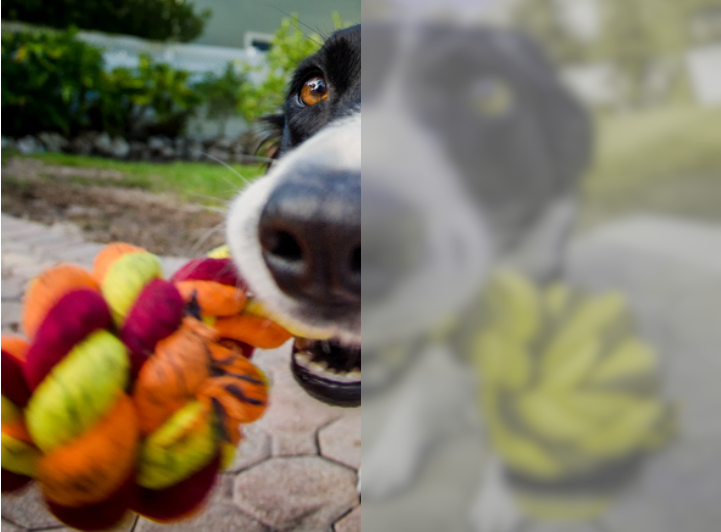
The core principle behind digitally simulating canine vision is based on converting images from a human trichromatic (RGB) color space to a dichromatic one. Developers use algorithms that effectively “remove” or re-map the red spectrum that dogs largely cannot perceive. This often involves shifting colors towards the blue and yellow ends of the spectrum, desaturating reds and greens, and enhancing blues and yellows.
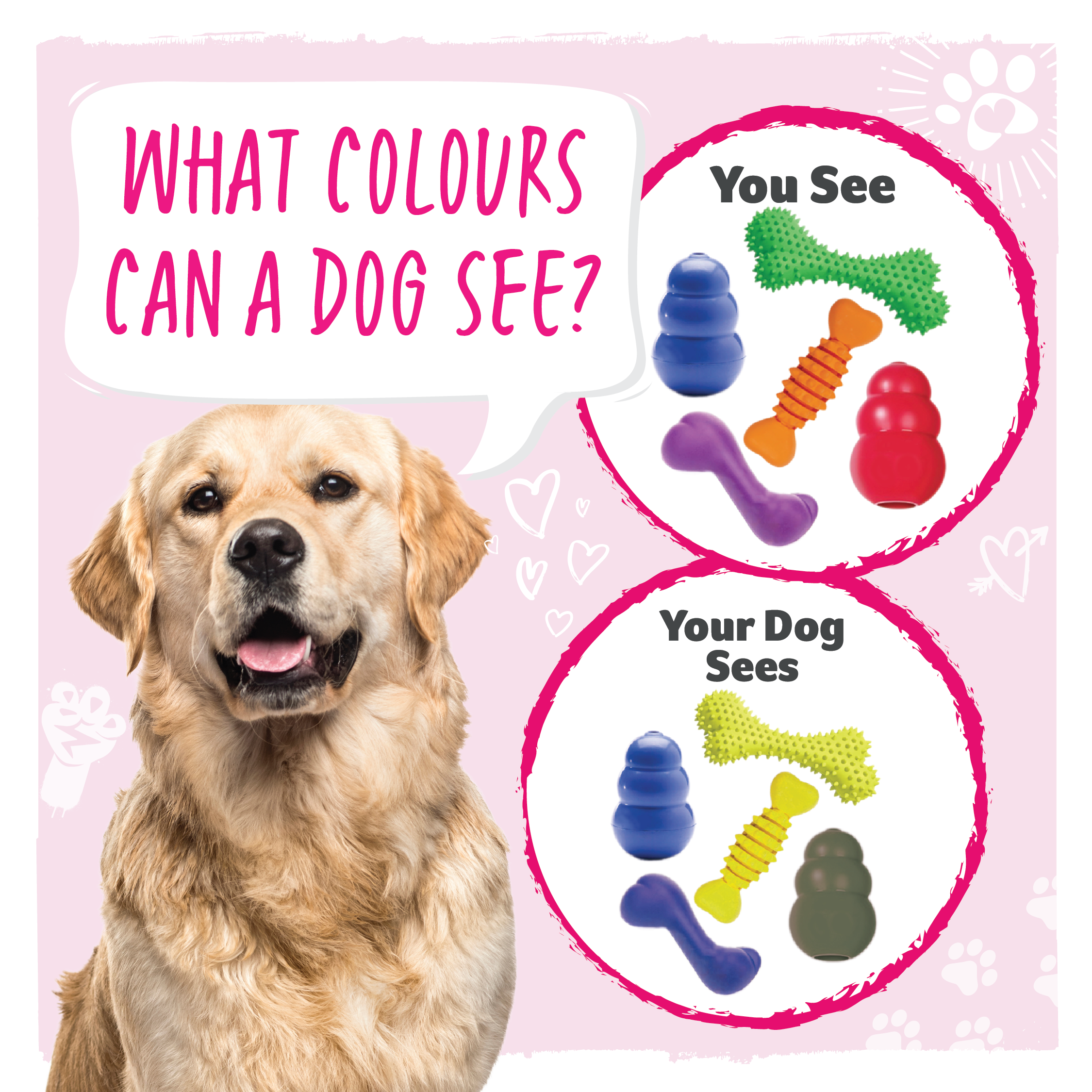
For instance, a vibrant red ball, which humans see vividly, might appear as a muted yellowish-grey to a dog. A green lawn would appear as a paler, more yellowish-green. Software engineers achieve this by applying specific matrix transformations or color blindness filters to digital images and video feeds. These models are not perfect reproductions but are highly accurate representations based on the known spectral sensitivities of canine cones. Sophisticated algorithms ensure that the perceived brightness and contrast, which are crucial for dogs, are maintained or adjusted appropriately in the simulated output.
Mobile Apps and Online Tools: Bridging Human and Canine Perception
A multitude of mobile applications and web-based tools have emerged to make canine color vision accessible to pet owners, trainers, and product designers. These apps typically allow users to upload photos or use their device’s camera to apply a “dog vision” filter in real-time. Examples include apps that show how a room or a toy would appear to a dog, helping owners understand why their pet might react differently to certain objects or environments.
These user-friendly interfaces often incorporate sliders for different types of human color blindness (protanopia, deuteranopia, tritanopia) to give users a comparative understanding, illustrating how dog vision resembles a form of red-green deficiency. The development of these tools involves intricate coding to process image data rapidly and display the transformed visuals seamlessly, making complex scientific concepts intuitive and engaging.
User Experience Design for a “Dog’s-Eye View”
The design of these simulation tools goes beyond just color transformation. Effective UX design considers factors like visual acuity (dogs have lower acuity than humans), field of view (wider peripheral vision), and sensitivity to motion. Some advanced apps might incorporate elements that simulate these aspects, offering a more complete “dog’s-eye view.” This involves careful consideration of interface clarity, computational efficiency to provide real-time processing, and educational elements that explain the science behind the simulation, making the experience both insightful and practical for users.
Enhancing Understanding and Interaction with AR/VR
Beyond simulations on flat screens, augmented reality (AR) and virtual reality (VR) offer immersive ways to explore and apply insights into canine vision, pushing the boundaries of human-animal interaction and research.
Immersive Experiences for Pet Owners and Trainers
Imagine a pet owner wearing an AR headset that overlays a real-time “dog vision” filter onto their view of the living room, instantly showing them how their furniture, toys, or even their own clothing appears to their dog. This technology could provide an unprecedented level of empathy and understanding, helping owners make more informed choices about their pet’s environment and accessories. While still nascent, the potential for AR apps to provide this live, contextualized visual transformation is immense, utilizing advanced computer vision and rendering pipelines to seamlessly integrate simulated dog vision into the real world.
For dog trainers, AR could be used to design training environments where visual cues are optimized for canine perception. For example, marking targets or pathways with colors that are maximally distinct to a dog’s dichromatic vision, rather than human vision. This could lead to more effective and less confusing training sessions.
VR for Animal Behavior Research and Training Simulations
Virtual reality takes this concept a step further by creating entirely artificial environments that can be precisely controlled and manipulated. Researchers can use VR to create virtual worlds that dogs experience (e.g., through specialized dog-friendly headsets, though this is a significant technological challenge currently being explored) or, more commonly, for human researchers to immerse themselves in a dog’s visual reality.
For instance, a VR simulation could model a dog park from a canine perspective, allowing researchers to study how different visual stimuli (e.g., the color of other dogs, toys, or distant objects) influence canine behavior without the variables of the real world. This offers a safe, repeatable, and highly controllable environment for studying animal cognition and behavior. Furthermore, VR could be used to create training simulations for humans learning to interact with dogs, helping them anticipate and understand canine responses to visual cues that might be invisible or misleading from a human perspective.
The Future of Pet-Tech: Blending Realities
The convergence of AR, VR, and wearable technologies holds significant promise for future pet-tech. Picture smart collars equipped with cameras and processing units that can generate real-time “dog’s eye view” overlays for an owner’s smart glasses. Or fully immersive VR experiences where humans can navigate a virtual world designed specifically to emulate canine sensory perception, including vision, olfaction (simulated through haptic feedback or scent dispensers), and hearing. This blend of realities, while still in its early stages, promises to revolutionize how we understand, train, and interact with our canine companions, fostering deeper connections built on a truly shared, albeit simulated, experience.
AI and Machine Learning: New Frontiers in Animal Vision Research
Artificial intelligence and machine learning are revolutionizing virtually every scientific field, and animal vision research is no exception. These advanced computational techniques are enabling researchers to process complex data, predict behaviors, and even design better visual environments for dogs.
Predictive Models for Visual Perception
AI algorithms, particularly neural networks, are being trained on vast datasets of canine behavioral responses to various visual stimuli, alongside physiological data from ERG and imaging studies. These models can learn to predict how a dog will perceive or react to a given color or visual pattern with increasing accuracy. For example, an AI could analyze an image and predict its visibility and salience to a dog, taking into account contrast, brightness, and color. This moves beyond simple color transformation to a more holistic prediction of canine visual experience.
Furthermore, AI can help identify subtle patterns in retinal responses or brain activity that might be missed by human analysis, leading to new insights into how dogs process visual information beyond basic color perception. This might include understanding their sensitivity to motion patterns, depth perception, or facial recognition.
Analyzing Canine Gaze and Environmental Interaction
Machine learning-driven computer vision systems are being developed to track canine gaze and attention in real-time. By analyzing video footage of dogs interacting with their environment, these systems can identify what specific objects or areas capture a dog’s visual focus, and for how long. This data, combined with knowledge of canine color vision, can reveal crucial insights into how dogs prioritize visual information in complex scenes.
For instance, researchers can use these AI-powered tools to objectively measure whether a dog is more attracted to a blue toy versus a yellow toy against a green background, providing empirical evidence for optimal color choices in dog products and environments. This level of granular analysis was previously impossible or prohibitively time-consuming with manual observation alone.
AI-Driven Insights for Pet Product Innovation
The fusion of AI-driven perception models and gaze tracking data is invaluable for the pet product industry, particularly in the design phase. Instead of relying on human intuition or trial-and-error, designers can leverage AI to inform their choices from the outset. For example, AI can suggest optimal color palettes for dog toys, training equipment, or even food bowls to maximize visual appeal and functional effectiveness for dogs.
Consider a scenario where an AI analyzes various toy designs, simulating how dogs perceive them and predicting which features will be most engaging based on color, shape, and contrast. This allows for rapid iteration and optimization of product designs, ensuring they are not just appealing to human owners, but are genuinely optimized for the canine visual experience. This application of AI ensures that pet products are not only aesthetically pleasing but also scientifically effective in capturing a dog’s attention and encouraging desired behaviors.
The Practical Application of Tech-Driven Canine Vision Insights
The insights gleaned from understanding what color dogs see, powered by technological advancements, aren’t just academic curiosities. They have profound practical implications, shaping the design of everything from smart home gadgets for pets to the very environments they inhabit.
Designing Visually Engaging Smart Toys
The pet toy industry has undergone a significant transformation, moving beyond simple squeakers and chew items to sophisticated smart toys. Understanding canine color vision is critical in designing these interactive gadgets. For example, smart fetch balls that light up should utilize blue or yellow LEDs, which are highly visible to dogs, rather than red or green. Integrated screens on puzzle toys can display patterns and animations optimized for dichromatic vision, ensuring maximum engagement.
Developers of these toys leverage data from simulated dog vision apps and AI-driven insights to choose color schemes and light patterns that dogs can easily perceive and react to. This ensures that the technology embedded in these toys—be it a self-propelling mechanism or an automated treat dispenser—is complemented by visual stimuli that are genuinely effective from a canine perspective, leading to more enriching play experiences.
Optimized Digital Displays for Canine Environments
As smart homes become more prevalent, the integration of technology into pet environments is growing. This includes everything from automated feeders with digital interfaces to interactive dog cameras. If these devices incorporate screens or indicator lights, optimizing their visual output for canine perception is key. Instead of displaying a red “low battery” warning that might be difficult for a dog to differentiate from the background, a bright blue or yellow flashing light would be far more effective and less ambiguous.
Future innovations might include dog-centric smart displays that show video calls from owners in colors optimized for the dog’s vision, or even projected light patterns designed to alleviate boredom or stimulate mental activity, all carefully chosen based on scientific understanding of their visual world. This ensures that our tech-driven environments are not just functional for humans but are also thoughtfully designed to cater to the sensory realities of our pets.
Wearable Tech for Monitoring Canine Visual Engagement
Wearable technology for dogs, such as smart collars and harnesses, is rapidly evolving. Beyond GPS tracking and activity monitoring, future iterations could incorporate micro-cameras and onboard processing to analyze a dog’s visual focus and interaction with their environment. Imagine a collar that records what a dog is looking at, processes it through a canine vision simulation filter, and provides an owner with insights into their dog’s visual interests throughout the day.
This data could be invaluable for identifying environmental stressors, assessing the effectiveness of training aids, or simply understanding a dog’s preferences. It’s a leap towards truly personalized pet care, where technology provides a direct window into the visual world of our furry friends, enabling us to better understand their needs and enhance their well-being in a tech-integrated future.
In conclusion, the question “what color do dogs see in?” has evolved from a simple biological query into a multifaceted exploration powered by an ever-expanding suite of technological tools. From microscopic analysis to sophisticated AR/VR simulations and AI-driven insights, technology has not only provided definitive answers but also opened new avenues for innovation, allowing us to design a world that is not just seen by, but truly understood by our canine companions.
aViewFromTheCave is a participant in the Amazon Services LLC Associates Program, an affiliate advertising program designed to provide a means for sites to earn advertising fees by advertising and linking to Amazon.com. Amazon, the Amazon logo, AmazonSupply, and the AmazonSupply logo are trademarks of Amazon.com, Inc. or its affiliates. As an Amazon Associate we earn affiliate commissions from qualifying purchases.