
When travelers ask, “What is the best airline to fly?” they are rarely looking for a technical breakdown of engine efficiency or a balance sheet analysis. Instead, they are inquiring about a brand promise. In the hyper-competitive aviation industry, the “best” airline is the one that successfully aligns its corporate identity with the psychological needs of its target demographic. From the luxury-laden cabins of Middle Eastern carriers to the hyper-efficient models of low-cost leaders, the title of “best” is a moving target defined by brand strategy, service design, and emotional resonance.

To understand which airline truly leads the pack, we must look past the seat dimensions and examine the branding frameworks that allow certain carriers to command premium prices while others engage in a race to the bottom.
The Anatomy of Premium Airline Branding
A brand is not a logo; it is a gut feeling. In the airline industry, where the core product—transporting a human from Point A to Point B—is essentially a commodity, branding is the only sustainable differentiator. The world’s top-tier airlines have mastered the art of creating an aspirational identity that transcends the physical limitations of an aircraft cabin.
Emotional Resonance and the “Halo Effect”
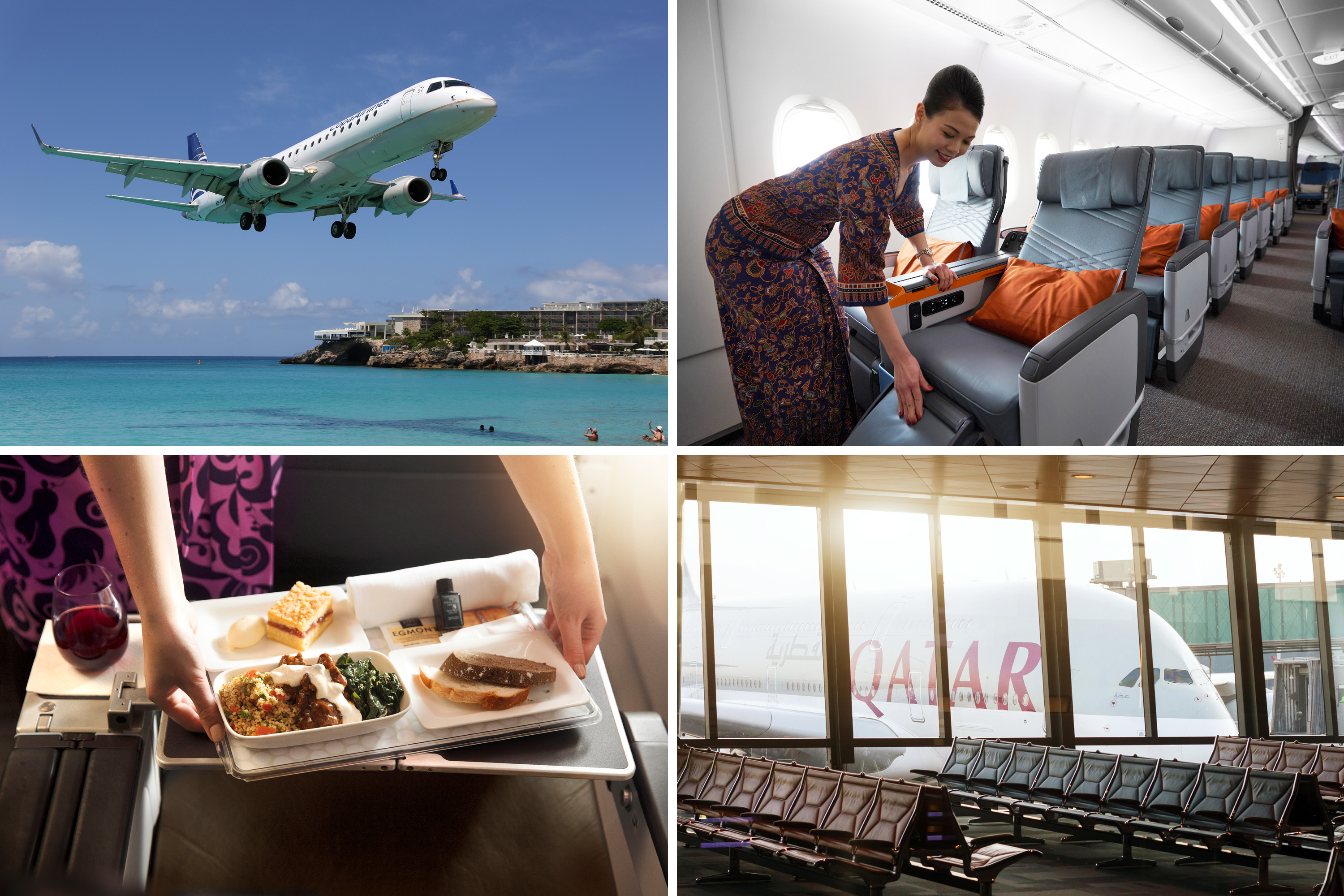
The best airlines in the world, such as Singapore Airlines or Qatar Airways, don’t just sell tickets; they sell a sense of belonging and prestige. This is achieved through a “Halo Effect,” where every touchpoint—from the scent in the lounge to the texture of the blanket—is engineered to reinforce a specific brand narrative. When a passenger chooses Singapore Airlines, they are buying into the “Singapore Girl” legacy—a brand symbol that has represented grace, hospitality, and reliability for decades. This emotional connection creates a barrier to entry for competitors who may have newer planes but lack the historical brand equity.
Visual Identity and Sensory Consistency
Brand consistency is the bedrock of trust. The best airlines maintain a rigorous visual and sensory identity. This includes the “sonic branding” (the music played during boarding), the cabin lighting schemes designed to reduce jet lag, and the signature uniforms of the crew. For example, Emirates has utilized its “Fly Better” campaign to position itself as a global connector. Its consistent use of gold, walnut wood finishes, and high-tech aesthetics across its entire fleet ensures that whether a passenger is in Economy or First Class, they feel the weight of the Emirates brand identity.
The Premium Cabin as a Brand Billboard
While the majority of passengers fly in the back of the plane, the “best” airlines are often defined by their flagship products. The Qsuite by Qatar Airways or the Residence by Etihad serves as a brand billboard. Even if a passenger never sits in these seats, the existence of such luxury elevates the brand’s overall perception. It signals to the market that the airline is a leader in innovation and comfort, influencing the choices of economy travelers who want to be associated with a premium brand.
Strategy vs. Service: How Operational Excellence Defines a Brand
A brand promise is only as good as its delivery. In aviation, operational excellence is the most visible manifestation of a brand’s reliability. An airline can have the most beautiful marketing campaign in the world, but if its “on-time performance” (OTP) is abysmal, the brand identity will eventually fracture.
Consistency as a Strategic Moat
The reason Delta Air Lines often ranks as the best U.S. carrier is not necessarily due to luxury, but due to its brand promise of “reliability.” Delta has strategically positioned itself as the premium legacy carrier by focusing on operational metrics that matter to business travelers. By investing heavily in maintenance and scheduling software, they have built a brand synonymous with “getting there on time.” In this context, the “best” airline is the one that minimizes the friction of travel, turning operational efficiency into a core brand pillar.
Crisis Management and Brand Recovery
The true test of an airline brand occurs when things go wrong. Weather delays, mechanical failures, and global disruptions are inevitable. The best airlines treat these moments as “Brand Moments of Truth.” A brand that handles a cancellation with proactive communication and instant rebooking reinforces loyalty. Conversely, a brand that leaves passengers stranded destroys years of marketing spend in a single afternoon. The strategic focus on customer service recovery is what separates “commodity” airlines from “partner” brands.
Staff as Brand Ambassadors
In the service industry, the frontline employees are the living embodiment of the brand. Airlines like Southwest have built an entire corporate identity around the personality of their crew. By allowing flight attendants to inject humor and warmth into their interactions, Southwest differentiates itself from the cold, corporate feel of other domestic carriers. This “Human-Centric Branding” creates a unique market position that is difficult for competitors to replicate through technology or pricing alone.
The Power of Loyalty Programs in Brand Retention
When discussing the best airline, one cannot ignore the ecosystem of loyalty. Frequent flyer programs (FFPs) are no longer just marketing perks; they are multi-billion dollar financial entities that drive brand stickiness.
Beyond Miles: The Emotional Tier System
A loyalty program is a psychological tool designed to create an “Elite Identity.” The best airlines understand that status levels (Silver, Gold, Platinum) tap into the human desire for recognition. Once a traveler achieves status with a brand like United or Lufthansa, the “switching costs” become incredibly high. The brand is no longer just a carrier; it is a club that provides the traveler with specific privileges—lounge access, priority boarding, and upgrades.
Ecosystem Partnerships
The best airlines expand their brand reach through strategic alliances (Star Alliance, oneworld, SkyTeam) and co-branded credit cards. This ensures the brand remains “top of mind” even when the customer is not flying. Every time a consumer swipes their branded credit card at a grocery store, they are reinforcing their relationship with the airline. This integration into the customer’s daily financial life is a masterclass in brand ecosystem development.
Personalization Through Data
As AI and data analytics evolve, the best airlines are using technology to personalize the brand experience. If an airline knows a passenger prefers a window seat and a specific type of meal, and provides these without being asked, the brand moves from being a service provider to a personal concierge. This level of personalization is the next frontier in defining which airline is the “best.”
Differentiation in a Crowded Market: The Challenger Brand vs. The Legacy Titan
To determine the best airline, we must recognize that “best” depends on the segment. The branding strategy for a budget carrier is diametrically opposed to that of a full-service legacy carrier, yet both can be leaders in their respective niches.
The Budget Challenger Brand
Airlines like Ryanair or Spirit have a very clear brand strategy: price leadership. They don’t pretend to offer luxury. Instead, their brand identity is built on transparency (mostly) about costs and the democratization of travel. For a specific segment of the market, the “best” airline is the one that allows them to travel for the price of a pair of jeans. These brands succeed by leaning into their “no-frills” identity rather than apologizing for it.
Sustainability as a New Brand Pillar
In the modern era, the “best” airline is increasingly being judged by its environmental footprint. Brands like KLM and Air France are investing heavily in Sustainable Aviation Fuel (SAF) and carbon-offsetting initiatives. As “Conscious Travel” becomes a dominant trend, airlines that fail to integrate sustainability into their brand core will lose relevance with younger demographics. Being the “best” now includes being the most responsible.

The Future of Airline Brand Leadership
The landscape of aviation is shifting. The rise of ultra-long-haul travel (like Qantas’s Project Sunrise) and the integration of biometrics are changing the passenger journey. However, the fundamental principles of branding remain the same.
The “best” airline of the future will be the one that masters the “Phygital” experience—the seamless blend of physical comfort and digital convenience. It will be an airline that understands its passengers’ time is their most valuable asset and designs a brand ecosystem that respects and enhances that time.
Ultimately, the best airline to fly is not a universal constant. It is a subjective choice influenced by a brand’s ability to fulfill its specific promise. Whether it is the reliability of a domestic workhorse or the opulence of a global flagship, the leaders in the sky are those who have successfully mapped their corporate strategy to the hearts and minds of the traveling public. In the end, we don’t just fly with an airline; we fly with a brand we trust.
aViewFromTheCave is a participant in the Amazon Services LLC Associates Program, an affiliate advertising program designed to provide a means for sites to earn advertising fees by advertising and linking to Amazon.com. Amazon, the Amazon logo, AmazonSupply, and the AmazonSupply logo are trademarks of Amazon.com, Inc. or its affiliates. As an Amazon Associate we earn affiliate commissions from qualifying purchases.