
The question “what causes left side abdominal pain” is a persistent challenge in healthcare, prompting countless consultations and diagnostic pathways. While the human body’s intricate systems often defy simple explanations, the modern era has ushered in a new paradigm: technology. We are no longer solely reliant on traditional examinations and subjective patient reports. Instead, a wave of digital innovation, AI-driven tools, advanced imaging, and connected devices are profoundly reshaping how we approach, understand, and ultimately pinpoint the origins of left-sided abdominal discomfort. This article delves into how cutting-edge technology is transforming our investigative journey into this common complaint, offering new precision, efficiency, and a more holistic view of patient health.
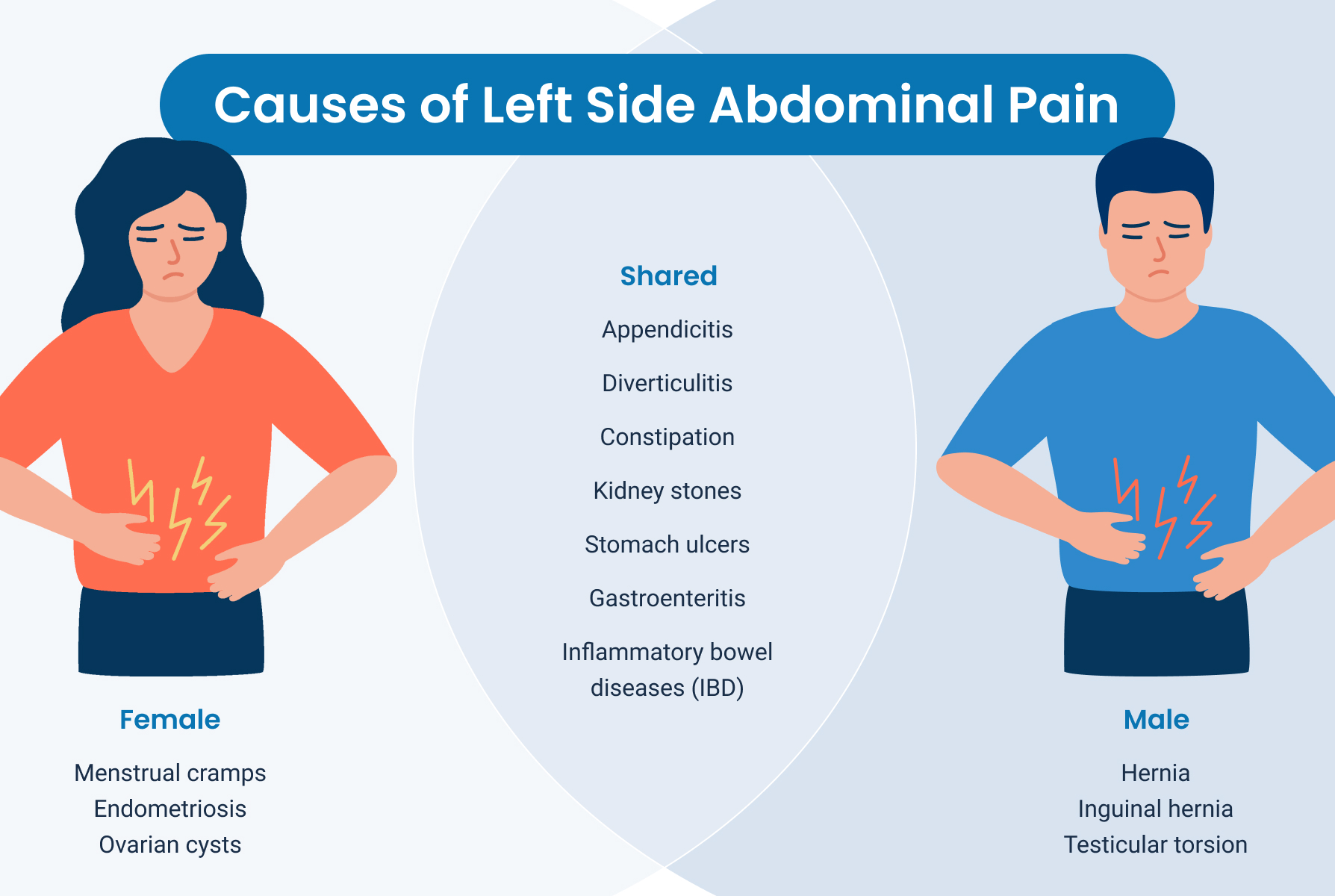
The Evolving Landscape of Diagnostic Technology
The quest to identify the root cause of left-side abdominal pain has been radically transformed by advancements in diagnostic technology. From rudimentary physical exams to sophisticated digital insights, technology now offers unparalleled clarity and speed in understanding internal conditions.
From Manual Exams to Digital Insights
Historically, diagnosing abdominal pain relied heavily on a physician’s palpation, auscultation, and a patient’s detailed symptom description—a process rich in human interaction but inherently limited by subjective interpretation. Today, while clinical skills remain paramount, they are augmented by powerful digital tools. Electronic Health Records (EHRs) are the bedrock, centralizing patient history, previous diagnoses, and medication lists, allowing for rapid access to comprehensive data that can inform diagnostic decisions. Beyond record-keeping, sophisticated symptom checkers and AI-powered diagnostic support systems, often available as mobile apps or web platforms, can help patients describe their symptoms more accurately and even suggest potential conditions, preparing them for more productive discussions with healthcare providers. These tools don’t replace human doctors but enhance the initial data collection and organization, streamlining the diagnostic journey.
Imaging Advancements: Beyond X-rays
When investigating left-side abdominal pain, visual evidence is often critical. While conventional X-rays provide basic structural information, modern imaging technologies offer unprecedented detail. Multi-detector Computed Tomography (CT) scans provide cross-sectional images with high resolution, revealing intricate anatomical structures and potential pathologies like diverticulitis or kidney stones. Magnetic Resonance Imaging (MRI), particularly effective for soft tissues, can differentiate between various tissue types, making it invaluable for detecting inflammation, tumors, or vascular issues that might be missed by other methods. Advanced Ultrasound techniques, including Doppler studies, visualize organs in real-time, assess blood flow, and are particularly useful for gallbladders, kidneys, and gynecological issues without radiation exposure. Endoscopic procedures, enhanced with high-definition cameras and narrow-band imaging, allow direct visualization of the gastrointestinal tract, enabling precise lesion identification and targeted biopsies. These technologies are not just about clearer pictures; they’re about providing multi-dimensional, functional insights that accelerate accurate diagnoses.
AI and Machine Learning in Symptom Analysis
Perhaps one of the most transformative technological shifts is the integration of Artificial Intelligence (AI) and Machine Learning (ML) into diagnostic processes. AI algorithms can analyze vast datasets—including medical literature, patient records, lab results, and imaging scans—to identify patterns and correlations that might escape human perception. For left-side abdominal pain, AI can assist in differential diagnosis by comparing a patient’s symptoms, medical history, and test results against millions of similar cases, suggesting the most probable conditions. Predictive analytics can even forecast the likelihood of certain conditions developing based on genetic predispositions or lifestyle factors. Tools are emerging that can interpret radiological images with accuracy comparable to, or even exceeding, human experts, flagging subtle abnormalities and reducing the burden on radiologists. This AI-driven support acts as a powerful co-pilot for clinicians, enhancing diagnostic accuracy and efficiency.
Wearable Tech and Remote Monitoring
The digital revolution has moved beyond the clinic, enabling continuous health monitoring right on a patient’s wrist or in their home. Wearable technology and remote monitoring systems are providing an unprecedented stream of real-time data, offering new insights into the potential causes of recurrent or elusive left-side abdominal pain.
Continuous Data Collection for Early Detection
Wearable devices, such as smartwatches and fitness trackers, are no longer just for counting steps. Advanced models can continuously monitor vital signs like heart rate, heart rate variability, sleep patterns, and even skin temperature. While not direct diagnostic tools for abdominal pain, deviations in these metrics—such as sustained high stress levels (indicated by heart rate variability), disrupted sleep, or unusual activity patterns—can point towards systemic issues or stress-related gastrointestinal problems that manifest as left-side discomfort. For patients with chronic conditions, this continuous data stream can highlight subtle changes that might precede an acute flare-up, allowing for earlier intervention.
Smart Devices and Symptom Tracking Apps
Beyond general health monitoring, specialized smart devices and mobile applications are designed for focused symptom tracking. Patients can log the exact nature of their left-side pain, its intensity, duration, associated symptoms (e.g., nausea, bloating, changes in bowel habits), and potential triggers (e.g., specific foods, stress). These apps often use intuitive interfaces and data visualization to help patients identify patterns over time. For conditions like Irritable Bowel Syndrome (IBS) or inflammatory bowel diseases (IBD), which can cause left-side pain, tracking tools are invaluable for both patients and clinicians in understanding triggers, treatment effectiveness, and disease progression. Some advanced apps integrate with smart scales or blood pressure monitors, providing a holistic view of a patient’s daily health metrics.
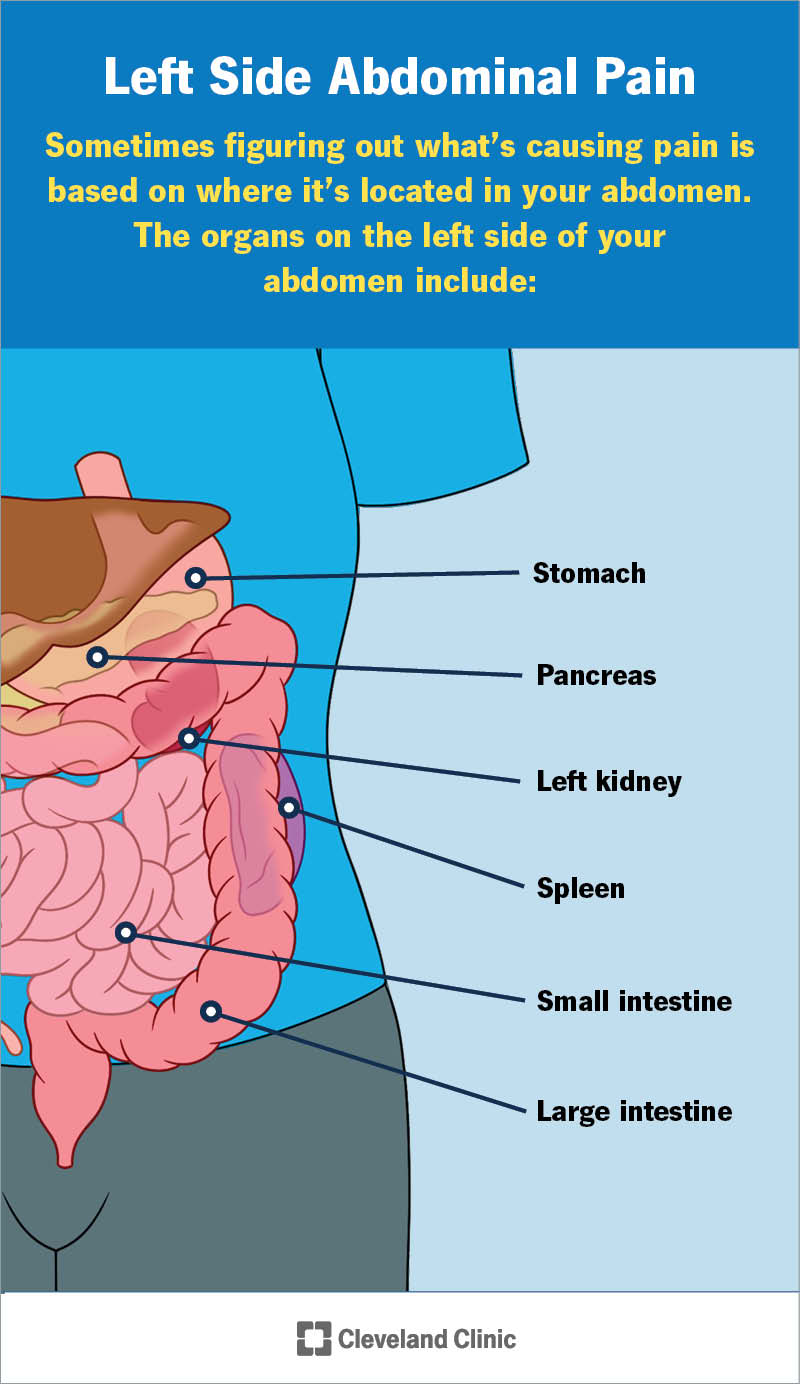
Telemedicine’s Role in Initial Assessments
Telemedicine has emerged as a critical technological solution, especially for initial assessments of non-emergent left-side abdominal pain. Virtual consultations allow patients to discuss their symptoms with a doctor or nurse practitioner from the comfort of their home, reducing the need for immediate in-person visits. While a remote physical exam has limitations, telemedicine platforms enable detailed symptom descriptions, review of patient-uploaded photos (e.g., rash, swelling), and assessment of general demeanor. AI-powered chatbots can even conduct initial symptom triage, guiding patients to appropriate levels of care. For follow-up appointments, remote monitoring data can be reviewed, and treatment plans adjusted, making healthcare more accessible and efficient, particularly for ongoing conditions causing left-side pain.
The Promise of Precision Medicine and Personalized Diagnostics
The ultimate frontier in understanding what causes left-side abdominal pain lies in precision medicine, a technological approach that tailors medical treatment to each person’s unique characteristics. This involves leveraging genetic, environmental, and lifestyle data to provide highly individualized diagnoses and care.
Genomic Insights and Individualized Risk Factors
Genetic sequencing technology is rapidly becoming more accessible and affordable, unlocking a wealth of information about individual predispositions. For abdominal pain, genomic insights can reveal genetic markers linked to certain inflammatory conditions (like Crohn’s disease or ulcerative colitis, which can cause left-sided pain), metabolic disorders, or even sensitivities to specific medications. Understanding a patient’s genetic blueprint allows healthcare providers to assess individual risk factors more accurately, guiding screening protocols and preventive strategies. While still an emerging field for many common conditions, personalized medicine powered by genomics promises a future where diagnoses are less about broad categories and more about unique biological profiles.
Biomarker Discovery and Advanced Lab Diagnostics
Beyond genetics, technological advancements in laboratory diagnostics are continually identifying new biomarkers—measurable indicators of biological state—that can pinpoint the causes of abdominal pain. High-throughput screening techniques and sophisticated mass spectrometry allow for the rapid analysis of blood, urine, or stool samples for a vast array of proteins, metabolites, and microbial components. For instance, specific inflammatory markers in the blood can indicate conditions like pancreatitis or diverticulitis. Analyzing the gut microbiome through advanced sequencing technologies can reveal dysbiosis (an imbalance of gut bacteria) implicated in conditions like IBS, a common cause of left-side discomfort. These advanced lab technologies provide objective, quantifiable data that complements clinical symptoms and imaging findings.
Data Integration and Holistic Patient Views
The true power of precision medicine lies in the seamless integration of all available data points—from EHRs, genomics, wearables, lab results, and imaging scans—into a comprehensive, holistic view of the patient. Cloud-based health platforms and interoperable software systems are being developed to aggregate this disparate data. Machine learning algorithms can then analyze this integrated dataset to identify complex patterns, predict disease progression, and recommend personalized treatment pathways. This comprehensive data synthesis ensures that when investigating “what causes left side abdominal pain,” clinicians have access to every relevant piece of information, leading to more accurate diagnoses and tailored interventions that address the patient’s unique biological and lifestyle context.
Addressing Digital Health Security and Ethical Concerns
As technology becomes increasingly central to diagnosing and understanding left-side abdominal pain, it also introduces critical challenges related to data privacy, algorithmic fairness, and the need to balance digital tools with human expertise.
Protecting Sensitive Health Data
The vast amount of personal health information collected by diagnostic technologies, wearables, and telemedicine platforms makes data security paramount. Protecting patient privacy from cyber threats, unauthorized access, and breaches is a complex and ongoing battle. Robust encryption protocols, multi-factor authentication, and compliance with stringent regulations like HIPAA (in the US) or GDPR (in Europe) are essential. Healthcare organizations must invest heavily in cybersecurity infrastructure and staff training to safeguard this highly sensitive data, ensuring that the benefits of technological advancement do not come at the cost of patient trust and privacy.
Bias in AI Algorithms
While AI offers incredible diagnostic potential, the algorithms are only as unbiased as the data they are trained on. If historical medical data used for training AI models disproportionately represents certain demographics or omits others, the AI could develop biases, leading to misdiagnoses or less effective treatment recommendations for underrepresented groups. This could mean that an AI-powered diagnostic tool for left-side abdominal pain might be less accurate for certain ethnic groups or genders if the training data was skewed. Addressing this requires diverse and representative datasets, transparent algorithm design, and continuous auditing to ensure equitable and fair diagnostic outcomes across all patient populations.
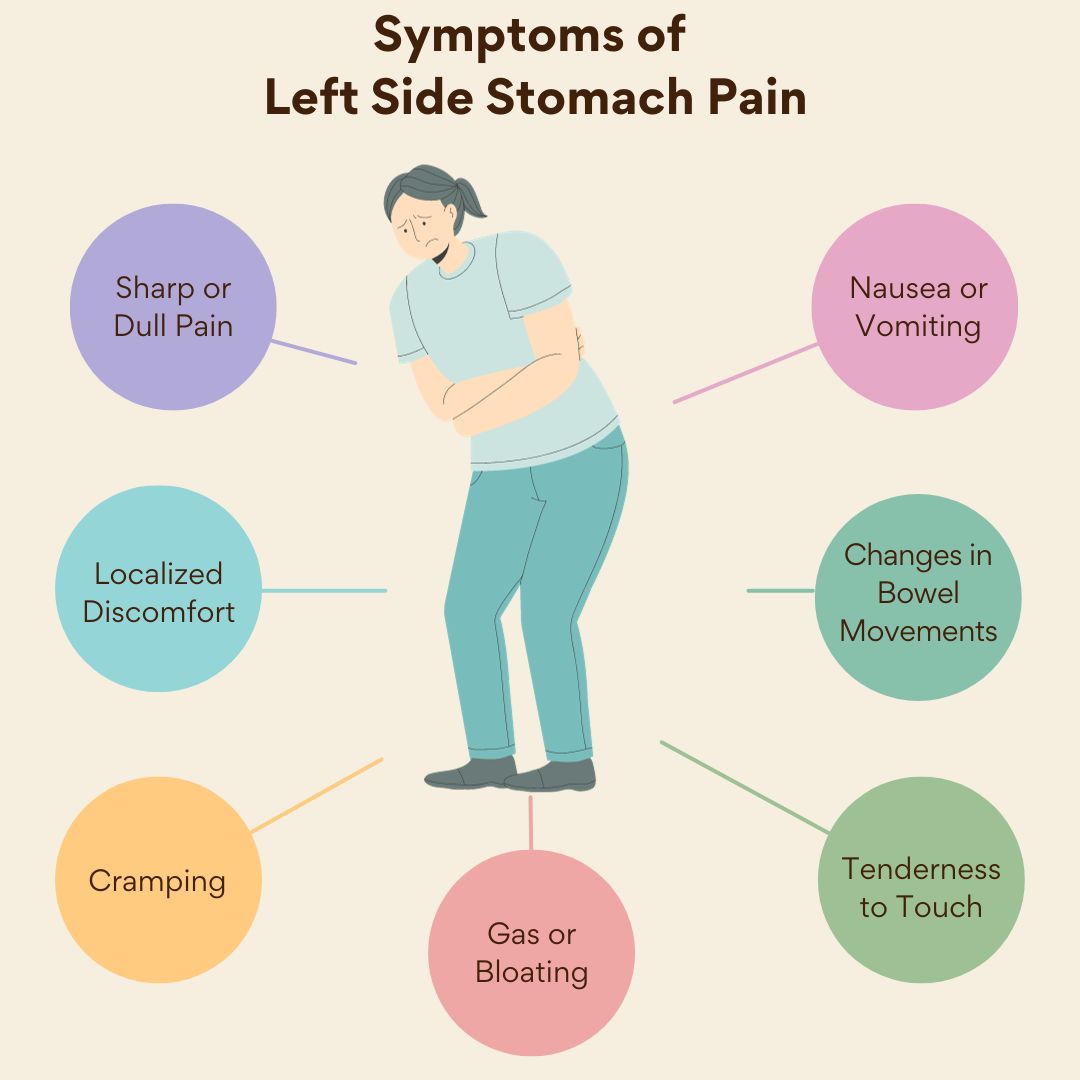
The Human Element: When Technology Complements Care
Ultimately, technology in healthcare, especially in diagnosing complex issues like abdominal pain, must complement, not replace, human expertise. While AI can analyze data and suggest diagnoses, the nuanced understanding of a patient’s individual circumstances, emotional state, and social determinants of health still requires a human clinician. Physicians are crucial for interpreting technological outputs within the broader clinical context, communicating sensitive information, and building trust. The future of understanding “what causes left side abdominal pain” lies in a collaborative ecosystem where advanced technology empowers healthcare professionals, enhances diagnostic precision, and enables more personalized, compassionate patient care, always with the human element at its core.
aViewFromTheCave is a participant in the Amazon Services LLC Associates Program, an affiliate advertising program designed to provide a means for sites to earn advertising fees by advertising and linking to Amazon.com. Amazon, the Amazon logo, AmazonSupply, and the AmazonSupply logo are trademarks of Amazon.com, Inc. or its affiliates. As an Amazon Associate we earn affiliate commissions from qualifying purchases.