
The Supplemental Nutrition Assistance Program (SNAP), colloquially known as “food stamps,” serves as a critical pillar of the American social safety net. For millions of households, these monthly benefits represent a vital component of their personal finance strategy, ensuring food security in the face of economic volatility. However, SNAP is not a universal currency. It is a highly regulated financial tool with specific legal boundaries regarding what can and cannot be purchased.
Understanding these restrictions is essential for effective household budgeting. When a recipient reaches the checkout counter and discovers an item is ineligible, it can create an immediate financial strain, forcing them to dip into limited cash reserves or return essential items. By examining the limitations of SNAP, we can better understand the complexities of managing low-income finances and the strategic planning required to bridge the gap between government assistance and total household needs.
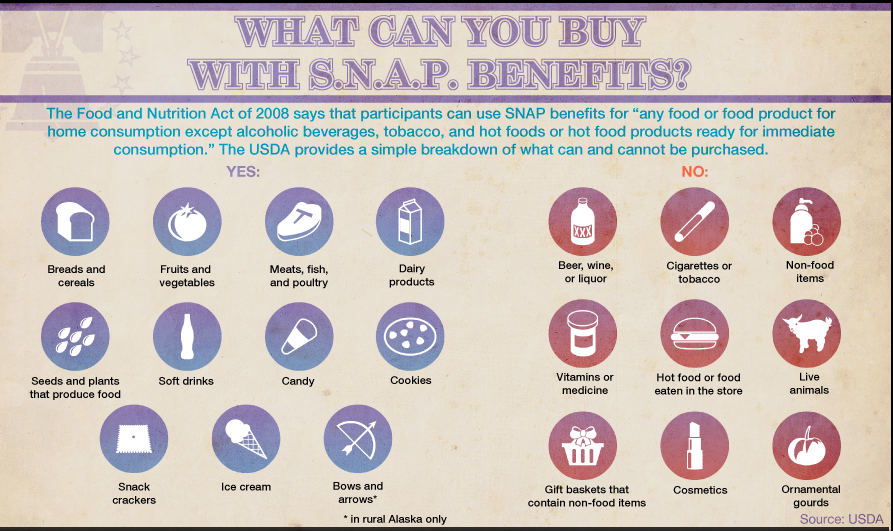
The Scope of SNAP: Defining Eligible and Ineligible Items
To manage a personal budget effectively while using SNAP, one must first understand the fundamental philosophy behind the program. The United States Department of Agriculture (USDA) designs SNAP specifically to provide “nutrition assistance.” This means the program is strictly limited to food items intended for home preparation and consumption.
The General Rule: Food for the Home
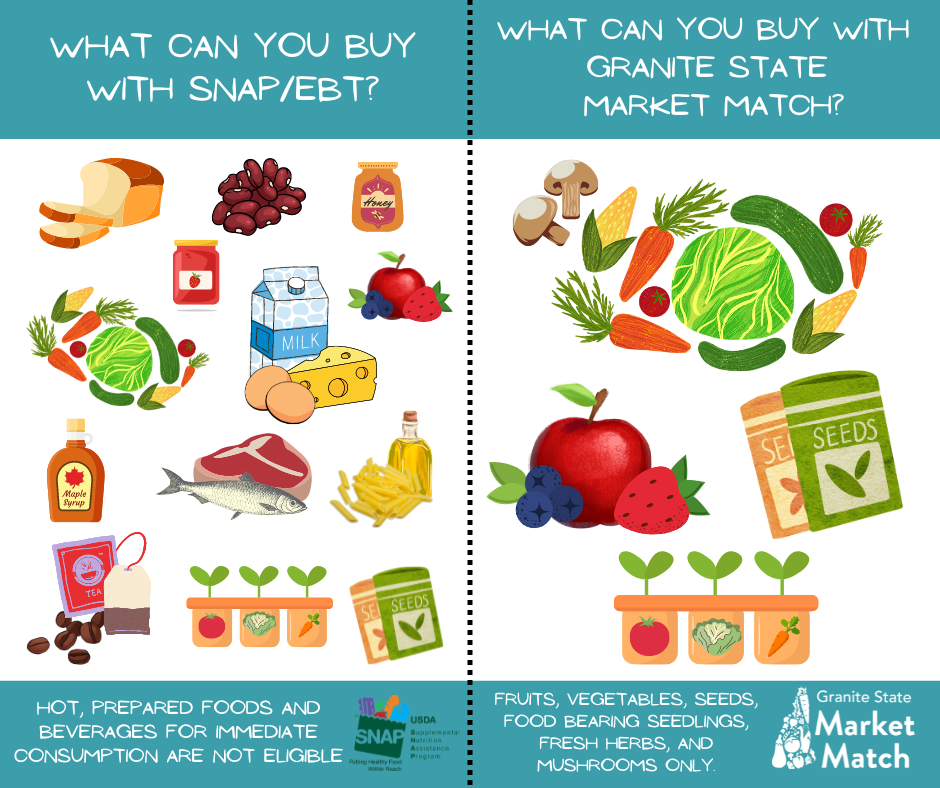
In the broadest sense, SNAP benefits can be used to purchase any food or food product intended for human consumption. This includes staples such as breads, cereals, fruits, vegetables, meats, fish, poultry, and dairy products. It also extends to seeds and plants which produce food for the household to eat—a high-value financial strategy for those with the space to garden. Because these items are classified as “essential nutrition,” they form the core of the SNAP-eligible inventory.
Identifying the “Grey Areas” and Supplemental Nutrition
The distinction between food and medicine is a frequent point of confusion in financial planning. While SNAP covers food, it does not cover items that are categorized as supplements or medications. For example, if a product has a “Nutrition Facts” label, it is generally eligible. However, if it bears a “Supplement Facts” label, it is ineligible. This excludes multivitamins, protein powders, and herbal supplements, even if they are essential to a person’s health. Navigating these “grey areas” requires a keen eye for labeling to avoid unexpected costs at the register.
Non-Food Items: The Biggest Financial Gap
Perhaps the most significant challenge for families relying on SNAP is the prohibition against purchasing non-food items. In a typical household budget, “groceries” often encompass more than just calories; they include the supplies necessary to maintain a clean and healthy home. Because SNAP cannot be used for these items, recipients must find alternative ways to fund these essential recurring expenses.
Household Supplies and Personal Care
The list of ineligible household items is extensive and includes many products that most would consider “necessities” rather than “luxuries.” You cannot use SNAP to buy:
- Paper products (toilet paper, paper towels, napkins).
- Cleaning supplies (laundry detergent, dish soap, disinfectants).
- Hygiene products (shampoo, deodorant, toothpaste, menstrual products).
- Diapers and baby wipes.
From a financial management perspective, these items represent a significant “out-of-pocket” cost that SNAP does not cover. Households must often rely on cash-based income, such as Supplemental Security Income (SSI), wages from a side hustle, or local charities to secure these goods.
Pet Food and Supplies
Despite the fact that many consider pets to be members of the family, SNAP benefits cannot be used to purchase pet food, treats, or veterinary supplies. For low-income individuals, the cost of feeding a pet can be a major financial burden. This restriction often necessitates a separate budget category for animal care, which can be difficult to maintain when primary food costs are already subsidized due to financial hardship.
Tobacco, Alcohol, and Luxury Items
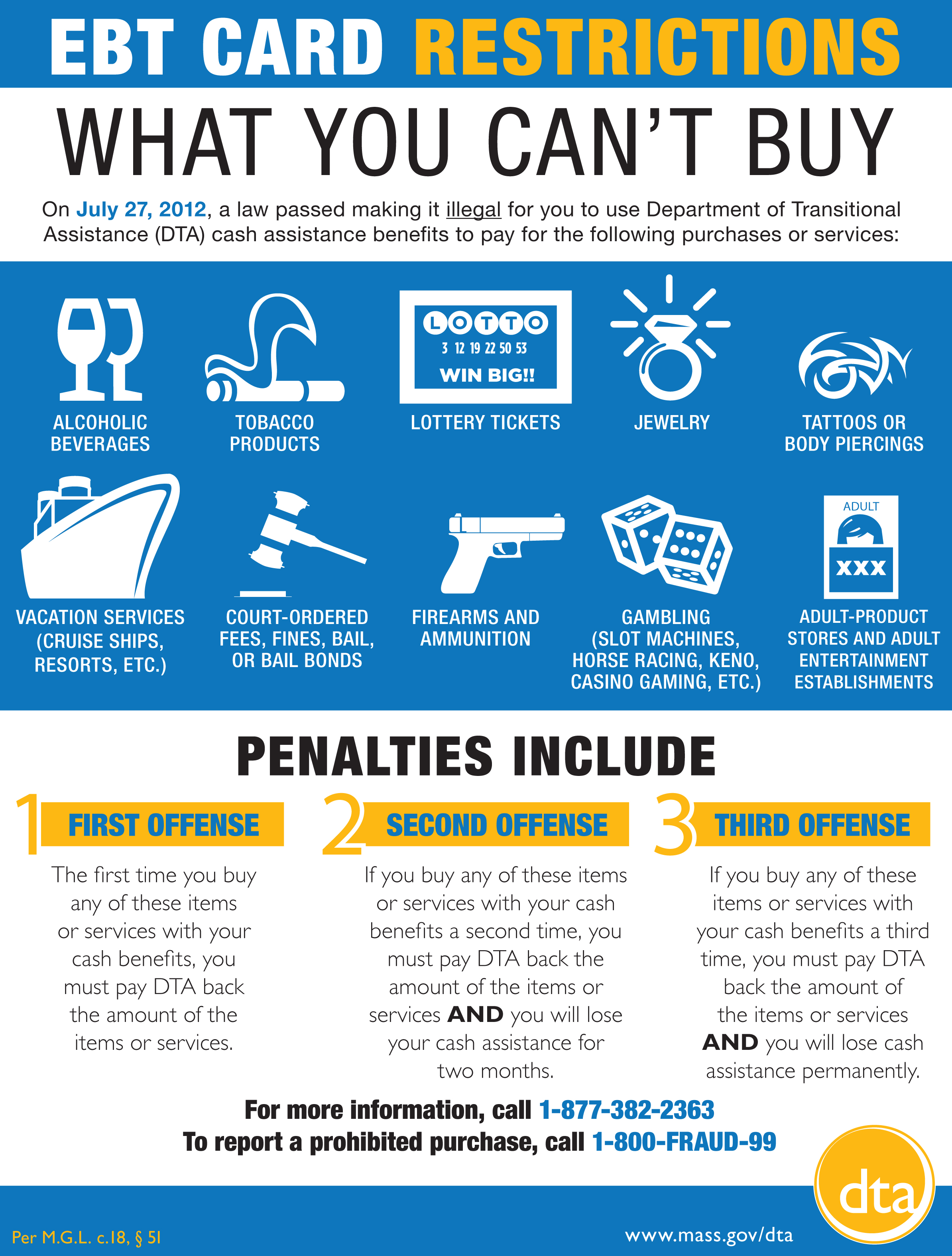
Federal law strictly prohibits the use of SNAP benefits for the purchase of tobacco products (cigarettes, cigars, or electronic nicotine delivery systems) and alcoholic beverages (beer, wine, or liquor). Furthermore, items that are clearly non-edible, such as live animals (with the exception of shellfish or fish removed from water), cannot be purchased. While these restrictions are widely understood, they reinforce the program’s focus on basic caloric and nutritional intake rather than lifestyle or recreational spending.
Prepared and Hot Foods: The “Restaurant Rule” Conflict
One of the most frustrating limitations for SNAP recipients is the restriction on “hot foods” and “prepared foods.” This rule is rooted in the legislative intent that SNAP should be used for home cooking, but it often creates a barrier for individuals who may not have access to a functional kitchen, those who are homeless, or elderly individuals with limited mobility.
The Definition of Prepared Food
Generally, you cannot use SNAP to buy food that is hot at the point of sale. This includes rotisserie chickens, hot pizza, or soups from a deli bar. Additionally, food that is intended to be eaten in the store is ineligible. This creates a financial paradox: a cold, raw chicken is eligible, but a pre-cooked hot chicken—which might be the only viable option for someone without a stove—is not.
The Restaurant Meals Program (RMP) Exceptions
There is a notable exception to this rule known as the Restaurant Meals Program (RMP). This is a state-option program that allows certain vulnerable populations—specifically the elderly (60+), the disabled, and those experiencing homelessness—to use their SNAP benefits at authorized restaurants. However, this program is not available in all states and requires specific authorization for both the individual and the vendor. For those living in states without an RMP, the “hot food” ban remains a significant hurdle in managing daily nutrition.
Navigating Ineligibility: Budgeting for the Gaps
When SNAP benefits fall short because of these strict categories, individuals must employ advanced personal finance strategies to ensure all household needs are met. Managing a limited cash flow alongside SNAP requires a bifurcated approach to budgeting.
Leveraging Other Assistance Programs
To cover the items SNAP ignores, savvy financial planners look to secondary assistance programs. The Special Supplemental Nutrition Program for Women, Infants, and Children (WIC) can provide additional resources for specific nutritional needs. Meanwhile, local “diaper banks” or “hygiene pantries” serve as vital resources for non-food essentials like cleaning supplies and personal care items. Integrating these resources into a monthly financial plan reduces the reliance on scarce cash reserves.
Strategic Grocery Shopping for Non-SNAP Essentials
For many, the most effective way to handle SNAP limitations is through “split-transaction” shopping. This involves separating the grocery cart into SNAP-eligible and ineligible items. By using store apps, digital coupons, and loyalty programs specifically for non-food items (like detergents and paper goods), recipients can stretch their cash further. Buying non-perishables in bulk when cash is available—or during sales cycles—is a key tactic for stabilizing a household’s financial health over the long term.
Future Outlook: Policy Shifts and Financial Accessibility
The landscape of SNAP is not static. As technology evolves and the economic needs of the population shift, there is ongoing debate regarding the expansion of eligible items. These shifts could fundamentally change how millions of people manage their personal finances.
The Push for Expanded Eligibility
There is a growing movement among advocates to allow SNAP to be used for basic hygiene and health products. Proponents argue that items like menstrual products and diapers are as essential to human dignity and health as food. From a financial policy perspective, expanding SNAP to include these “non-food essentials” would streamline the assistance process and reduce the administrative burden on other charitable organizations.
Technology and SNAP Management
The digitalization of SNAP—through the EBT (Electronic Benefits Transfer) system—has already revolutionized how benefits are spent. Modern fintech tools and apps now allow users to track their balances in real-time, scan barcodes to check for eligibility, and even use benefits for online grocery delivery through platforms like Amazon and Walmart. As these digital tools become more sophisticated, they will provide SNAP recipients with better data to manage their budgets, identify price discrepancies, and maximize the utility of every dollar assigned to them.
In conclusion, while SNAP provides a foundational layer of financial security, it is not a catch-all solution for poverty. The strict limitations on non-food items, hot meals, and supplements require recipients to be disciplined and creative financial managers. By understanding what cannot be bought with food stamps, individuals can better prepare for the true cost of living, ensuring that their limited cash resources are allocated where they are needed most. Through a combination of government aid, community resources, and strategic budgeting, it is possible to navigate these restrictions and maintain a stable, healthy household.
aViewFromTheCave is a participant in the Amazon Services LLC Associates Program, an affiliate advertising program designed to provide a means for sites to earn advertising fees by advertising and linking to Amazon.com. Amazon, the Amazon logo, AmazonSupply, and the AmazonSupply logo are trademarks of Amazon.com, Inc. or its affiliates. As an Amazon Associate we earn affiliate commissions from qualifying purchases.