
The concept of humanoid robots has long been a staple of science fiction, inspiring visions of both utopian assistance and dystopian control. In recent years, however, these futuristic dreams have begun to take tangible form, largely driven by advancements in artificial intelligence, robotics, and manufacturing. At the forefront of this revolution stands Tesla, a company synonymous with pushing technological boundaries in electric vehicles and AI. With the introduction of its humanoid robot project, Optimus (also known as the Tesla Bot), the company has ignited a global conversation about the practical capabilities and profound implications of general-purpose robotics. Far from being a mere novelty, Optimus represents a concentrated effort to extend Tesla’s expertise in AI and real-world autonomy beyond the confines of automotive applications, aiming to create a versatile machine capable of augmenting human labor and potentially reshaping various industries.

The Dawn of General-Purpose Humanoid Robotics: Tesla’s Vision
Tesla’s entry into humanoid robotics is not an isolated venture but a logical extension of its core competencies. Leveraging its vast experience in artificial intelligence developed for self-driving vehicles, the company envisions a future where intelligent, bipedal robots can perform tasks deemed too dangerous, repetitive, or mundane for humans. This ambitious undertaking positions Tesla at the cutting edge of a burgeoning field, promising a paradigm shift in how labor is perceived and executed across various sectors.
From Concept to Reality: The Genesis of Optimus
The Tesla Bot, later officially named Optimus, was first announced at Tesla’s AI Day in August 2021. Elon Musk, CEO of Tesla, laid out a vision for a humanoid robot designed to perform general-purpose tasks, stating that “it’s basically going to be a robot that’s not just useful for factories but also for homes.” The initial reveal featured a human dressed in a robot suit, emphasizing the conceptual stage, but swiftly followed by concrete plans for development. The goal was clear: to create a robot that could eventually take over physically demanding or repetitive jobs, freeing up human potential for more creative and strategic endeavors. This move was not entirely unexpected, given Tesla’s substantial investment in AI for its Full Self-Driving (FSD) system, which requires vehicles to understand and navigate complex, unstructured real-world environments. The hypothesis was that the same AI principles and neural network architectures could be adapted to a humanoid form, enabling it to perceive, understand, and interact with the physical world much like a human.
The Core Philosophy: AI and Autonomy as Pillars
At the heart of Optimus’s design philosophy lies a deep reliance on advanced AI and robust autonomy. Tesla’s approach differs significantly from traditional industrial robots, which are typically programmed for specific, repetitive tasks in controlled environments. Instead, Optimus is being developed as a “general-purpose” humanoid robot, implying a capacity for learning, adaptation, and independent decision-making in dynamic settings. The transfer of AI technology from Tesla’s self-driving cars is a cornerstone of this strategy. The robot is intended to use the same neural network training, computer vision systems, and planning algorithms that enable Tesla vehicles to navigate roads, identify objects, and predict behaviors. This fundamental synergy means Optimus is being built with a sophisticated perception system, allowing it to interpret its surroundings, recognize tools and objects, and execute complex motor skills with a degree of intelligence. The ultimate aim is for Optimus to learn from demonstration, absorb new skills, and function effectively without constant human supervision, embodying a truly autonomous and intelligent agent.
Unpacking Optimus’s Technical Specifications and Capabilities
The realization of Tesla’s ambitious vision for Optimus hinges on the intricate interplay of cutting-edge hardware and sophisticated software. From its physical construction designed for human-like dexterity to the advanced AI powering its decision-making, every aspect of Optimus is engineered to push the boundaries of current robotics technology.
Hardware Ingenuity: Mechanics, Actuators, and Sensors
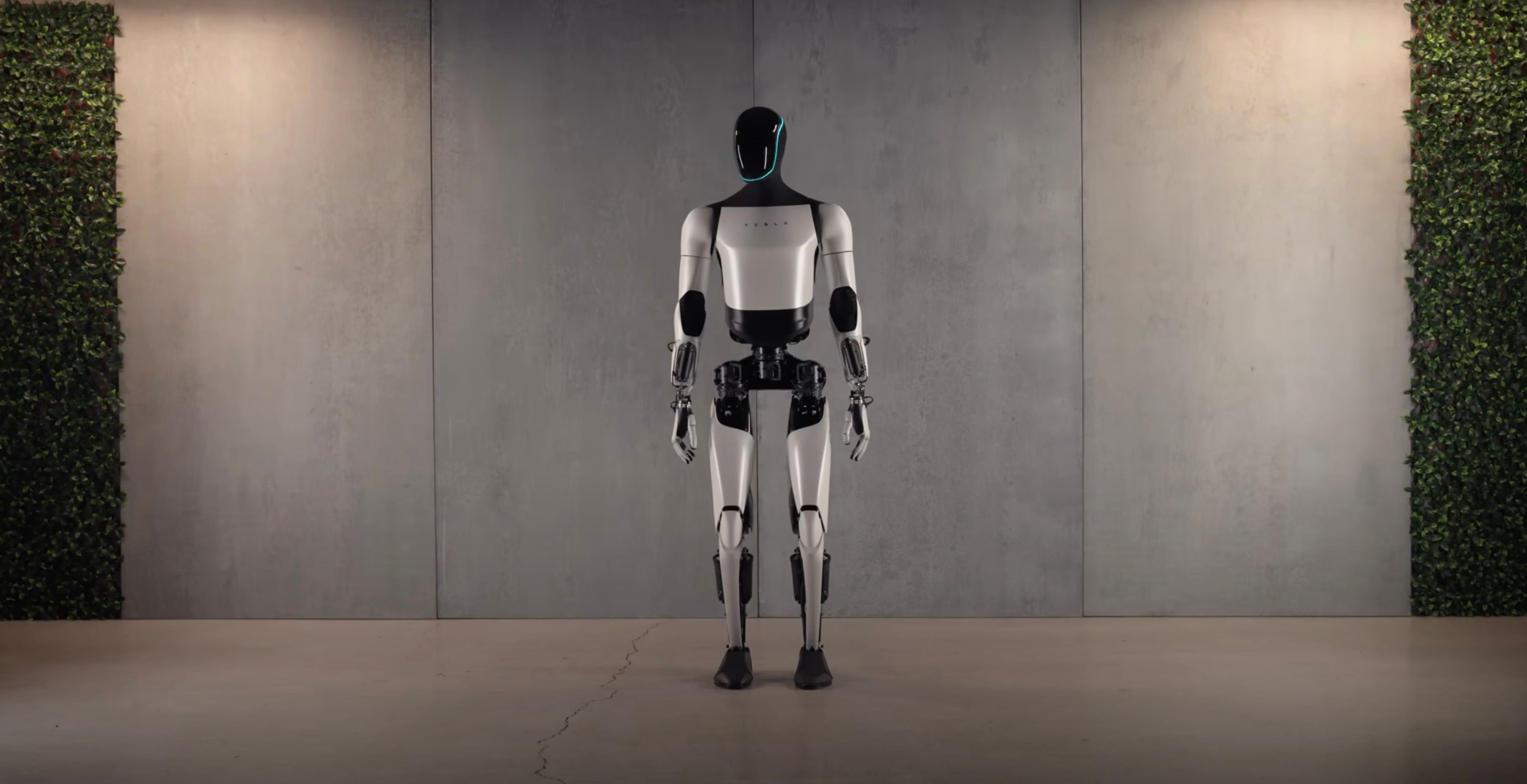
Optimus’s physical design is intentionally anthropomorphic, standing approximately 5’8″ tall and weighing around 125 pounds, mirroring the average human build. This human-like form factor is crucial for navigating human-centric environments and utilizing tools designed for human hands. The robot is equipped with highly advanced electromechanical actuators – essentially the robot’s muscles – providing a wide range of motion and strength. Tesla has emphasized developing its own custom actuators, focusing on optimizing them for power, efficiency, and precise control, which are vital for delicate manipulation tasks as well as heavy lifting. The hands, in particular, are a marvel of engineering, featuring multiple degrees of freedom and tactile sensors that allow for fine motor control, enabling the robot to grasp objects of varying shapes and textures, and even perform tasks requiring significant dexterity.
Beyond motor capabilities, Optimus is laden with an array of sensors. Visual perception is handled by multiple cameras, akin to those found in Tesla vehicles, providing a 360-degree view of its environment. This camera suite is augmented by force sensors in its limbs and fingertips, allowing the robot to feel and respond to pressure, ensuring it can interact with objects and humans safely and effectively. The integration of high-fidelity sensors with sophisticated mechanical systems is foundational to Optimus’s ability to interact with the world in a nuanced and intelligent manner.
Software Prowess: The AI Brain and Neural Networks
While the hardware provides the physical foundation, Optimus’s true intelligence resides in its software, which is a direct offshoot of Tesla’s prowess in artificial intelligence. The robot is powered by the same Full Self-Driving (FSD) computer that drives Tesla cars, enabling it to process vast amounts of sensory data in real-time. This onboard supercomputer runs complex neural networks trained on petabytes of real-world data. These networks allow Optimus to perform crucial functions such as object recognition, environmental mapping, path planning, and behavioral prediction.
The AI is designed to enable the robot to understand and interpret human commands, learn from demonstrated actions, and adapt to unforeseen situations. This learning capability is paramount for a general-purpose robot. Through techniques like reinforcement learning and imitation learning, Optimus is expected to improve its performance over time, autonomously refining its skills without explicit reprogramming for every new task. This sophisticated software stack allows the robot to move dynamically, maintain balance, manipulate objects with precision, and make intelligent decisions in complex and unstructured environments – a significant leap beyond traditional industrial robots.
Energy and Endurance: Powering the Future
For a robot intended for practical, real-world applications, efficient power management and sufficient endurance are critical. Tesla has leveraged its expertise in battery technology, developed for its electric vehicles and energy storage solutions, to power Optimus. The robot is designed with a battery pack that aims for a full day’s worth of operation on a single charge. This focus on energy efficiency extends to the design of its actuators and control systems, minimizing power consumption while maximizing performance. Long operational lifespans and quick, efficient charging capabilities are essential for ensuring that Optimus can integrate seamlessly into workflows without frequent downtime, making it a viable and reliable tool for a wide array of potential applications.
Initial Applications and The Path to Mass Adoption
The ultimate value of any advanced technology lies in its practical applications. For Optimus, Tesla envisions a tiered deployment strategy, starting with controlled environments before gradually expanding its capabilities and reach into broader societal roles. The initial applications are strategically chosen to leverage the robot’s emerging capabilities while refining its performance for future mass adoption.
Factory Floors and Dangerous Environments: Early Deployments
The most immediate and logical application for Optimus is within manufacturing facilities, particularly Tesla’s own Gigafactories. Here, the robot can perform repetitive, strenuous, or dangerous tasks that are currently undertaken by human workers. Examples include moving heavy parts, operating machinery, assembling components, and performing quality control checks. By automating these tasks, Optimus can enhance efficiency, reduce workplace injuries, and free human employees to focus on more complex problem-solving, supervision, or creative roles. The controlled and somewhat predictable environment of a factory floor provides an ideal testing ground for Optimus, allowing Tesla to gather crucial real-world data, iterate on its design, and improve its AI algorithms in a relatively contained setting before venturing into more unpredictable public spaces. The experience gained in these early deployments will be invaluable in hardening the robot’s capabilities and robustness.
Domestic Assistance and Personal Services: The Long-Term Vision
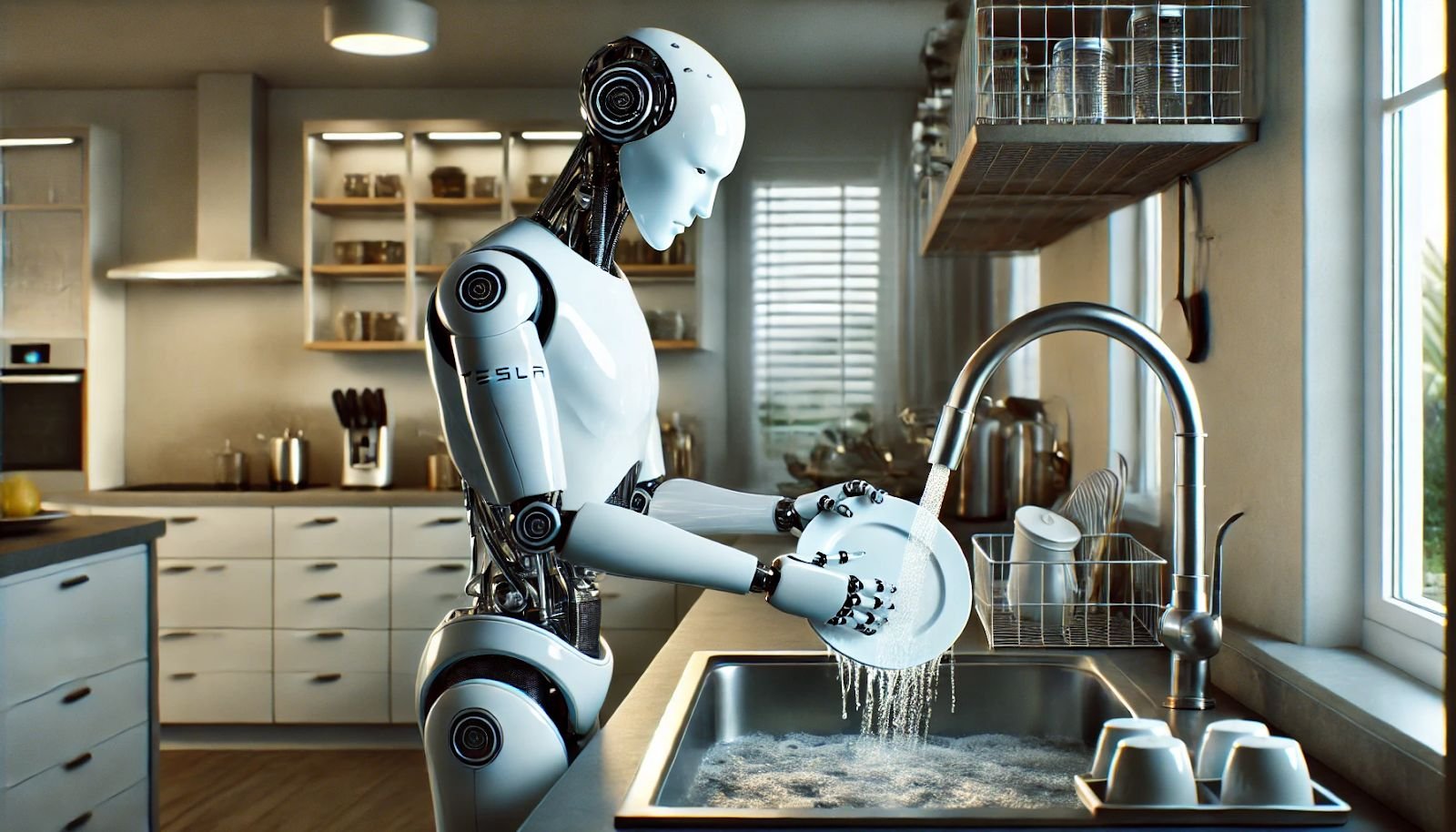
While factory deployment serves as the initial proving ground, Elon Musk has frequently articulated a far more ambitious long-term vision for Optimus: household chores and personal assistance. Imagine a robot capable of performing laundry, doing dishes, grocery shopping, mowing the lawn, or even providing companionship and assistance to the elderly. These tasks require a high degree of adaptability, understanding of nuanced human instructions, and the ability to operate safely in unstructured and often chaotic home environments. For Optimus to truly become a ubiquitous domestic helper, it must master delicate manipulation (e.g., handling glassware), navigate obstacles (e.g., toys on the floor), and interpret social cues. This represents a significant leap from factory automation, demanding even more sophisticated AI and robust real-world interaction capabilities. The potential impact on daily life, offering convenience and alleviating burdens, is immense, potentially redefining the concept of home automation.
Expanding Horizons: Healthcare, Logistics, and Beyond
Beyond manufacturing and domestic use, Optimus holds transformative potential across numerous other industries. In healthcare, robots could assist nurses with patient transport, deliver medications, or sanitize facilities, allowing medical professionals to focus more on direct patient care. In logistics and warehousing, they could streamline inventory management, pick and pack orders, and load/unload trucks, significantly improving efficiency in supply chains. In agriculture, Optimus could assist with harvesting, monitoring crops, or performing maintenance tasks. The general-purpose nature of the Tesla Bot means its applications are limited only by the development of its AI and dexterity. As its capabilities mature, we can anticipate its integration into a wide array of sectors, augmenting human labor, enhancing safety, and unlocking new levels of productivity across the global economy. The ability to perform diverse tasks in different environments makes Optimus a potentially revolutionary tool for a truly automated future.
Overcoming Challenges and Ethical Considerations in Robotics
While the promise of humanoid robots like Optimus is immense, their development and integration into society are not without significant technical hurdles and profound ethical considerations. Navigating these challenges responsibly will be crucial for the successful and beneficial adoption of advanced robotics.
Technical Hurdles: From Dexterity to Real-World Robustness
Despite rapid advancements, several technical challenges remain for general-purpose humanoid robots. Achieving truly human-level dexterity, especially in novel or unstructured tasks, is incredibly difficult. Manipulating delicate objects, operating complex tools, or dealing with unexpected environmental variables (e.g., a slippery floor, a suddenly moved object) requires advanced perception, nuanced force control, and highly adaptive planning – areas where current AI still struggles compared to human intuition. Robustness in diverse real-world conditions is another significant hurdle. A robot operating in a factory can be designed for specific workflows, but a robot intended for homes or public spaces must contend with an endless array of unpredictable situations. Ensuring its balance on uneven terrain, its ability to recover from minor errors, and its resilience to wear and tear in varied environments is a complex engineering feat. Furthermore, the cost of manufacturing sophisticated humanoid robots with high-performance actuators, sensors, and powerful computing remains a barrier to widespread adoption. Tesla’s goal is to make Optimus affordable, but achieving a mass-market price point without compromising capability is a significant R&D challenge.
Societal and Ethical Implications: Jobs, Safety, and Control
The societal impact of humanoid robots is a topic of intense debate. One of the most prominent concerns revolves around job displacement. While proponents argue that robots will create new jobs and allow humans to focus on higher-value tasks, critics worry about large-scale unemployment if robots can perform a wide range of human jobs more efficiently and cheaply. This necessitates careful planning for workforce retraining and adaptation.
Safety is another paramount concern. As robots become more autonomous and integrated into human spaces, ensuring they operate without posing a risk to people is critical. This involves developing robust fail-safes, clear communication protocols, and ethical guidelines for robot behavior. Beyond immediate safety, there are deeper ethical questions about accountability (who is responsible when a robot makes a mistake?), privacy (how will robots collect and use data in homes?), and the potential for misuse. The very concept of an autonomous, general-purpose intelligence raises questions about control and the long-term relationship between humans and advanced AI.
The Regulatory Landscape: Guiding AI and Robotics Development
To ensure the safe, ethical, and beneficial development of robots like Optimus, a robust and forward-thinking regulatory landscape is essential. Current laws and regulations often lag behind technological advancements, particularly in the rapidly evolving fields of AI and robotics. Governments and international bodies will need to establish clear standards for robot safety, performance, and data privacy. This includes guidelines for testing, deployment, and operation, as well as frameworks for liability.
Furthermore, ethical guidelines need to be codified, potentially drawing inspiration from principles like Isaac Asimov’s Laws of Robotics, adapted for modern AI. These guidelines could govern decision-making algorithms, ensuring robots prioritize human well-being, transparency, and fairness. Collaborative efforts between technologists, ethicists, policymakers, and the public will be crucial in shaping a regulatory environment that fosters innovation while mitigating risks, ensuring that advanced robots serve humanity’s best interests.
The Future Trajectory: What’s Next for Tesla’s Robot?
The journey for Optimus and other humanoid robots is just beginning. Tesla’s bold venture into this domain signifies a pivotal moment in robotics, with a clear trajectory aimed at continuous improvement, integration, and a redefinition of human-machine interaction. The path ahead involves relentless innovation across multiple dimensions.
Continuous Improvement and Iteration
Like all of Tesla’s products, Optimus is expected to undergo rapid iteration and continuous improvement. This process will be fueled by real-world data collection from early deployments, allowing Tesla’s AI teams to refine neural networks, enhance learning algorithms, and improve robot decision-making capabilities. Hardware will also see significant advancements, with a focus on making actuators more powerful, efficient, and cost-effective. Future iterations will likely feature improved sensor arrays for even richer environmental perception, greater battery longevity for extended operational periods, and more robust materials for increased durability. The goal is a steady progression towards greater dexterity, faster learning cycles, and enhanced reliability in increasingly complex and unstructured environments. This iterative approach is fundamental to turning a promising prototype into a widely adopted, indispensable tool.
The Ecosystem Play: Integration and Interoperability
As Optimus matures, its true potential will be unlocked through seamless integration into broader technological ecosystems. Just as Tesla’s vehicles connect with its Supercharger network and mobile app, Optimus could become a central node in a smart home or smart factory environment. This means interoperability with other IoT devices, cloud-based services, and intelligent infrastructure. Imagine Optimus receiving a task from a smart home assistant, accessing information from a shared digital workspace, or coordinating actions with other robots. Tesla could also explore an app ecosystem for Optimus, allowing developers to create specialized skills and applications for the robot, akin to how app stores function for smartphones. This ecosystem approach would significantly expand Optimus’s utility, moving it beyond a standalone machine to a fully integrated participant in an intelligent, interconnected world.
Redefining Human-Machine Collaboration
Ultimately, the long-term vision for Tesla’s robot is to redefine the nature of human-machine collaboration. Instead of simply replacing human labor, Optimus aims to augment it, acting as a tireless assistant that can handle physically demanding or repetitive tasks, thereby freeing humans to focus on creative, strategic, and interpersonal work. This shift implies a future where humans and robots work side-by-side, each leveraging their unique strengths. Robots provide precision, endurance, and computational power, while humans contribute intuition, empathy, and complex problem-solving abilities. This collaborative paradigm promises not just increased productivity but also potentially more fulfilling work experiences for humans. Tesla’s Optimus stands as a testament to humanity’s ongoing quest to push the boundaries of technology, offering a glimpse into a future where advanced robots could play a transformative role in shaping society, making our lives easier, safer, and more productive. The journey is complex, but the destination—a world enhanced by intelligent, general-purpose robotics—remains a powerful and compelling vision.
aViewFromTheCave is a participant in the Amazon Services LLC Associates Program, an affiliate advertising program designed to provide a means for sites to earn advertising fees by advertising and linking to Amazon.com. Amazon, the Amazon logo, AmazonSupply, and the AmazonSupply logo are trademarks of Amazon.com, Inc. or its affiliates. As an Amazon Associate we earn affiliate commissions from qualifying purchases.