
When Americans consider where to live, raise a family, or build a business, a myriad of factors come into play: climate, culture, community, and personal preferences. Yet, underlying all these considerations is an inescapable truth: the financial landscape of a state can profoundly impact one’s quality of life and future prosperity. The notion of “worst states in America” often boils down to economic realities – where one’s dollar goes the furthest, where opportunities are abundant, and where the financial burdens are least onerous. This isn’t just about income; it encompasses the holistic financial environment that can either foster growth and stability or create persistent headwinds.
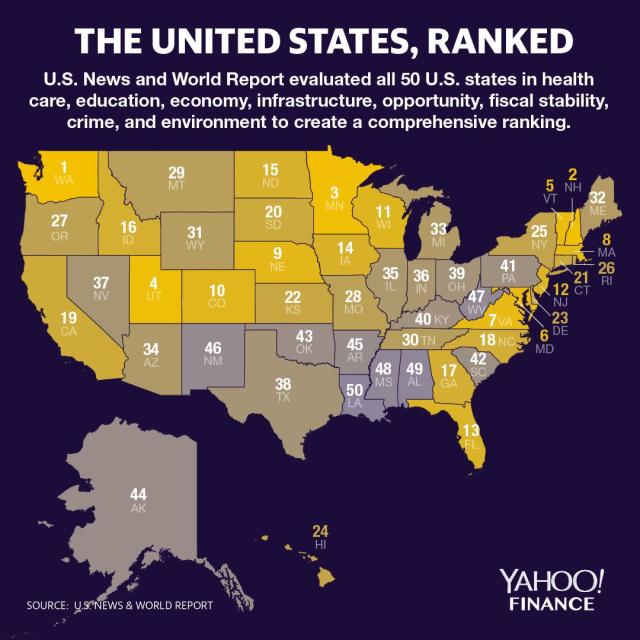
Evaluating states from a financial perspective involves looking beyond superficial attractiveness to the deeper economic currents that shape daily life and long-term financial health. It’s about understanding the true cost of living, the availability of well-paying jobs, the impact of taxation, and the robustness of a state’s overall economy. For individuals and businesses alike, certain states present a more challenging financial environment, making it harder to save, invest, and achieve financial independence. This article delves into the critical financial dimensions that define states where your wallet might face the toughest battle, offering insights into the factors that contribute to these challenging economic landscapes.
The Cost of Living Quandary: Where Your Dollar Buys Less
Perhaps the most immediate and tangible financial challenge in certain states is the sheer cost of living. While high wages might seem attractive on paper, they often obscure an even higher expense base, eroding purchasing power and leaving residents feeling perpetually behind. The concept of “worst” in this context is deeply tied to how far your income stretches, not just how much you earn.
Housing Affordability Crisis
The single largest expense for most households is housing, and disparities across states are stark. In areas with highly desirable locales, limited land, or stringent zoning laws, housing costs can skyrocket, far outpacing average incomes. This isn’t merely an issue for prospective homeowners; renters also face exorbitant prices, consuming a disproportionate share of their monthly budget. When a significant portion of income is allocated to housing, it leaves less for other necessities, savings, and discretionary spending, stifling financial mobility. The ripple effect extends to local economies, as residents have less to spend on goods and services, potentially hindering local businesses and job creation. States characterized by severe housing unaffordability often see an exodus of middle-income earners and young professionals, further exacerbating economic challenges and demographic imbalances.
Everyday Expenses: Groceries, Utilities, and Transportation
Beyond housing, the cost of daily essentials significantly impacts financial well-being. In some states, factors such as geographical isolation, limited competition, or specific state regulations can drive up prices for groceries, utilities, and transportation. Energy costs, in particular, can be highly variable depending on climate, resource availability, and state energy policies, significantly impacting utility bills. Similarly, reliance on imported goods or less efficient supply chains can elevate food prices. Transportation expenses, including gas prices, vehicle maintenance, and public transit costs, also vary widely, especially in states with sprawling geographies or inadequate public transport infrastructure, forcing greater reliance on personal vehicles. When the cumulative burden of these everyday expenses is high, it creates a constant drain on household budgets, making it difficult to save for emergencies, retirement, or educational goals.
Healthcare Costs: A Looming Financial Threat
Healthcare is another critical financial component that can make or break a household’s budget. In states with weaker regulatory oversight, less competitive insurance markets, or high service demand without sufficient provider supply, healthcare costs can be exceptionally high. This includes insurance premiums, deductibles, co-pays, and out-of-pocket expenses. For individuals and families, exorbitant healthcare costs represent not just a direct financial drain but also a significant source of financial insecurity. Medical debt is a leading cause of bankruptcy in the U.S., and states where healthcare costs are highest place their residents at greater risk. The financial burden is not limited to those with chronic conditions; even routine care or unexpected emergencies can become financially catastrophic in environments where healthcare is prohibitively expensive, undermining the overall financial resilience of the population.
Economic Headwinds: States Struggling with Opportunity and Growth
Beyond the direct costs of living, the broader economic health of a state—or lack thereof—plays a pivotal role in defining its “worst” financial attributes. A stagnant economy, limited job prospects, and a challenging business environment can create a cycle of financial struggle for residents and businesses alike.
Job Market Stagnation and Unemployment
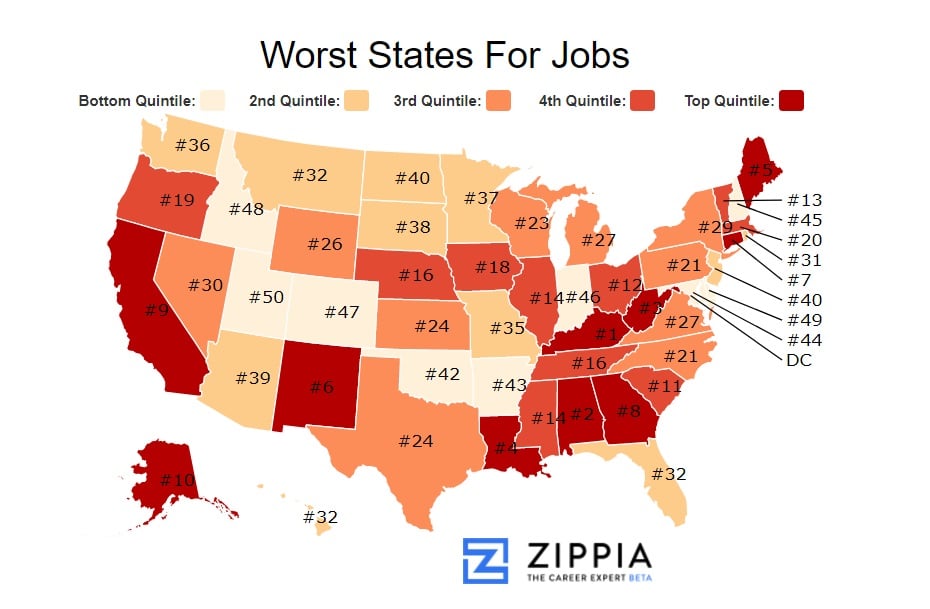
A robust job market is the cornerstone of financial prosperity. Conversely, states characterized by high unemployment rates, underemployment, or a lack of diverse, high-paying industries often present significant financial challenges. When job growth is sluggish, competition for available positions intensifies, often driving down wages or limiting upward mobility. This is particularly true in states heavily reliant on declining industries or those struggling to adapt to the demands of a modern, knowledge-based economy. For individuals, a stagnant job market means fewer opportunities to increase income, build savings, and secure their financial future. For young graduates, it can mean starting their careers with fewer options and lower earning potential, potentially leading to brain drain as talent seeks opportunities elsewhere.
Business Climate and Entrepreneurial Challenges
The health of a state’s economy is intrinsically linked to its business climate. States with a “worst” financial profile often grapple with an unfriendly environment for businesses, whether due to excessive regulation, high corporate taxes, insufficient infrastructure, or a lack of access to capital and skilled labor. When businesses face significant hurdles, they are less likely to invest, expand, or create new jobs. This stifles economic diversification and innovation, making the state more vulnerable to economic downturns. A poor business climate also discourages entrepreneurship, depriving the state of new ventures that drive job creation and economic vitality. For residents, this translates to fewer employment options, less competition for their skills, and ultimately, lower wages and slower income growth.
Income Disparity and Poverty Rates
High income disparity and persistent poverty rates are tell-tale signs of a struggling financial environment. In some states, despite pockets of wealth, a significant portion of the population may live below the poverty line or struggle to make ends meet. This disparity can be fueled by various factors, including lack of educational opportunities, systemic unemployment, industries with predominantly low-wage jobs, or an unequal distribution of resources. High poverty rates strain public services, increase social welfare costs, and can lead to a cycle of intergenerational poverty. For the state’s overall financial health, widespread income disparity can suppress consumer spending, limit the tax base, and exacerbate social tensions, creating a less stable and less prosperous environment for all residents.
Taxation, Debt, and Financial Strain: A Burden on Residents
The third critical dimension of a state’s financial health revolves around its fiscal policies, particularly taxation and public debt, and how these translate into financial strain for its citizens. States that consistently rank “worst” often impose a heavy tax burden without delivering commensurate public services, or they carry significant debt that impacts future financial stability.
State and Local Tax Burdens
While taxes are necessary for funding public services, an excessively high or poorly structured tax burden can significantly erode personal income and business profitability. States with high property taxes, income taxes, sales taxes, or a combination thereof, can make it challenging for residents to accumulate wealth. For businesses, high taxes can deter investment and expansion, as discussed earlier. The impact of taxation is particularly acute when the tax burden does not align with the quality or availability of public services. If residents pay high taxes but receive inadequate education, crumbling infrastructure, or limited public safety, the financial strain feels even more pronounced, offering poor value for money and reducing the attractiveness of the state as a place to live or work.
High Household Debt Levels
The financial health of a state isn’t just about its economy or government finances; it’s also about the financial stability of its households. In states where residents carry high levels of personal debt—mortgage debt, credit card debt, auto loans, and student loans—it indicates a broader financial vulnerability. High household debt can stem from a combination of factors: high cost of living, stagnant wages, limited financial literacy, or aggressive lending practices. When a significant portion of the population is burdened by debt, it reduces their capacity to save, invest, and weather economic shocks. This financial fragility can have broader economic consequences, as indebted consumers are less likely to spend, potentially slowing economic growth and exacerbating financial crises. States struggling with high household debt often reflect underlying economic challenges that push residents into financial precarity.
Underfunded Public Services and Their Financial Impact
Paradoxically, some states facing financial difficulties might also suffer from underfunded public services, even if they have high tax burdens. This can be due to inefficient government spending, legacy debt, or demographic shifts that strain resources. When public services like education, infrastructure, and healthcare are underfunded, it creates additional financial burdens for residents. Families might have to pay for private schooling, endure longer commutes due to poor roads, or face higher out-of-pocket medical expenses in states with inadequate public health systems. The long-term impact of underfunded education, for instance, can lead to a less skilled workforce, further hindering economic development. Therefore, the “worst” states financially are often those where the balance between taxation and the quality of public services is severely skewed, demanding more from residents while delivering less in return.
Navigating the Landscape: Strategies for Financial Resilience
Understanding the financial challenges inherent in certain states is the first step toward making informed decisions. For individuals, this might mean carefully evaluating the true cost of living versus potential earnings, considering opportunities for remote work, or prioritizing financial literacy to navigate difficult economic waters. For businesses, it involves meticulous analysis of the regulatory environment, tax incentives, and the availability of skilled labor.
Personal Financial Planning in Challenging Economies
In states with high costs and limited opportunities, robust personal financial planning becomes even more crucial. This includes aggressive budgeting, building substantial emergency savings, strategically managing debt, and seeking out all available avenues for income growth, whether through skill development, side hustles, or investing. Individuals must become adept at optimizing their spending, seeking out cost-saving alternatives, and advocating for policies that promote financial equity and affordability.
Policy Implications for Economic Improvement
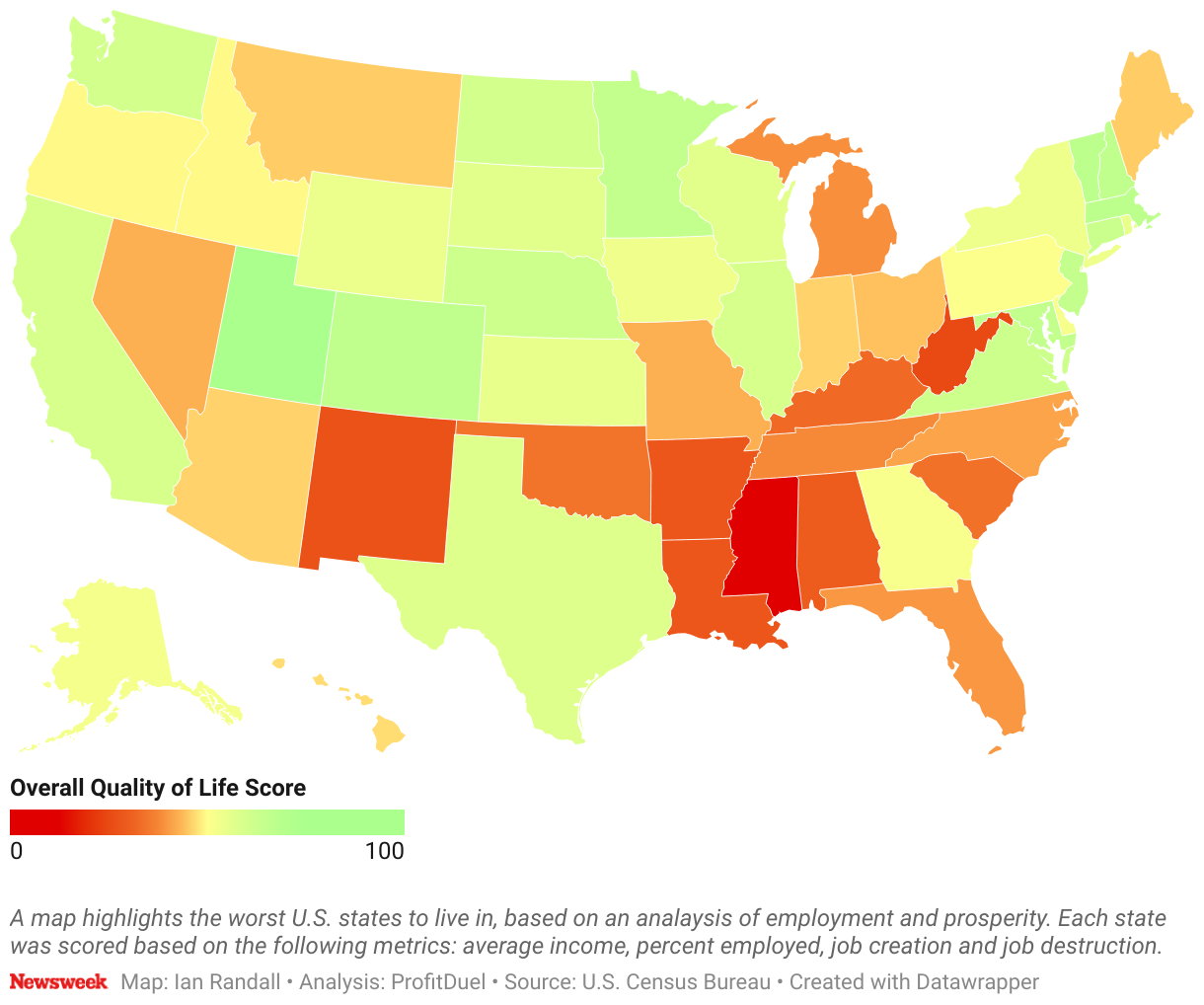
From a policy perspective, addressing the root causes of financial distress in these states requires multifaceted approaches. This includes investing in education and workforce development to create higher-paying jobs, reforming tax codes to be more equitable and growth-oriented, improving infrastructure to enhance business efficiency, and implementing smart housing policies to increase affordability. Attracting and retaining businesses through a favorable climate, while also ensuring robust social safety nets and access to affordable healthcare, are vital steps toward transforming “worst” into “better” or even “best” financial environments.
In conclusion, the notion of “worst states in America” from a financial standpoint is complex, encompassing a web of interconnected factors from the immediate cost of living to the broader economic health and governmental fiscal policies. While no state is uniformly “worst” across all metrics, understanding these financial dimensions allows individuals to make more informed choices about where to build their lives and careers, and provides a framework for policymakers to strive for more prosperous and financially resilient communities for all.
aViewFromTheCave is a participant in the Amazon Services LLC Associates Program, an affiliate advertising program designed to provide a means for sites to earn advertising fees by advertising and linking to Amazon.com. Amazon, the Amazon logo, AmazonSupply, and the AmazonSupply logo are trademarks of Amazon.com, Inc. or its affiliates. As an Amazon Associate we earn affiliate commissions from qualifying purchases.