
In an increasingly voice-centric and data-driven world, the spoken word holds immense power. From casual conversations to critical business meetings, podcasts to scientific lectures, a vast ocean of valuable information is communicated orally every second. However, without a written record, this ephemeral data can be lost, inaccessible, or unsearchable. This is where transcripts come into play. Far more than just a simple conversion of audio to text, transcripts are a foundational technology that unlocks the potential of spoken content, making it accessible, analyzable, and universally valuable. Driven by sophisticated technology, especially advancements in Artificial Intelligence, transcripts have evolved from a niche service to an indispensable tool across virtually every digital domain.
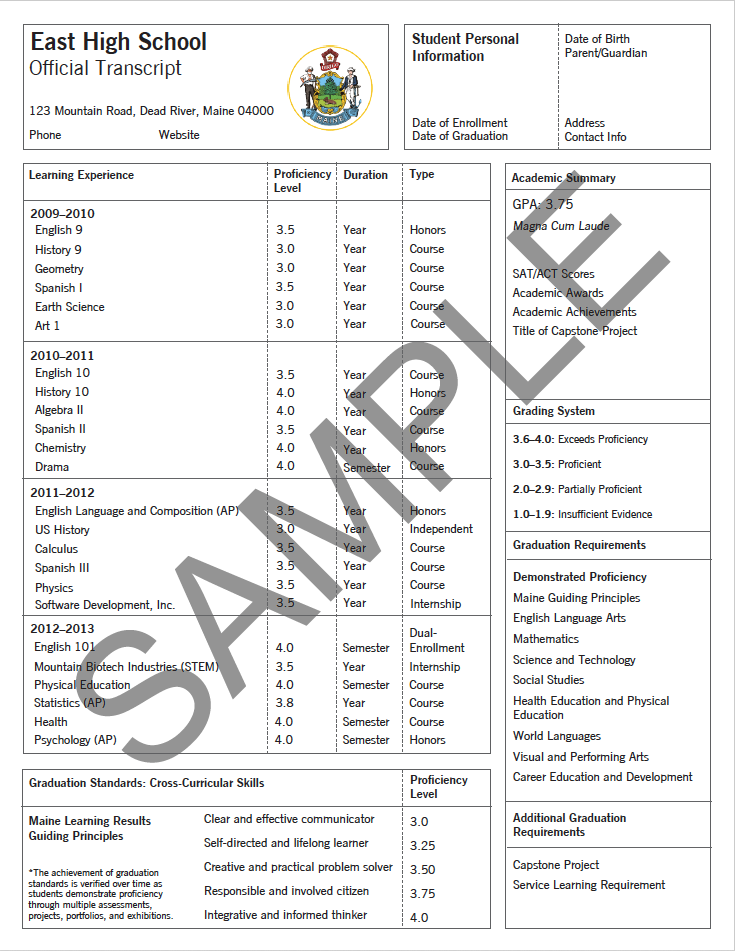
Defining Transcripts: Decoding the Spoken Word
At its core, a transcript is a written record of spoken language. It transforms audio or video content into text, providing a tangible, reviewable document of what was said. While the basic concept is straightforward, the utility and complexity of transcripts vary widely depending on their purpose and the level of detail required.
The Core Concept: From Sound Waves to Text
Imagine a podcast, a lecture, an interview, or even a customer service call. All these interactions are primarily auditory. A transcript takes these transient sound waves and converts them into a persistent, readable format. This transformation is not merely an act of documentation; it fundamentally changes how we interact with and extract value from spoken content. Once written, the information becomes searchable, editable, and shareable in ways that audio alone cannot be.
Varieties of Transcripts: Tailoring Detail to Purpose
Not all transcripts are created equal. The level of detail and fidelity to the original spoken word can be customized to suit specific needs, influencing both the generation process and the final utility.
- Verbatim Transcripts: These are word-for-word records that capture every sound, utterance, and pause. This includes filler words (like “um,” “uh,” “you know”), false starts, stutters, and non-verbal cues (like “laughter,” “cough”). Verbatim transcripts are crucial for legal proceedings, qualitative research where inflection and exact phrasing are vital, or media analysis where precise timing and delivery are studied.
- Intelligent Verbatim (or Clean Verbatim) Transcripts: This common type prioritizes readability and clarity without sacrificing meaning. It removes filler words, false starts, and repetitions, while still accurately reflecting the speaker’s intent and language. This is ideal for most business applications, content creation, and general documentation where a clean, easy-to-read text is desired.
- Edited or Summarized Transcripts: These go a step further, refining the language, correcting grammatical errors, and even condensing lengthy discussions into more concise summaries. While less faithful to the exact spoken word, they are highly valuable for creating polished content, meeting minutes, or reports where brevity and professional presentation are paramount.
- Time-Coded and Speaker-Identified Transcripts: To enhance utility, transcripts often include timestamps, indicating when specific words or phrases were spoken in the original audio. Speaker identification assigns each segment of dialogue to the correct speaker, making multi-person conversations much easier to follow and analyze. These features are critical for video captions, research analysis, and large-scale data processing.
Beyond Basic Text: Transcripts as Data
Ultimately, transcripts are not just static text files. They represent a rich layer of data that can be processed, analyzed, and integrated into various technological systems. From enhancing accessibility to fueling AI models, the transformation of speech into data is where much of its modern power lies.
The Technological Engines: How Transcripts Are Generated
The journey from spoken word to written text is facilitated by a combination of human skill and advanced technology. While manual transcription has a long history, the rise of Automated Speech Recognition (ASR) has revolutionized the speed, scale, and cost-efficiency of generating transcripts.
Manual Transcription: The Human Touch
For centuries, transcription was an exclusively human endeavor. Skilled transcribers would listen to audio and meticulously type out every word, often replaying segments multiple times to ensure accuracy. Even today, human transcription remains the gold standard for certain applications where nuance, extreme accuracy, specific domain knowledge, or challenging audio quality demand an unparalleled level of precision.
- Advantages: Superior accuracy, ability to handle complex accents, multiple speakers, poor audio quality, and distinguish subtle contextual cues. Human transcribers can also perform intelligent verbatim or edited transcription with greater discernment.
- Disadvantages: Time-consuming, expensive, and not scalable for large volumes of content, making it impractical for many modern applications.
Automated Speech Recognition (ASR): The AI Revolution
The true revolution in transcription has been spearheaded by ASR technology, powered by rapid advancements in Artificial Intelligence, particularly machine learning and deep neural networks. ASR systems analyze audio signals, break them down into phonemes, and then use sophisticated algorithms to match these phonetic units to words and sentences in a given language model.
- How ASR Works: Modern ASR relies on neural networks trained on vast datasets of speech and corresponding text. These models learn to recognize patterns in sound waves and map them to linguistic units. When new audio is fed into the system, it processes these patterns, predicting the most probable sequence of words. Contextual clues, grammar rules, and language models further refine these predictions.
- Evolution and Accuracy: Early ASR systems were rudimentary, often struggling with anything beyond clear, single-speaker dictation. Today’s ASR, however, has reached remarkable levels of accuracy, particularly with high-quality audio and standard accents. Cloud-based ASR services (like Google Speech-to-Text, Amazon Transcribe, Microsoft Azure Speech) leverage immense computational power and constantly evolving models to offer fast, scalable, and increasingly accurate transcription.
- Factors Influencing Accuracy: The performance of ASR is heavily influenced by several factors:
- Audio Quality: Clear, crisp audio with minimal background noise yields the best results.
- Speaker Clarity: Distinct pronunciation, moderate speaking pace, and consistent volume improve accuracy.
- Accents and Dialects: While ASR has improved, strong or uncommon accents can still pose challenges.
- Multiple Speakers: Differentiating between speakers in a conversation is a complex task for ASR, though advancements are being made.
- Domain-Specific Vocabulary: Technical jargon or industry-specific terms may require custom language models for optimal accuracy.
Hybrid Approaches: Combining Strengths
Recognizing the strengths of both human and automated methods, many transcription solutions today adopt a hybrid approach. ASR is used to generate an initial draft, which is then refined, corrected, and polished by human transcribers. This combines the speed and cost-effectiveness of AI with the superior accuracy and nuanced understanding of human professionals, making it an ideal solution for mission-critical applications where high accuracy is paramount.
Ubiquitous Applications Across the Digital Ecosystem
Transcripts are no longer a niche tool; they are a fundamental component of the digital infrastructure, driving accessibility, content creation, data analysis, and productivity across diverse industries.
Enhancing Accessibility and Inclusivity
One of the most profound impacts of transcripts is their role in making content accessible to a wider audience, particularly those with hearing impairments.
- Subtitles and Closed Captions: Transcripts are the backbone of subtitles for videos and closed captions for live broadcasts. They enable individuals who are deaf or hard of hearing to consume audio-visual content, fulfilling crucial accessibility requirements (e.g., ADA compliance).
- Language Translation: Once content is transcribed into text, it becomes infinitely easier to translate into multiple languages, breaking down language barriers and making information globally accessible. This is crucial for international businesses, educational platforms, and global media.
Content Creation and SEO Optimization
For content creators and marketers, transcripts are a goldmine, enabling repurposing, discoverability, and enhanced engagement.

- Repurposing Audio-Visual Content: A podcast interview can be transformed into a blog post, an ebook chapter, social media snippets, or a detailed article. A video lecture can become a course transcript or a series of infographics. This maximizes the value and reach of original content.
- Search Engine Optimization (SEO): Search engines cannot “listen” to audio or “watch” video in the same way they read text. By providing a transcript, creators make their spoken content fully searchable. This means keywords within the transcript can be indexed by search engines, significantly improving the content’s discoverability and driving organic traffic.
- User Engagement: Many users prefer to read rather than listen, or to skim content for key information. Transcripts cater to these preferences, allowing users to quickly find relevant sections or consume content in a quiet environment.
Data Analysis and Research
Beyond accessibility and content, transcripts serve as invaluable data sources for analysis, particularly in research, business intelligence, and compliance.
- Qualitative Research: Researchers conducting interviews, focus groups, or ethnographic studies rely heavily on verbatim transcripts to analyze spoken interactions. Transcripts allow for detailed coding, thematic analysis, and precise quotation, forming the bedrock of qualitative data interpretation.
- Call Center Analytics and Customer Insights: Businesses use transcripts of customer service calls to identify common pain points, analyze customer sentiment, monitor agent performance, and discover emerging trends. AI tools can process these transcripts at scale, providing actionable insights into customer experience.
- Legal and Compliance: In legal proceedings, every word matters. Transcripts of depositions, court hearings, and recorded evidence provide an indisputable record. Similarly, in regulated industries, transcripts are essential for compliance monitoring, auditing, and ensuring adherence to policies.
- Meeting Minutes and Knowledge Management: Transcripts of meetings provide a comprehensive record of discussions, decisions, and action items. This supports better knowledge retention, corporate governance, and ensures that participants can revisit conversations with accuracy.
Productivity and Workflow Streamlining
Transcripts also empower individuals and teams to work more efficiently.
- Dictation for Writing: Professionals can dictate thoughts, emails, or entire documents, which are then quickly transcribed, speeding up the writing process significantly.
- Efficient Content Review: Reviewing a lengthy audio or video file can be time-consuming. With a transcript, users can quickly scan for specific information, edit sections, or jump to relevant points in the original media.
- Automated Summarization: Coupled with natural language processing (NLP), transcripts can be automatically summarized, extracting key topics, decisions, and action items, saving valuable time.
Navigating the Landscape: Benefits, Challenges, and Best Practices
While the benefits of transcription are immense, understanding the associated challenges and adopting best practices is crucial for successful implementation.
Key Benefits
In summary, the core advantages of leveraging transcription technology are:
- Enhanced Accessibility: Catering to individuals with hearing impairments and diverse learning preferences.
- Improved Searchability: Making spoken content discoverable by search engines and internal search functions.
- Content Repurposing: Maximizing the value and reach of audio-visual assets across multiple formats.
- Rich Data Analysis: Unlocking insights from spoken interactions for research, business intelligence, and compliance.
- Increased Productivity: Streamlining workflows, facilitating quicker content review, and aiding documentation.
- Global Reach: Facilitating easier translation and localization of content.
Current Challenges
Despite rapid advancements, transcription technology, particularly ASR, still faces hurdles:
- Accuracy Limitations: While impressive, ASR is not yet 100% accurate, especially with poor audio quality, heavy accents, technical jargon, or overlapping speech. Errors can range from minor misspellings to completely misinterpreted phrases, which can be critical in sensitive contexts.
- Privacy and Security Concerns: When using third-party transcription services, particularly for sensitive or confidential audio, ensuring data privacy and security is paramount. Secure data handling, encryption, and compliance with regulations (like GDPR, HIPAA) are vital.
- Cost vs. Quality Trade-off: High-accuracy human transcription can be expensive, while budget-friendly ASR might compromise on precision. Choosing the right balance depends on the specific needs and tolerance for error.
- Speaker Differentiation: Accurately identifying and separating multiple speakers in a dynamic conversation remains a complex task for ASR, often requiring post-editing.
- Non-Verbal Cues: ASR primarily focuses on spoken words. Capturing the full richness of non-verbal cues (tone, emotion, emphasis) still often requires human interpretation or highly advanced AI that can analyze prosody.
Best Practices for Effective Transcription
To maximize the benefits and mitigate challenges, consider these best practices:
- Prioritize Audio Quality: The single most significant factor influencing transcription accuracy is the quality of the original audio. Use good microphones, minimize background noise, and ensure speakers are close to the mic.
- Choose the Right Method: Understand your specific needs. For legal or critical research, invest in human or hybrid transcription. For general content or high volume, ASR with a review process might suffice.
- Utilize Domain-Specific Models: If transcribing highly specialized content (e.g., medical, legal, technical), leverage ASR services that offer custom language models trained on relevant terminology.
- Implement a Review Process: Even with the best ASR, a human review is often necessary to catch errors, correct punctuation, and ensure the transcript accurately reflects the speaker’s intent, especially for public-facing content or critical data analysis.
- Understand Data Security Protocols: When using external services, verify their data privacy policies, encryption standards, and compliance certifications.
The Future Trajectory: AI, Integration, and Beyond
The evolution of transcription technology is far from over. Driven by continuous advancements in AI and machine learning, the future promises even more sophisticated, integrated, and impactful applications.
Advancements in AI and Machine Learning
Future ASR systems will feature:
- Hyper-Accurate and Real-time Transcription: Near-perfect accuracy, even with challenging audio, and real-time processing that keeps pace with live speech.
- Enhanced Natural Language Understanding (NLU): AI will move beyond mere word recognition to truly understand context, sentiment, and the nuances of human language, extracting deeper insights from transcripts.
- Emotion and Tone Detection: ASR will be able to identify emotional states and vocal tones, adding a crucial layer of non-verbal data to transcripts.
- Multilingual and Code-Switching Capabilities: Seamlessly transcribing and translating conversations involving multiple languages or code-switching within a single dialogue.
Seamless Integration and New Use Cases
Transcription will become an even more embedded and invisible layer of technology:
- Native Platform Integration: Transcription services will be natively integrated into communication platforms (e.g., Zoom, Microsoft Teams, Google Meet), CRM systems, and content management systems, making instant transcription and summarization a default feature.
- AI-Powered Assistants: AI companions will not just transcribe meetings but generate smart summaries, extract action items, identify key decisions, and even draft follow-up communications automatically.
- Accessibility in AR/VR: As augmented reality and virtual reality become more prevalent, transcription will play a vital role in providing accessible information and interactive experiences within these immersive environments.
- Personalized Learning and Assistive Technologies: Transcripts will enable more personalized educational experiences, allowing learners to interact with spoken content in flexible ways, and power advanced assistive technologies for individuals with various cognitive or physical challenges.

Ethical Considerations and the Human Element
As ASR technology becomes more powerful, ethical considerations will grow in importance. Issues like data privacy, algorithmic bias in speech recognition, and the impact on human transcription jobs will require careful navigation. While AI will automate much of the process, the human element will likely shift from rote transcription to oversight, refinement, and applying nuanced judgment where machines fall short. The future of transcription will be a collaboration between intelligent systems and human intellect.
In conclusion, transcripts are a fundamental technological innovation that transforms the ephemeral nature of spoken language into a persistent, searchable, and analyzable asset. Fueled by the relentless progress of Artificial Intelligence, their role in enhancing accessibility, empowering content creation, driving data-driven insights, and boosting productivity will only continue to expand, cementing their status as an indispensable component of our digital future. From a simple text file, transcripts have evolved into a dynamic data layer that unlocks unprecedented value from the spoken word, making information more universal and powerful than ever before.
aViewFromTheCave is a participant in the Amazon Services LLC Associates Program, an affiliate advertising program designed to provide a means for sites to earn advertising fees by advertising and linking to Amazon.com. Amazon, the Amazon logo, AmazonSupply, and the AmazonSupply logo are trademarks of Amazon.com, Inc. or its affiliates. As an Amazon Associate we earn affiliate commissions from qualifying purchases.