
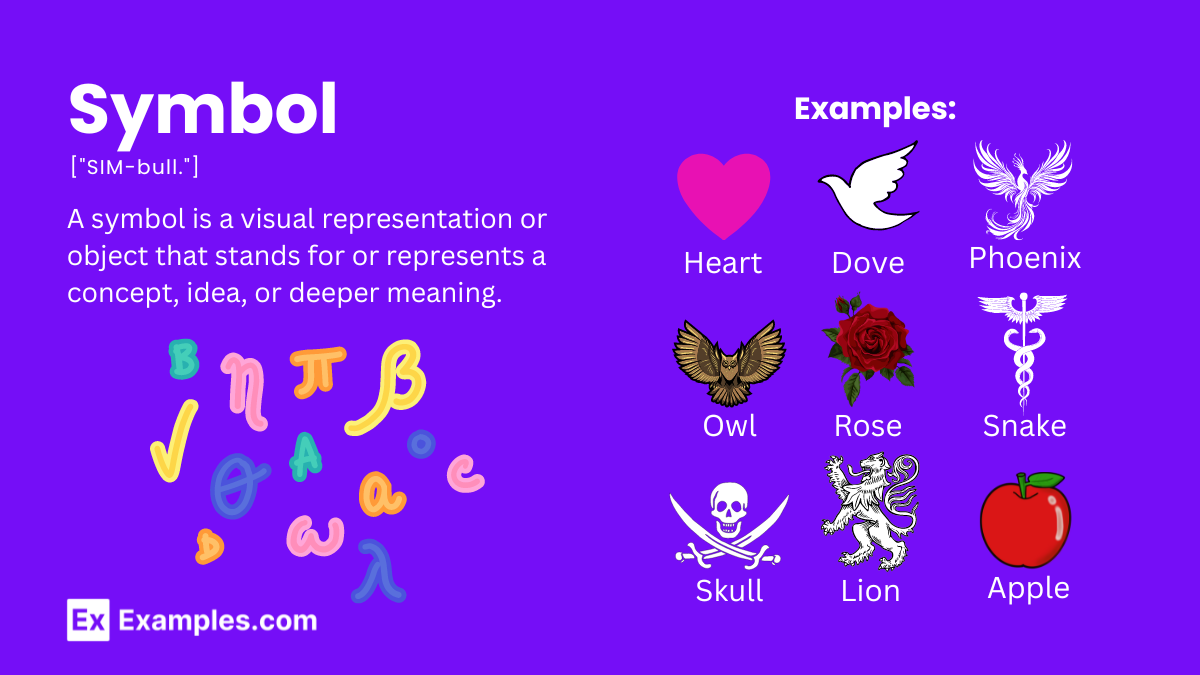
Symbolism is the bedrock upon which meaningful brands are built. Far from being a mere aesthetic choice, symbols in branding are powerful tools that convey complex ideas, evoke specific emotions, and forge deep connections with audiences. They are the shorthand that allows a brand to communicate its identity, values, and purpose without uttering a single word. In an increasingly saturated marketplace, understanding and strategically deploying symbolism is not just an advantage; it is a necessity for standing out, resonating authentically, and building lasting brand equity. This article will delve into the multifaceted ways symbolism manifests across the branding landscape, offering concrete examples that illustrate its profound impact.
The Foundational Role of Visual Symbolism in Brand Identity
Visual elements are often the first point of contact between a brand and its audience, making them crucial vehicles for symbolic meaning. These visual cues are carefully crafted to communicate instantly, leaving a lasting impression and shaping perceptions.
Logos and Wordmarks: The Brand’s Visual Signature
The logo is arguably the most potent symbol a brand possesses. It’s the central emblem designed to represent an entire organization, its mission, and its offerings. A well-designed logo distills the essence of a brand into a concise, memorable graphic. Consider the Nike swoosh: a simple, dynamic curve that instantly evokes motion, speed, and victory, perfectly aligning with its athletic mission. The Apple logo, an bitten apple, subtly hints at knowledge, temptation, and innovation, while its sleek design speaks to simplicity and sophistication. These aren’t just pretty pictures; they are highly curated symbols that carry deep layers of meaning, often becoming synonymous with the brand itself and its underlying ethos. Similarly, wordmarks, which are text-based logos like those of Coca-Cola or Google, use distinctive typography to create a unique visual identity that is immediately recognizable and symbolically associated with their respective industries and brand personalities.
Color Psychology: Evoking Emotion and Association
Colors are not arbitrary choices in branding; they are potent psychological triggers that evoke specific emotions and associations. Each color carries cultural, psychological, and historical connotations that brands leverage to communicate their identity and desired impact. Blue, for instance, is widely used by financial institutions and tech companies (IBM, Facebook, PayPal) to symbolize trust, stability, and intelligence. Red, employed by brands like Coca-Cola and Netflix, denotes passion, energy, and excitement, often associated with immediacy and appetite. Green, frequently adopted by environmental brands or those promoting health (Whole Foods, Starbucks), symbolizes nature, growth, and freshness. Yellow, seen in brands like McDonald’s, can represent optimism, happiness, and friendliness. The strategic selection and combination of colors in a brand’s palette create a symbolic language that influences perception and fosters emotional connections before any words are even read.
Iconography and Imagery: Communicating Complex Ideas Simply
Beyond logos, a brand’s broader iconography and imagery play a vital symbolic role. Icons, in particular, are miniaturized symbols that simplify complex actions or concepts, especially prevalent in digital interfaces. A shopping cart icon universally symbolizes e-commerce; a magnifying glass means “search.” These are globally understood symbols that streamline user experience. Beyond functional icons, a brand’s choice of photography, illustrations, or video imagery also carries significant symbolic weight. A luxury brand might use aspirational imagery of serene landscapes or elegant individuals to symbolize exclusivity and status. A non-profit focusing on community might feature diverse groups collaborating to symbolize unity and collective effort. These visual narratives extend the brand’s symbolic communication, reinforcing its message and emotional appeal.
Beyond the Visual: Experiential and Auditory Symbolism
While visuals are paramount, symbolism in branding extends into the realms of experience and sound, creating a multi-sensory brand universe that deepens engagement.
Brand Archetypes and Storytelling: Symbolic Narratives
Brands often unconsciously, or consciously, embody archetypes—universal patterns of human experience and behavior that resonate deeply within the collective psyche. Carl Jung’s concept of archetypes (e.g., The Hero, The Innocent, The Sage, The Rebel) provides a powerful framework for brand storytelling. Nike, with its “Just Do It” ethos, embodies The Hero, symbolizing courage, achievement, and mastery. Dove, promoting natural beauty and self-acceptance, aligns with The Innocent, representing purity, simplicity, and goodness. Harley-Davidson, on the other hand, embraces The Rebel, symbolizing freedom, individuality, and breaking rules. By aligning with an archetype, a brand taps into a rich vein of symbolic meaning, creating narratives that are inherently relatable and emotionally compelling, fostering a sense of shared identity and purpose with its audience.
Sound Branding: Jingle, Mnemonic, and Sonic Logos
The auditory dimension of a brand can be just as symbolic and memorable as its visual identity. Sound branding, or sonic branding, uses specific sounds to evoke brand recognition and emotional responses. The Intel Inside jingle, the Netflix “tudum,” or the distinctive startup sound of a Mac computer are not just pleasant noises; they are sonic logos—brief, memorable sound sequences that symbolize the brand. These auditory cues can trigger instant recall and evoke the associated feelings, values, and quality of the brand. Beyond short mnemonics, the choice of background music in advertising or physical spaces, the voiceover artists chosen, and even the “sound” of a product’s operation (e.g., the satisfying click of a luxury car door) all contribute to a brand’s sonic identity and its symbolic meaning, influencing perception on a subconscious level.
The Symbolism of Customer Experience: Touchpoints as Brand Expressions
Every interaction a customer has with a brand is a touchpoint, and each touchpoint carries symbolic weight, contributing to the overall brand perception. The packaging of a product, for example, is not merely functional; it’s a symbolic presentation of the brand’s values. Minimalist, eco-friendly packaging symbolizes sustainability and premium quality for some brands, while ornate, luxurious packaging symbolizes exclusivity and indulgence for others. The layout of a retail store, the ease of navigation on a website, the promptness and tone of customer service responses—all these elements are carefully orchestrated to symbolically reinforce the brand’s promise. A personalized thank-you note in a delivery might symbolize care and appreciation, while a seamless digital checkout process symbolizes efficiency and user-centricity. The entire customer journey is a carefully constructed symbolic experience.
Symbolism in Language: Crafting the Brand’s Voice
Words are powerful symbols themselves. The language a brand uses—from its name to its tagline and everyday communications—is instrumental in shaping its identity and communicating its values.
Taglines and Slogans: Condensed Brand Philosophy
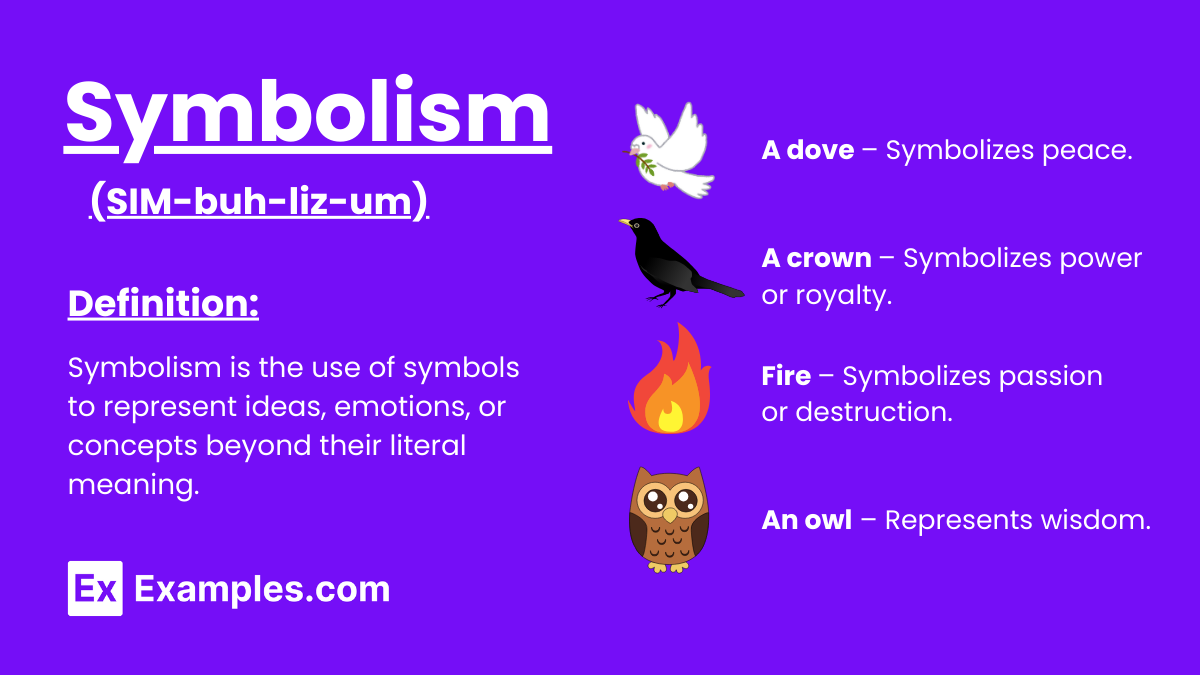
Taglines and slogans are compact symbolic statements that encapsulate a brand’s essence, promise, or competitive advantage. “Just Do It” for Nike isn’t just a command; it’s a symbol of empowerment, perseverance, and athletic achievement. “Think Different” for Apple symbolized innovation, challenging the status quo, and creative individuality. L’Oréal’s “Because You’re Worth It” symbolically elevates the consumer, suggesting self-worth and premium quality. These phrases are designed to be memorable, impactful, and rich with symbolic meaning, instantly conveying the brand’s core message and emotional appeal. They become intrinsic parts of the brand’s identity, resonating long after the initial advertisement is forgotten.
Brand Naming: The First Word in Symbolism
A brand’s name is perhaps its most fundamental linguistic symbol. It’s the primary identifier that carries an immediate symbolic weight, influencing initial perceptions and long-term recall. Names can be descriptive (General Electric), evocative (Virgin Atlantic), acronyms (IBM), or even abstract (Kodak). The name Amazon, for instance, symbolizes vastness, abundance, and global reach, perfectly aligning with its mission to be the “everything store.” Starbucks’ name, inspired by a character in Moby Dick, evokes a sense of maritime adventure and premium commodity. The symbolic power of a name lies in its ability to hint at a brand’s category, benefits, values, or personality, serving as a powerful mnemonic device and a foundation for all subsequent brand communications.
Messaging and Tone of Voice: Consistent Symbolic Communication
Beyond specific names and taglines, a brand’s overall messaging and tone of voice are symbolic of its personality and relationship with its audience. Is the language formal or informal? Playful or serious? Authoritative or approachable? A luxury brand might use sophisticated, understated language to symbolize exclusivity and elegance, while a challenger brand might adopt a bold, irreverent tone to symbolize disruption and innovation. The consistency of this linguistic symbolism across all communication channels—website copy, social media posts, email newsletters, customer service scripts—reinforces the brand’s identity, builds trust, and fosters a predictable and comforting experience for the audience. This consistent voice becomes a symbolic representation of the brand’s character and reliability.
Symbolism in Action: Product, Packaging, and Environment
The tangible manifestations of a brand—its products, packaging, and the environments where it operates—are rife with symbolic meaning, offering further opportunities to reinforce brand identity.
Product Design as Symbolic Expression
The design of a product itself is a powerful form of symbolism. Consider the sleek, minimalist design of Apple products: it symbolizes simplicity, elegance, user-friendliness, and premium quality. A rugged, utilitarian design for outdoor gear symbolizes durability, adventure, and reliability. The ergonomic shape of a particular tool might symbolize comfort and efficiency. Beyond functionality, the aesthetic choices—materials, finishes, contours—all contribute to a symbolic language that communicates the brand’s values and target audience. A product’s design can evoke feelings of luxury, practicality, playfulness, or seriousness, directly influencing how consumers perceive and interact with the brand.
Packaging: The Silent Salesperson and Brand Ambassador
As mentioned earlier, packaging serves far more than a protective function. It’s a brand’s silent salesperson and a potent symbol of its identity. The iconic Tiffany & Co. blue box, for example, is instantly recognizable and symbolizes luxury, exclusivity, and quality before the product inside is even revealed. The distinct shape of a Coca-Cola bottle symbolizes its timeless appeal and classic status. Eco-friendly packaging, using recycled materials or minimalist design, symbolically communicates a brand’s commitment to sustainability. The texture, weight, and opening experience of packaging also contribute to this symbolic narrative, conveying messages about the product’s value, the brand’s attention to detail, and the overall experience it promises.
Retail Spaces and Digital Interfaces: Immersive Symbolic Worlds
Whether physical or digital, the environments created by a brand are immersive symbolic worlds. A high-end boutique with sparse displays and polished surfaces symbolizes exclusivity, sophistication, and a curated experience. A bustling, colorful fast-food restaurant symbolizes speed, accessibility, and family-friendliness. Online, a website’s layout, font choices, imagery, and navigation symbolize its brand values. A clean, intuitive interface might symbolize efficiency and modernity (like Google’s homepage), while a richly interactive and visually dense site might symbolize creativity and abundance. These environments are meticulously designed to evoke specific feelings and reinforce brand messages, creating a holistic symbolic experience that guides customer perception and interaction.
The Power and Peril of Symbolic Meaning: Building Equity and Avoiding Missteps
The effective use of symbolism can build immense brand equity, but its misapplication can lead to confusion, alienation, or even disaster. Understanding its nuances is critical.
Cultural Nuances and Global Symbolism
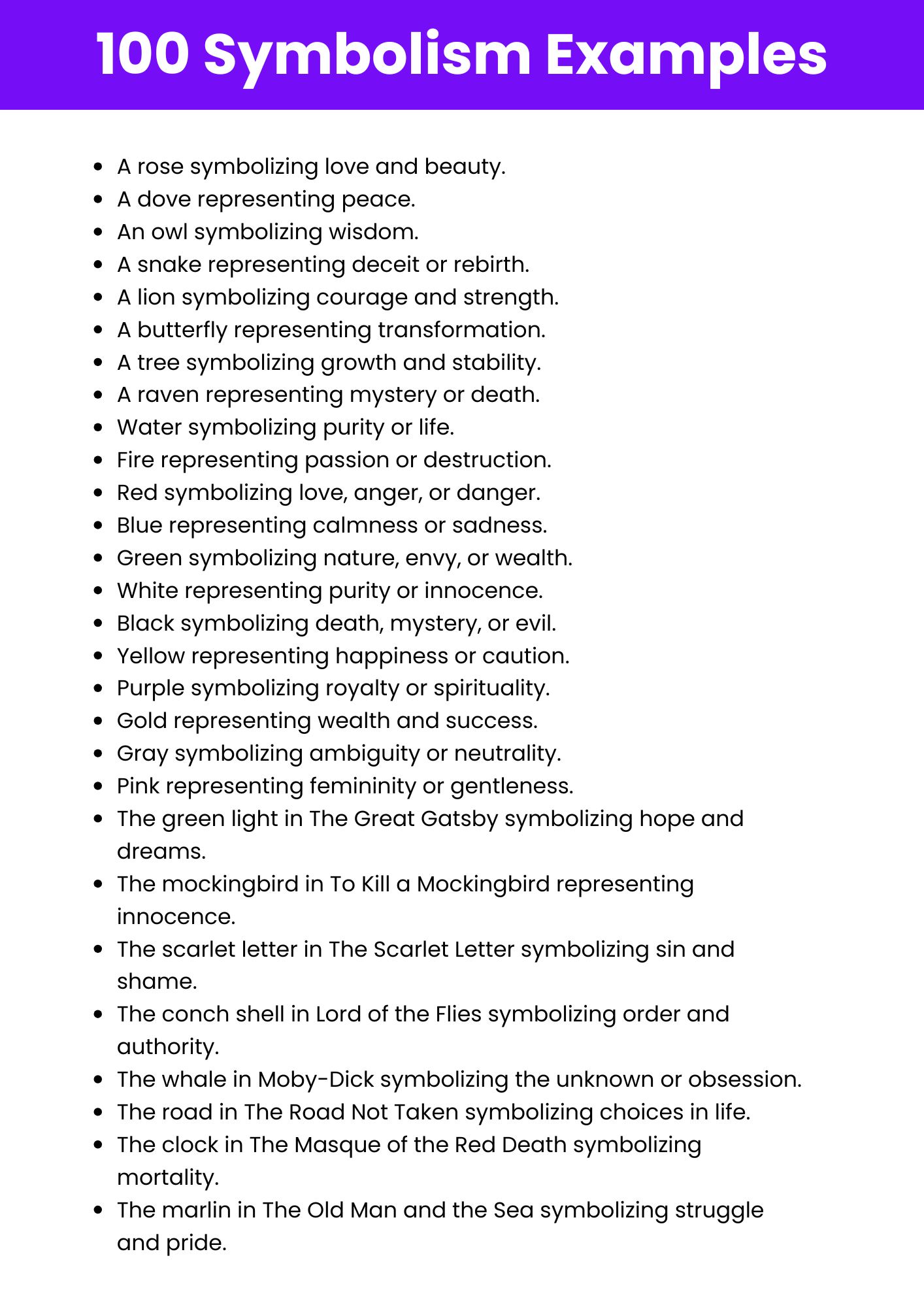
Symbols are not universally understood; their meanings are often deeply embedded in cultural, historical, and social contexts. What symbolizes good luck in one culture might signify misfortune in another. Red, for instance, symbolizes passion and love in Western cultures, but in some Eastern cultures, it represents prosperity and good fortune. White, signifying purity in the West, is associated with mourning in many Asian cultures. Brands expanding globally must meticulously research the symbolic meanings of their visual, linguistic, and experiential elements to avoid misinterpretations, offense, or alienating local audiences. A symbol that resonates powerfully in one market could be meaningless or even detrimental in another.
Evolving Symbols: Adaptation and Reinvention
The meaning of symbols is not static; it evolves with societal shifts, technological advancements, and changing cultural norms. Brands must remain vigilant and adaptable, occasionally reinventing or refreshing their symbols to stay relevant and meaningful. A logo that once symbolized cutting-edge technology might now appear outdated, requiring a modern update to maintain its symbolic representation of innovation. Similarly, slogans or brand narratives that once resonated might become tone-deaf or irrelevant over time, necessitating a shift in messaging. The ability of a brand to evolve its symbolic language while retaining its core identity is a testament to its longevity and strategic foresight.
The Ethical Dimension of Symbolic Representation
Finally, there’s a crucial ethical dimension to symbolic representation in branding. Brands wield immense power through the symbols they create and promote, influencing perceptions of beauty, success, identity, and social values. Misleading symbolism, cultural appropriation, or the reinforcement of harmful stereotypes through brand imagery and messaging can have severe consequences, damaging brand reputation and eroding trust. Ethical branding demands a conscious effort to use symbols responsibly, inclusively, and in a way that genuinely reflects the brand’s stated values, contributing positively to societal discourse rather than perpetuating harmful narratives.
In conclusion, symbolism is not merely an auxiliary component of branding; it is its very essence. From the iconic power of a logo to the nuanced messaging in a tagline, the emotional resonance of color, and the immersive experience of a retail space, every element of a brand is a carefully chosen symbol designed to communicate, connect, and ultimately, create a distinct and enduring identity in the minds of consumers. Mastering the art and science of symbolism is fundamental for any brand aspiring to transcend functionality and forge a truly meaningful relationship with its audience.
aViewFromTheCave is a participant in the Amazon Services LLC Associates Program, an affiliate advertising program designed to provide a means for sites to earn advertising fees by advertising and linking to Amazon.com. Amazon, the Amazon logo, AmazonSupply, and the AmazonSupply logo are trademarks of Amazon.com, Inc. or its affiliates. As an Amazon Associate we earn affiliate commissions from qualifying purchases.