
In the dynamic world of foreign exchange (Forex) trading, where trillions of dollars change hands daily, understanding the fundamental mechanics is paramount for any aspiring or seasoned trader. At the heart of this intricate market lies a crucial concept: the “pip.” Often tossed around in trading circles, a pip might seem like a small, insignificant unit, but it is, in fact, the bedrock upon which all profit, loss, and risk calculations are built. Without a clear grasp of what a pip represents, how it’s calculated, and its profound implications, a trader is essentially navigating turbulent waters without a compass. This article will demystify pips, explaining their significance, their role in trading strategies, and how they contribute to a trader’s overall success or failure.
The Fundamental Unit of Measurement in Forex
At its core, a pip serves as the smallest standardized unit of price movement for a currency pair. This standardization is critical because it allows traders across the globe to speak a common language when discussing price changes, regardless of the specific currency pair or broker they are using. Understanding this fundamental unit is the first step towards comprehending the financial implications of every trade.
Defining a Pip: Point in Percentage
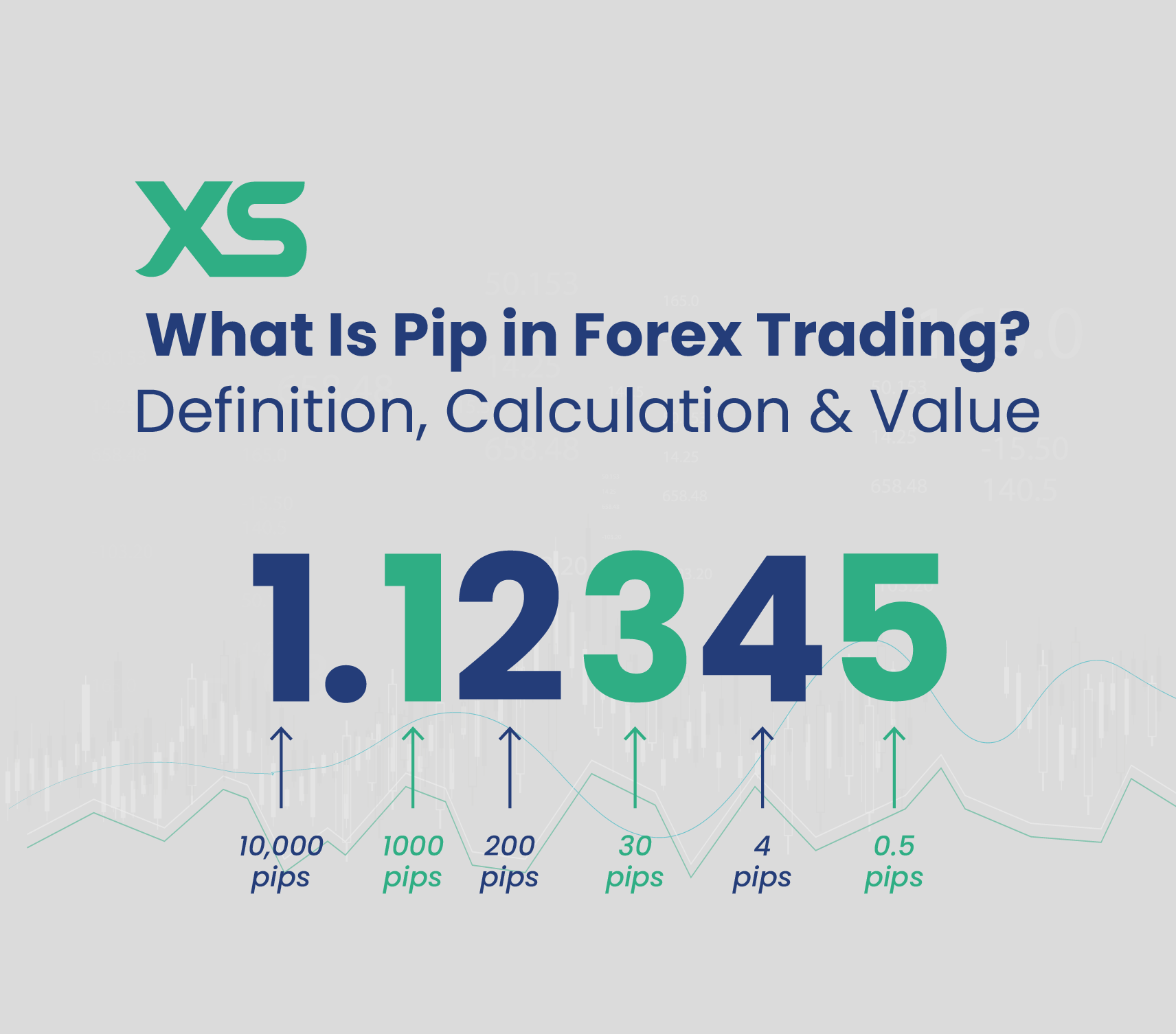
The term “pip” is an acronym, traditionally standing for “Point In Percentage” or “Price Interest Point.” Historically, a pip was the smallest price increment that a currency pair could move. For most currency pairs, a pip is the fourth decimal place (0.0001) in the exchange rate. For example, if the EUR/USD pair moves from 1.1200 to 1.1201, that’s a one-pip increase. This minute change, while appearing negligible, accumulates rapidly and forms the basis of all trading outcomes. It represents the smallest agreed-upon increment by which the value of one currency can be quoted against another. This convention provides clarity and consistency across a market that operates 24/5 globally.
Understanding Pip Values Across Currency Pairs
While the standard for most major currency pairs is the fourth decimal place, the actual monetary value of a pip varies significantly depending on several factors: the currency pair being traded, the size of your trade (lot size), and the current exchange rate. For example, in a standard lot (100,000 units of the base currency), a one-pip movement in EUR/USD typically equates to $10. This calculation is derived from (0.0001 * 100,000 units = $10). However, if you are trading a mini lot (10,000 units), that same one-pip movement would be $1, and for a micro lot (1,000 units), it would be $0.10. The quote currency of the pair also plays a role. If the quote currency is not USD, the pip value in USD would need to be converted using the current exchange rate of that quote currency against the USD. This variability underscores the importance of not just identifying a pip movement but understanding its precise financial impact on your specific trade.
The Special Case of JPY Pairs (and other exceptions)
An important exception to the fourth-decimal-place rule applies to currency pairs involving the Japanese Yen (JPY). Due to the lower value of the JPY relative to other major currencies, a pip for JPY pairs is typically quoted to the second decimal place (0.01). For instance, if the USD/JPY pair moves from 109.50 to 109.51, that represents a one-pip change. In this scenario, for a standard lot, a one-pip movement in USD/JPY would be roughly $8.80 (calculated as (0.01 / 109.50) * 100,000 units). Some exotic currency pairs or certain commodities might also have different pip conventions, often determined by the broker or market standard. Being aware of these exceptions is crucial to accurately calculate potential profits, losses, and manage risk, preventing miscalculations that could lead to unexpected financial outcomes. Always verify the pip convention for the specific instrument you are trading.
Why Pips Matter: Impact on Profit, Loss, and Risk Management
Beyond being a mere unit of measurement, pips are the very currency of a Forex trader’s success or failure. Every strategy, every trade entry and exit, every risk management decision hinges on the potential pip movements and their corresponding monetary value. A deep understanding of pip dynamics is not just theoretical knowledge; it is a practical tool that directly influences your trading account’s bottom line.
Calculating Profit and Loss with Pips
The most direct impact of pips is on your profit and loss (P&L). When you enter a trade, you are essentially betting on the direction a currency pair will move. If the market moves in your favor by a certain number of pips, you gain profit; if it moves against you, you incur a loss. The monetary value of this P&L is determined by the number of pips gained or lost multiplied by the pip value per lot size. For example, if you bought 1 standard lot of EUR/USD and the price moved up by 50 pips, your gross profit would be 50 pips * $10/pip = $500. Conversely, a 50-pip move against you would result in a $500 loss. This straightforward calculation forms the basis of evaluating every trade’s outcome and is indispensable for understanding your performance.
Setting Stop-Loss and Take-Profit Levels
Effective risk management is the cornerstone of sustainable trading, and pips are the essential units used to define risk parameters. Stop-loss orders are pre-set instructions to automatically close a trade when the market moves against your position by a certain number of pips, thereby limiting potential losses. Take-profit orders, on the other hand, are set to close a trade automatically when it reaches a predetermined profit target, also measured in pips. A trader might decide, for instance, to risk 30 pips on a trade while aiming for a 60-pip profit, establishing a 1:2 risk-to-reward ratio. These pip-denominated levels are critical for automating trade management, ensuring discipline, and protecting capital. Without them, emotional decisions often lead to magnified losses.
Determining Position Sizing and Risk Exposure
Perhaps one of the most vital applications of pips is in determining appropriate position sizing, which directly dictates your risk exposure. Professional traders rarely risk more than a small percentage (e.g., 1-2%) of their total trading capital on any single trade. To adhere to this rule, they use pips. For instance, if a trader has a $10,000 account and wants to risk 1% ($100) per trade, and their stop-loss is set at 20 pips, they need to calculate the maximum lot size they can trade. If one standard lot’s 20-pip movement equates to $200, then a standard lot is too large. They would then adjust to a smaller lot size, perhaps a mini lot where 20 pips is $20, allowing them to trade 5 mini lots (5 * $20 = $100 risk) while maintaining their 1% risk threshold. This meticulous calculation, driven by pip values, is crucial for capital preservation and long-term trading viability.
How Pips Influence Trading Strategies
The various styles of Forex trading are fundamentally defined by the number of pips traders aim to capture in each trade and the timeframe over which they seek to achieve these gains. From ultra-short-term scalping to long-term position trading, the concept of pips dictates how strategies are formulated, executed, and measured.
Scalping: Chasing Small Pip Gains

Scalping is an aggressive trading strategy where traders aim to profit from small price changes, typically between 1 to 10 pips per trade. Scalpers execute a high volume of trades throughout the day, often holding positions for only seconds or minutes. They rely on tight spreads, high leverage, and rapid execution to accumulate small profits that, when compounded, can amount to significant returns. For scalpers, every pip counts immensely, and even a single pip movement against their position can be detrimental due to the frequency of their trades and often larger position sizes relative to their account equity. The strategy demands constant vigilance and quick decision-making, with the primary objective being to “scalp” small profits from minor market fluctuations.
Day Trading and Swing Trading: Medium-Term Pip Targets
Day traders typically hold positions for hours, closing all trades before the end of the trading day to avoid overnight risk. Their profit targets range from 20 to 100 pips per trade, depending on market volatility and the specific currency pair. Day traders often utilize technical analysis, looking for intraday trends, breakouts, or reversals to capture these medium-sized pip movements. Swing traders, on the other hand, hold positions for several days to a few weeks, aiming to profit from “swings” in price within a larger trend. Their pip targets are larger, often ranging from 50 to 300+ pips per trade. Both day and swing traders use pips to define their entry and exit points, as well as their risk management parameters, balancing the desire for larger gains with the need to protect capital over longer holding periods compared to scalpers.
Long-Term Trading: Focusing on Larger Pip Movements
Long-term or position traders hold trades for weeks, months, or even years, aiming to capitalize on major economic trends, fundamental shifts, or significant technical patterns. Their pip targets are considerably larger, often in the hundreds or even thousands of pips. For these traders, daily fluctuations of a few pips are largely insignificant, as they focus on the broader market picture. They are less concerned with the minute-by-minute pip movements and more with the overall trajectory of the currency pair over extended periods. While pip calculation remains essential for initial position sizing and risk management, the emphasis shifts from capturing small increments to riding sustained trends for substantial pip gains, with a much wider stop-loss and take-profit range.
Beyond Pips: Understanding Pipettes and Spreads
While pips are the primary unit, the Forex market has evolved, introducing finer granularities and crucial costs that also impact a trader’s effective profit or loss. To gain a comprehensive understanding of price action and trading economics, one must also grasp the concepts of pipettes and spreads.
Pipettes: The Fractional Pip
With advancements in technology and increasing market liquidity, many brokers now offer even more precise pricing, quoting currency pairs to an additional decimal place. This extra digit is known as a “pipette” or “fractional pip.” For most currency pairs, a pipette is the fifth decimal place (0.00001), and for JPY pairs, it’s the third decimal place (0.001). For example, if EUR/USD moves from 1.12000 to 1.12005, that’s a 5-pipette (or 0.5 pip) movement. Pipettes allow for tighter spreads and more precise entry/exit points, which can be particularly beneficial for scalpers and high-frequency traders. While not a full pip, these fractional movements can add up and significantly impact trading costs or profits, especially when dealing with large volumes.
The Role of Spreads in Trading Costs
The spread is the difference between the bid (buy) price and the ask (sell) price of a currency pair, and it is the primary cost associated with executing a Forex trade. This difference is quoted in pips (or pipettes). For instance, if EUR/USD has a bid price of 1.1200 and an ask price of 1.1202, the spread is 2 pips. When you open a buy trade, you instantly start at a loss equal to the spread because you buy at the ask price but would immediately sell at the lower bid price. Conversely, for a sell trade, you sell at the bid price but would immediately buy back at the higher ask price. The spread represents the broker’s commission for facilitating the trade and must be overcome before a trade can become profitable. Narrower spreads are generally more favorable for traders, as they reduce the initial cost of entry and allow trades to reach profitability faster.
Slippage and its Impact on Pip Expectations
Slippage occurs when a trade is executed at a price different from the requested price, typically due to rapid market movements or insufficient liquidity. This often happens during volatile news events or when trading large volumes. If you place a stop-loss order at a specific pip level, but the market gapped past that level or moved too quickly, your trade might be closed at a less favorable price, resulting in a slightly larger loss (or smaller profit) than anticipated in terms of pips. For example, if your stop-loss was at 1.1200 and slippage caused it to execute at 1.1195, you would have lost an additional 5 pips. While not directly a pip calculation, slippage directly impacts the actual number of pips realized for a profit or loss, highlighting the difference between expected pip outcomes and actual pip outcomes. Understanding slippage is crucial for refining risk management strategies and setting realistic expectations.
Mastering Pip Dynamics for Consistent Trading Success
Achieving consistent success in Forex trading is an iterative process that demands not just theoretical understanding but also practical application and continuous refinement. Mastering pip dynamics is a critical component of this journey, transforming a abstract concept into a tangible tool for strategic decision-making and performance evaluation.
Developing an Intuitive Understanding of Pip Value
Beyond merely knowing the definition, successful traders develop an intuitive feel for what a pip means in monetary terms for their chosen currency pairs and lot sizes. This intuition allows for quick, mental calculations of potential profit and loss, risk exposure, and position sizing without having to consult a calculator for every decision. It comes from consistent practice, reviewing trade outcomes, and actively relating pip movements to account balance changes. When a trader can quickly assess that a 20-pip stop loss on a particular trade represents $200 of their capital, they are better equipped to make sound, risk-conscious decisions under pressure. This intuitive grasp is a hallmark of experienced traders, enabling them to react efficiently to market conditions.
Practice and Simulation: Refining Your Pip Calculations
The best way to solidify your understanding of pips and their financial implications is through hands-on practice. Demo accounts offered by most Forex brokers provide a risk-free environment to simulate live trading conditions. Traders can experiment with different currency pairs, lot sizes, and trading strategies, observing how pip movements translate into virtual profits and losses. This allows for the refinement of pip-based calculations for stop-loss, take-profit, and position sizing without risking real capital. Backtesting strategies on historical data, where traders apply their rules to past market movements and calculate pip outcomes, is another invaluable method. These simulated experiences build confidence and proficiency, ensuring that when real money is on the line, pip calculations are second nature.

Leveraging Analytical Tools for Pip Analysis
Modern trading platforms and third-party analytical tools offer sophisticated features that can significantly enhance a trader’s ability to analyze and manage pips. These tools can automatically calculate pip values for various lot sizes and currency pairs, display spreads clearly, and even provide customizable risk management calculators. Indicators that measure average daily range in pips, or tools that project potential stop-loss/take-profit levels based on average volatility, can aid in strategy development. Leveraging these technologies allows traders to focus more on market analysis and decision-making, rather than getting bogged down in manual calculations. Effective use of these tools, combined with a solid theoretical foundation, empowers traders to make more informed, data-driven decisions that respect the crucial role of pips in every aspect of Forex trading.
In conclusion, pips are far more than just small decimal points in a currency quote; they are the lifeblood of Forex trading. They quantify every gain, every loss, and every strategic decision. From managing risk and determining position size to setting profit targets and understanding trading costs, pips permeate every layer of the trading process. A comprehensive understanding and intuitive mastery of pips are indispensable for navigating the complexities of the Forex market successfully and consistently. By embracing this fundamental concept, traders can move beyond mere speculation to engage in calculated, disciplined, and potentially profitable financial endeavors.
aViewFromTheCave is a participant in the Amazon Services LLC Associates Program, an affiliate advertising program designed to provide a means for sites to earn advertising fees by advertising and linking to Amazon.com. Amazon, the Amazon logo, AmazonSupply, and the AmazonSupply logo are trademarks of Amazon.com, Inc. or its affiliates. As an Amazon Associate we earn affiliate commissions from qualifying purchases.