
Korean rice cakes, known universally by their Korean name, tteok (떡), are far more than just a culinary staple; they represent a powerful case study in cultural branding. Their journey from ancient ritual food to a global gastronomic phenomenon illustrates how tradition, storytelling, and strategic exposure can forge an indelible brand identity. In a world increasingly interconnected, tteok stands as an emblem of Korean heritage, a delicious touchpoint for cultural exchange, and a testament to the enduring power of food as a brand ambassador. Understanding “what are Korean rice cakes” thus transcends a simple ingredient list; it requires an exploration of their deeply embedded cultural significance, their evolving market presence, and the nuanced strategies that have cemented their place on the global culinary stage.
The Intrinsic Brand of Tteok: Tradition as a Foundation
At its core, the brand identity of Korean rice cakes is built upon centuries of tradition. Long before modern marketing existed, tteok had already established itself through consistent usage, symbolic representation, and a deep integration into the fabric of Korean life. This foundational brand equity is what gives tteok its authentic appeal and distinct character. It’s a brand inherited, not designed, yet meticulously preserved and strategically leveraged in contemporary times.
A Culinary Canvas: The Diversity of Tteok
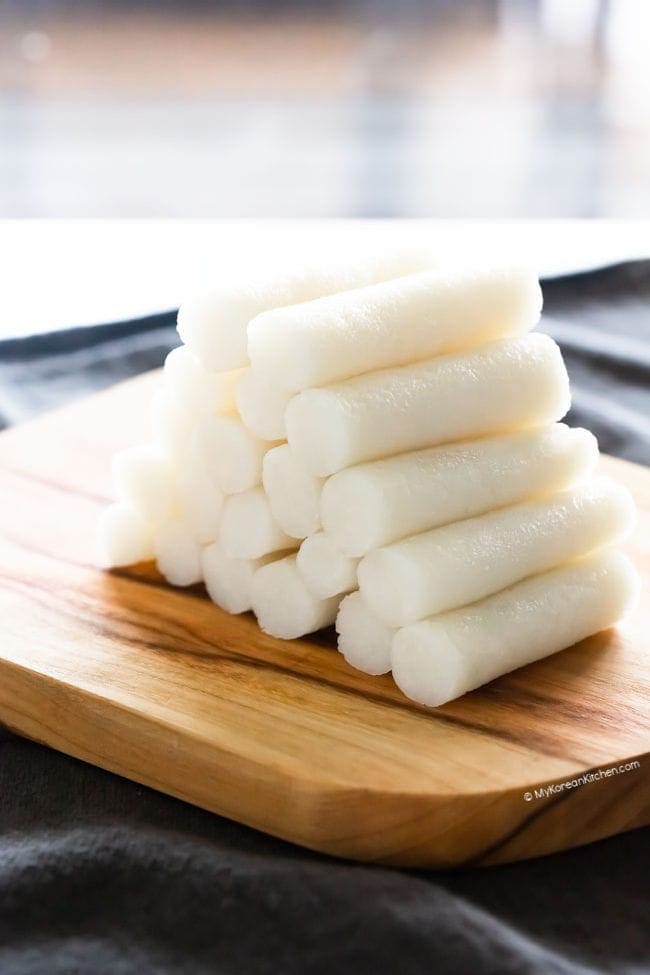
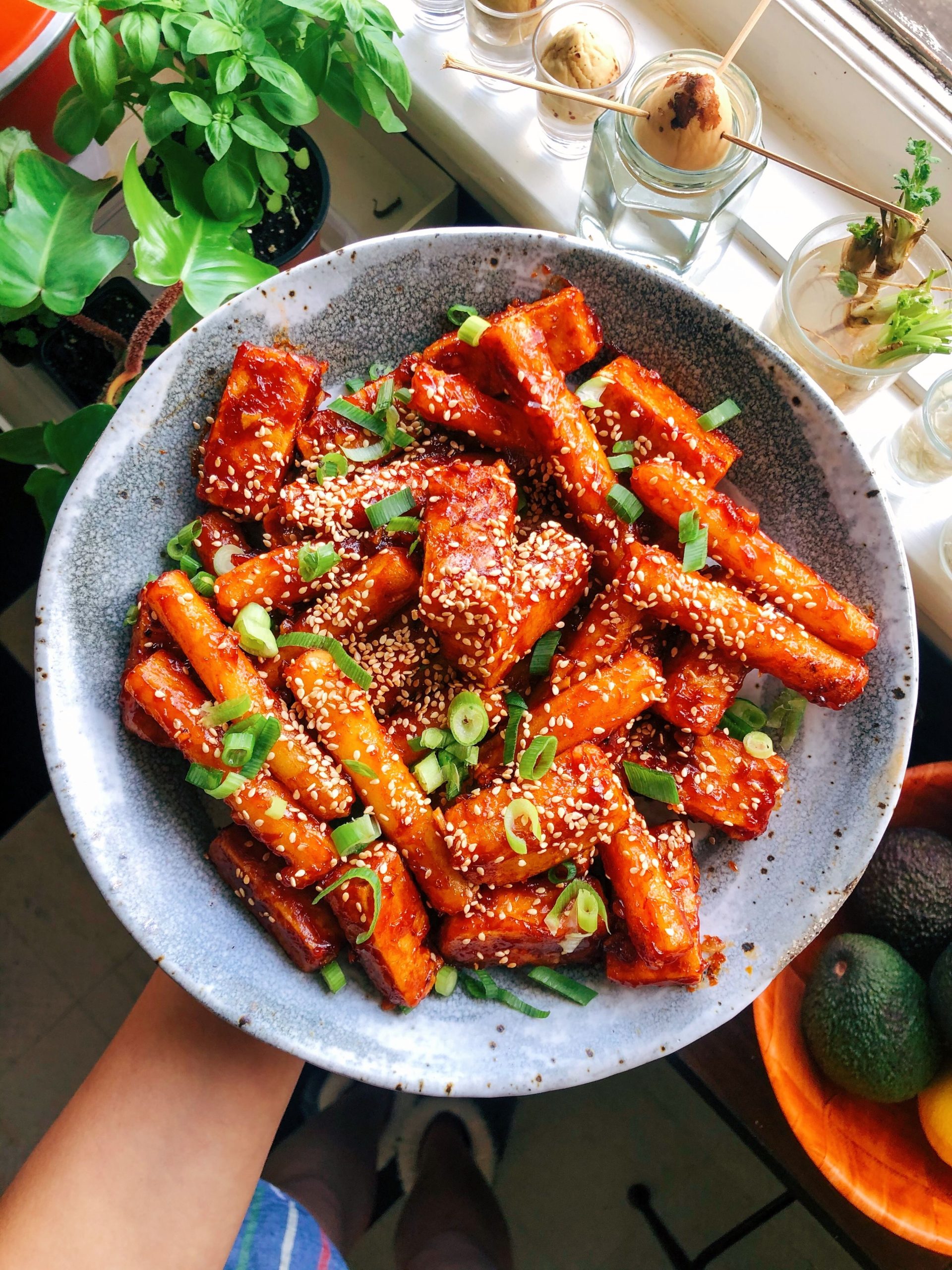
To speak of “Korean rice cakes” as a singular entity would be to miss the profound diversity that defines this category. The inherent brand power of tteok lies in its myriad forms, each with its own specific history, texture, and flavor profile, contributing to a rich, multifaceted brand persona. From the chewy, cylindrical garae-tteok used in savory stir-fries like tteokbokki, to the intricately shaped, flower-patterned hwajeon (flower pancakes) or the sweet, often bean-paste-filled chapssal-tteok (glutinous rice cakes), the variations are extensive. Each type of tteok occupies its own niche within the broader tteok brand family, offering distinct sensory experiences and catering to different occasions. This diverse product portfolio strengthens the overall brand, demonstrating versatility and depth. The ability to adapt tteok into various dishes—be it a sweet dessert, a hearty soup, or a spicy snack—highlights its adaptability, a key characteristic for any product seeking global recognition. This inherent versatility allows for broad market appeal, ensuring that there is a tteok product for almost every palate and purpose, thereby enhancing its brand reach and resonance.
Symbolic Resonance: Tteok in Korean Culture
Beyond their physical forms, Korean rice cakes carry profound symbolic weight, which acts as a powerful, unspoken branding tool. For generations, tteok has been inextricably linked to significant life events and cultural rituals. It is offered during ancestral rites (jesa), shared during festive holidays like Seollal (Lunar New Year) in the form of tteokguk (rice cake soup) to signify growth and good fortune, and exchanged during Chuseok (Korean Thanksgiving) as a symbol of abundance and gratitude. Wedding ceremonies feature elaborate rice cake towers, and new babies are welcomed with colorful rice cakes symbolizing longevity and happiness. This deep cultural embedding imbues tteok with an emotional connection, transforming it from mere food into a carrier of memory, hope, and community spirit. This emotional branding is invaluable; it provides tteok with a narrative depth that resonates deeply with Koreans and offers an intriguing story for global consumers. When someone experiences tteok, they are not just tasting a food item; they are partaking in a piece of Korean history and culture, an experience far richer than a simple transaction. This cultural branding ensures loyalty and distinction that no advertising campaign alone could achieve.
Marketing Through Hallyu: Riding the Korean Wave
The rise of tteok on the international stage is undeniably linked to the global phenomenon of Hallyu, or the Korean Wave. This powerful cultural export, encompassing K-Pop, K-Dramas, and Korean cinema, has provided an unprecedented platform for Korean cuisine, effectively acting as an organic, large-scale marketing campaign. Tteok has been a direct beneficiary, finding its way into the homes and hearts of millions through engaging narratives and aspirational portrayals.
From K-Drama Screens to Global Palates
K-Dramas, in particular, have played a pivotal role in showcasing Korean rice cakes to a global audience. Viewers around the world have witnessed beloved characters sharing bowls of spicy tteokbokki in cozy street stalls, a scene that evokes warmth, camaraderie, and culinary adventure. The depiction of families preparing tteokguk during holidays, or friends bonding over various tteok snacks, normalizes and romanticizes these foods. This subtle yet pervasive product placement creates a powerful desire among viewers to try these dishes for themselves. It’s a form of soft power branding: the emotional connection viewers form with the characters and storylines naturally extends to the food they consume. This visual storytelling provides context and appeal that goes beyond taste, inviting consumers to experience a slice of Korean lifestyle. The familiarity generated through repeated exposure in popular media reduces the perceived risk for new consumers, making them more likely to seek out and try these unique food items. This indirect marketing has been exceptionally effective in transitioning tteok from an unknown foreign dish to a recognizable and desirable delicacy.
Digital Storytelling and Influencer Engagement
Beyond traditional media, the digital landscape has amplified tteok‘s global reach. Food bloggers, YouTubers, and social media influencers—many drawn to Korean culture through Hallyu—have become unofficial brand ambassadors. Their authentic reviews, cooking tutorials, and mukbangs (eating shows) featuring various tteok dishes generate excitement and educate potential consumers. Recipes for tteokbokki, tteokguk, and other rice cake dishes have gone viral, encouraging home cooks to experiment and share their creations. Hashtags like #tteokbokki and #koreanricecake accumulate millions of posts, creating a self-sustaining ecosystem of content and engagement. This user-generated content acts as highly credible testimonials, fostering a sense of community around Korean food. Furthermore, the visual appeal of tteok—especially colorful variations or bubbling tteokbokki pots—makes it ideal for platforms like Instagram and TikTok, driving curiosity and cravings. Brands have also effectively leveraged this trend, collaborating with influencers to promote specific products or new tteok variations, seamlessly integrating commercial messaging within engaging content. This digital marketing strategy capitalizes on the aspirational and communal aspects of Korean food culture, expanding the tteok brand organically and globally.
Crafting the Consumer Experience: Street Food to Gourmet
The brand journey of Korean rice cakes is also characterized by its impressive ability to transcend different culinary settings. From humble street food vendors to high-end restaurants and packaged retail products, tteok adapts its brand presentation to suit diverse consumer expectations and occasions. This versatility in experience delivery reinforces its broad appeal and strengthens its market position.

Authenticity and Adaptation: Balancing Tradition with Trend
A critical aspect of tteok‘s branding success is the delicate balance between maintaining authenticity and embracing adaptation. Street food vendors in Korea, with their bustling energy and time-honored recipes, offer an authentic brand experience deeply rooted in tradition. The sensory experience—the smell of simmering gochujang, the sight of freshly made tteok, the sound of lively chatter—is a significant part of their brand. However, as tteok ventures into international markets, adaptation becomes key. Chefs and food innovators are developing fusion dishes, incorporating tteok into non-Korean cuisines, or adjusting spice levels and ingredient combinations to suit local palates. For example, milder versions of tteokbokki or tteok skewers with different sauces cater to a broader audience without losing the core identity of the rice cake itself. This careful adaptation ensures that the tteok brand remains relevant and accessible to new consumers while still honoring its heritage. It demonstrates a sophisticated brand strategy that understands global consumer needs without diluting its core value proposition.
Packaging, Presentation, and Perceived Value
As tteok moves beyond street stalls and into supermarkets and gourmet establishments, packaging and presentation become crucial elements of its brand strategy. In retail, branded packaging for pre-made tteokbokki kits or individual tteok portions emphasizes convenience, quality, and sometimes, a premium feel. Modern designs often incorporate traditional Korean motifs with sleek, contemporary aesthetics, communicating both heritage and innovation. Restaurants, on the other hand, focus on plating and ambiance to elevate the dining experience. A beautifully arranged dish of tteok can transform a simple snack into a culinary art form, enhancing its perceived value. Brands investing in high-quality packaging and thoughtful presentation communicate care, attention to detail, and a commitment to the consumer experience. This strategic approach to visual branding helps position tteok not just as a commodity, but as a desirable, quality product. It also allows for differentiation in a competitive market, enabling brands to command higher price points and establish a distinct identity within the broader tteok category.
Brand Expansion and Market Penetration Strategies
The global growth of the Korean rice cake market is a testament to effective brand expansion and market penetration strategies. These strategies involve understanding diverse consumer landscapes, forging strategic alliances, and leveraging the broader appeal of Korean culture. The goal is to make tteok not just known, but widely available and culturally integrated into new territories.
Navigating International Palates and Dietary Needs
Expanding the tteok brand globally requires careful consideration of international palates and dietary needs. This goes beyond simply adjusting spice levels; it involves deep market research into flavor preferences, ingredient availability, and cultural sensitivities. For instance, some markets might prefer sweeter tteok varieties, while others may gravitate towards savory or chewy textures. Addressing common allergens or dietary restrictions (e.g., gluten-free options, though rice is naturally gluten-free, cross-contamination concerns) can open new market segments. Companies have developed instant or frozen tteok products that simplify preparation for busy consumers unfamiliar with traditional cooking methods, making the brand more accessible. Furthermore, introducing tteok in contexts familiar to new consumers, such as a side dish to BBQ or as an ingredient in a fusion stir-fry, can lower the barrier to trial. These localized strategies demonstrate a brand’s adaptability and commitment to serving diverse customer bases, fostering greater acceptance and loyalty in new markets.
Collaborative Branding and Food Tourism
Collaborative branding and food tourism are potent tools for tteok market penetration. Partnerships between Korean tteok producers and international food distributors, restaurant chains, or even non-food brands (e.g., K-Pop groups launching tteok snacks) can significantly boost visibility and distribution. These collaborations leverage existing brand equity and distribution networks, rapidly expanding tteok‘s footprint. Food tourism, on the other hand, encourages direct consumer engagement. Culinary tours to Korea, where participants learn to make tteok or sample a wide variety, create immersive brand experiences that foster deep appreciation and loyalty. These experiences often lead to word-of-mouth marketing and social media sharing, extending the brand’s reach organically. Events like Korean food festivals held in major cities worldwide also serve as crucial touchpoints, allowing potential consumers to sample tteok in a festive, culturally rich environment. By embracing these collaborative and experiential strategies, the tteok brand effectively bridges cultural divides and establishes a strong presence in new markets.
The Future of the Korean Rice Cake Brand
The journey of the Korean rice cake brand is ongoing, continually evolving to meet new consumer demands and market challenges. The future will likely see continued innovation in product development and further refinement of strategies to sustain its cultural legacy in an increasingly globalized and competitive food landscape.
Innovation in Product Development and Flavors
Innovation will be key to the sustained growth of the tteok brand. This includes not only new flavors and fillings but also novel applications and convenience formats. Expect to see more health-conscious tteok options, such as those made with different grains (e.g., brown rice, quinoa) or fortified with nutrients, catering to wellness trends. The development of snack-sized, ready-to-eat tteok products, appealing to on-the-go consumers, will also likely proliferate. Furthermore, creative culinary fusions—tteok incorporated into pizzas, pastas, or even desserts with non-traditional toppings—will push boundaries and attract new demographics. The use of advanced food technology to improve shelf life, texture, and nutritional value without compromising taste will also play a significant role. These innovations will ensure that the tteok brand remains dynamic, exciting, and relevant to a broader spectrum of global consumers, moving beyond its traditional image while retaining its core identity.
Sustaining Cultural Legacy in a Globalized Market
As the tteok brand continues its global expansion, a crucial challenge will be to sustain its authentic cultural legacy amidst commercialization and adaptation. Brands must navigate the fine line between global appeal and cultural dilution. This involves consistent storytelling that highlights the history and significance of tteok, educating consumers about its diverse forms and traditional uses. Certification programs or geographic indicators could also be explored to protect the authenticity of specific tteok types. Furthermore, investing in cultural exchange programs, educational content, and partnerships with cultural institutions can reinforce the brand’s roots. By prioritizing cultural preservation alongside market expansion, the tteok brand can ensure that its global success is not just commercial, but also a celebration of Korean heritage. The long-term strength of the Korean rice cake brand lies not just in its delicious taste, but in its ability to consistently communicate its rich story and unique cultural value to a worldwide audience, securing its place as a truly global, yet authentically Korean, culinary icon.
aViewFromTheCave is a participant in the Amazon Services LLC Associates Program, an affiliate advertising program designed to provide a means for sites to earn advertising fees by advertising and linking to Amazon.com. Amazon, the Amazon logo, AmazonSupply, and the AmazonSupply logo are trademarks of Amazon.com, Inc. or its affiliates. As an Amazon Associate we earn affiliate commissions from qualifying purchases.