
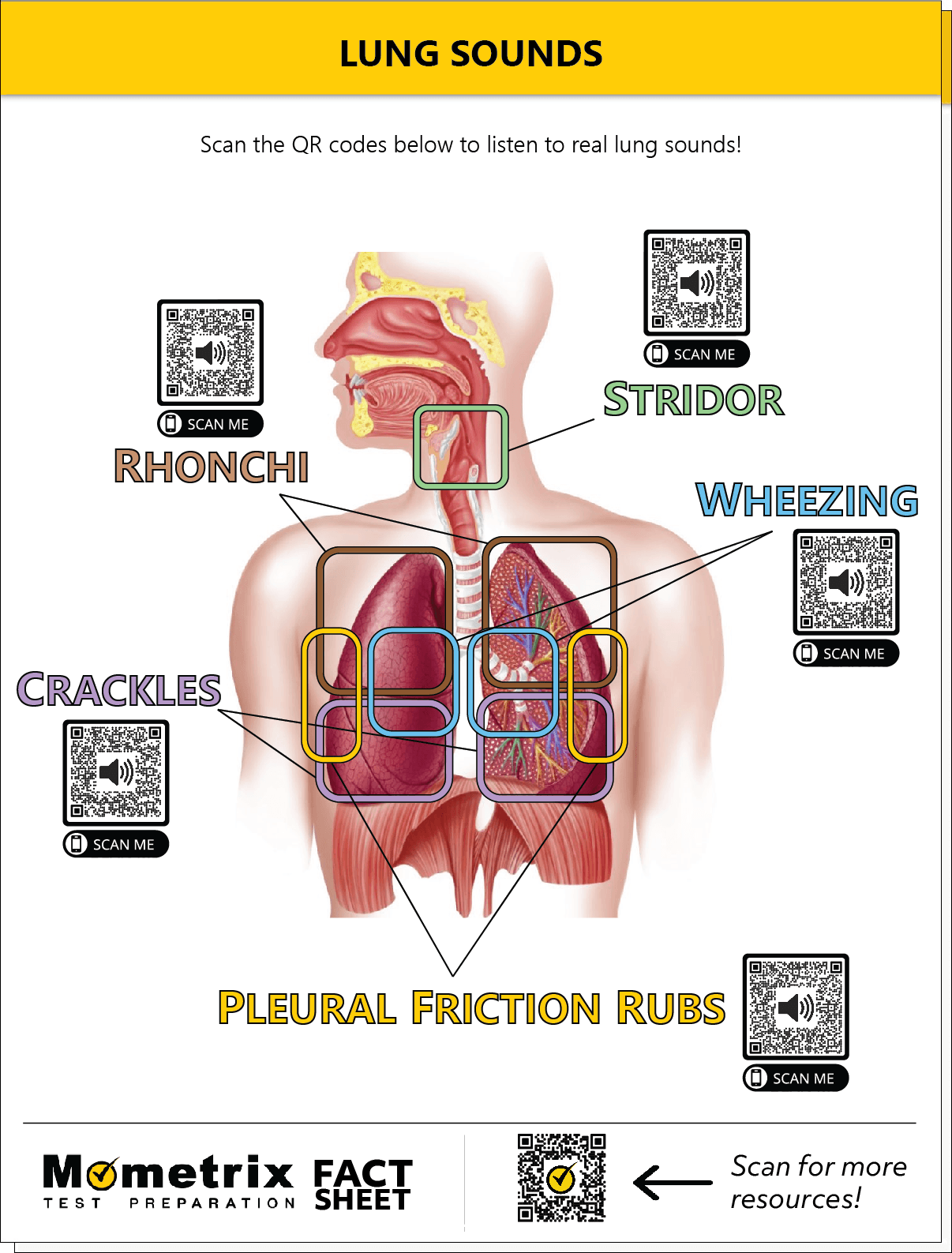
The human body is a symphony of sounds, and none are perhaps as critical to diagnostic medicine as those emanating from the lungs. Among these, “crackles” – discrete, non-musical, explosive sounds – often signal underlying respiratory conditions. For centuries, the primary tool for discerning these subtle acoustic cues was the human ear, aided by the humble stethoscope. However, in the 21st century, understanding “what are crackles in the lungs” has transcended basic auditory perception, evolving into a sophisticated domain powered by cutting-edge technology. From advanced digital stethoscopes to artificial intelligence-driven diagnostic platforms and innovative wearable sensors, technology is revolutionizing how these crucial sounds are detected, analyzed, and integrated into patient care. This transformation is not just improving diagnostic accuracy but also expanding accessibility and enabling proactive health management, charting a new course for respiratory medicine within the digital age.

The Evolution of Auscultation: From Acoustic to Augmented Diagnostics
The act of listening to body sounds, or auscultation, is a cornerstone of medical examination. For hundreds of years, the technology supporting this critical process remained largely unchanged. However, the advent of digital tools has propelled auscultation into an era of unprecedented precision and utility.
Acoustic Stethoscopes: The Enduring Legacy
The traditional acoustic stethoscope, a device refined by René Laennec in the early 19th century, remains an iconic symbol of medicine. Its genius lies in its simplicity: a chest piece collects sound vibrations, which are then amplified and transmitted through tubes to the listener’s ears. For detecting crackles, the skill and experience of the clinician are paramount. Identifying the characteristic short, popping, or crackling sounds, often compared to the sound of hair rubbing together or Velcro opening, requires a keen ear and extensive training. However, the inherent limitations of acoustic stethoscopes – subjective interpretation, susceptibility to ambient noise, and the inability to record or share findings – have paved the way for technological advancements. While foundational, the acoustic stethoscope provides no digital record, no objective measure, and no means for computer-aided analysis, creating a significant hurdle for standardization and remote consultation.
Digital Stethoscopes: Amplifying Precision and Data Capture
The digital stethoscope represents a significant leap forward, transforming an analog instrument into a sophisticated data capture device. These devices convert acoustic sound waves into electronic signals, which can then be amplified, filtered, and processed. This digital conversion offers several profound advantages in the context of identifying and analyzing crackles. Firstly, they provide superior amplification, allowing clinicians to hear faint sounds that might be missed with an acoustic model, especially in noisy clinical environments. Secondly, digital stethoscopes often incorporate noise-reduction technology, further enhancing the clarity of delicate lung sounds. Most importantly, they facilitate the recording and visualization of auscultation data. These sound files can be stored, replayed, shared with colleagues for second opinions, or integrated directly into electronic health records (EHRs). Visual representations, such as phonograms (sound spectrographs), can provide a detailed graphical display of crackle characteristics, including their frequency, intensity, and duration, moving beyond subjective descriptions to objective, measurable parameters. This data capability is crucial for tracking disease progression, evaluating treatment efficacy, and for training future generations of clinicians.
Telemedicine and Remote Auscultation: Bridging Distances with Sound
The digital stethoscope is a pivotal tool in the expansion of telemedicine. In an era where healthcare access is increasingly global and remote, the ability to conduct auscultation without physical proximity is revolutionary. Paired with secure communication platforms, digital stethoscopes allow patients in rural areas or those with mobility issues to have their lung sounds assessed by specialists hundreds or thousands of miles away. The recorded data can be transmitted in real-time or asynchronously, enabling remote diagnoses, monitoring of chronic conditions, and post-discharge follow-ups. This not only improves patient convenience and access to specialized care but also reduces the burden on healthcare infrastructure, making it a critical component in emergency response and global health initiatives. The data integrity and security of these transmissions are paramount, relying on robust encryption and compliance with healthcare data protection regulations.
AI and Machine Learning: Interpreting the Language of Lung Sounds
The sheer volume and complexity of respiratory sounds make them an ideal candidate for analysis by artificial intelligence and machine learning. These advanced computational techniques are taking the raw data from digital stethoscopes and transforming it into actionable diagnostic insights, far surpassing the capabilities of the human ear alone.
Automated Crackle Detection and Classification
Machine learning algorithms can be trained on vast datasets of recorded lung sounds, including those confirmed to contain crackles associated with various pathologies. Through this training, AI models learn to identify the distinct acoustic signatures of crackles, differentiating them from normal breathing sounds, other adventitious sounds (like wheezes), and ambient noise. This automation provides objective and consistent detection, reducing inter-observer variability that often plagues human auscultation. Furthermore, AI can classify crackles based on their characteristics (e.g., fine vs. coarse, early vs. late inspiratory), which are clinically relevant indicators of specific lung conditions such as pneumonia, heart failure, or interstitial lung disease. The accuracy of these algorithms is continuously improving, offering clinicians a powerful adjunct to their diagnostic process.
Deep Learning for Pattern Recognition and Predictive Insights
Deep learning, a subset of machine learning that uses multi-layered neural networks, is particularly adept at recognizing complex patterns in unstructured data like audio signals. For lung sounds, deep learning models can identify subtle patterns in crackle characteristics that might be imperceptible to humans, potentially leading to earlier or more precise diagnoses. Beyond simple detection, these models can correlate specific crackle patterns with patient demographics, medical history, and imaging results to build predictive models. For example, a deep learning algorithm might predict the likelihood of a patient developing acute respiratory distress syndrome (ARDS) based on changes in their lung sounds, offering an opportunity for proactive intervention. This level of sophisticated pattern recognition promises to transform how crackles contribute to diagnostic pathways and disease management strategies.
Clinical Decision Support Systems (CDSS) for Respiratory Health

The integration of AI-driven lung sound analysis into Clinical Decision Support Systems (CDSS) represents a significant advancement. These systems leverage AI’s analytical power to provide clinicians with real-time, evidence-based recommendations. When a digital stethoscope captures lung sounds, the CDSS can immediately analyze for crackles, flag potential abnormalities, suggest differential diagnoses, and even recommend further diagnostic tests or treatment protocols based on established guidelines and the patient’s comprehensive medical record. This augments the clinician’s expertise, particularly beneficial for less experienced practitioners or in emergency settings where rapid, accurate decisions are critical. The goal is not to replace human judgment but to enhance it, ensuring a more consistent, accurate, and efficient diagnostic process for conditions where crackles are a key indicator.
Wearable Technology and Remote Monitoring of Lung Health
The era of passive patient engagement is giving way to active, continuous monitoring, driven by the proliferation of wearable technology. This shift is particularly impactful for managing chronic respiratory conditions and for early detection of acute exacerbations, leveraging technology to understand “what are crackles in the lungs” in a dynamic, real-world context.
Smart Patches and Biosensors for Continuous Monitoring
Beyond handheld digital stethoscopes, miniaturized biosensors and smart patches are emerging as game-changers. These unobtrusive devices can be worn on the chest for extended periods, continuously capturing lung sounds and other vital physiological data. Equipped with micro-electromechanical systems (MEMS) microphones and advanced signal processing capabilities, these patches can detect the presence of crackles as they occur throughout the day and night. For patients with chronic obstructive pulmonary disease (COPD), asthma, or heart failure, continuous monitoring offers an unprecedented level of insight into their respiratory status. It can detect subtle changes, such as an increase in crackle frequency or intensity, that might precede an acute exacerbation, allowing for timely intervention and preventing hospitalizations.
Personalized Health Insights and Early Warning Systems
The data collected by wearable lung sound monitors, when combined with AI analysis, empowers patients and clinicians with personalized health insights. Instead of episodic checks, continuous data streams paint a comprehensive picture of lung health trends. AI algorithms can establish a baseline for each individual and then flag deviations, acting as an early warning system. For example, if a patient’s crackle pattern deviates significantly from their norm, an alert can be sent to both the patient and their healthcare provider. This proactive approach can lead to earlier diagnosis of emerging issues like pneumonia, worsening heart failure, or the onset of respiratory infections, facilitating prompt medical attention and potentially averting serious health crises.
Data Privacy and Security in Remote Monitoring
The collection and transmission of continuous, highly sensitive health data from wearable devices raise critical concerns regarding data privacy and security. Robust encryption protocols, secure cloud storage solutions, and strict adherence to regulations like HIPAA (Health Insurance Portability and Accountability Act) and GDPR (General Data Protection Regulation) are paramount. Patients need assurance that their intimate health data is protected from unauthorized access, breaches, and misuse. Furthermore, ethical considerations around data ownership and the responsible use of aggregated health data for research must be carefully addressed to maintain public trust and facilitate the widespread adoption of these transformative technologies.
Data Analytics and Future Frontiers in Respiratory Technology
The digital transformation of lung sound analysis extends beyond individual patient care, encompassing broader data analytics, predictive modeling, and the continuous evolution of diagnostic tools. This holistic approach promises to redefine our understanding and management of respiratory diseases.
Population Health Insights and Research Acceleration
Aggregated and anonymized data from millions of digital auscultation records and wearable devices can provide invaluable insights into population health trends. By analyzing vast datasets, researchers can identify correlations between specific crackle patterns, environmental factors, geographical locations, and disease prevalence. This macroscopic view can help public health officials predict disease outbreaks, allocate resources more effectively, and develop targeted prevention strategies. Furthermore, this wealth of data accelerates medical research by providing a rich, real-world evidence base for understanding disease pathophysiology, testing new diagnostic markers, and evaluating the effectiveness of novel therapies, potentially speeding up drug discovery and clinical trials.
Miniaturization and Non-Invasive Technologies
The future of respiratory diagnostics will undoubtedly see continued miniaturization of devices, making them even more discreet, comfortable, and integrated into daily life. Imagine smart clothing with embedded biosensors that continuously monitor lung sounds without requiring any conscious effort from the wearer. Additionally, research is exploring entirely non-invasive techniques, perhaps utilizing advanced imaging or acoustic methods that don’t even require direct contact with the body but can still detect the subtle vibrations associated with crackles. These advancements aim to make lung health monitoring as seamless and ubiquitous as activity tracking, democratizing access to crucial diagnostic information.
Challenges of Integration and Interoperability
Despite the immense promise, integrating these advanced respiratory technologies into the existing healthcare ecosystem presents significant challenges. Seamless interoperability between different devices, software platforms, electronic health records, and clinical workflows is essential. Data fragmentation and proprietary systems can hinder the full potential of these innovations. Developing standardized data formats, open APIs, and collaborative frameworks will be crucial to ensure that these cutting-edge tools can communicate effectively, share information securely, and truly enhance rather than complicate healthcare delivery. Addressing these integration hurdles is key to unlocking the full transformative power of technology in understanding and managing “what are crackles in the lungs.”
In conclusion, the simple question “what are crackles in the lungs” has evolved from a purely medical inquiry to a complex technological challenge and opportunity. The journey from acoustic stethoscopes to AI-powered diagnostics and ubiquitous wearables showcases the profound impact of technology on healthcare. These innovations are not just making diagnoses more accurate and accessible but are also empowering patients, informing public health, and accelerating medical research, charting a vibrant and dynamic future for respiratory medicine in the digital age.
aViewFromTheCave is a participant in the Amazon Services LLC Associates Program, an affiliate advertising program designed to provide a means for sites to earn advertising fees by advertising and linking to Amazon.com. Amazon, the Amazon logo, AmazonSupply, and the AmazonSupply logo are trademarks of Amazon.com, Inc. or its affiliates. As an Amazon Associate we earn affiliate commissions from qualifying purchases.