
The relationship between antidepressants and weight change has long been a significant concern for individuals seeking mental health treatment. While weight gain is a frequently reported side effect of some antidepressant medications, the landscape of psychopharmacology is complex and evolving. It’s crucial to understand that not all antidepressants carry the same risk, and for many, the potential for significant weight gain is minimal or absent. This article will delve into the nuances of antidepressant-induced weight changes, focusing on medications that are generally considered weight-neutral or even associated with weight loss, thereby demystifying a common apprehension and empowering informed decision-making in mental healthcare.
Understanding the Mechanisms of Antidepressant-Induced Weight Change
The impact of antidepressants on body weight is not a monolithic phenomenon. It stems from a variety of mechanisms, primarily involving interactions with neurotransmitters that regulate appetite, metabolism, and mood. While some drugs increase appetite or slow metabolism, others have a different pharmacological profile that mitigates these effects.
Neurotransmitter Pathways and Appetite Regulation
The primary neurotransmitters implicated in mood regulation – serotonin, norepinephrine, and dopamine – also play vital roles in controlling appetite and satiety signals. Antidepressants, by modulating the activity of these neurotransmitters, can inadvertently influence hunger cues and energy expenditure.
- Serotonin’s Dual Role: Serotonin is a complex neurotransmitter. While increased serotonin can lead to feelings of well-being and calm, it can also impact satiety. Some studies suggest that certain serotonergic antidepressants might increase appetite by affecting hypothalamic pathways that control hunger. Conversely, other serotonergic agents, particularly those with a specific receptor affinity, may not induce this effect or, in rarer cases, could even contribute to appetite suppression.
- Norepinephrine and Dopamine: Norepinephrine and dopamine are often associated with alertness and energy levels. Medications that primarily target these neurotransmitters, such as some norepinephrine-dopamine reuptake inhibitors (NDRIs), are less commonly associated with significant weight gain and, in some instances, have been linked to appetite suppression and modest weight loss. This is often attributed to their stimulating effects, which can increase metabolism and reduce cravings.
- Histamine Receptor Blockade: Another common mechanism, particularly among older classes of antidepressants like tricyclic antidepressants (TCAs), involves blocking histamine receptors. This blockade can lead to increased appetite and sedation, contributing to weight gain. Newer generations of antidepressants have often been designed to minimize this specific receptor interaction.
Individual Variability and Contributing Factors
It’s vital to acknowledge that the response to any medication, including antidepressants, is highly individualized. Several factors beyond the drug’s inherent properties can influence weight change:
- Baseline Metabolic Rate: An individual’s natural metabolic rate plays a significant role. Someone with a naturally faster metabolism might be less prone to weight gain, even on a medication that has a tendency to increase appetite.
- Dietary Habits and Lifestyle: The most crucial factor often remains lifestyle. Without conscious effort to maintain a healthy diet and engage in regular physical activity, even weight-neutral antidepressants could see a person gain weight due to other life stressors or habits. Conversely, a proactive approach to diet and exercise can often counteract potential weight gain from certain medications.
- Duration of Treatment: The impact on weight can also change over the course of treatment. Initial weight fluctuations might occur as the body adjusts to the medication, and these can stabilize over time.
- Underlying Depression Symptoms: Paradoxically, the severity of depression itself can impact weight. Some individuals with depression experience significant appetite loss and weight reduction, while others may experience increased appetite and weight gain. As the depression lifts with treatment, their appetite and weight may normalize to a healthier baseline, which could be misinterpreted as medication-induced weight gain.
Antidepressant Classes With a Lower Propensity for Weight Gain
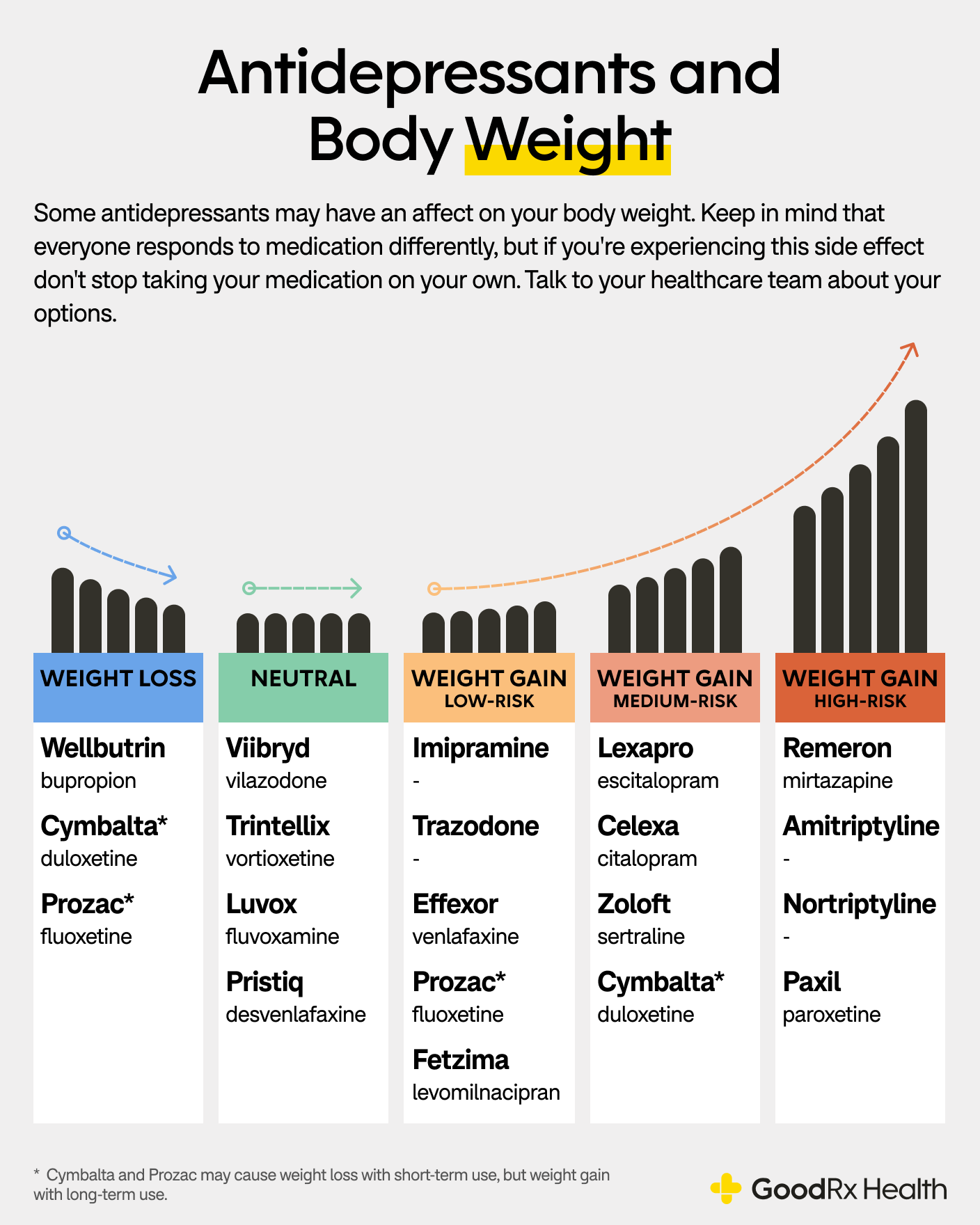
While no medication is entirely free from the possibility of side effects, certain classes and specific antidepressants have demonstrated a significantly lower likelihood of causing substantial weight gain. These medications are often preferred for individuals who have previously experienced problematic weight gain with other antidepressants or for whom weight management is a significant concern.
Selective Serotonin Reuptake Inhibitors (SSRIs) with Favorable Weight Profiles
SSRIs are the most commonly prescribed class of antidepressants. While some SSRIs are associated with weight gain, others have a more neutral or even slightly weight-reducing effect.
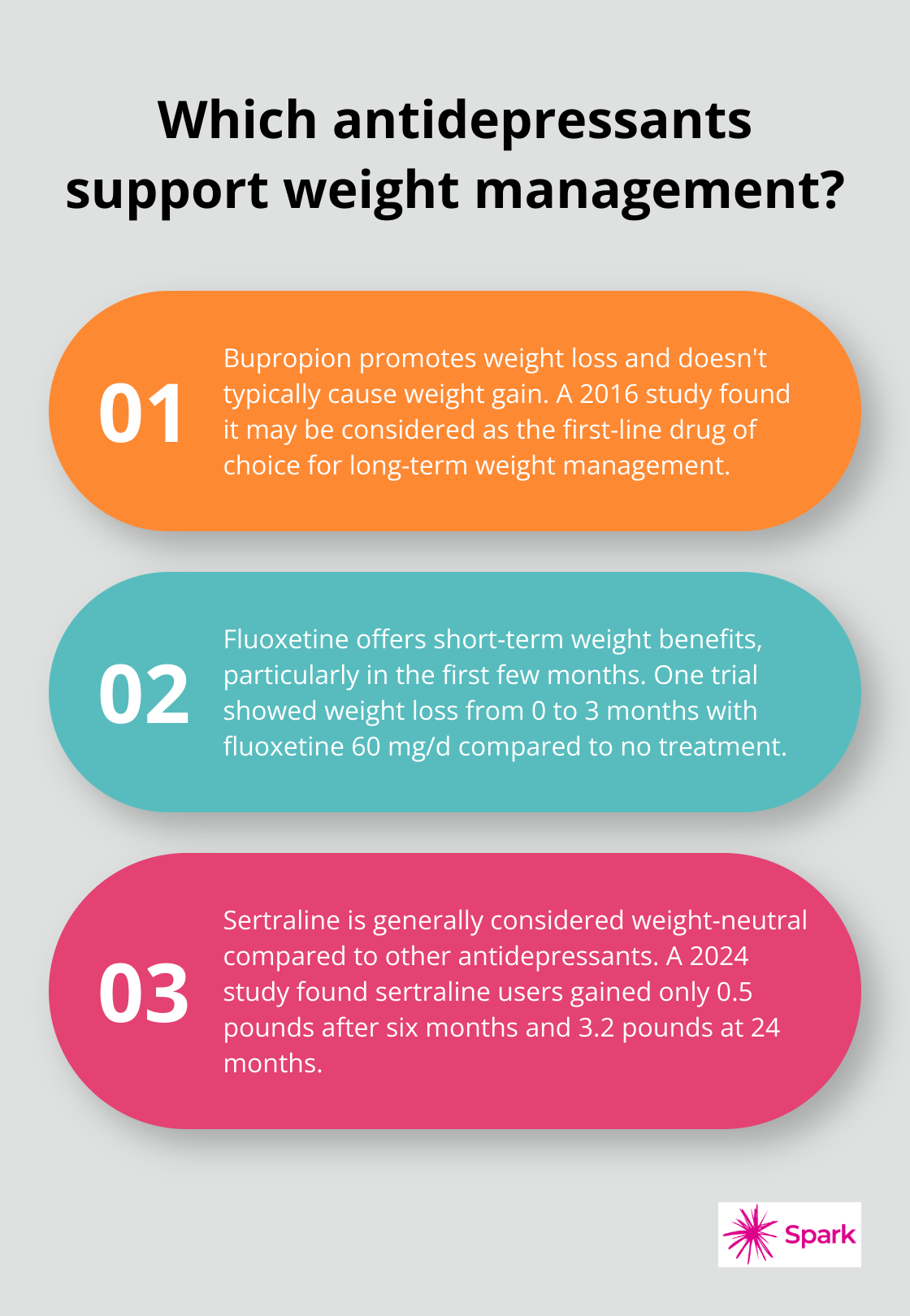
- Fluoxetine (Prozac): Fluoxetine is frequently cited as an SSRI that is less likely to cause weight gain and may even be associated with initial appetite suppression and weight loss. Its mechanism might involve stimulating certain serotonin receptors that are less involved in appetite stimulation or by influencing metabolism. However, it’s important to note that weight effects can vary, and some individuals may still experience changes.
- Sertraline (Zoloft): Sertraline is generally considered to have a weight-neutral profile for many patients. While weight gain is not a primary concern, significant changes are less common compared to some other SSRIs.
- Citalopram (Celexa) and Escitalopram (Lexapro): These medications are also often considered to have a relatively low risk of weight gain. Their impact on appetite and metabolism appears to be less pronounced than some of their counterparts. However, individual responses can still differ, and long-term studies provide the most comprehensive data.
Atypical Antidepressants with Weight-Neutral or Weight-Loss Potential
Beyond the SSRIs, several atypical antidepressants offer valuable treatment options with a reduced likelihood of contributing to weight gain.

- Bupropion (Wellbutrin): Bupropion, a norepinephrine-dopamine reuptake inhibitor (NDRI), is notably one of the few antidepressants that can be associated with weight loss. This effect is thought to be due to its stimulant properties, which can increase metabolism and suppress appetite. It is often a preferred choice for individuals with concerns about weight gain or those experiencing fatigue and low energy as part of their depression.
- Vortioxetine (Trintellix): Vortioxetine is a newer antidepressant with a multimodal mechanism of action. Clinical trials have shown that vortioxetine is generally weight-neutral, with some studies even suggesting a slight tendency towards weight loss in certain patient populations. Its unique receptor binding profile may contribute to its favorable metabolic effects.
- Vilazodone (Viibryd): Vilazodone, another newer agent that combines SSRI activity with 5-HT1A receptor partial agonism, is also considered to have a low risk of causing significant weight gain. While not consistently associated with weight loss, it generally does not lead to the problematic weight gain seen with some other antidepressants.
Strategies for Managing Weight While on Antidepressants
Even when choosing an antidepressant with a lower risk of weight gain, proactive lifestyle management remains paramount. A collaborative approach between patient and healthcare provider can ensure both mental and physical well-being are prioritized.
The Importance of Lifestyle Interventions
The foundation of weight management, regardless of medication, lies in consistent healthy habits. Antidepressants should be viewed as one component of a comprehensive treatment plan, not a substitute for self-care.
- Nutritional Guidance: Focusing on a balanced diet rich in whole foods, lean proteins, fruits, and vegetables is essential. Limiting processed foods, sugary drinks, and excessive saturated fats can significantly impact weight. Working with a registered dietitian can provide personalized strategies.
- Regular Physical Activity: Engaging in at least 150 minutes of moderate-intensity aerobic activity or 75 minutes of vigorous-intensity activity per week, along with muscle-strengthening activities, is crucial for maintaining a healthy metabolism and managing weight. Exercise also offers direct mood-boosting benefits.
- Mindful Eating Practices: Paying attention to hunger and fullness cues, eating slowly, and savoring meals can help prevent overeating. Identifying emotional triggers for eating and developing coping mechanisms for stress can also be beneficial.
Open Communication with Healthcare Providers
The journey of managing depression and its associated physical effects is a dynamic one. Continuous dialogue with a healthcare professional is key to optimizing treatment and addressing any concerns that arise.
- Reporting Weight Changes Promptly: It is essential to inform your doctor about any noticeable weight changes, whether gain or loss, as soon as they occur. This allows for timely assessment and potential adjustments to the treatment plan.
- Discussing Medication Options: If you have a history of significant weight gain with antidepressants or are particularly concerned about it, have an open and honest conversation with your prescribing physician. They can help you weigh the benefits and risks of different medication options based on your individual health profile and past experiences.
- Exploring Combination Therapies: In some cases, a combination of medications might be prescribed. Certain combinations might be chosen specifically to mitigate potential side effects like weight gain, or a medication known for its weight-neutral properties might be added to an existing regimen.
- Monitoring and Adjusting: Regular follow-up appointments are crucial for monitoring the effectiveness of the antidepressant, assessing any side effects, and making necessary adjustments to dosage or medication choice. This ensures that treatment remains tailored to your evolving needs.
When to Seek Professional Guidance
Navigating the complexities of antidepressant treatment requires informed decision-making and expert support. Recognizing when to engage with healthcare professionals is a vital aspect of ensuring effective and safe care.
Identifying Potential Issues and Red Flags
While the focus here is on antidepressants that don’t cause weight gain, it’s important to be aware of any adverse effects, including those related to weight, and to know when to seek medical attention.
- Significant and Rapid Weight Gain: While some weight fluctuations can be minor, a rapid and substantial increase in weight (e.g., several pounds in a short period) should always be reported to your doctor. This could indicate a more pronounced metabolic effect or a different underlying issue.
- Unexplained Changes in Appetite: Persistent feelings of extreme hunger or a complete loss of appetite that is not directly related to improved mood symptoms should be discussed with your physician.
- New or Worsening Physical Health Concerns: Any new or worsening physical health issues, such as changes in blood pressure, cholesterol levels, or blood sugar, should be evaluated by a healthcare professional, especially if they coincide with starting a new medication.
- Concerns About Medication Effectiveness: If you are experiencing weight changes but also feel that your antidepressant is not effectively managing your depression symptoms, it’s crucial to have a comprehensive discussion with your doctor.
The Role of the Healthcare Team in Tailored Treatment
Your healthcare team, including psychiatrists, primary care physicians, and potentially therapists or dietitians, plays a critical role in providing personalized and effective care.
- Comprehensive Assessment: Before prescribing any medication, your doctor will conduct a thorough assessment of your medical history, current symptoms, and any previous experiences with antidepressants. This information is vital for selecting the most appropriate treatment.
- Personalized Medication Selection: Based on this assessment, your doctor can guide you towards antidepressants that have a lower likelihood of causing weight gain, considering your individual risk factors and preferences.
- Ongoing Monitoring and Support: Regular check-ins allow your healthcare provider to monitor your progress, address any emerging side effects, and make adjustments to your treatment plan as needed. They can also provide resources and support for lifestyle modifications.
- Education and Empowerment: Ultimately, your healthcare team is there to educate you about your treatment options, empower you to make informed decisions, and support you in achieving both mental and physical well-being. Understanding that not all antidepressants lead to weight gain is a crucial step in this process, alleviating a significant barrier to seeking and adhering to necessary treatment.