
In the modern digital economy, the landscape of home entertainment has shifted from a one-time purchase model to a recurring subscription framework. Among the titans of this industry, Amazon Prime Video stands out as a unique financial entity. Unlike competitors like Netflix or Disney+, which primarily offer access to a content library, Amazon’s streaming service is inextricably linked to a broader consumer ecosystem. For the savvy consumer, understanding “how much is Amazon Video” requires more than just looking at a single price tag; it involves a deep dive into subscription tiers, hidden costs, and the overall return on investment (ROI) within a personal finance strategy.
Decoding the Amazon Prime Ecosystem: Membership Tiers and Pricing
When consumers ask about the cost of Amazon Video, the answer is multi-layered. Amazon does not operate on a “one size fits all” pricing model. Instead, it utilizes a tiered structure designed to capture different demographics based on their spending power and usage habits.
The Full Amazon Prime Membership
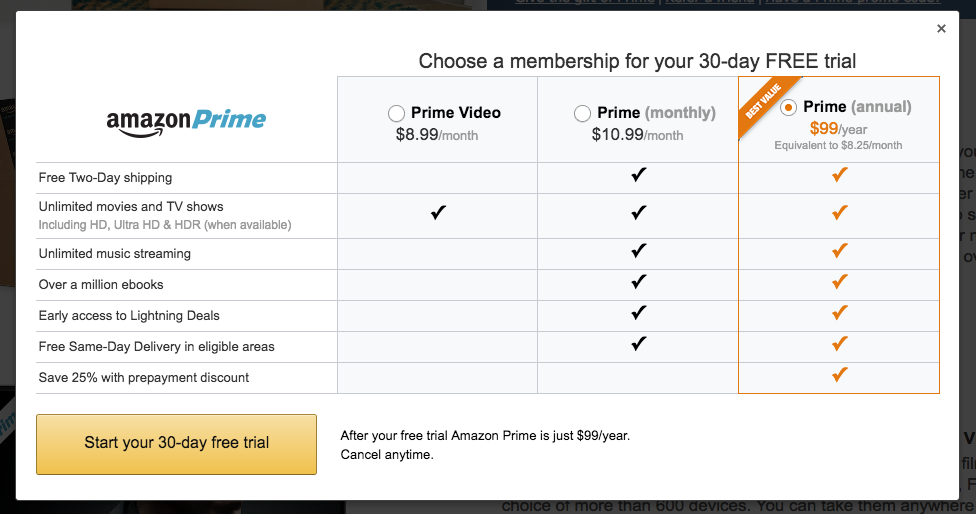
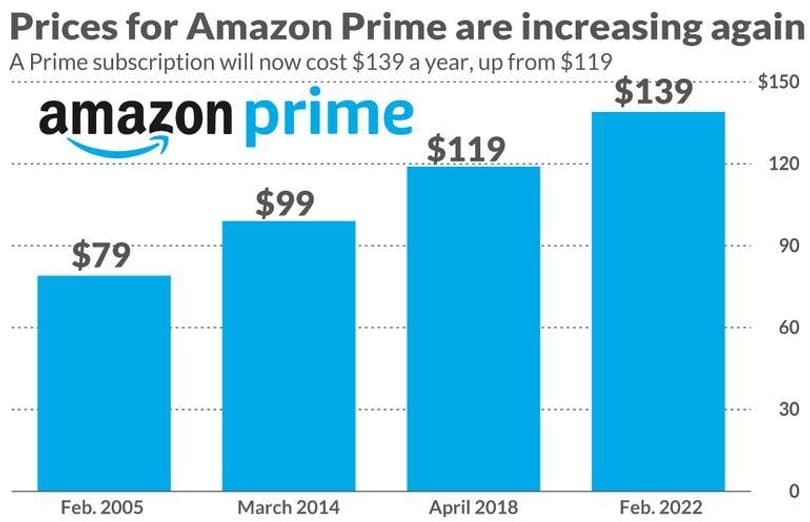
For the majority of users, Amazon Video is a bundled benefit of the full Amazon Prime membership. As of 2024, the standard price for a full Prime membership is $14.99 per month or $139 per year. From a personal finance perspective, the annual commitment offers a significant discount, bringing the effective monthly cost down to approximately $11.58. This membership includes not just the video streaming service, but also free expedited shipping, Amazon Music, Prime Reading, and exclusive deals.
The Standalone Prime Video Option
Many consumers are unaware that they can subscribe to Prime Video as a standalone service without the shipping benefits. This is currently priced at $8.99 per month. For individuals who do not shop frequently on Amazon but desire access to its original programming—such as The Boys or The Rings of Power—this is the most cost-effective entry point. However, it lacks the “ecosystem value” that defines the brand’s broader financial appeal.
Specialized Discounts: Student and Low-Income Tiers
Amazon offers aggressive pricing for specific demographics to ensure long-term brand loyalty and market penetration.
- Prime Student: At $7.49 per month (or $69 per year), this tier is a financial boon for those in higher education. It provides the full suite of Prime benefits at roughly half the cost.
- Access/EBT Discount: To remain accessible to a wider economic range, Amazon offers a discounted membership for $6.99 per month to recipients of certain government assistance programs, such as SNAP or Medicaid.
Hidden Costs and Transactional Media: Navigating the Financial Maze
The “sticker price” of an Amazon Video subscription is rarely the final amount a user spends on the platform. Amazon’s business model is built on a “hybrid” approach, combining subscription video-on-demand (SVOD) with transactional video-on-demand (TVOD).
The Ad-Free Surcharge: A New Financial Standard
In a major shift in the streaming economy, Amazon recently introduced an ad-supported tier as its default. To enjoy content without interruptions, subscribers must now pay an additional $2.99 per month. For a standard Prime member, this brings the total monthly “premium” streaming cost to roughly $17.98. This move mirrors trends across the tech sector where companies are looking to increase Average Revenue Per User (ARPU) through tiered monetization.
Prime Video Channels: The Add-On Burden
One of Amazon’s most successful financial strategies is the “Channels” model. Within the Prime Video interface, users can subscribe to third-party services like Paramount+, Max, or Discovery+. These range from $4.99 to $15.99 per month each. While convenient from a digital management perspective—consolidating multiple bills into one Amazon statement—it can lead to “subscription creep,” where a household’s monthly entertainment budget quietly balloons beyond sustainable levels.
Rentals and Digital Purchases
Unlike Netflix, which provides a “walled garden” where everything is included in the fee, Amazon Video acts as a digital storefront. New releases often require an additional rental fee (typically $3.99 to $5.99) or a purchase price ($14.99 to $19.99). This requires the consumer to exercise financial discipline, as the line between “included with Prime” and “available for purchase” is often blurred within the user interface.
Comparing the Financial ROI: Amazon Video vs. Competitors
To determine if Amazon Video is “worth it,” one must compare its cost-to-value ratio against other major players in the market. In the world of personal finance, this is often calculated as “cost-per-hour” of entertainment or the “utility value” of the service.
Cost-Benefit Analysis Against Netflix and Disney+
Netflix’s premium plan (4K, no ads) currently sits at nearly $23 per month, significantly higher than Amazon’s base or even ad-free tiers. Disney+, when bundled with Hulu and ESPN, hovers around $15–$25 depending on the ad settings. Amazon Video often wins the “pure price” battle when you consider that the $14.99 Prime fee covers more than just video. If a household saves $10 a month on shipping costs through Amazon, the effective cost of the video service drops to under $5.
The “Free Shipping” Offset
From a business finance perspective, Amazon uses video as a “loss leader” to drive retail sales. For the consumer, this is a unique financial synergy. If you are an active shopper, the video service is essentially a free byproduct of your logistics solution. However, if you rarely order physical goods, the financial justification for a full Prime membership weakens, making the $8.99 standalone video option or a competitor’s service more viable.
Quality of Content vs. Price Point
Amazon has invested billions into high-budget productions. When evaluating the “how much,” one must consider the quality of the asset. Amazon provides a significant amount of 4K (UHD) and HDR content within its base price—something Netflix charges a significant premium for. For home theater enthusiasts, this technical inclusion provides better financial value for their hardware investment.
Maximizing Your Digital Entertainment Budget
Managing multiple streaming services is a core component of modern household budgeting. To ensure that the cost of Amazon Video remains an asset rather than a liability, consumers should employ specific financial strategies.
Strategic Subscription Cycling
One of the most effective ways to manage the cost of Amazon Video is “cycling.” Because Amazon allows users to cancel and renew with ease, there is no financial requirement to stay subscribed year-round. A consumer could subscribe for one month to binge-watch specific original series and then cancel, effectively paying only $8.99 or $14.99 for an entire year’s worth of specific content access.
Auditing “Prime Video Channels” Regularly
Because it is so easy to click “subscribe” on a channel like Showtime or Starz within the Amazon app, many users forget they are paying for these add-ons. A quarterly financial audit of your Amazon digital orders is essential. By removing unused channels, a household can save hundreds of dollars annually.
Leveraging Family Sharing
Amazon allows for “Amazon Household,” which permits two adults to share Prime benefits. From a personal finance standpoint, this effectively halves the cost of the subscription if split between two roommates or family members living separately. This “split-cost” model makes Amazon Video one of the most competitively priced services in the digital market.

Final Economic Verdict
So, how much is Amazon Video? At its simplest, it is $8.99 to $17.98 per month. But in reality, it is a variable financial instrument. For the frequent shopper, it is a high-value “free” add-on. For the student, it is a bargain-priced entertainment hub. For the movie buff who wants the latest releases and premium channels, it can become a $50-per-month gateway to a massive digital library.
In the broader context of personal finance and tech-driven lifestyles, Amazon Video represents the “platformization” of our spending. It is no longer just about the cost of a movie; it is about the cost of being part of an ecosystem. By understanding the tiers, avoiding the traps of hidden channel costs, and utilizing discounts, consumers can ensure that their investment in Amazon Video provides a high return in entertainment value without compromising their financial health.
aViewFromTheCave is a participant in the Amazon Services LLC Associates Program, an affiliate advertising program designed to provide a means for sites to earn advertising fees by advertising and linking to Amazon.com. Amazon, the Amazon logo, AmazonSupply, and the AmazonSupply logo are trademarks of Amazon.com, Inc. or its affiliates. As an Amazon Associate we earn affiliate commissions from qualifying purchases.