
Stardew Valley, the beloved farming simulation RPG, stands as a testament to what a singular vision and meticulous dedication can achieve in the world of independent game development. Created almost entirely by Eric Barone, also known as ConcernedApe, over several years, the game captivated millions with its charming pixel art, deep gameplay loops, and heartfelt narrative. Beyond its widespread appeal and commercial success, a question often piques the curiosity of developers and tech enthusiasts alike: what technological foundations underpin this monumental achievement? The answer reveals a fascinating journey through accessible frameworks, bespoke solutions, and the power of individual ingenuity over large-scale technological investment.
The Core Technological Stack: A Solo Developer’s Canvas
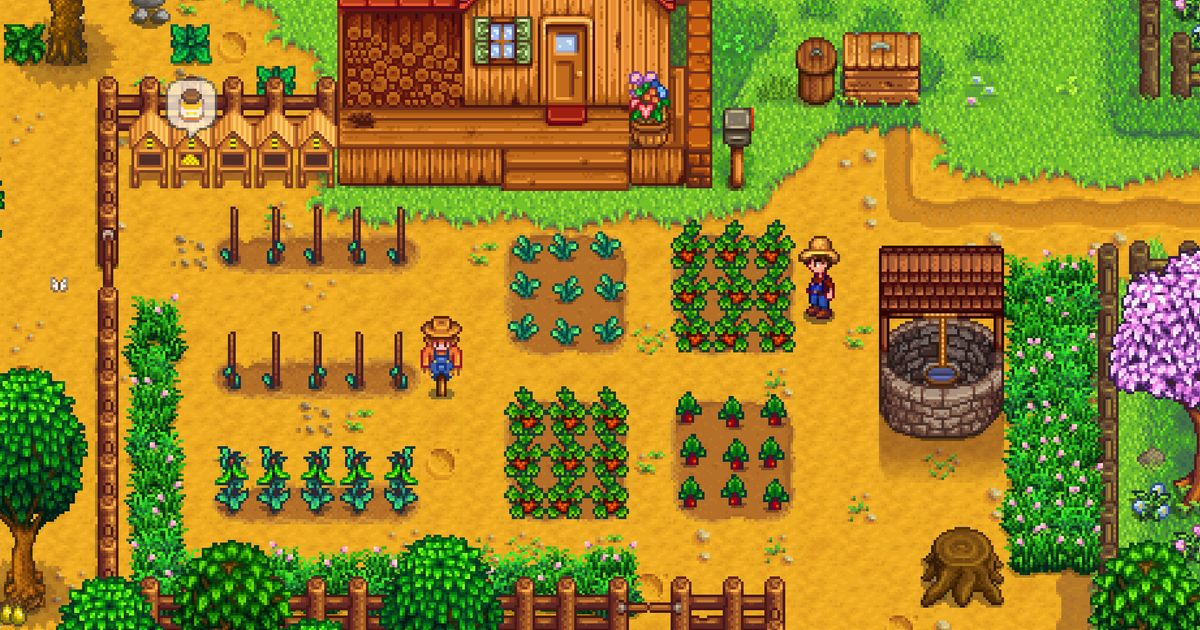
At its heart, Stardew Valley was crafted using a technology stack that, while perhaps not cutting-edge or industry-standard for AAA productions, proved to be an incredibly effective and empowering choice for a solo developer. This stack comprised primarily the Microsoft XNA Framework and the C# programming language, complemented by a suite of custom-built tools essential for managing the sheer volume of game content.
Choosing XNA Framework: A Niche, Yet Powerful Foundation
The Microsoft XNA Framework was a free set of tools developed by Microsoft to aid game development for Windows and Xbox 360 platforms. While officially discontinued in 2013—the very year Barone was deeply entrenched in Stardew Valley’s development—XNA offered a robust and relatively straightforward environment for 2D game creation. For Barone, XNA provided several key advantages: a familiar .NET ecosystem, strong support for 2D graphics, and the ability to leverage C#, a language he was already proficient in. This choice significantly reduced the barrier to entry for a developer working in isolation, allowing him to focus on game mechanics and content creation rather than grappling with complex engine architectures or license fees. XNA’s abstraction layers simplified common game development tasks like sprite batching, input handling, and audio management, freeing Barone from reinventing fundamental wheel components. It allowed for direct control over the game loop and rendering pipeline, which was crucial for fine-tuning the pixel-perfect aesthetic and performance he envisioned.
C# as the Language of Choice: Flexibility and Performance
C# (C-sharp) served as the primary programming language for Stardew Valley. As an object-oriented language developed by Microsoft, C# is known for its clarity, type safety, and comprehensive standard library. For a solo developer, C# offered a balance of power and productivity. Its garbage collection capabilities simplified memory management, reducing the likelihood of common C++-related bugs and allowing Barone to focus more on game logic. The extensive tooling support within Visual Studio (Microsoft’s integrated development environment) further streamlined the coding process, providing features like intelligent code completion, powerful debugging tools, and robust refactoring capabilities. While some might argue that C# can be less performant than C++ for certain low-level operations, for a 2D pixel-art game like Stardew Valley, its performance characteristics were more than adequate. Moreover, the .NET ecosystem provided a wealth of libraries and community support, further empowering Barone in his ambitious undertaking. The choice of C# also laid the groundwork for future platform expansion, as its managed nature allowed for easier porting to different operating systems through compatible frameworks like MonoGame.
Custom Tooling and Asset Creation
Given the immense scope of Stardew Valley—encompassing an entire world, thousands of items, complex NPC schedules, farming mechanics, combat, and an evolving story—reliance solely on off-the-shelf tools would have been impractical. Eric Barone developed many of his own internal tools to facilitate the creation and management of game assets and data. This included custom map editors to design the various areas of Pelican Town, the farm, and the mines, alongside tools for animating sprites, managing item databases, and scripting in-game events and dialogue trees. While time-consuming to build, these bespoke tools were perfectly tailored to his workflow and the specific requirements of Stardew Valley, offering a level of control and efficiency that generic tools might not have. They allowed him to rapidly iterate on design ideas, ensuring consistency across all game elements and providing a streamlined pipeline for content integration. This DIY approach to development tools is a hallmark of many successful indie titles, where developers prioritize solutions that directly serve their unique vision.
The Significance of a Bespoke Engine
While built on the XNA framework, Stardew Valley effectively utilizes a highly customized game engine, hand-coded by Barone. This bespoke approach meant that every line of code, every system, and every interaction was specifically tailored to the game’s needs. Unlike commercial engines like Unity or Unreal Engine, which offer broad features for diverse game types, Stardew Valley’s custom engine was lean and optimized for its specific 2D, tile-based mechanics. This bespoke nature granted Barone unparalleled control over every aspect of the game’s performance and behavior. It also meant that troubleshooting and bug fixing could be more direct, as there were no opaque engine layers to navigate. This deep understanding of his own codebase proved invaluable for future updates, expansions, and the monumental task of porting the game to various platforms.
Navigating the Technical Challenges of Solo Development
The decision to craft Stardew Valley virtually alone presented Eric Barone with an extraordinary array of technical challenges. Building such a complex and expansive game as a one-person army meant shouldering every technical responsibility, from low-level coding to high-level system design.
The Burden of Full-Stack Responsibility
As a solo developer, Barone was not merely a programmer; he was the architect, the implementer, and the maintainer of every technical subsystem. This encompassed everything from rendering graphics, processing user input, managing game state, handling audio, and networking (for multiplayer features added later) to saving/loading game data, collision detection, artificial intelligence for NPCs, and physics simulations for objects. Each of these components required deep technical understanding and meticulous implementation. Debugging became an even more critical skill, as identifying and fixing issues in a self-developed codebase with no external peer review or dedicated QA team required immense discipline and systematic problem-solving. This full-stack responsibility is a defining characteristic of solo indie development and showcases the formidable technical expertise required to bring a large-scale project to fruition.
Performance Optimization and Cross-Platform Porting
Initially developed for Windows PC, Stardew Valley’s success demanded its expansion to consoles (PlayStation, Xbox, Switch) and mobile platforms (iOS, Android). This cross-platform porting introduced significant technical hurdles. XNA, being a Microsoft-centric framework, was not inherently designed for these diverse ecosystems. To achieve multi-platform compatibility, Barone (and later, external porting teams) migrated the codebase from XNA to MonoGame, an open-source reimplementation of the XNA API that runs on a wider range of platforms using the Mono runtime or .NET Core. This transition itself was a substantial technical undertaking, requiring careful refactoring and adaptation of the existing code.
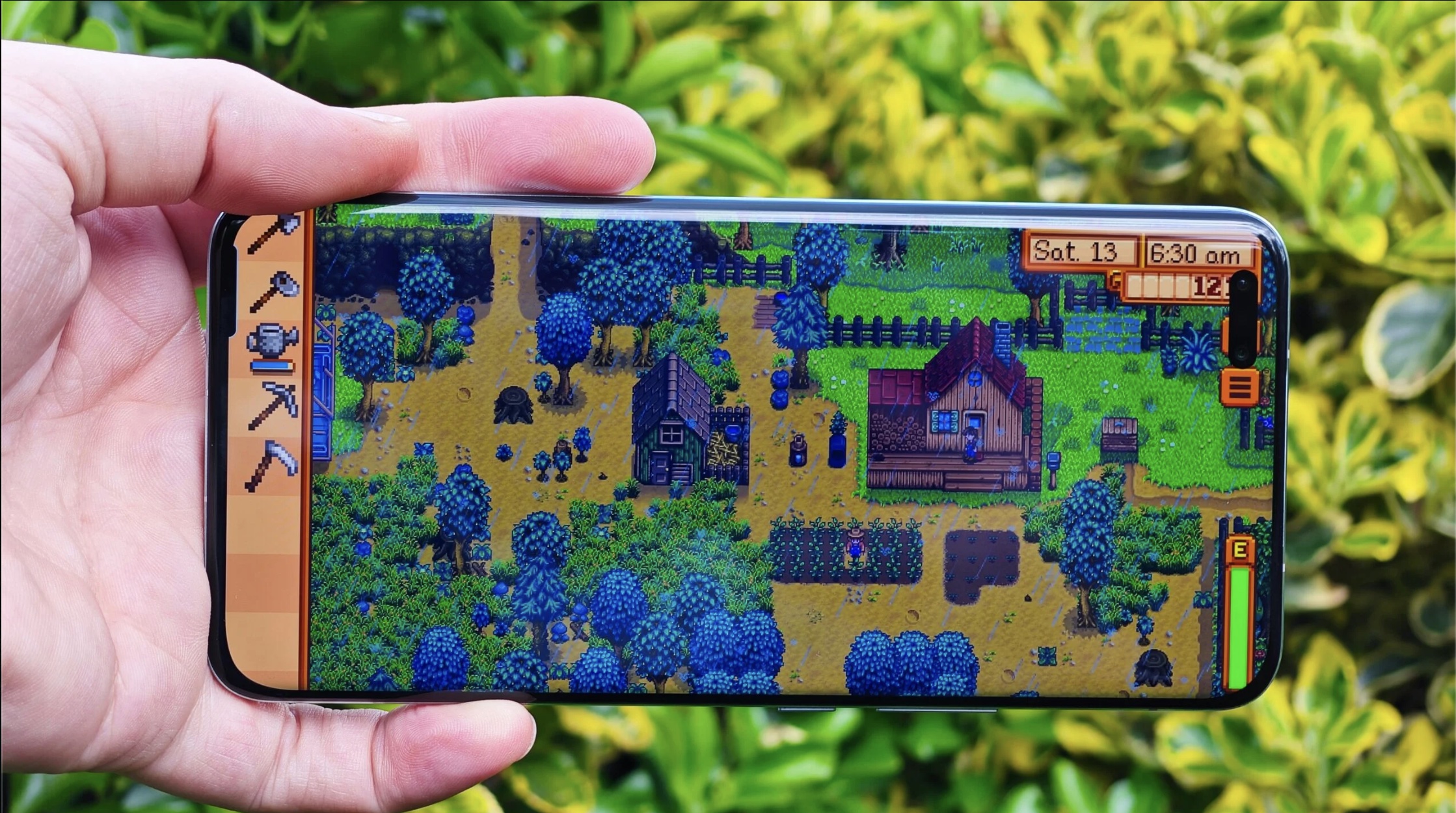
Furthermore, each platform presented its own unique performance constraints and input requirements. Optimizing the game to run smoothly on hardware with varying specifications (e.g., a high-end gaming PC versus a Nintendo Switch or a mobile phone) involved extensive profiling, asset optimization, and platform-specific coding adjustments. Ensuring a consistent user experience across touchscreens, gamepads, and keyboard/mouse setups added another layer of complexity to the input handling system. The game’s relatively simple pixel art style certainly aided in performance, but consistent frame rates and responsive controls across all target devices still required significant technical acumen.
Iteration, Bug Fixing, and Quality Assurance on a Grand Scale
The iterative nature of game development, involving constant testing, tweaking, and refining, is amplified for a solo developer. Every bug found, every feature requested, and every balance adjustment fell squarely on Barone’s shoulders. The quality assurance (QA) process, typically handled by large teams in AAA studios, was largely a personal endeavor, supplemented by early community feedback during the beta phases. This meant meticulously playing through the game countless times, testing every interaction, every item, and every possible scenario to ensure stability and playability. The sheer volume of content and interconnected systems in Stardew Valley made this an incredibly demanding technical task, requiring a robust understanding of software testing methodologies and exceptional attention to detail. The game’s eventual polish and relative lack of game-breaking bugs upon release speak volumes about Barone’s commitment to technical excellence and thoroughness in his solo QA efforts.
From XNA to Modern Game Development Paradigms
Stardew Valley’s technological journey began with a framework that would eventually be deprecated, forcing its evolution. This transition and the game’s ongoing maintenance offer valuable insights into adaptable game development and the power of open-source initiatives.
The Legacy of XNA and its Successors (MonoGame)
The official discontinuation of the XNA Framework by Microsoft posed a significant challenge for ongoing XNA projects, including Stardew Valley. However, the XNA community, unwilling to let the framework fade, rallied to create MonoGame. MonoGame is an open-source, cross-platform implementation of the XNA 4.0 API, allowing developers to continue using their XNA knowledge and existing codebases to target modern platforms like Windows, macOS, Linux, iOS, Android, and various consoles. The migration of Stardew Valley’s codebase from XNA to MonoGame was a critical technical decision that ensured the game’s longevity and multi-platform reach. This shift highlights a common theme in technology: the evolution of tools and the importance of choosing frameworks that either have strong community backing or are designed for long-term support and adaptability. MonoGame’s existence became the technical lifeline for Stardew Valley and many other indie games that started on XNA.
Open-Source Contributions and Community Support
The success of MonoGame, and by extension, the ability of Stardew Valley to thrive on new platforms, is a direct result of open-source contributions. Developers globally contribute to MonoGame’s codebase, ensuring its compatibility, performance, and feature set remain competitive. This collaborative effort demonstrates the power of the open-source model in providing viable, community-driven alternatives when proprietary solutions cease support. For projects like Stardew Valley, relying on a robust open-source framework means access to a constantly evolving and improving technical foundation, without the need for significant internal R&D into core engine components. The broader community around C# and .NET also provided a rich ecosystem of knowledge and libraries that Barone could tap into, further reducing his solo development burden.
Lessons for Aspiring Indie Developers on Tech Stack Selection
Stardew Valley’s technical story offers crucial lessons for aspiring indie developers. Firstly, it underscores that cutting-edge graphics or a complex, expensive engine are not prerequisites for creating a deeply engaging and successful game. A deep understanding of your chosen tools and a clear vision can far outweigh the perceived advantages of the “latest and greatest” technology. Secondly, choosing a framework or language that a developer is highly proficient in can significantly accelerate development and improve code quality, especially for solo projects. The efficiency gained from familiarity with C# and XNA allowed Barone to dedicate more time to content and gameplay, which are often the true differentiators for indie titles. Finally, the ability to adapt to changing technological landscapes, such as migrating from XNA to MonoGame, is vital for long-term project viability. Prioritizing maintainability and portability in initial tech choices, or at least understanding the path to future adaptation, is paramount.
The Broader Impact of Stardew Valley’s Tech Journey
Stardew Valley’s technical underpinnings did more than just enable its creation; they intrinsically shaped its identity, longevity, and its relationship with its community. The deliberate choices made by Eric Barone regarding his tech stack had far-reaching implications that continue to resonate within the indie game development scene.
Proving the Mettle of Modest Tech for Grand Visions
Stardew Valley stands as a powerful counter-narrative to the prevailing industry trend of increasingly complex and resource-intensive game engines. It unequivocally demonstrates that a single developer, utilizing a relatively modest and accessible tech stack, can craft a game with a vast scope, intricate systems, and profound depth. The game’s success serves as an inspiration for countless aspiring developers who may feel intimidated by the perceived technological hurdles of game creation. It champions the idea that compelling gameplay and artistic vision, rather than hyper-realistic graphics or bleeding-edge engine features, are the true drivers of player engagement and satisfaction. This message reverberates throughout the indie community, encouraging developers to prioritize their creative ideas and choose technologies that empower, rather than overwhelm, their individual capabilities. The focus on a highly optimized, bespoke 2D engine proved that graphical simplicity could coexist with mechanical complexity and emotional richness.
Accessibility and Moddability: A Technical Design Choice
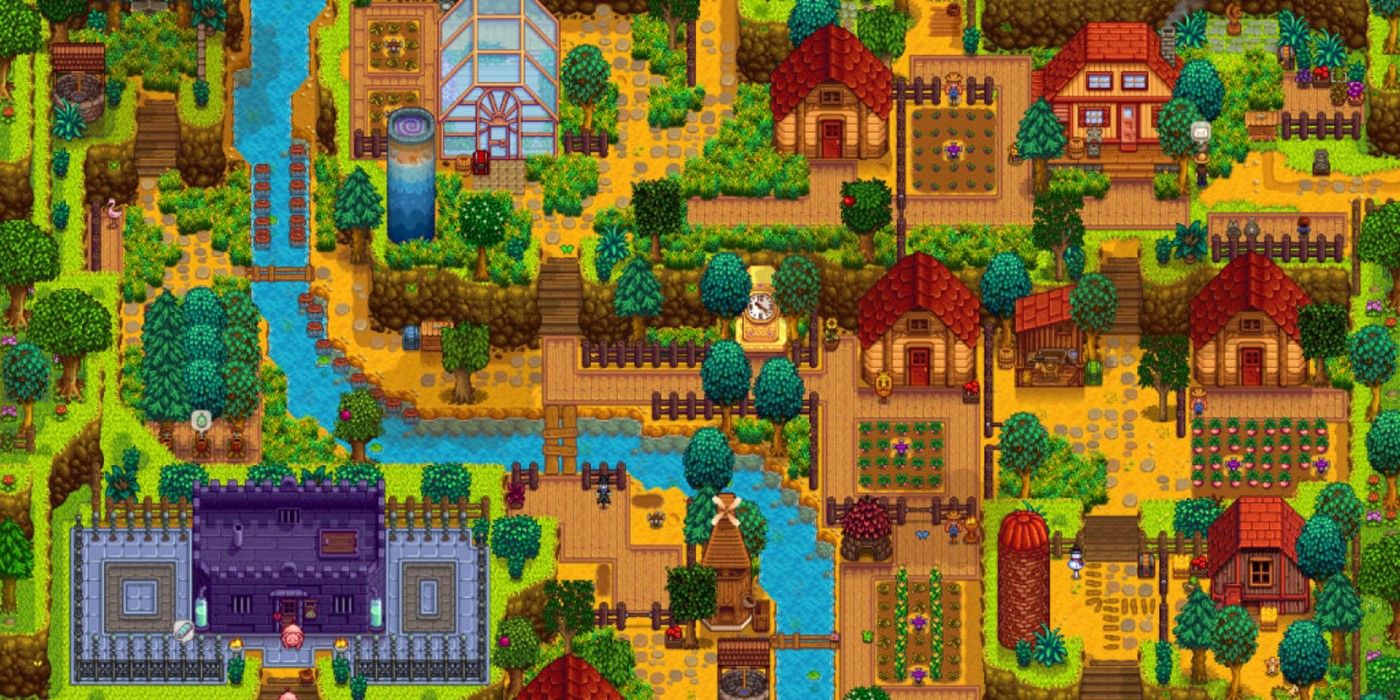
One of the often-overlooked technical benefits of Stardew Valley’s C# and custom engine approach is its inherent moddability. Because the game’s logic is written in C# and its assets are structured in a relatively straightforward manner (spritesheets, XML files, etc.), the game became highly accessible for mod creators. The .NET framework and C# are well-documented and widely understood, making it easier for community members to develop tools and modifications. The community quickly developed robust modding APIs and loaders (like SMAPI for Stardew Valley Expanded) that allowed players to introduce new content, alter game mechanics, and customize their experience extensively. This vibrant modding scene, directly facilitated by the game’s underlying technical architecture, significantly extended Stardew Valley’s lifespan and deepened its connection with its player base. It transformed the game from a fixed product into a living, evolving ecosystem, showcasing how technical decisions can foster community engagement and organic content generation.
The Longevity and Maintainability of a Custom Engine
Years after its initial release, Stardew Valley continues to receive substantial content updates, ranging from new areas and items to multiplayer functionality. This ongoing development is a testament to the maintainability of Eric Barone’s initial technical choices and the flexibility of his custom engine. By building the core engine and tools himself, Barone possesses an intimate understanding of every line of code, making it easier to diagnose issues, implement new features, and ensure compatibility across platforms. Unlike working with a black-box commercial engine, where updates or changes to the engine itself can introduce unforeseen challenges, Stardew Valley’s bespoke nature allows for precise, targeted modifications. This control, coupled with the stability provided by the MonoGame framework for cross-platform support, ensures that Stardew Valley remains a technically sound and continuously evolving title, capable of adapting to new player expectations and hardware advancements for years to come.
aViewFromTheCave is a participant in the Amazon Services LLC Associates Program, an affiliate advertising program designed to provide a means for sites to earn advertising fees by advertising and linking to Amazon.com. Amazon, the Amazon logo, AmazonSupply, and the AmazonSupply logo are trademarks of Amazon.com, Inc. or its affiliates. As an Amazon Associate we earn affiliate commissions from qualifying purchases.