
In an era increasingly defined by data and precision, understanding the fundamental units of measurement is more critical than ever, especially when it comes to weight. While seemingly a basic concept, the nuances of weight measurement and its units underpin countless technological applications, from the logistics of global supply chains to the sophisticated sensors in our smart devices. In a world where accuracy can mean the difference between seamless operation and costly failure, exploring “what units measure weight” is not just an academic exercise but a deep dive into the technological infrastructure that enables our modern existence.
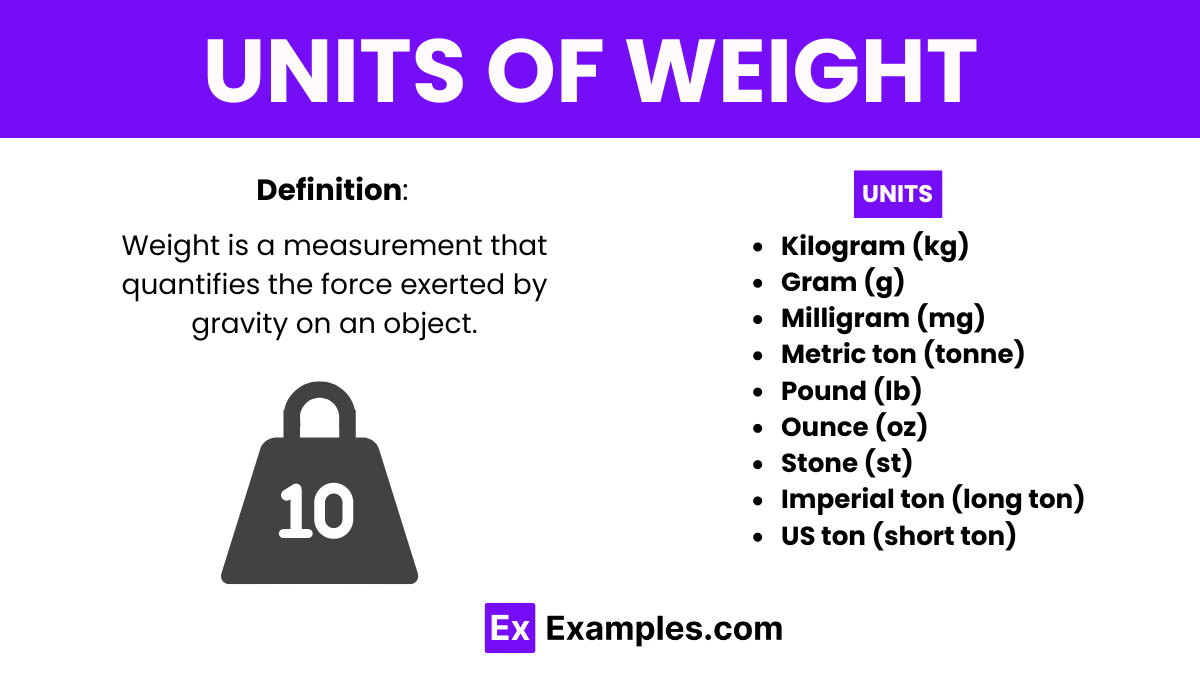
Weight, fundamentally, is the force exerted on an object due to gravity. It’s often confused with mass, which is a measure of the amount of matter in an object and remains constant regardless of gravitational pull. However, in everyday language and most technological applications, “weight” is used to refer to mass. The units we use to quantify this attribute are diverse, reflecting historical origins, regional preferences, and specialized industrial needs. In a globalized and tech-driven economy, the ability to accurately measure, convert, and interpret these units across different systems is paramount.
This article will delve into the primary units that measure weight, explore how technology facilitates their accurate capture and conversion, and examine the profound impact of standardized weight measurement on various tech sectors, emphasizing the intersection of fundamental physics and cutting-edge innovation.
The Foundation of Digital Measurement: Understanding Weight Units
The bedrock of any technological system that interacts with physical objects is its ability to quantify their properties, with weight being a critical attribute. While the concept of weight is universal, the units used to express it vary significantly, presenting both challenges and opportunities for technological solutions.
The SI System: Kilograms and Grams as Global Standards
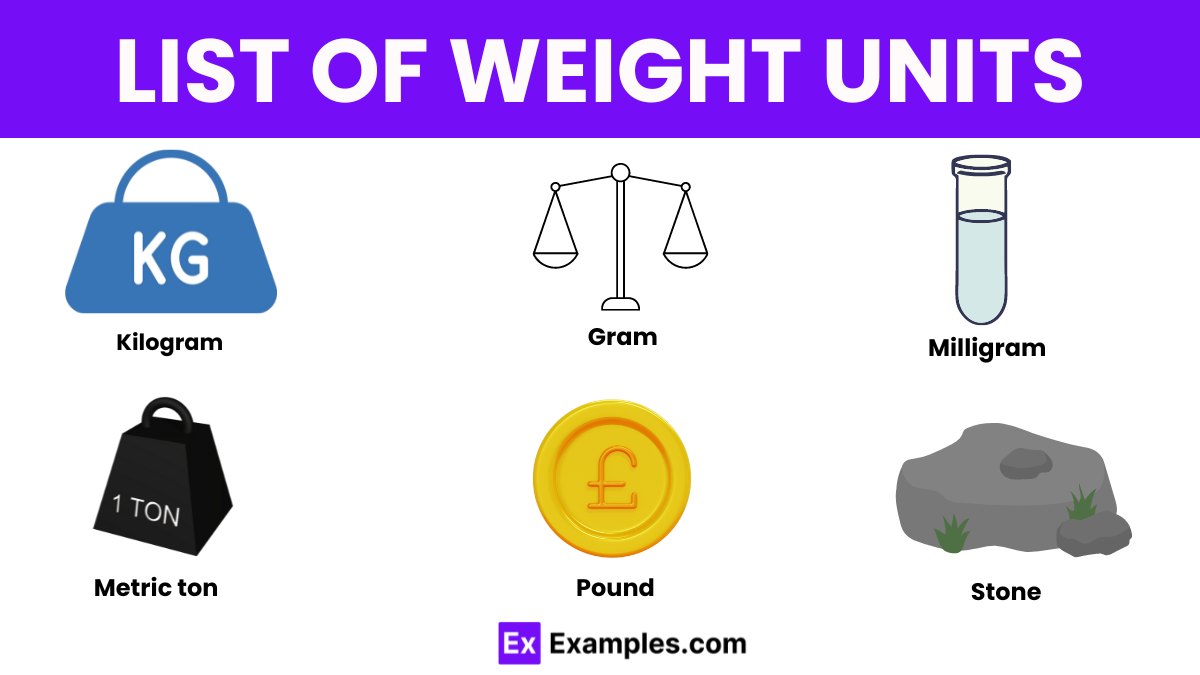
At the forefront of scientific and most international technological endeavors is the International System of Units (SI), which designates the kilogram (kg) as its base unit for mass. Derived units, such as the gram (g), are widely used for smaller quantities. The kilogram’s definition has evolved from a physical prototype to a definition based on fundamental physical constants, thanks to advancements in metrology and quantum mechanics. This shift underscores technology’s role in establishing a more universal, stable, and accessible standard.
For technology, the SI system offers unparalleled consistency. Software algorithms, sensor calibrations, and data exchange protocols are often designed with kilograms and grams as the default, streamlining international collaboration in fields ranging from advanced manufacturing to space exploration. For instance, pharmaceutical dispensing robots, laboratory analytical instruments, and precision agricultural drones all rely on the precise, consistent, and globally recognized increments provided by the SI system.
Imperial Units: Pounds and Ounces in Tech Applications
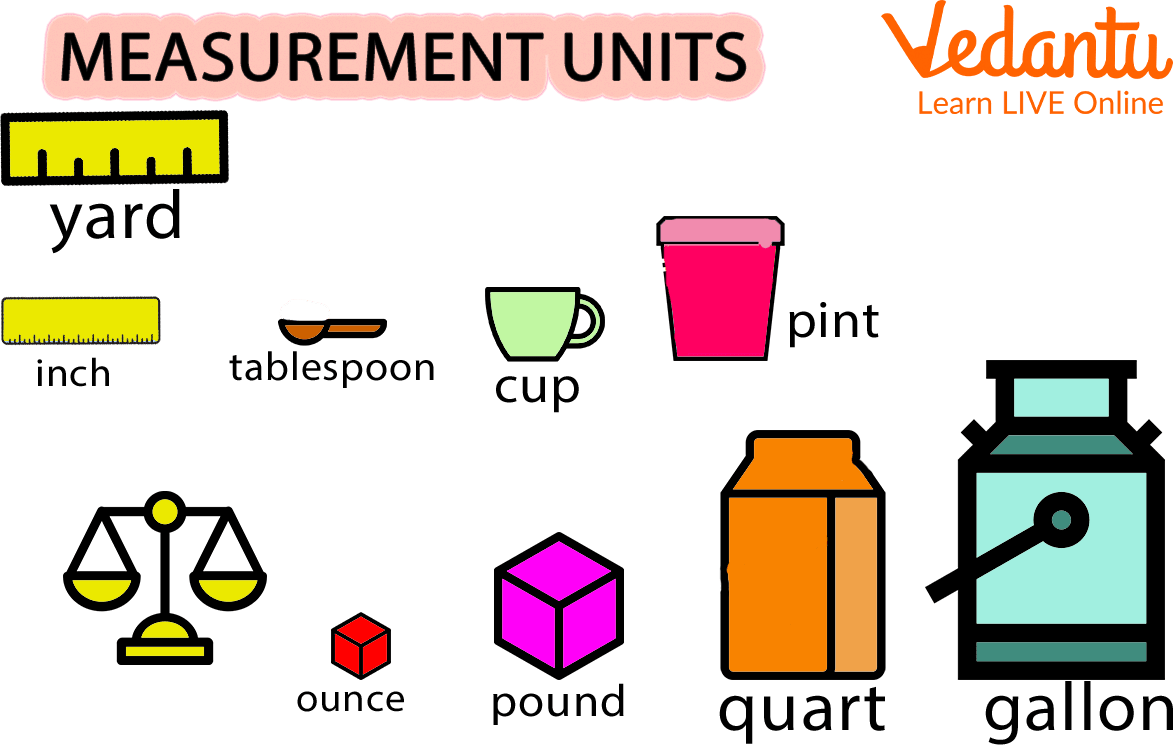
Despite the global dominance of the SI system, Imperial units—primarily the pound (lb) and ounce (oz)—retain significant usage, particularly in the United States and some other regions. While often perceived as less scientific, these units are deeply embedded in consumer products, domestic logistics, and legacy industrial systems.
This duality presents a constant challenge for developers and engineers: how to create technology that can seamlessly operate across both systems. From e-commerce platforms that calculate shipping costs in pounds to fitness trackers that display body weight in pounds and ounces, robust unit conversion functionalities are indispensable. Modern weighing scales, inventory management software, and even smart kitchen appliances must offer user-friendly interfaces that allow for easy toggling between metric and imperial units, ensuring relevance and accessibility for diverse user bases. The integration of powerful conversion APIs and sophisticated backend logic is a testament to technology’s adaptive capacity.
Specialized Units for Niche Tech Sectors
Beyond the everyday kilograms and pounds, various specialized units measure weight in specific technological domains, each with its unique precision requirements and applications.
For instance, the carat (ct), representing 200 milligrams, is the standard unit for measuring the weight of gemstones and pearls. In the high-stakes world of jewelry manufacturing and authentication technology, ultra-precise scales and AI-driven image analysis systems are calibrated to detect minute variations in carats, impacting valuation and quality control. Similarly, in heavy industry and logistics, units like the metric ton (tonne) (1000 kg) or the short ton (2000 lbs) are critical for calculating cargo capacity, managing bulk materials in smart warehouses, and optimizing routes for autonomous vehicles. Even smaller, more granular units like the grain (approximately 65 mg), historically used for gunpowder and bullet weights, find applications in ballistic testing and specialized manufacturing processes that demand extreme accuracy. These niche applications highlight how technology adapts to and serves highly specific measurement demands, often integrating complex conversions and specialized sensor technologies.
Technology’s Role in Precise Weight Measurement
The journey from a simple balance scale to the sophisticated digital weighing systems of today is a story of technological innovation. Modern technology has not only refined the accuracy of weight measurement but has also integrated it into complex networks, making it a cornerstone of automation, quality control, and data-driven decision-making.
From Analog to Digital: The Evolution of Scales and Sensors
The fundamental shift from analog spring scales to digital electronic scales represents a pivotal technological leap. At the heart of most modern weighing devices are load cells—transducers that convert force (weight) into an electrical signal. These typically employ strain gauges, which are electrical resistors whose resistance changes when they are stretched or compressed by the applied weight. The change in resistance is then measured by an electronic circuit, amplified, and converted into a digital reading displayed on an LCD screen.
This technological evolution provides several advantages: higher precision, faster readings, direct digital output for data processing, and reduced human error. In industrial settings, multi-component load cell systems can handle enormous weights with surprising accuracy, while miniature load cells enable precise measurements in compact laboratory equipment or even wearable tech. The ongoing refinement of load cell technology, materials, and digital signal processing continues to push the boundaries of accuracy and durability in extreme environments.
Smart Devices and IoT: Integrating Weight Data
The advent of smart technology and the Internet of Things (IoT) has brought weight measurement out of isolated laboratory or industrial settings and into interconnected ecosystems. Smart scales are a prime example, not only measuring body weight but often incorporating bioelectrical impedance analysis to estimate body fat, muscle mass, and other metrics. This data is then wirelessly transmitted to smartphone apps or cloud platforms, allowing users to track trends, set goals, and integrate with other health data from wearables.
In the industrial sector, IoT-enabled weight sensors are transforming inventory management, logistics, and manufacturing. Smart bins can automatically reorder supplies when their weight drops below a certain threshold. Agricultural sensors can monitor the weight of livestock for health tracking or the yield of crops during harvest. In logistics, smart pallets equipped with weight sensors provide real-time data on cargo distribution, preventing overload and optimizing transport efficiency. This integration transforms raw weight data into actionable intelligence, fueling automation and predictive analytics.
Calibration and Accuracy: Ensuring Reliability in Tech Systems
The precision promised by digital scales and smart sensors is only as good as their calibration. Calibration is the process of comparing the output of a weighing device to a known standard, adjusting it to ensure accuracy within specified tolerances. This is a critical aspect of any technology relying on weight measurement, as even minor discrepancies can have significant consequences.
Technological advancements have also made calibration more efficient and reliable. Automated calibration systems, self-correcting algorithms, and software-driven diagnostic tools minimize human intervention and potential errors. Regular calibration, often mandated by industry standards and regulatory bodies, is essential for maintaining trust in the data generated by these systems. In high-stakes fields like aerospace engineering or chemical manufacturing, where precise component weights are vital for safety and performance, advanced metrology labs employ sophisticated technologies to certify the accuracy of weighing instruments, forming a crucial layer of quality assurance in the tech supply chain.
Software and AI in Weight Unit Management
The raw data from weight sensors is merely the starting point. It’s the software and artificial intelligence that transform this data into meaningful insights, manage unit conversions, and automate processes, making weight measurement truly powerful in a technological context.
Unit Conversion Tools and APIs: Bridging Measurement Systems
The existence of multiple weight measurement systems (SI, Imperial, specialized) necessitates robust conversion capabilities. Software plays a crucial role here, from simple online unit converters to complex APIs integrated into enterprise resource planning (ERP) systems, e-commerce platforms, and scientific software. These tools provide instant, accurate conversions, eliminating manual calculations and reducing the potential for costly errors in international trade, manufacturing specifications, or research data sharing.
Developers frequently leverage libraries and frameworks that encapsulate conversion logic, ensuring consistency across different applications. For example, a global shipping company’s software might automatically convert package weights from pounds to kilograms for international tariffs, while simultaneously displaying both units to the customer for transparency. This seamless conversion functionality is a testament to software’s ability to bridge disparate measurement cultures.
Data Analytics and Machine Learning for Weight Optimization
Beyond simple conversion, advanced data analytics and machine learning (ML) algorithms are leveraging vast datasets of weight information to drive optimization across various industries. In logistics, ML models can analyze historical package weights, dimensions, and destinations to predict optimal container loading, routing, and even identify potential fraud or mislabeling. In manufacturing, continuous monitoring of component weights via automated systems can detect deviations indicative of equipment malfunction or material inconsistencies, enabling predictive maintenance and proactive quality control.
For personal health tech, AI can interpret weight trends in conjunction with activity levels and dietary input to provide personalized health recommendations. The ability of AI to identify patterns and anomalies in weight data, often imperceptible to human observation, unlocks new levels of efficiency, cost savings, and quality assurance.
Enhancing User Experience: Apps for Health and Inventory Management
Consumer-facing applications have made weight management intuitive and accessible. Health and fitness apps track body weight over time, often integrating with smart scales and other wearables to provide a holistic view of user health. These apps present complex data in user-friendly graphs and dashboards, allowing individuals to monitor their progress towards personal goals.
Similarly, inventory management apps for small businesses or even home use leverage weight data (often through connected scales) to track stock levels, calculate reorder points, and manage product variants. From a small online seller weighing packages for shipping labels to a restaurant managing food supplies, these apps streamline operations, reduce waste, and improve efficiency by digitally managing the “weight” of their assets. The focus here is on simplifying complex measurement tasks and providing actionable insights directly to the user.
The Impact of Standardized Weight Measurement on Global Tech
The discussion of “what units measure weight” culminates in understanding the profound impact of standardized and accurately measured weight on global technological systems. Without consistency and reliability in weight data, the interconnectedness of modern tech—from supply chains to scientific research—would collapse.
Supply Chain and Logistics: Streamlining Operations with Consistent Data
The backbone of the global economy is its supply chain, which relies heavily on precise weight measurements. Every package, container, and cargo shipment has a declared weight, crucial for calculating shipping costs, ensuring vehicle load limits are not exceeded, and complying with international regulations. Technology, through advanced logistics software, GPS tracking, and automated warehousing systems, processes millions of weight data points daily.
Standardized units, primarily SI, facilitate seamless data exchange between different countries’ customs agencies, shipping carriers, and retailers. This consistency prevents delays, reduces errors, and enables the efficient movement of goods across borders. Innovations like drones for inventory checks and autonomous trucks rely on accurate weight data for safe and efficient operation, turning what seems like a simple measurement into a linchpin of global commerce.
Regulatory Compliance and International Trade: Avoiding Discrepancies
In an increasingly regulated world, accurate weight measurement is critical for legal and ethical compliance. Many industries have strict weight-related regulations, from food packaging (net weight declarations) to hazardous materials transport (weight limits for safety). Technology plays a vital role in ensuring these standards are met through automated weighing systems, quality control software, and digital documentation that tracks every measurement.
International trade is particularly sensitive to weight discrepancies. Inaccurate weight declarations can lead to fines, shipment delays, and even legal disputes. Software systems that validate weights against declared manifests, often cross-referencing with other data points like volume, are essential tools for ensuring compliance and maintaining trust between trading partners. The ability of tech to handle and verify these details minimizes friction and facilitates smoother global transactions.
Innovation in Material Science and Engineering: Precision for Performance
At the bleeding edge of technological advancement, in fields like material science, aerospace engineering, and semiconductor manufacturing, extreme precision in weight measurement is not just a preference but a necessity. The properties and performance of new materials, microscopic components, or complex assemblies are often critically dependent on the exact weight of their constituents.
Advanced weighing technologies, such as microbalances and ultra-high-resolution load cells, enable scientists and engineers to measure samples down to micrograms or even nanograms. This precision is vital for developing lighter, stronger alloys, synthesizing new chemical compounds, or fabricating intricate micro-electromechanical systems (MEMS). Simulation software and CAD tools also integrate weight data to predict performance, optimize designs, and ensure structural integrity. Without this meticulous attention to weight, many of the technological marvels we take for granted would be impossible to create or reliably produce.
Conclusion
The question “what units measure weight?” opens a gateway to understanding a fundamental aspect of our physical world, one that technology has profoundly transformed and integrated into almost every facet of modern life. From the foundational SI and Imperial units to highly specialized measurements, the ability to accurately quantify weight is a critical enabler of innovation.
Technology has provided us with ever more precise sensors, smart devices that gather and transmit weight data, and intelligent software that processes, converts, and analyzes this information. This symbiotic relationship ensures that whether we are managing a global supply chain, developing a new material, or simply tracking personal health, the units that measure weight are handled with the utmost accuracy and efficiency. As technology continues to advance, we can anticipate even more sophisticated methods of weight measurement and integration, further solidifying its role as an indispensable component of a data-driven future.
aViewFromTheCave is a participant in the Amazon Services LLC Associates Program, an affiliate advertising program designed to provide a means for sites to earn advertising fees by advertising and linking to Amazon.com. Amazon, the Amazon logo, AmazonSupply, and the AmazonSupply logo are trademarks of Amazon.com, Inc. or its affiliates. As an Amazon Associate we earn affiliate commissions from qualifying purchases.