
Italy, a nation renowned for its rich history, cultural contributions, and unparalleled craftsmanship, also boasts an economic system that is both complex and fascinating. Far from a monolithic structure, the Italian economy is best characterized as a highly developed, diversified mixed market economy. This intricate framework integrates significant private enterprise with strategic government regulation and public ownership, operating within the larger context of the European Union’s single market and currency. Understanding the nuances of Italy’s economic model requires delving into its historical trajectory, its unique industrial composition, and the persistent challenges it faces on both domestic and international fronts.
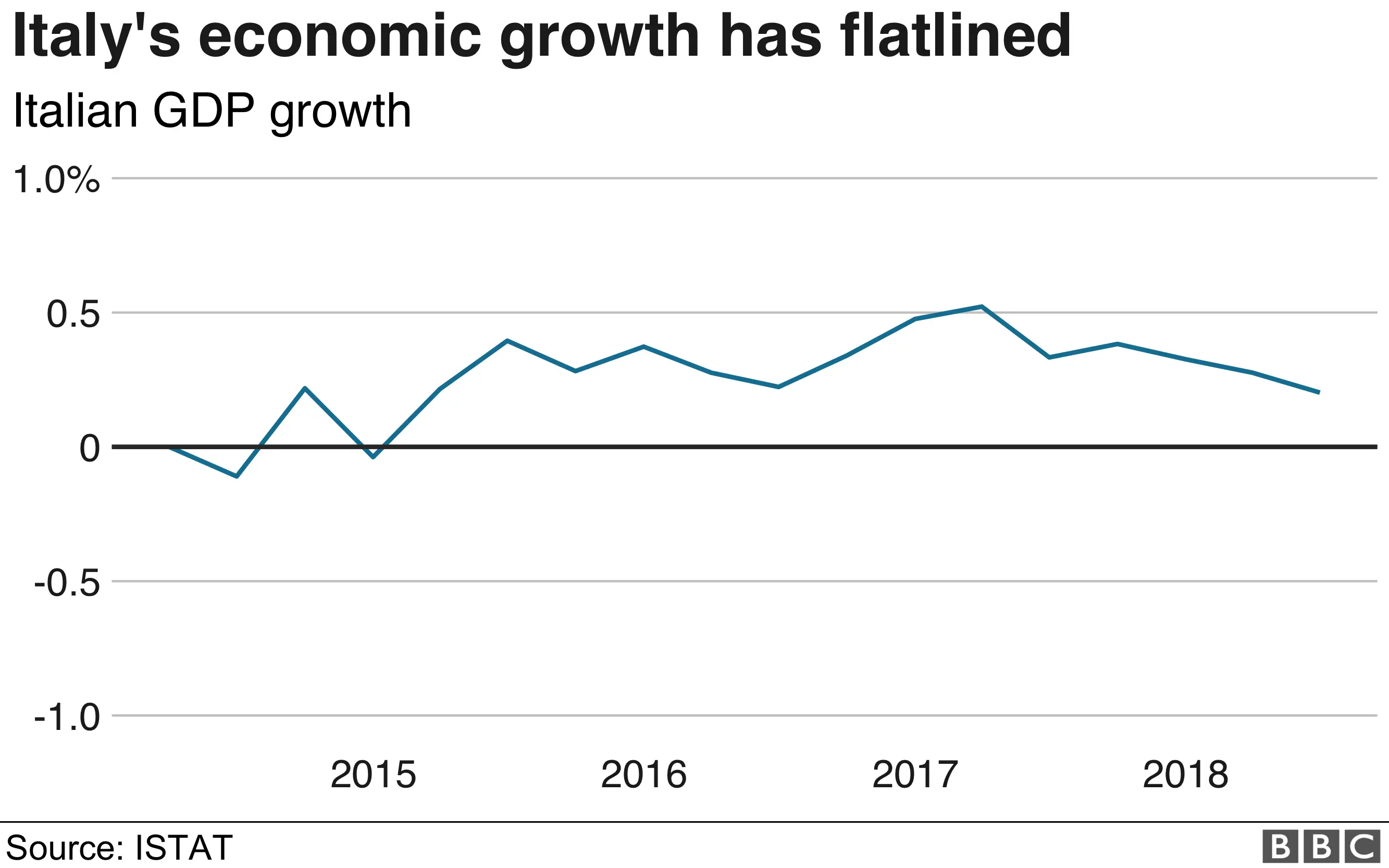
At its core, Italy’s economy embodies the principles of a capitalist system where the majority of goods and services are produced by private companies. However, the state plays a crucial role through public services, social safety nets, regulation, and direct involvement in certain key industries, particularly infrastructure and energy. This blend positions Italy distinctively within the global economic landscape, representing a powerful G7 member and the third-largest economy in the Eurozone. Its economic character is heavily influenced by a distinctive entrepreneurial spirit, a deep-rooted manufacturing tradition, and a strong emphasis on quality and design that has given rise to the globally recognized “Made in Italy” brand.
Defining Italy’s Economic System: A Mixed Market Approach
Italy’s economic structure is a quintessential example of a mixed market economy, balancing the dynamism of private enterprise with the stability and social welfare provisions typically associated with state intervention. This hybrid model has evolved significantly since the post-war period, shaped by both national policy choices and the integrating forces of European unification.
The Blend of Private Enterprise and State Influence
The vast majority of economic activity in Italy is driven by the private sector, ranging from multinational corporations to a dense network of small and medium-sized enterprises (SMEs). Entrepreneurship is a defining characteristic, with a strong focus on family-owned businesses that often span generations. These private entities operate within a market framework guided by supply and demand, fostering competition and innovation.
However, the Italian state maintains a significant, albeit evolving, presence. Public expenditure accounts for a substantial portion of the GDP, funding extensive social security programs, healthcare, education, and public infrastructure projects. While a wave of privatizations in the 1990s reduced the state’s direct ownership in many sectors, key strategic areas like energy, transport, and finance still see considerable state or quasi-state involvement through entities like ENI (energy) and Leonardo (aerospace and defense). The government also plays a vital regulatory role, establishing frameworks for labor, environmental protection, and competition, influencing business conduct across the board.
Social Market Principles
Beyond direct intervention, Italy’s economic system is underpinned by strong social market principles. This means that economic policies often aim to achieve not just efficiency and growth, but also social cohesion, equity, and protection for vulnerable groups. Labor laws are relatively stringent, designed to protect workers’ rights and ensure fair working conditions. Extensive social safety nets, including unemployment benefits, pensions, and healthcare, are integral components of the system, reflecting a commitment to a welfare state model. This emphasis on social protection, while providing stability, can sometimes add to the cost of doing business and contribute to fiscal pressures.
The EU Framework
As a founding member of the European Union and the Eurozone, Italy’s economy operates under a comprehensive supranational framework. Membership entails adhering to EU single market regulations, free movement of goods, services, capital, and people, as well as common competition policies. The adoption of the Euro in 1999 eliminated exchange rate risks within the Eurozone, fostering deeper integration but also removing national monetary policy as a tool for economic stabilization. Fiscal policies, while largely national, are subject to EU budgetary rules, which aim to ensure macroeconomic stability across the bloc. This external framework significantly shapes Italy’s economic environment, providing both opportunities for market access and constraints on national economic maneuvering.
Pillars of the Italian Economy: Key Sectors and Industries
The resilience and structure of Italy’s economy are built upon a diverse range of sectors, each contributing uniquely to its output and global standing. While often stereotyped for fashion and food, the industrial base is far broader and more sophisticated.
Manufacturing Excellence: “Made in Italy”
Manufacturing remains the bedrock of the Italian economy, celebrated globally for its quality, innovation, and distinctive design. The “Made in Italy” brand is synonymous with high-value products, particularly in specific niche markets. Key sub-sectors include:
- Luxury Goods and Fashion: Italy is a global leader in high-end fashion, leather goods, footwear, and jewelry, home to iconic brands like Gucci, Prada, Versace, and Armani. This sector thrives on craftsmanship, design prowess, and strong branding.
- Automotive: While facing increased international competition, Italy boasts a strong heritage in automotive design and engineering, particularly for luxury sports cars (Ferrari, Lamborghini, Maserati) and specialized components.
- Machinery and Industrial Equipment: Italy is a significant exporter of advanced machinery, robotics, and precision engineering products used across various industries worldwide, reflecting its strong engineering base.
- Furniture and Interior Design: Italian furniture and home goods are highly sought after for their contemporary design and quality, embodying the nation’s aesthetic sensibility.
A Robust Service Sector
The service sector is the largest contributor to Italy’s GDP, employing the majority of its workforce. This broad category encompasses a wide array of activities:
- Tourism: Leveraging its immense cultural heritage, stunning landscapes, and culinary traditions, Italy is one of the world’s most popular tourist destinations. Tourism is a vital source of revenue and employment, supporting a vast ecosystem of hotels, restaurants, and related services.
- Financial Services: Milan is a significant financial hub, and the banking and insurance sectors are well-developed, supporting both domestic businesses and international transactions.
- Wholesale and Retail Trade: A dense network of commercial activities facilitates the distribution of goods throughout the country and beyond.
- Professional Services: Legal, consulting, IT, and other professional services are crucial for supporting the complex business environment.
Agriculture: A Niche, High-Value Contributor
While a smaller percentage of GDP, Italian agriculture is highly specialized and contributes significantly to the nation’s cultural identity and export profile. Known for its high-quality produce, wine, olive oil, and various Protected Designation of Origin (PDO) and Protected Geographical Indication (PGI) products, Italian agribusiness commands premium prices globally. Sustainable farming practices and organic production are growing trends within the sector.
Small and Medium-Sized Enterprises (SMEs) as the Backbone
A defining feature of the Italian economy is the dominance of SMEs. These companies, often family-owned, are highly flexible, innovative, and deeply embedded in local industrial districts. They are crucial for employment, innovation, and the production of specialized goods that feed into larger supply chains, particularly in manufacturing and luxury goods. While offering resilience and unique competitive advantages, their smaller scale can sometimes pose challenges in accessing finance, scaling up, and navigating complex international markets.
Historical Evolution and Modern Challenges
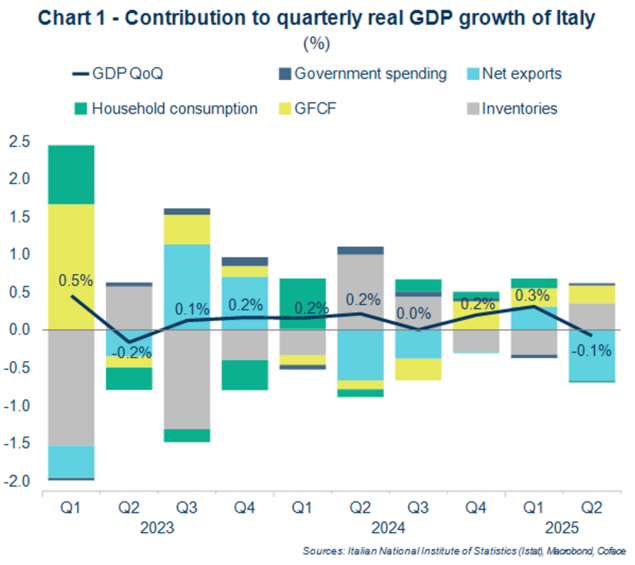
Italy’s economic journey has been marked by periods of remarkable growth and persistent structural issues, influencing its current economic landscape.
Post-War Economic Miracle
Following World War II, Italy experienced an extraordinary “economic miracle” (il boom economico) characterized by rapid industrialization, urbanization, and significant improvements in living standards. Driven by cheap labor, foreign aid, and a strong push towards manufacturing, the country transformed from an agrarian society into a major industrial power within a few decades. This period laid the foundation for its modern industrial base and integration into European economic structures.
Structural Issues: Public Debt and Bureaucracy
Despite its strengths, Italy grapples with long-standing structural challenges. A persistently high public debt-to-GDP ratio, stemming from decades of deficits and slow growth, remains a major concern, limiting fiscal flexibility and raising questions about long-term sustainability. Another significant hurdle is administrative inefficiency and bureaucracy, which can hinder business creation, deter foreign investment, and slow down crucial infrastructure projects. The complexities of the legal system and the pace of justice also contribute to these difficulties.
Demographic Shifts and Labor Market Dynamics
Italy faces significant demographic challenges, including one of the lowest birth rates in Europe and a rapidly aging population. This trend has profound implications for the labor market, pension systems, and future economic growth. The labor market itself is characterized by persistent unemployment, particularly among youth, and a dual structure with a relatively protected segment of long-term employees alongside a growing number of temporary and precarious workers. Efforts to reform labor laws and promote greater flexibility are ongoing.
Regional Disparities
A notable feature of the Italian economy is the stark disparity between the more prosperous, industrialized North and the economically less developed South (Mezzogiorno). Historical factors, infrastructure gaps, and varying levels of investment have contributed to significant differences in income per capita, employment rates, and industrialization. Bridging this gap remains a critical national policy objective, requiring targeted investments and structural reforms.
Italy’s Role in the Global Economic Landscape
Italy is not merely an internal economic entity but a vital player on the global stage, deeply integrated into international trade and financial systems.
A Major Eurozone Player
As the third-largest economy in the Eurozone (after Germany and France), Italy’s economic health has significant implications for the stability and performance of the entire currency bloc. Its size and interconnectedness mean that its economic challenges or successes can reverberate across European markets and beyond. It is a key contributor to the EU’s overall GDP and trade volume.
Trade and Export Powerhouse
Italy is a significant global exporter, leveraging its “Made in Italy” reputation and specialized manufacturing capabilities. Its principal export markets include other EU countries (Germany, France, Spain) and major global partners like the United States and China. Key exports range from machinery, automotive products, and pharmaceuticals to fashion, food, and beverages. A strong export performance is crucial for national economic growth and for mitigating the impact of domestic demand fluctuations.
Foreign Direct Investment (FDI) Considerations
While Italy has a robust domestic business environment, attracting foreign direct investment (FDI) has been a continuous policy focus. While specific sectors like luxury goods and infrastructure have seen substantial foreign interest, the overall level of FDI, relative to its economic size, has sometimes lagged behind some European peers. Addressing bureaucratic hurdles, ensuring legal certainty, and fostering a more competitive tax environment are key areas for improvement to further enhance Italy’s attractiveness as an investment destination.
Navigating the Future: Opportunities and Reforms
Looking ahead, Italy is actively pursuing reforms and leveraging emerging opportunities to ensure its long-term economic prosperity and competitiveness.
Digital Transformation and Innovation
Recognizing the imperative of the digital age, Italy is investing in digital infrastructure, promoting digital literacy, and encouraging innovation across industries. Initiatives like “Industry 4.0” aim to modernize manufacturing through automation, AI, and big data. Supporting tech startups and integrating digital tools into public services are crucial for boosting productivity and creating new economic avenues.
Green Economy Initiatives
Italy is increasingly focusing on the green economy, driven by both environmental concerns and the economic potential of sustainable development. Investments in renewable energy, circular economy models, energy efficiency, and sustainable tourism are gaining traction. This shift not only aligns with EU climate goals but also presents opportunities for job creation and leadership in eco-friendly technologies and practices.
Attracting Investment and Boosting Competitiveness
Efforts are underway to improve the business climate, streamline administrative processes, and make Italy a more attractive destination for both domestic and foreign investment. Tax reforms, simplification of regulatory frameworks, and targeted incentives are being explored to enhance competitiveness, encourage entrepreneurship, and stimulate economic growth.
Fiscal Responsibility and Public Debt Reduction
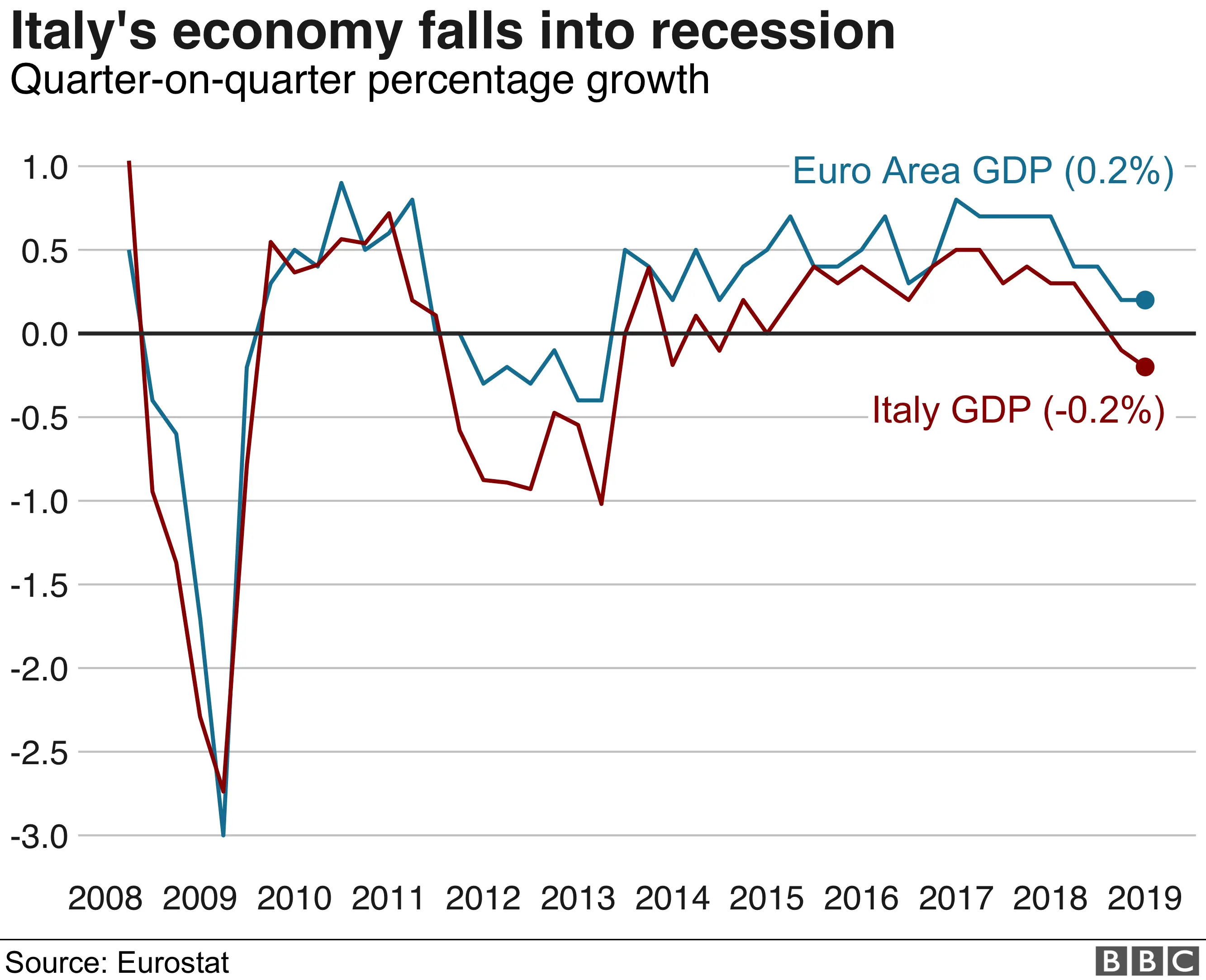
Addressing the high public debt remains a top priority. This involves a combination of fiscal consolidation measures, such as controlling public spending and enhancing tax collection efficiency, alongside structural reforms aimed at boosting economic growth. Sustainable debt management is essential for maintaining investor confidence and ensuring long-term financial stability.
In conclusion, Italy’s economy is a dynamic mixed market system, characterized by a powerful manufacturing base, a vibrant service sector, and a dense network of adaptable SMEs, all operating within the regulatory framework of the European Union. While facing persistent challenges such as high public debt, regional disparities, and demographic shifts, Italy is actively engaged in structural reforms and strategic investments to harness new opportunities in digital transformation and the green economy. Its unique blend of tradition, innovation, and unwavering commitment to quality ensures its enduring significance in the global economic arena.
aViewFromTheCave is a participant in the Amazon Services LLC Associates Program, an affiliate advertising program designed to provide a means for sites to earn advertising fees by advertising and linking to Amazon.com. Amazon, the Amazon logo, AmazonSupply, and the AmazonSupply logo are trademarks of Amazon.com, Inc. or its affiliates. As an Amazon Associate we earn affiliate commissions from qualifying purchases.