
SUVs have undeniably captured the hearts and driveways of consumers worldwide. From their commanding road presence and versatile cargo space to their perceived safety and robust capability, these vehicles offer an enticing blend of practicality and style. However, in an era of fluctuating fuel prices and increasing environmental consciousness, the question “what SUV has the best mileage?” transcends mere curiosity; it becomes a critical financial inquiry. For the savvy consumer, choosing an SUV isn’t just about horsepower or aesthetics; it’s a significant personal finance decision that impacts monthly budgets, long-term savings, and overall financial well-being.

This article delves exclusively into the financial considerations of SUV mileage. We’ll explore how fuel efficiency impacts your wallet, dissect the categories of SUVs that offer better economy, spotlight the game-changing role of hybrid and electric models, and arm you with the financial strategies needed to make an informed, money-smart choice in the SUV market. Our focus remains steadfastly on the monetary implications, ensuring you understand how to maximize value and minimize expenditure in your next SUV purchase.
Understanding Mileage and Its Financial Impact
At its core, mileage, or miles per gallon (MPG), is a direct indicator of a vehicle’s fuel efficiency. For SUVs, which are often heavier and less aerodynamic than sedans, achieving good mileage can be a considerable engineering challenge. Yet, for the consumer, better mileage translates directly into tangible financial savings, impacting everything from daily commuting costs to the vehicle’s overall long-term financial viability.
Beyond the Pump: Total Cost of Ownership (TCO)
While the initial purchase price and monthly loan payments grab immediate attention, a truly comprehensive financial assessment of an SUV must consider its Total Cost of Ownership (TCO). Fuel costs are often the most significant variable component of TCO, especially over a vehicle’s lifespan. An SUV with higher MPG consumes less fuel, leading to substantial savings that accumulate over years of ownership. Consider two SUVs with similar purchase prices but one gets 20 MPG and the other 30 MPG. Over 15,000 miles annually, with gas at $3.50/gallon, the 30 MPG vehicle saves approximately $875 per year. Over a five-year ownership period, that’s $4,375 – money that could have been saved, invested, or used for other financial goals. While TCO also encompasses factors like insurance, maintenance, and depreciation, fuel efficiency directly and consistently impacts your cash flow, making it a pivotal financial metric.
EPA Ratings: Your Financial Compass
The Environmental Protection Agency (EPA) provides standardized fuel economy ratings (MPG for city, highway, and combined driving) for all new vehicles sold in the U.S. These ratings are not just numbers; they are crucial financial tools. The “combined” MPG figure offers a realistic average of what you can expect in mixed driving conditions, directly informing your estimated annual fuel expenditure. Many vehicles also come with an “estimated annual fuel cost” sticker, which is calculated based on EPA figures and a standardized national average for gasoline prices and annual mileage (usually 15,000 miles). This sticker can be an invaluable, albeit estimated, financial comparison tool when cross-shopping different SUV models. It provides a quick snapshot of how much more or less you might spend on gas each year, making the financial implications of varying MPGs immediately apparent.
The Hidden Costs of Poor Mileage
Beyond the obvious higher spend at the gas pump, inefficient SUVs carry several hidden financial costs. Firstly, there’s the opportunity cost. Every dollar spent unnecessarily on fuel is a dollar that couldn’t be saved, invested, or used to pay down debt. Over time, these seemingly small, recurrent expenses erode your potential for wealth accumulation. Secondly, resale value can be impacted. As fuel prices remain volatile and consumer demand shifts towards more economical vehicles, an SUV with notably poor mileage might depreciate faster or be harder to sell in the secondary market, ultimately costing you more when it’s time to upgrade. Furthermore, reliance on more frequent fill-ups translates to more time spent at gas stations, an intangible cost but one that diverts valuable time away from income-generating activities or personal enrichment. Understanding these less obvious financial drains reinforces the paramount importance of fuel efficiency in your SUV selection process.
Navigating the Landscape: SUV Types and Their Efficiency
The SUV market is incredibly diverse, ranging from nimble subcompacts to colossal full-size models. Naturally, their size, weight, and powertrain configurations directly influence their fuel efficiency. Recognizing these distinctions is the first step in aligning your SUV choice with your financial objectives.
Subcompact and Compact SUVs: The Mileage Leaders
If maximizing fuel economy is a top financial priority, subcompact and compact SUVs generally represent the best traditional gasoline-powered options. Their smaller footprint, lighter curb weight, and typically less powerful engines contribute to superior MPG figures compared to their larger counterparts. Models like the Honda HR-V, Toyota Corolla Cross, Hyundai Kona, Kia Seltos, and Mazda CX-30 often hover in the high 20s to low 30s for combined MPG, which is quite impressive for the SUV segment.
Financially, these vehicles are excellent choices for urban dwellers, commuters, or individuals and small families who don’t require extensive cargo capacity or heavy-duty towing. Their lower acquisition cost, combined with significantly reduced fuel expenses, makes them highly attractive from a total cost of ownership perspective. They offer SUV versatility without the premium fuel bill often associated with larger models, freeing up more of your budget for other financial goals.
Mid-Size SUVs: Balancing Utility and Economy
Mid-size SUVs occupy a popular middle ground, offering a more generous interior space, comfortable seating for five (and sometimes seven), and greater cargo volume than compacts, without the sheer bulk of full-size models. This segment represents a trade-off: you gain utility but often see a slight dip in conventional gasoline MPG compared to smaller SUVs. However, this is also where hybrid technology truly shines and becomes a pivotal financial consideration.
Many popular mid-size SUVs now offer highly efficient hybrid variants that significantly boost their fuel economy. The Toyota RAV4 Hybrid, Honda CR-V Hybrid, Hyundai Santa Fe Hybrid, and Kia Sorento Hybrid are prime examples, often delivering combined MPG ratings in the mid-to-high 30s. From a financial standpoint, investing in a hybrid mid-size SUV can often justify its slightly higher purchase price through substantial long-term fuel savings, especially for families who drive considerable distances. It’s a strategic choice for those who need more space but are unwilling to compromise heavily on their fuel budget, making it an excellent blend of practicality and financial prudence.
Full-Size SUVs: The Efficiency Challenge
Full-size SUVs are built for maximum passenger and cargo capacity, robust towing capabilities, and often more powerful engines. Their substantial weight and larger engines inherently mean they present the greatest challenge in terms of fuel efficiency. Traditional gasoline-powered full-size SUVs, such as the Chevrolet Tahoe, Ford Expedition, and Nissan Armada, typically return combined MPG figures in the low to mid-teens. For a financially conscious buyer, this means significantly higher annual fuel expenditures.
However, even in this segment, manufacturers are increasingly introducing hybrid options to mitigate the financial burden. The Toyota Sequoia Hybrid, for instance, offers a notable improvement over its gasoline-only counterparts. While a full-size SUV will always demand a higher fuel budget due to its design, selecting a hybrid variant can still lead to considerable savings over time. For those whose needs genuinely necessitate a full-size SUV, carefully calculating the long-term fuel costs and exploring hybrid alternatives are crucial financial steps to avoid unexpectedly high operational expenses. Understanding these inherent efficiency challenges allows buyers to budget appropriately or explore alternatives that better align with their long-term financial health.
The Hybrid and Electric Revolution: A Financial Game-Changer
The automotive industry is undergoing a seismic shift towards electrification, and SUVs are at the forefront of this revolution. For financially astute buyers, hybrid, plug-in hybrid (PHEV), and all-electric (EV) SUVs represent not just a technological advancement but a fundamental reshaping of vehicle ownership costs, particularly concerning fuel expenditure.
Hybrid SUVs: Bridging the Gap
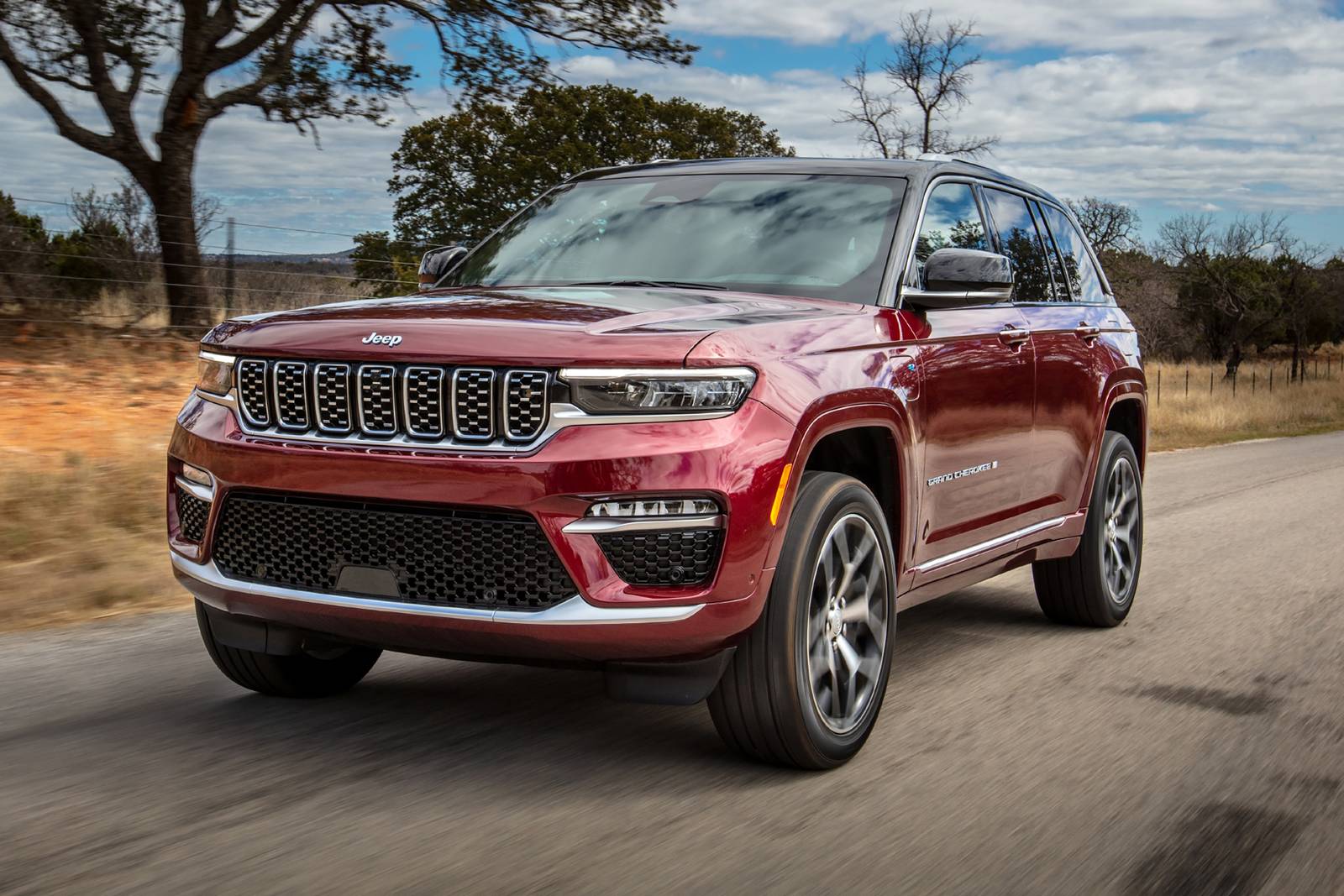
Hybrid SUVs combine a gasoline internal combustion engine with an electric motor and a small battery pack. The electric motor assists the gasoline engine, particularly at lower speeds and during acceleration, and can power the vehicle on electricity alone for short distances. This synergy significantly boosts fuel economy, especially in stop-and-go city driving where traditional gasoline engines are least efficient.
From a financial perspective, hybrid SUVs like the Toyota RAV4 Hybrid, Honda CR-V Hybrid, and Kia Sorento Hybrid are incredibly compelling. They often achieve combined MPG ratings in the high 30s to low 40s, offering substantial savings at the pump compared to their non-hybrid counterparts. While they might carry a slightly higher sticker price, the immediate and ongoing fuel savings typically offset this premium over a few years of ownership, leading to a lower total cost of ownership. For consumers seeking a seamless transition into more efficient driving without range anxiety or the need for external charging, hybrid SUVs offer a financially smart and practical solution that delivers significant savings on gasoline.
Plug-in Hybrid Electric Vehicle (PHEV) SUVs: Supercharging Savings
PHEV SUVs take the hybrid concept further by incorporating a larger battery pack that can be charged from an external power source. This allows PHEVs to travel a significant distance (typically 20-50 miles) purely on electricity before the gasoline engine even kicks in. Once the electric range is depleted, they function like a conventional hybrid.
The financial advantage of a PHEV is immense, particularly for commuters. If your daily driving falls within the electric-only range, you could potentially complete most of your commutes without using a drop of gasoline, effectively eliminating daily fuel costs. Examples like the Toyota RAV4 Prime, Kia Sportage PHEV, and Hyundai Tucson PHEV offer impressive electric ranges and then transition to excellent hybrid MPG. Furthermore, many PHEVs qualify for federal tax credits and state incentives, which can significantly reduce the effective purchase price, making them an even more financially attractive option. For those with access to charging (either at home or work) and a desire to minimize gasoline consumption, PHEVs offer a robust path to substantial, ongoing financial savings.
All-Electric (EV) SUVs: The Ultimate Fuel Cost Reduction
All-electric SUVs, such as the Tesla Model Y, Hyundai Ioniq 5, Kia EV6, and Ford Mustang Mach-E, represent the ultimate evolution in fuel efficiency by eliminating gasoline entirely. Instead of fuel costs, owners pay for electricity. While electricity prices vary, the cost per mile to power an EV is typically significantly lower than the cost per mile for gasoline. For instance, charging an EV at home overnight (especially during off-peak hours) can be incredibly inexpensive, potentially costing just a few cents per mile.
The financial benefits extend beyond direct “fuel” savings. EVs often require less maintenance due to fewer moving parts (no oil changes, spark plugs, or complex exhaust systems). Like PHEVs, many EV SUVs are eligible for federal tax credits and various state and local incentives, further reducing the acquisition cost. Over the lifespan of the vehicle, the complete absence of gasoline expenses, combined with reduced maintenance, translates into massive financial savings. While the initial purchase price of EVs can sometimes be higher, the long-term financial benefits, coupled with the environmental advantages, position them as the most financially savvy choice for consumers ready to fully embrace the electric revolution and sever ties with the gas pump.
Smart Financial Strategies for SUV Ownership
Selecting an SUV with the “best mileage” is a multi-faceted financial decision. It requires looking beyond the sticker price and considering the complete financial picture over the vehicle’s ownership period. Employing smart financial strategies ensures that your SUV choice not only meets your practical needs but also supports your broader financial health.
Calculating Your True Savings
To truly understand the financial benefit of an SUV with better mileage, you need to calculate your potential savings. Start by estimating your annual mileage (e.g., 12,000 miles). Then, identify the average price of gasoline in your area (e.g., $3.50/gallon).
- For SUV A (e.g., 20 MPG): Annual fuel consumption = 12,000 miles / 20 MPG = 600 gallons. Annual fuel cost = 600 gallons * $3.50/gallon = $2,100.
- For SUV B (e.g., 30 MPG): Annual fuel consumption = 12,000 miles / 30 MPG = 400 gallons. Annual fuel cost = 400 gallons * $3.50/gallon = $1,400.
In this scenario, choosing SUV B saves you $700 per year in fuel costs. Over five years, that’s $3,500. Now, factor in the difference in purchase price. If SUV B costs $2,000 more upfront, you’d recoup that difference in less than three years ($2,000 / $700 per year ≈ 2.86 years). This type of simple calculation helps you determine the payback period and the long-term financial advantage of a more fuel-efficient option, allowing you to prioritize the overall value over the initial sticker shock.
Beyond MPG: Driving Habits and Maintenance
While an SUV’s inherent MPG rating is critical, your driving habits and diligence in maintenance significantly impact real-world fuel economy and, consequently, your financial outlay. Aggressive driving—rapid acceleration, hard braking, and excessive speeding—can reduce fuel efficiency by 15-30% at highway speeds and 10-40% in stop-and-go traffic. Adopting smoother driving techniques, maintaining consistent speeds, and anticipating traffic can lead to noticeable savings at the pump.
Equally important is routine vehicle maintenance. Underinflated tires can reduce gas mileage by about 0.2% for every 1 PSI drop in pressure of all four tires. A clogged air filter can reduce mileage by up to 10%. Regular oil changes, tire rotations, and keeping your engine properly tuned ensure your SUV operates at its peak efficiency, protecting both your investment and your fuel budget. These seemingly minor habits and maintenance tasks collectively contribute to optimizing your SUV’s fuel economy and preserving your financial resources.
Future-Proofing Your Investment
When considering an SUV, think about its longevity and how future market conditions might impact its value. The global push towards electrification and increasing awareness of climate change suggest that demand for highly efficient or electric vehicles will only grow. An SUV chosen today with excellent mileage (especially a hybrid or EV) is likely to retain its value better in a future market where fuel prices may continue to rise, and regulations on emissions become stricter.
Conversely, a gas-guzzling SUV, while potentially cheaper upfront, might become a financial liability down the line due to prohibitive running costs and reduced desirability in the resale market. Making a forward-looking decision aligns your vehicle purchase with long-term financial planning, protecting your investment and ensuring that your chosen SUV remains a financially sound asset rather than a drain on your resources. This strategic thinking transforms a simple vehicle purchase into a sophisticated financial play.
Conclusion
The question “what SUV has the best mileage?” is fundamentally a question about smart personal finance. In an automotive landscape increasingly dominated by SUVs, understanding the monetary implications of fuel efficiency is paramount. From the immediate savings at the pump to the long-term impact on your total cost of ownership, resale value, and overall budget, mileage plays a pivotal role in the financial health of SUV owners.
We’ve explored how smaller SUVs generally lead in conventional gasoline efficiency, how mid-size options offer a balanced utility, and how full-size models present the greatest efficiency challenge. Crucially, we’ve highlighted the transformative financial benefits of hybrid, plug-in hybrid, and all-electric SUVs, which are not merely technological marvels but powerful tools for drastically reducing or eliminating your fuel expenses.
Ultimately, the “best” SUV for you isn’t just about the highest MPG number; it’s about the vehicle that best aligns with your driving needs, budget, and long-term financial goals. By applying sound financial strategies – calculating true savings, adopting efficient driving habits, prioritizing maintenance, and considering future market trends – you can make an SUV purchase that is not only practical and enjoyable but also a financially astute investment. Choosing an SUV with an eye on its mileage isn’t just about environmental responsibility; it’s a strategic move towards greater personal financial freedom and security.
aViewFromTheCave is a participant in the Amazon Services LLC Associates Program, an affiliate advertising program designed to provide a means for sites to earn advertising fees by advertising and linking to Amazon.com. Amazon, the Amazon logo, AmazonSupply, and the AmazonSupply logo are trademarks of Amazon.com, Inc. or its affiliates. As an Amazon Associate we earn affiliate commissions from qualifying purchases.