
The economic relationship between Canada and the United States stands as one of the most significant and dynamic bilateral trade partnerships in the world. Far more than just neighbors, these two nations share an intricate web of supply chains, investments, and consumer markets that profoundly impact the financial health and prosperity of both. Understanding “what products come from Canada to the US” is not merely an inventory exercise; it’s an exploration into the underlying economic engines, financial flows, and strategic interdependencies that define North American commerce. This article delves into the financial implications of this robust trade, dissecting the key sectors, their monetary value, and the broader economic context that shapes this vital cross-border exchange.
The Economic Bedrock: Understanding the Canada-US Trade Nexus
At its core, the Canada-US trade relationship is a testament to geographic proximity, shared values, and integrated economies. The sheer volume and value of goods and services crossing the longest undefended border in the world represent a financial powerhouse, underpinning countless industries and livelihoods.
A Trillion-Dollar Relationship
The bilateral trade relationship between Canada and the United States is often described as a trillion-dollar enterprise, with hundreds of billions of dollars in goods and services flowing in both directions annually. Canada is the largest foreign supplier of energy to the U.S. and a top trading partner for the majority of U.S. states. This enormous financial exchange is not merely transactional; it signifies deeply integrated supply chains where components might cross the border multiple times before a finished product reaches a consumer. For businesses, this integration means optimized production, reduced costs, and expanded market access, directly translating into financial efficiencies and revenue growth. Investors on both sides of the border find fertile ground in the stability and interdependence of these markets, channeling capital into manufacturing, energy, technology, and service sectors. The financial stakes are immense, as any disruption to this flow can have immediate and widespread economic repercussions for industries, employment, and national GDPs.
Key Drivers of Bilateral Trade
Several factors underpin the enduring strength and financial viability of Canada-US trade. Beyond geography, the evolution of trade agreements, notably NAFTA and its successor, the United States-Mexico-Canada Agreement (USMCA), has systematically dismantled trade barriers, creating a predictable and financially attractive environment for cross-border commerce. These agreements provide legal frameworks for dispute resolution, intellectual property protection, and market access, significantly reducing transaction costs and investment risks for businesses. Complementary economies also play a crucial role; Canada’s rich natural resources and strong manufacturing capabilities complement the diverse industrial and consumer demands of the vast U.S. market. Furthermore, shared cultural aspects, similar regulatory standards, and a largely frictionless border environment facilitate easier movement of goods, services, and capital, minimizing the financial overhead associated with international trade.
Measuring the Financial Flow
Tracking the financial flow of products from Canada to the US involves sophisticated statistical analysis and economic indicators. Government agencies in both countries meticulously record imports, exports, and investment flows, providing critical data for economists, policymakers, and businesses. Key metrics include the balance of trade (the difference between exports and imports), which offers insights into a country’s economic health and competitiveness. For Canada, a positive trade balance with the U.S. in specific sectors often signals strong demand for its products and contributes to national income. The mechanisms of financial settlement, ranging from traditional letters of credit to modern digital payment platforms, ensure the smooth and secure transfer of funds, facilitating the high volume of daily transactions. Understanding these financial flows is essential for businesses planning market entry, investors seeking opportunities, and governments formulating trade policies.
Canada’s Top Export Sectors to the US: A Financial Perspective
Canada’s economic landscape is characterized by its abundant natural resources and advanced manufacturing capabilities, sectors that form the backbone of its exports to the US, bringing in billions of dollars annually.
Energy: Fueling the American Economy
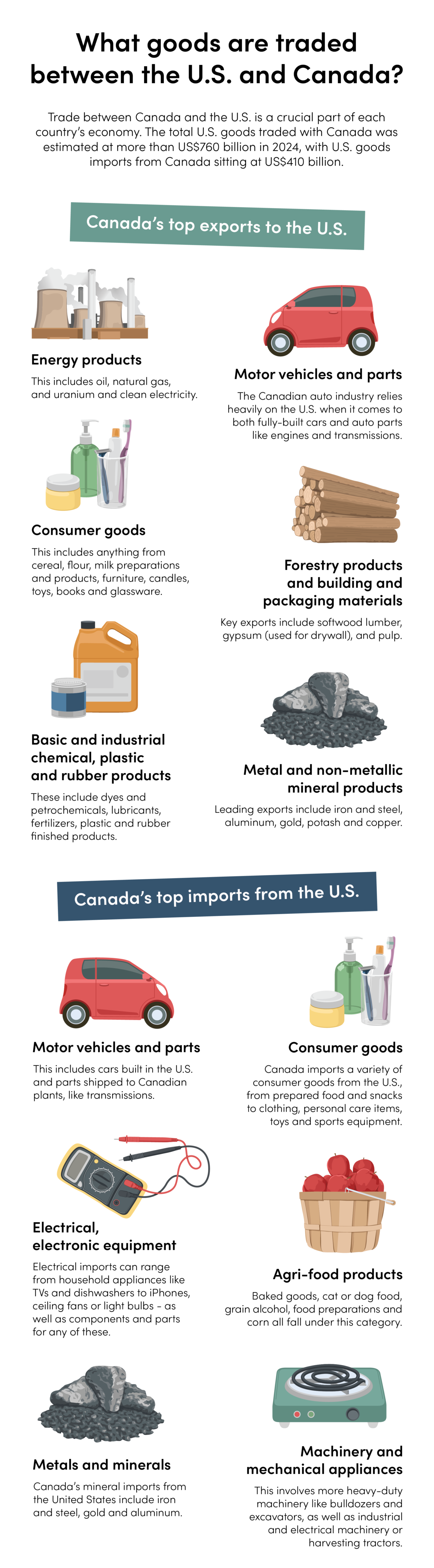
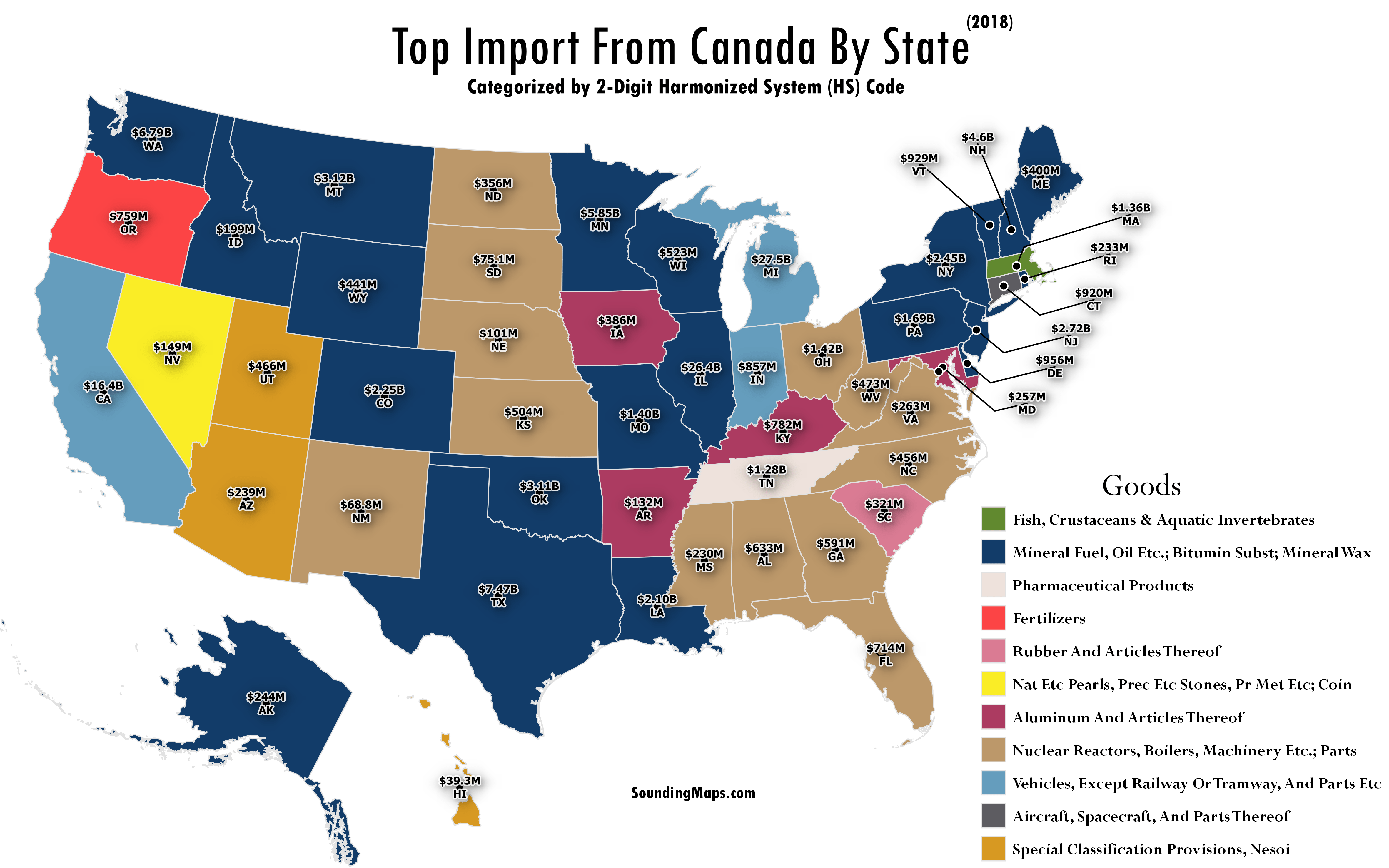
Energy products represent, by far, Canada’s largest export category to the United States, carrying immense financial weight. Crude petroleum and natural gas pipeline exports alone constitute a massive financial stream, positioning Canada as the largest foreign supplier of oil and gas to the US. This trade ensures American energy security and provides Canada with substantial revenue that fuels its national economy. Beyond raw hydrocarbons, refined petroleum products (gasoline, diesel) and electricity also contribute significantly to this sector’s financial impact. The infrastructure supporting this trade, including extensive pipeline networks, power grids, and rail systems, represents billions in capital investment on both sides of the border. The financial markets for oil and gas, with prices fluctuating daily, directly influence the profitability of Canadian energy companies and the energy costs for American consumers and industries.
Automotive: Integrated Supply Chains, Shared Profits
The automotive industry exemplifies the deep integration of Canadian and American manufacturing. Vehicles (cars, trucks, and SUVs) and automotive parts are major Canadian exports, reflecting a continental approach to production where components may cross the border several times during assembly. Major automakers have significant investments in both countries, with plants in Canada producing vehicles primarily for the lucrative US market. This sector’s financial importance cannot be overstated; it supports hundreds of thousands of jobs in both nations, from factory floors to dealerships. The profitability of these multinational corporations is intrinsically linked to the efficient flow of goods across the border, and any disruption to this supply chain, or changes in tariffs, can have immediate and significant financial consequences for manufacturers, workers, and consumers.
Minerals and Metals: Industrial Foundations
Canada is rich in critical minerals and metals, many of which are essential inputs for American manufacturing and infrastructure development. Exports include aluminum, nickel, iron ore, copper, gold, and potash. Aluminum, in particular, is a cornerstone export, crucial for sectors ranging from aerospace to automotive in the US. Potash, a key agricultural input, supports American food production, highlighting the financial interdependence in even seemingly disparate sectors. These raw and semi-finished materials feed a diverse array of US industries, contributing to their output and profitability. The global commodity markets dictate the financial value of these exports, making this sector susceptible to price fluctuations but also offering significant revenue opportunities during periods of high demand.
Forest Products: Sustainable Wealth from Nature
Canada’s vast forests are a source of significant wealth, with lumber, pulp, and paper products forming another critical export category to the US. Softwood lumber, used extensively in American residential and commercial construction, is a primary driver of this trade. The financial health of Canadian forestry companies is often tied directly to the US housing market, with building booms translating into increased demand and higher revenues. Pulp and paper products also find extensive use in packaging, printing, and sanitary products across the US economy. This sector not only generates billions in export revenue but also supports regional economies in Canada and provides essential materials for a wide range of American industries.
Agriculture and Food: Feeding a Continent
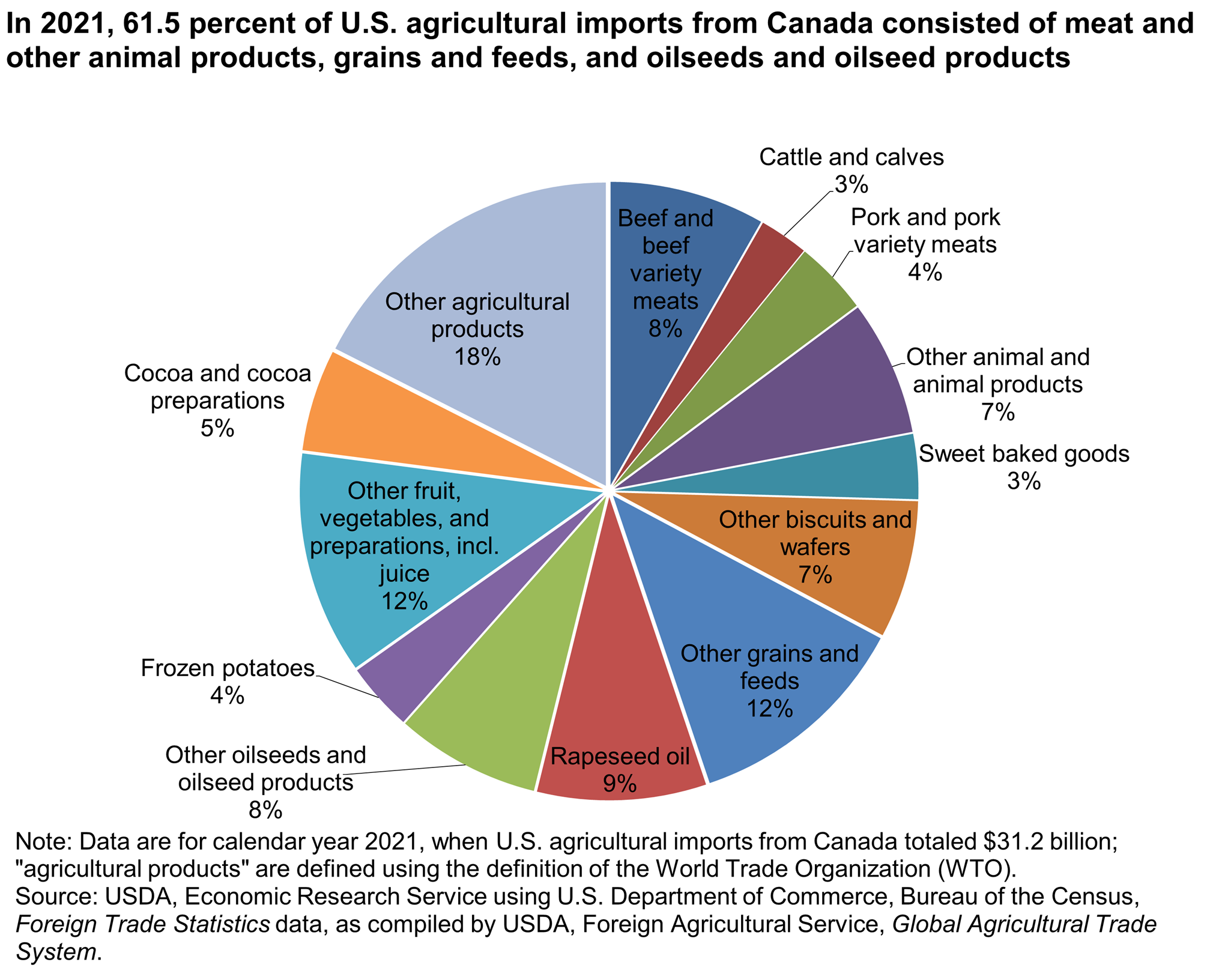
Canadian agriculture plays a vital role in feeding the US market, contributing significantly to food security across the continent. Key exports include grains (wheat, canola), live animals (cattle for breeding and processing), meat, seafood, and a growing range of processed food products. The financial dynamics here are driven by commodity prices, consumer demand, and agricultural policies. For Canadian farmers and food processors, access to the large and diverse US market is crucial for profitability and growth. This trade benefits American consumers with a wider variety of food products and competitive pricing, while supporting the agribusiness sector in both countries.
Beyond Commodities: High-Value Goods and Services
While natural resources dominate the value of Canadian exports to the US, a growing segment of high-value manufactured goods, technology, and services contributes significantly to the sophisticated financial architecture of the bilateral relationship.
Aerospace and Advanced Manufacturing
Canada’s aerospace industry is a global leader, with its specialized aircraft components, simulators, and services finding a substantial market in the US. Companies like Bombardier, though diversified, have a historical footprint in this sector. Exports in advanced manufacturing also include specialized machinery and equipment, often tailored for specific industrial applications. These high-value products represent significant investments in research and development (R&D) and skilled labor, yielding higher profit margins and contributing to the financial strength of Canada’s innovation economy. The trade in these sophisticated goods highlights a shift towards more complex and knowledge-intensive exports.
Pharmaceuticals and Medical Devices
The healthcare sector has seen increasing cross-border trade, with Canadian pharmaceutical products and medical devices making their way into the US market. This includes generic and specialized drugs, diagnostic equipment, and innovative medical technologies. Driven by research excellence and robust regulatory frameworks, Canadian companies leverage access to the large US healthcare market to achieve economies of scale and generate significant revenues. The financial flow in this sector is influenced by patent protections, drug pricing policies, and the evolving healthcare needs of both populations.
The Invisible Hand: Financial Services and Intellectual Property
Beyond tangible products, the exchange of services and intellectual property forms a substantial, albeit less visible, component of Canada-US trade, generating billions in revenue. Canadian financial institutions have a strong presence in the US, offering banking, insurance, and investment services that cater to both corporate and individual clients. Consulting services, engineering, software development, and digital media exports also represent significant streams of income. The trade in intellectual property, including licensing agreements for software, patents, and copyrighted content, further underscores the knowledge-based economy’s financial contributions. These “invisible” exports generate high-value revenue and contribute to the overall economic dynamism and financial integration of the two nations.
Navigating the Financial and Regulatory Landscape
The smooth operation of the Canada-US trade pipeline is subject to various financial and regulatory factors that can impact profitability and market access.
Exchange Rates and Currency Impact
The fluctuating exchange rate between the Canadian dollar (CAD) and the US dollar (USD) is a critical factor influencing the financial viability of Canadian exports. A weaker Canadian dollar generally makes Canadian goods cheaper and more attractive for US buyers, boosting export volumes and Canadian exporters’ revenues when converted back to CAD. Conversely, a stronger Canadian dollar can make exports more expensive, potentially dampening demand. Businesses must closely monitor currency movements and often employ hedging strategies to mitigate foreign exchange risk, ensuring their financial forecasts remain robust.
Tariffs, Trade Agreements, and Business Certainty
While the USMCA has largely eliminated tariffs on most goods, specific sectors can still be subject to duties or countervailing measures, particularly during trade disputes (e.g., softwood lumber). Such measures directly increase the cost of imports, impacting the profitability of Canadian exporters and the purchasing power of US importers. Trade agreements provide a framework of certainty, reducing non-tariff barriers and standardizing regulations, which is financially beneficial for businesses operating across the border. Political stability and consistent policy application are crucial for maintaining investor confidence and predictable financial returns.
Investment and Market Access
US investment in Canadian export-oriented industries is substantial, providing capital for expansion, technology upgrades, and job creation. Similarly, Canadian companies seeking to expand their presence in the US market often make significant financial outlays for establishing distribution networks, marketing campaigns, and ensuring compliance with American regulatory standards. Gaining effective market access requires more than just a good product; it demands strategic financial planning, legal counsel, and often, local partnerships, all contributing to the financial ecosystem of cross-border trade.
Opportunities and Challenges for Future Trade
The Canada-US trade relationship is not static; it continuously evolves, presenting both new opportunities for financial growth and challenges that demand strategic navigation.
Emerging Sectors and Green Economy
Future financial growth in Canada-US trade is likely to be driven by emerging sectors, particularly those related to the green economy. Critical minerals vital for electric vehicle (EV) batteries, renewable energy technologies, and clean technology solutions represent significant new export opportunities for Canada. The increasing focus on climate change and sustainable development will drive financial investments in these areas, creating new trade flows and strengthening the economic interdependence in high-growth, innovative industries.
Supply Chain Resilience and Nearshoring
Recent global events have highlighted the vulnerabilities in extended global supply chains, prompting a strategic rethink. The emphasis on supply chain resilience and nearshoring (bringing production closer to home) presents a significant opportunity for Canada-US trade. Closer geographic proximity, political stability, and integrated infrastructure make Canada an attractive partner for US companies looking to diversify their supply chains away from distant, potentially riskier regions. This shift could lead to increased Canadian exports of manufactured goods and components, boosting the financial viability of domestic industries.
Geopolitical Factors and Economic Stability
Geopolitical shifts, global economic downturns, and protectionist sentiments can introduce volatility into the Canada-US trade relationship, posing financial risks. Maintaining a stable, predictable, and rules-based trading environment is crucial for both nations to continue reaping the financial benefits of their close economic ties. Dialogue, cooperation, and strategic alignment are essential to navigate these complexities and ensure the continued prosperity derived from their robust cross-border trade.
In conclusion, the movement of products from Canada to the US is a multifaceted economic phenomenon with profound financial implications. From massive energy exports and integrated automotive production to high-tech goods and invaluable services, this trade forms the bedrock of North American prosperity. Understanding its components, the financial flows it generates, and the dynamics that influence it is key to appreciating the enduring and evolving significance of one of the world’s most vital economic partnerships.
aViewFromTheCave is a participant in the Amazon Services LLC Associates Program, an affiliate advertising program designed to provide a means for sites to earn advertising fees by advertising and linking to Amazon.com. Amazon, the Amazon logo, AmazonSupply, and the AmazonSupply logo are trademarks of Amazon.com, Inc. or its affiliates. As an Amazon Associate we earn affiliate commissions from qualifying purchases.