
The cryptocurrency market has evolved from a niche experimental playground for cryptographers into a sophisticated global financial ecosystem. For the modern investor, the question is no longer just “if” one should own digital assets, but “what” crypto to invest in to achieve a balanced, growth-oriented portfolio. Unlike the speculative frenzy of previous years, today’s market demands a rigorous, fundamental approach similar to traditional equity analysis.
Identifying the right digital assets requires an understanding of market cycles, utility, and risk management. This guide explores the primary categories of cryptocurrencies, the logic behind selecting specific assets, and the strategic framework necessary to navigate this high-reward, high-volatility landscape.

1. Establishing a Foundation with Market Leaders (Blue Chips)
In any investment portfolio, the foundation must be built on assets with proven resilience, high liquidity, and widespread adoption. In the crypto space, these are often referred to as “Blue Chips.” These assets provide a benchmark for the rest of the market and typically offer a more stable (though still volatile) risk profile compared to smaller-cap tokens.
Bitcoin (BTC): The Digital Gold Standard
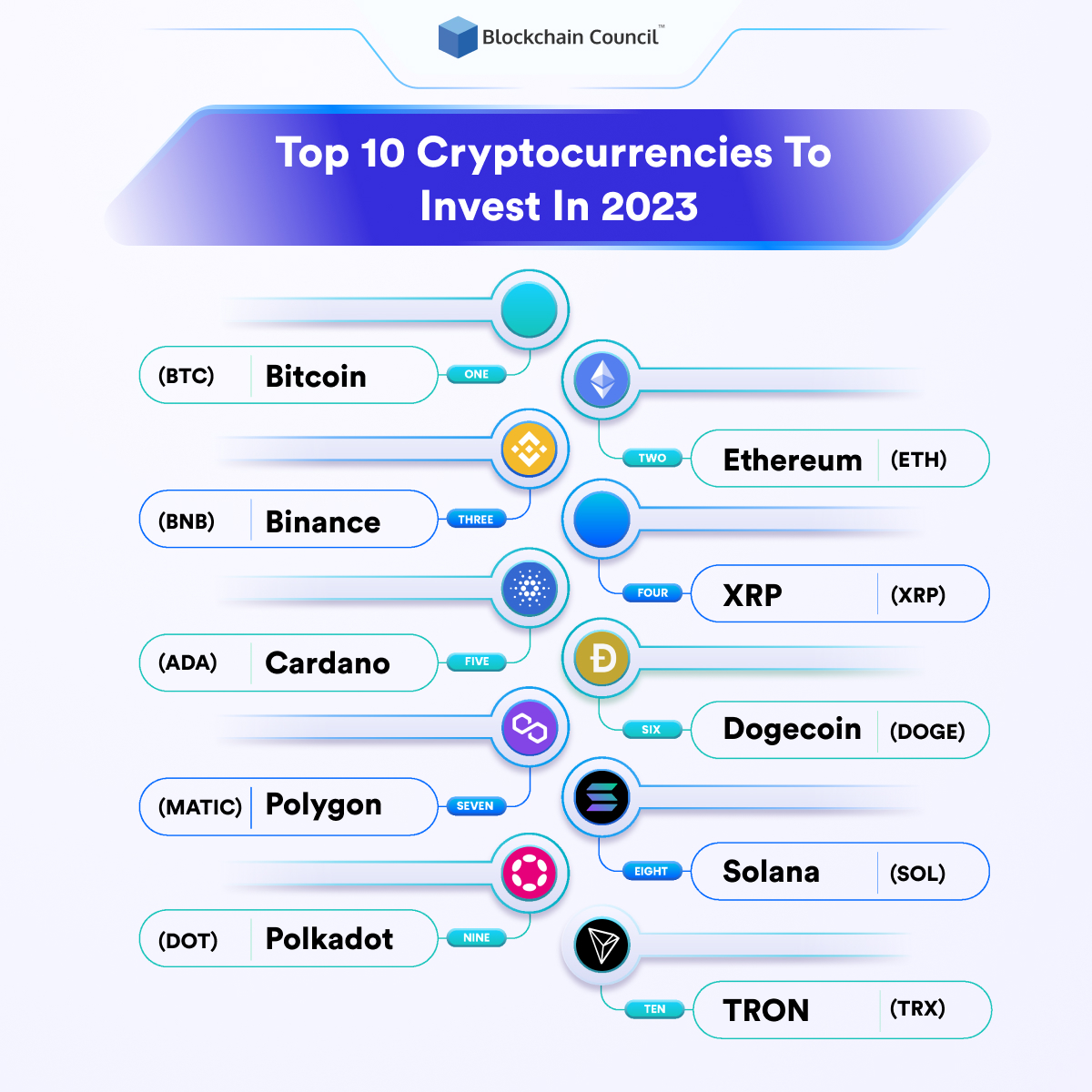
Bitcoin remains the undisputed leader of the cryptocurrency market. Its primary value proposition has shifted from a “peer-to-peer electronic cash system” to a “store of value” or “digital gold.” With a fixed supply of 21 million coins, Bitcoin is a hedge against the debasement of fiat currencies and inflationary pressures.
For the investor, Bitcoin is often the first point of entry. Its institutional adoption—highlighted by the approval of Spot Bitcoin ETFs—has integrated it into the traditional financial system. When deciding what crypto to invest in, Bitcoin typically serves as the “anchor” asset, often making up 40% to 60% of a conservative crypto portfolio.
Ethereum (ETH): The Infrastructure of Decentralized Finance
If Bitcoin is digital gold, Ethereum is digital oil. It is the leading smart-contract platform that powers the majority of decentralized finance (DeFi), non-fungible tokens (NFTs), and decentralized applications (dApps). Ethereum’s transition to a Proof-of-Stake consensus mechanism has made it more energy-efficient and introduced “staking,” allowing investors to earn a yield on their holdings.
Ethereum’s value is derived from its network effect. As more developers build on its blockchain, the demand for ETH (used to pay for transaction fees, or “gas”) increases. For long-term investors, Ethereum represents a bet on the future of the decentralized internet (Web3).
2. Evaluating High-Utility Altcoins and Layer-1 Solutions
Beyond the big two, the market is filled with “Altcoins”—alternative coins that seek to improve upon the limitations of Bitcoin and Ethereum or provide unique utility. When looking at what crypto to invest in within this category, the focus should be on “Layer-1” blockchains that compete for market share in speed, cost, and scalability.
Scalability and Speed: The Case for Solana and Avalanche
While Ethereum is the leader, it has historically struggled with high transaction fees and congestion. This gave rise to competitors like Solana (SOL) and Avalanche (AVAX). Solana, in particular, has gained massive traction due to its incredibly high throughput and low costs, making it a favorite for retail-focused applications and high-frequency trading.
Investing in these assets is essentially a play on “blockchain diversification.” An investor might choose Solana if they believe the future of crypto lies in mass-market consumer apps that require seamless, instant transactions. Avalanche, with its “subnets” architecture, targets enterprise-grade solutions, offering a different value proposition for institutional finance.
Interoperability: Connecting Blockchains via Polkadot and Cosmos
One of the greatest hurdles in the current crypto landscape is fragmentation. Different blockchains often cannot “talk” to one another. Projects like Polkadot (DOT) and Cosmos (ATOM) focus on interoperability—the ability for different networks to exchange data and value.
From a financial perspective, these are “infrastructure plays.” If the future of finance involves hundreds of specialized blockchains working together, the protocols that connect them will become incredibly valuable. These assets are generally considered medium-risk, offering high upside if their specific technological solution becomes the industry standard.
3. Exploring Emerging Niches: AI, Gaming, and Real-World Assets
For investors with a higher risk tolerance, the most significant gains are often found in emerging sectors that intersect with other technological trends. These niches are more speculative but represent the “frontier” of what crypto to invest in for asymmetric returns.
The Intersection of Artificial Intelligence and Blockchain
Artificial Intelligence (AI) is the defining technology of the decade, and its integration with blockchain is creating new investment opportunities. Projects like Near Protocol, Render (RNDR), and Fetch.ai (FET) are leveraging decentralized networks to provide computing power for AI models or to create decentralized AI marketplaces.
The investment thesis here is simple: AI requires massive amounts of data and processing power. Blockchain can provide a transparent, decentralized way to manage these resources. While these tokens are highly volatile, they offer exposure to two of the most disruptive sectors in modern finance simultaneously.
Real-World Assets (RWA) and Tokenization
Perhaps the most significant trend for institutional investors is the tokenization of Real-World Assets (RWA). This involves bringing traditional financial assets—such as real estate, gold, treasury bonds, or private equity—onto the blockchain.
Projects like Chainlink (LINK) provide the critical data feeds (oracles) that allow blockchains to interact with real-world price data. Meanwhile, platforms like Ondo Finance are pioneering the “Money” aspect of this by allowing investors to buy tokenized versions of U.S. Treasuries. Investing in the RWA sector is a bet on the “on-chaining” of the global financial system, a move that firms like BlackRock have signaled is the next great evolution in markets.
4. Strategic Risk Management and Portfolio Allocation
Deciding what crypto to invest in is only half the battle. The other half is managing those investments within a coherent financial strategy. Cryptocurrency is a volatile asset class, and without a plan, investors often fall prey to emotional decision-making.
Dollar-Cost Averaging (DCA) vs. Lump Sum
Because of crypto’s volatility, “timing the market” is notoriously difficult. For most investors, Dollar-Cost Averaging (DCA) is the most effective strategy. This involves investing a fixed amount of money at regular intervals (e.g., $200 every month), regardless of the price.
DCA reduces the impact of volatility by spreading out the purchase price over time. In a downward market, your fixed dollar amount buys more tokens; in an upward market, it buys fewer. Over time, this typically results in a lower average cost basis and removes the emotional stress of trying to buy at the absolute “bottom.”
The Importance of Security and Asset Custody
In the world of personal finance, crypto is unique because you are your own bank. This introduces a specific type of risk: custodial risk. When you invest in crypto, you must decide where to keep it.
- Centralized Exchanges (CEXs): Convenient for beginners but carry the risk of the exchange being hacked or going bankrupt.
- Cold Storage (Hardware Wallets): The gold standard for security. These devices keep your private keys offline, making them immune to online hacks.
A professional investment strategy includes a plan for security. For long-term “HODLing” (Hold On for Dear Life), moving assets to cold storage is widely considered a mandatory step for protecting your capital.
Conclusion: Crafting Your Investment Thesis
The question of “what crypto to invest in” does not have a one-size-fits-all answer. It depends on your time horizon, risk tolerance, and financial goals. A balanced approach often involves a heavy weighting in Bitcoin and Ethereum for stability, a selection of Layer-1 competitors for growth, and a small allocation to emerging niches like AI or RWA for high-upside potential.
As the digital asset market matures, the “Money” niche within crypto is becoming more aligned with traditional value investing. Success in this space requires looking past the hype and focusing on projects that solve real problems, generate network effects, and possess sustainable economic models. By maintaining a disciplined strategy and focusing on fundamentals, investors can position themselves to benefit from the ongoing transformation of the global financial landscape.
aViewFromTheCave is a participant in the Amazon Services LLC Associates Program, an affiliate advertising program designed to provide a means for sites to earn advertising fees by advertising and linking to Amazon.com. Amazon, the Amazon logo, AmazonSupply, and the AmazonSupply logo are trademarks of Amazon.com, Inc. or its affiliates. As an Amazon Associate we earn affiliate commissions from qualifying purchases.